Fire Damage Prevention Tips

Fires can devastate homes and lives, and in a city as dense as New York, a single spark can have wide-reaching consequences. At NYTDR we’ve seen firsthand how quickly small, unnoticed risks can turn into major fire and smoke damage. Whether you live in a pre-war Brooklyn brownstone, a high-rise Manhattan apartment, or a family home, fire prevention begins with awareness and consistent maintenance. This guide brings together NYTDR’s essential fire safety tips and a closer look at the most common hidden fire hazards in New York City homes — so you can better protect your property, your loved ones, and your peace of mind. Common Hidden Fire Hazards in NYC Homes Cooking Oil Left Heating on the StoveOne of the most common causes of home fires is unattended cooking. A pan of oil can reach its flash point within minutes and ignite unexpectedly. In compact NYC kitchens with limited ventilation, even a small grease fire can fill an entire apartment with smoke and soot.Always stay near your stove when frying or heating oil, keep a metal lid or baking sheet nearby to smother flames, and clean your range hood and vent regularly to remove grease buildup. Outdated Electrical WiringMany NYC homes were built decades ago with electrical systems not designed for today’s power demands. Over time, wiring insulation can deteriorate, causing overheating or sparks behind walls.If your home is over 20 years old, have your electrical system inspected by a licensed professional. Warning signs include flickering lights, tripped breakers, or warm outlets. Upgrading outdated wiring is one of the most effective ways to prevent fires. Clogged Dryer Vents and Lint Build-UpLint is highly flammable, and buildup inside dryer vents is a leading but often overlooked fire risk. In apartment buildings, vents often run long distances through walls, where lint collects out of sight.Clean your lint trap after every load and schedule a professional vent cleaning annually. If your clothes take longer to dry or feel unusually hot, that’s a red flag your vent is blocked. Portable Heaters Too Close to Furniture or BeddingDuring NYC winters, space heaters are a common cause of apartment fires. Keep at least three feet of clearance around heaters, and never leave them running unattended or while sleeping. Use models with automatic shut-off and tip-over protection, and plug them directly into wall outlets — not extension cords. Cigarettes or Cigars Discarded OutdoorsImproperly extinguished cigarettes tossed into planters or mulch can smolder for hours before igniting. In tightly packed neighborhoods, that small flame can quickly spread. Always extinguish cigarettes completely in sand or water, and avoid using plastic or wooden ashtrays. Essential Fire Prevention Practices from NYTDR Install and Maintain Smoke Alarms Place smoke detectors on every level of your home and inside all sleeping areas. Test them monthly, replace batteries annually, and install new alarms every ten years to ensure reliability. Create an Escape Plan Every household should have a clear fire escape plan that includes two exits from each room and a designated outdoor meeting spot. Practice it regularly with all family members to ensure everyone knows how to react quickly. Keeping Your Kitchen Safe Most home fires begin in the kitchen. Never leave oil or food cooking unattended, and clean appliances regularly. Remove flammable items from around the stove, keep a fire extinguisher nearby, and never use your stove or oven as a heater. Outdoors, don’t leave grills unattended or too close to your home. Store Flammable Materials Safely Keep gasoline, solvents, and cleaning products in proper containers, away from living spaces and heat sources. Store oily rags in sealed metal containers to prevent spontaneous combustion. Maintain Your Yard and Building Exterior If you live in a building with outdoor areas, remove dead plants, clear clutter, and trim overgrown shrubs to minimize fire spread risk — especially during dry seasons. Be Mindful of Reflected Sunlight In NYC apartments with large windows, focused sunlight from mirrors or glass surfaces can heat materials to ignition point. Position reflective items carefully to prevent unintended heat concentration. Plan for Fireworks Safety Fireworks can be fun but dangerous. If you choose to use them, always follow local laws and keep a bucket of water or a fire extinguisher nearby. Adopting Safe Habits Stay alert and practice basic fire-safe routines. Don’t leave candles burning unattended, avoid smoking indoors, keep flammable items away from heat, fully extinguish fireplace embers, reduce clutter, and clean dryer lint and filters regularly. Educate and Stay Prepared Fire safety starts with daily habits and consistent maintenance. Teach your family or building residents about everyday fire risks, from overused outlets to unattended stoves. Simple daily habits — like unplugging chargers, cleaning vents, and testing alarms — can make a life-saving difference. Understand Your Fire Damage Insurance Coverage Even with every precaution, accidents can still happen. Review your homeowner’s or renter’s insurance policy to understand what’s covered in the event of fire or smoke damage. Many policies include coverage for structural repair, soot cleanup, and even temporary housing if your home becomes uninhabitable. What Should You Do In Case Of Fire Damage? The first step after fire damage is collecting photographic evidence and documenting the events. The evidence is vital, as you’ll need it to make an insurance claim.Get in touch with your insurance provider to determine whether your insurance policy covers the damage. Since they have experience, they can help you access emergency accommodation.You can then contact a professional fire damage restoration company to discuss repairing the damages.The best professional restoration companies collaborate with your insurance provider to manage the cleanup process. Who Can Recommend Fire Damage Cleanup? New York Total Damage Restoration (NYTDR) is a trusted restoration service provider throughout the New York City area.Most companies either assist you through the insurance process or help you restore the damages. However, NYTDR is with you every step of the way.We understand the value of your home, so we’ll assist you with insurance claim processing until the total restoration of your home.An Insurance Adjuster conducts a
The First Seven Things You Should Do After A Home Fire

Experiencing a home fire is overwhelming, and your emotions will be running high. This can make it difficult to determine what steps to take. Your most important concern is keeping your family safe. The seven most important steps below will guide you through this difficult and confusing time. Step 1: Safety Always Comes First Do not enter your home after a fire unless you are 100 percent certain it is safe. Your best option is to ask a professional such as a member of the fire department, an insurance damage restoration specialist, or a local building official. Entering your home prematurely can put you at risk due to numerous hazards: The structure of your home may have been compromised. There may be dangerous electrical concerns. Falling debris could cause injury. Smoke can darken your home, making it difficult to see these dangers. Additionally, health risks are present. After a fire, PICs (particulate combustion products) are generated. Many PICs are carcinogens and remain on surfaces and in the air. These microscopic particles are easily ingested, so avoid touching items damaged by fire. Your utilities may have been turned off by the fire department for safety. Do not turn them back on until told it is safe. Water and fire damage may also make your home unfit for habitation. The only way to know for certain if it is safe to enter is to consult professionals and follow their guidance. Step 2: Call the Emergency Response Teams Make sure all necessary emergency response teams have been contacted, including the fire department and police department. Prompt intervention can help mitigate damage to your home. Step 3: Contact Your Insurance Agent as Soon as Safety Permits Contacting your insurance agent is crucial. Call them once your family is safe and emergency services have been notified. Your agent can: Explain your deductible Recommend reputable restoration professionals Answer questions about securing your home An insurance damage restoration specialist may be sent to assess your property. Before hiring any professionals, request a written estimate. Discuss your financial responsibilities for repairs with your agent. Keep all receipts for expenses related to the fire. Determine which items have been lost and provide an estimated value to your insurance company. Picture each room to help create a detailed list of damaged or lost items. This step is critical for recovering your losses. If you are unsure what your policy covers, ask your insurance agent or review your policy. Step 4: Hiring a Water and Smoke Damage Professional Professional companies provide remediation services for water and smoke damage. Hiring trained contractors is essential due to their extensive knowledge, experience, and ability to remove microorganisms like bacteria, mildew, and mold, which pose serious health risks. Fire damage restoration specialists and water and smoke damage professionals work together to restore your home. Once safe to enter, immediate assistance from these professionals is available. They understand inspections, permits, and compliance with local building codes and regulations. Step 5: Minimizing Long-Term Damage Most insurance policies require securing your home against vandalism and additional damage once the fire is out. This includes protecting your property from people and the elements. Once the fire department confirms it is safe, secure your home as best you can. Actions to take: Cover holes in the roof, damaged doors, and windows with tarps or plywood. Hire a professional if you cannot secure the property yourself. Check with your insurance company to see if costs are covered. Contact your local police department to help monitor your property. Boarding up your home may also be necessary. All openings should be covered to protect from weather while allowing VOCs, toxins, and particulates to dissipate. Without proper ventilation, burned materials can remain dangerous. Professionals will enter with breathing equipment and protective masks. Unless trained in fire damage restoration, you cannot properly address these concerns. Your insurance agent will authorize restoration companies to secure your home and mitigate damage from fire, smoke, and water. Step 6: Calling a Professional Restoration Company Once a restoration company is called, emergency response professionals will be dispatched to assess damage. After safety is confirmed: Openings, holes, windows, and doors are secured to prevent further damage Water is pumped out to reduce mold and water damage Ventilation begins immediately using air scrubbers and industrial fans Proper ventilation helps reduce smoke exposure to your belongings and home, and removes VOCs and toxins from the air. Professionals use specialized equipment, cleaning agents, and filters that are unavailable to homeowners. They also have the experience necessary to fully eliminate smoke, which is highly corrosive and can continue damaging your home even after the fire is out. Step 7: A Place to Stay You may not be able to remain in your home after a fire. Your insurance policy will often cover temporary shelter, clothing, and food for a limited time. If your insurance does not cover these expenses, contact family, friends, your church, or the American Red Cross. Ensure you have the essentials: shelter, clothing, and food. If unsure what your policy covers, consult your insurance agent. NYTDR Is Here to Restore Your Home and Your Peace of Mind At NYTDR – New York Total Damage Restoration, we understand how overwhelming a house fire can be. Our team of experienced restoration specialists is here to guide you through every step of the recovery process, from ensuring your home is safe to managing smoke, fire, and water damage. We work closely with your insurance company to maximize your coverage and restore your home efficiently and safely. Reach out to NYTDR today for expert fire damage restoration services and peace of mind when you need it most.
What is Fire Damage Restorations Service?
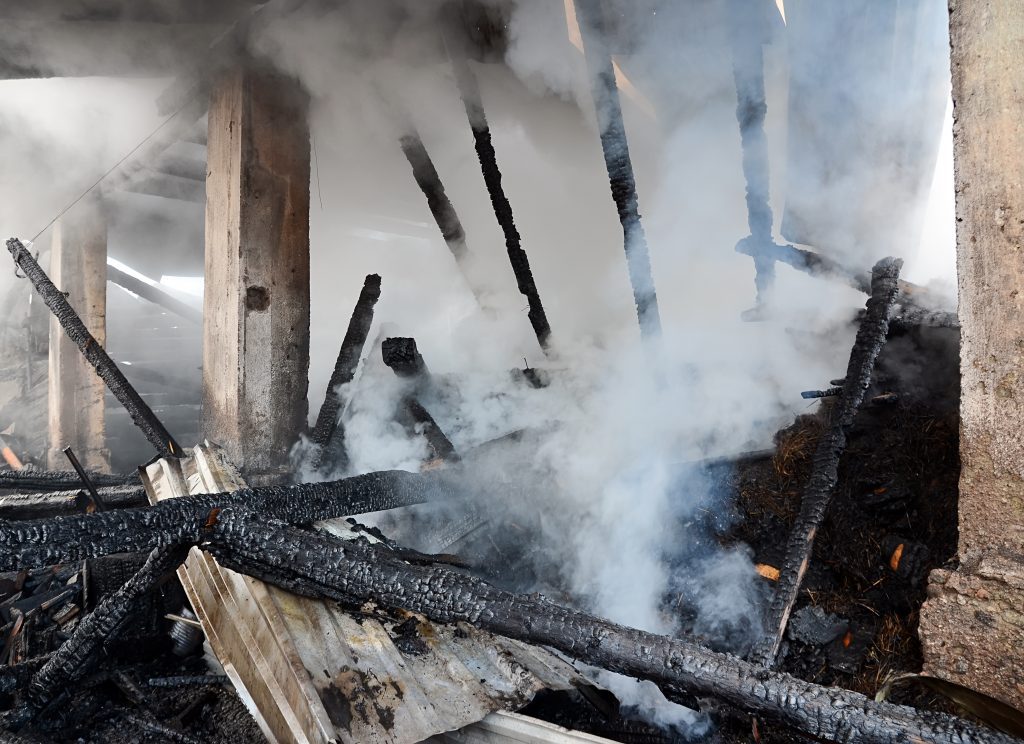
When a fire occurs the first thing you do is dial 911. The firemen come and hopefully very quickly extinguish the flames, remove anyone caught in the fire and ensure there is no danger of the fire restarting. The firemen leave, now what? This is when you need to contact a fire damage restoration service. Unfortunately, the damage from fire and smoke can be long lasting and in many cases permanent. If not dealt with immediately and correctly smoke odors can set in and be very difficult to get rid of. Without the correct care, damaged wires or wet appliances can actually be ruined after the fire. Smoke damage can be a health hazard and some items may actually be dangerous to keep. So what can you do to minimize smoke damage and save as much as possible? Steps to Minimize Fire and Smoke Damage Immediately Turn off the air conditioning to prevent smoke from spreading. Replace HVAC filters. Do not turn on ceiling fans or electrical appliances until inspected by a licensed electrician. Wipe soot from walls and items with a dry cloth, but avoid using water. Remove salvageable items from the fire-affected area to prevent further smoke damage. Contact a professional fire damage restoration company immediately for full cleanup and repair. What will a Fire Damage Restoration Service Do? Inspection and Fire Damage AssessmentProfessionals will carry out a full inspection and assessment of the extent of fire, smoke, soot, and water damage in the affected area and nearby rooms. Examining both visible and hidden damage is crucial to develop a proper plan of action and ensure a full report is recorded for your fire insurance to maximize coverage. Temporary Fixing and StrengtheningDamaged roofs, ceilings, walls, and windows may need to be boarded up or reinforced temporarily to eliminate safety hazards until full reconstruction or renovation can be completed. Water Removal and DryingFirefighting often involves large amounts of water, which may need to be removed promptly. Professional drying techniques are used to prevent mold growth and additional damage to floors, walls, and other structures. Smoke and Soot RemovalSpecialized equipment and techniques are employed to remove smoke and soot from all surfaces, helping to prevent lingering odors and further property damage. Cleaning and SanitizingWith the right materials and expertise, many items can be salvaged. Professionals ensure proper cleaning and complete sanitation while assessing for hazardous materials such as asbestos or lead that must be discarded. Anti-mold treatments are also applied to prevent future health hazards. Fixing and RenovationsAfter cleanup and sanitization, and once your insurance claim is submitted and approved, restoration and renovation can begin. Professional guidance during this stage ensures maximum insurance coverage and helps transform your space into a beautifully remodeled home. How Fire Damage Restoration Works with Insurance After a fire, most property owners rely on insurance to help cover the cost of cleanup, repairs, and restoration. The process usually begins with a damage inspection, where all fire, smoke, soot, and water damage is carefully documented. This documentation is essential for submitting an accurate insurance claim. A professional fire damage restoration company typically works alongside your insurance adjuster by providing detailed reports, photographs, and assessments of both visible and hidden damage. This helps ensure that the full extent of the damage is recognized and nothing is missed during the claims process. Once your insurance provider reviews and approves the claim, the restoration work can officially begin. This may include debris removal, smoke and soot cleanup, drying from water damage, odor removal, and full structural repairs. Throughout the process, communication between the restoration team and the insurance company helps prevent delays and ensures the work follows approved guidelines and budgets. At NYTDR, we work directly with your insurance company to streamline the claims process and remove unnecessary stress. Our detailed documentation and direct communication help maximize your coverage and avoid costly delays. Learn more about what’s covered, what’s not, and how NYTDR manages the full process and insurance claim for you. Restore Your Home After a Fire with NYTDR If you’ve experienced a fire, the danger isn’t over once the flames are extinguished — lingering smoke, soot, and structural damage can turn a temporary disaster into a long‑term problem. At NYTDR, we guide you through every step after the initial cleanup, from working with insurance providers to ensure maximum coverage to full repairs and complete home renovation. Our experienced team helps transform your home safely and efficiently, restoring it to its original condition—or even better. Don’t wait — the sooner you start the restoration process, the faster you can move forward with peace of mind. Contact NYTDR today to begin rebuilding your home.
The Human Touch: How NYTDR Supports Homeowners Throughout the Restoration Journey

When disaster strikes, it leaves homeowners feeling overwhelmed and vulnerable. Whether it’s a fire, flood, or other unforeseen calamities, the emotional toll can be immense. At NYTDR (New York Total Damage Restoration), we understand that restoring a damaged home is not just about fixing physical structures; it’s about rebuilding lives and providing a sense of security during challenging times. In this blog post, we delve into how NYTDR extends a compassionate and supportive hand to homeowners throughout the restoration journey, making the process as smooth and reassuring as possible. Empathy at the Forefront: At NYTDR, we believe that empathy forms the bedrock of our services. Our team of restoration experts understands the distress and upheaval that homeowners face when their homes suffer damage. As soon as we receive a call for assistance, our priority is to reach out to the affected homeowners promptly. Our compassionate customer support team listens attentively, offering comfort and reassurance, while swiftly mobilizing the restoration crew to assess the situation. Clear, Transparent Communication at Every Step Homeowners deserve clarity — especially during stressful events. That’s why our project managers explain the full restoration process, step-by-step: What the damage assessment involves How long restoration may take What repairs or mitigation steps are needed What challenges may arise along the way This transparency helps homeowners feel in control and confident in the plan. Personalized Solutions: Every home and homeowner is unique, and we recognize that a one-size-fits-all approach does not work in the restoration process. At NYTDR, we tailor our solutions to meet the specific needs and preferences of each homeowner. We take into account factors such as budget, timelines, and personal belongings, ensuring a customized restoration plan that aligns with the homeowners’ requirements. Emotional Support: Home damage can evoke a range of emotions, from frustration and anxiety to grief and sadness. Our restoration experts are not only skilled professionals but also compassionate individuals who understand the emotional toll of such events. We are there to lend a listening ear, providing emotional support to homeowners as they navigate the restoration journey. Minimizing Disruption: Home restoration projects can be disruptive to daily life, and we strive to minimize this disruption as much as possible. Our team works efficiently and swiftly, prioritizing tasks to get homeowners back to their regular routines as soon as feasible. Throughout the restoration process, we take care to maintain a clean and safe working environment, respecting the homeowners’ space and belongings. Comprehensive, Detail-Oriented Restoration NYTDR goes far beyond surface-level repairs. Our restoration process is designed to uncover and resolve every layer of damage, not just the visible signs. Once the initial cleanup or mitigation is complete, our team performs a full diagnostic inspection of the property using professional tools and industry best practices. This allows us to identify hidden issues that, if left untreated, can lead to recurring damage or long-term safety concerns. Some of the most common underlying problems we look for include: Moisture behind walls and flooring, which can cause structural deterioration or future mold growth Mold or microbial activity, especially after water damage or prolonged humidity Electrical hazards, such as damaged wiring, overloaded circuits, or water-exposed panels Structural weaknesses, including compromised beams, subfloors, insulation, and load-bearing components Our detail-oriented approach ensures that we address these issues early—before they escalate and become more costly or dangerous. Conclusion: At NYTDR, we believe that providing the human touch is essential in delivering exceptional home restoration services. Beyond repairing damaged structures, our mission is to bring hope, compassion, and support to homeowners during times of crisis. By placing empathy and clear communication at the forefront of our services, we strive to alleviate the stress of the restoration journey, allowing homeowners to focus on rebuilding their lives and embracing a brighter future.
A Fire-Safe Thanksgiving: A Special Message from NYTDR
Your home is the center of your celebration, and keeping it safe matters. Thanksgiving is also the number one day for home cooking fires in the United States. With multiple dishes on the stove, ovens running for hours, and distractions from guests, fire risks can increase quickly—especially in NYC apartments and houses. NYTDR is here to help you enjoy the holiday with peace of mind. Thanksgiving Fire Safety Tips for NYC Homeowners A few simple precautions can make a big difference: Never leave cooking food unattended. Keep flammable items away from stovetops and heat sources. Check that ovens, stoves, air fryers, and appliances are turned off when not in use. Ensure smoke detectors are working properly Keep a fire extinguisher in an accessible place These small steps go a long way toward preventing emergencies. If Fire Damage Happens, NYTDR Will Take Care of You Accidents can still happen, even when you’re careful. If you experience fire or smoke damage this holiday season, NYTDR provides full-service restoration for NYC homes. We understand how emotional and stressful fire damage can be, and we support you from the very first call. Free fire damage consultation Direct insurance guidance and claim support Complete fire, smoke, and soot restoration Full renovation and rebuild services Fast, professional help from a licensed NYC restoration team We work directly with insurance companies to ensure you receive the coverage you deserve, and we handle the entire restoration process from start to finish. NYTDR Is Grateful for You Thanksgiving in New York City is busy, warm, and full of tradition, and NYTDR: New York Total Damage Restoration wishes you a joyful day filled with comfort, good food, and cherished time with loved ones. We are truly thankful for the New York homeowners and families who trust us with their homes. Your safety, comfort, and peace of mind are always our priority. From our NYTDR family to yours, we wish you a safe, warm, and Happy Thanksgiving.
What Does Soot Do to Your Home After a Fire?
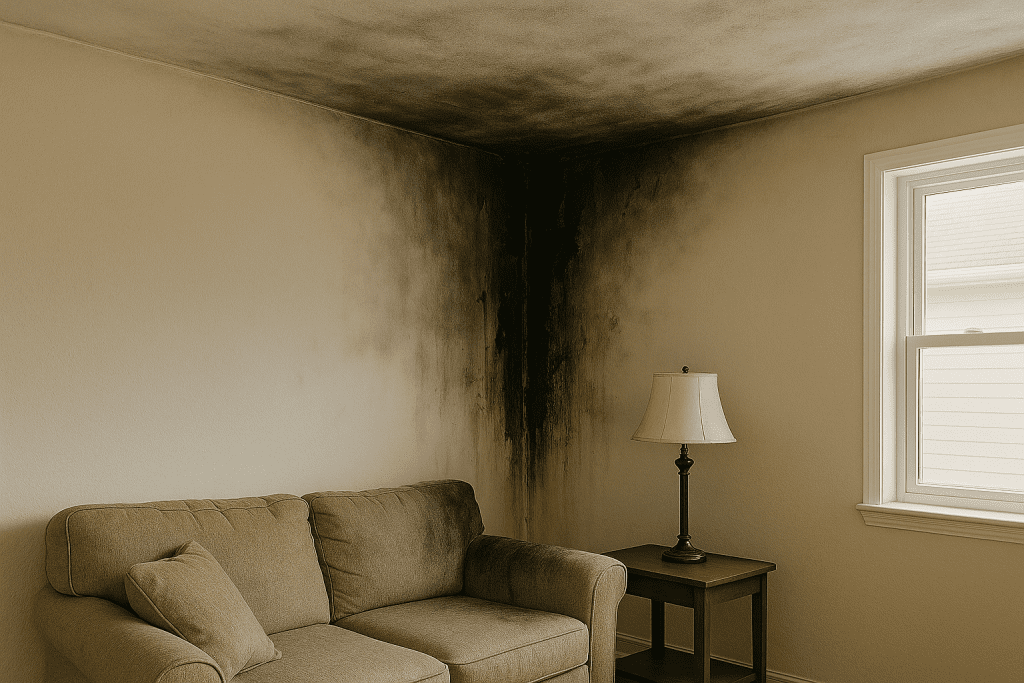
When a fire occurs in your home, the flames are only part of the problem. Even after the fire is extinguished, soot and smoke can linger, causing serious damage to your property and health. For New York City homeowners, where apartments, brownstones, and multi-family buildings are often tightly packed, understanding the effects of soot is essential. At NYTDR, we specialize in fire and smoke damage restoration in NYC, helping families recover quickly and safely while working directly with insurance providers. What Is Soot? Soot is a fine black powder made up of carbon particles that are created when materials burn incompletely. During a house fire, everything from wood and fabric to plastics and building materials releases soot and smoke. These tiny particles travel through the air and can settle throughout your home—even in areas untouched by flames. What Does Soot Do to Your Home? Stains Walls, Ceilings, and SurfacesSoot can quickly embed itself into porous materials like drywall, paint, and wallpaper, leaving behind permanent discoloration if not professionally cleaned. Damages Furniture and BelongingsUpholstery, carpets, and wooden furniture can absorb soot particles and odors, making restoration difficult without professional techniques. Creates Lingering OdorsThe smoky smell from soot doesn’t just sit on surfaces—it seeps into fabrics, HVAC systems, and insulation, causing long-term air quality issues in your home. Corrodes Metals and ElectronicsSoot is acidic in nature. Left untreated, it can corrode appliances, wiring, and metal surfaces, leading to costly replacements. Health Risks for ResidentsBeyond property damage, soot exposure is a serious health hazard. Breathing in soot particles can cause respiratory issues, trigger asthma, and irritate the eyes and skin—especially dangerous for children, seniors, and individuals with existing health conditions. Hidden Smoke Damage Not all fire damage is immediately visible. Smoke particles can travel far beyond the burn site, seeping into wall cavities, ductwork, and insulation. Even if a room looks untouched, hidden smoke damage can compromise structural integrity, reduce indoor air quality, and cause long-term health and safety issues if not properly addressed. Why Immediate Cleanup Matters Time is critical when it comes to soot cleanup. The longer soot sits, the more it penetrates surfaces, causing permanent staining and deterioration. DIY cleaning is rarely effective and can make the problem worse. Professional restoration ensures your home is safe, clean, and restored properly. How NYTDR Helps NYC Homeowners At NYTDR, we provide comprehensive fire and smoke damage restoration across Manhattan, Brooklyn, Queens, the Bronx and further. Our team: Removes soot and smoke damage safely and effectively Restores walls, ceilings, and flooring Cleans and deodorizes HVAC systems and ventilation Salvages and restores belongings where possible Works directly with your insurance company to streamline claims Protect Your NYC Home After a Fire Soot damage may seem invisible at first, but its effects are long-lasting and dangerous. If your home has suffered fire or smoke damage, don’t wait. Contact NYTDR for expert soot cleanup and full home restoration in NYC. We’ll manage the entire process—from cleanup to repairs—so you can get back to living safely in your home.
Fire Damage Insurance Explained: What’s Covered and How It Works
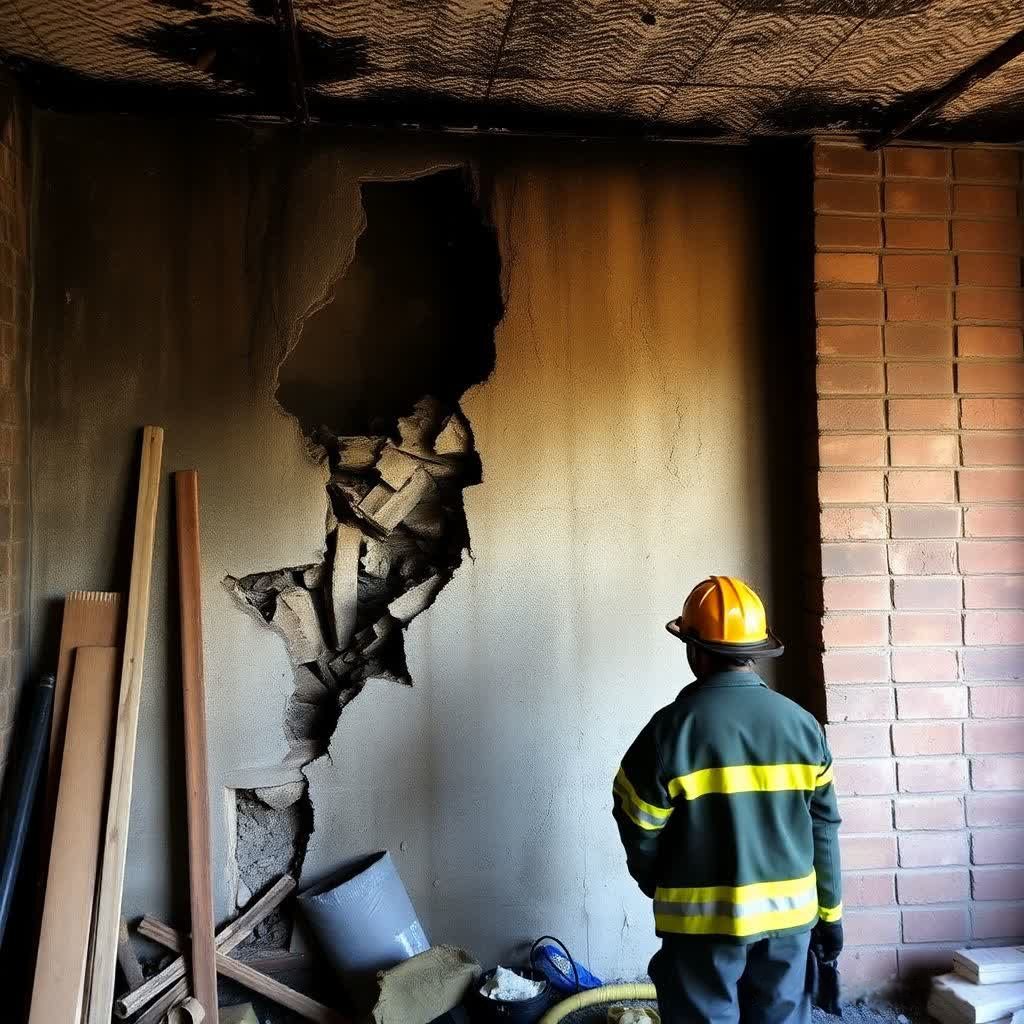
Fires can be devastating. Whether it’s a kitchen mishap or a more serious blaze, the aftermath often leaves homeowners overwhelmed. At NYTDR, we understand how difficult this time can be — and we’re here to manage the entire restoration process, from the moment the damage occurs to the final repairs, all while working directly with your insurance company. One of the most common questions asked is: “Does my insurance cover fire damage?” Let’s break it down. What Fire Damage Restoration Is Typically Covered by Insurance? Most standard homeowners insurance policies do cover fire damage, but coverage can vary based on the policy type and provider. Here’s what’s generally included: 1. Structural Damage If your home’s structure is damaged by fire — whether it’s the roof, walls, or foundation — your policy usually helps cover the cost of repairs or rebuilding. 2. Personal Property Loss Insurance often covers the contents of your home: furniture, electronics, clothing, and other belongings. Be sure to check whether your policy provides replacement cost (full replacement) or actual cash value (depreciated value). 3. Temporary Living Expenses If your home is uninhabitable due to fire damage, your policy may cover additional living expenses (ALE) such as hotel stays, meals, and other costs while your home is being restored. 4. Detached Structures Sheds, garages, fences, and other structures not physically attached to your house are often included under a policy’s other structures coverage. What May Not Be Covered? While insurance is generally reliable for fire damage, there are limitations to be aware of: Intentional Acts – Fires set intentionally by the homeowner (fraudulent claims) are not covered. Neglect or Code Violations – If the fire resulted from ignored maintenance or building code violations, coverage could be denied. Wildfires (in high-risk zones) – Some policies exclude wildfire damage or require separate coverage, especially in high-risk areas. Always read the exclusions section of your policy carefully but If you’re still unsure about what it covers, our experienced professionals at NYTDR are here to guide you through the details and provide the clarity you need. How NYTDR Manages the Insurance Process After a Fire When a fire strikes, the last thing you need is the added stress of dealing with insurance claims and contractors. That’s where NYTDR comes in. We take over the entire fire and smoke damage process — from emergency response to full restoration — so you can focus on what matters most. Step 1: Emergency Response & Property Protection Once the fire is out and it’s safe to proceed, NYTDR steps in immediately to secure your home and prevent further damage. Step 2: We Handle the Insurance Claim We notify your insurance company, assist you with filing the claim, and communicate with the adjusters — ensuring the paperwork is accurate and timely. Step 3: Comprehensive Damage Assessment Our team coordinates with the insurance adjuster to document all fire-related damage thoroughly, making sure nothing is overlooked. Step 4: Restoration Planning & Execution From debris removal to structural repairs, NYTDR creates and executes a full restoration plan — all while keeping you updated, without making you manage contractors or timelines. Step 5: Repairs & Final Settlement Once the insurance payout is processed, we begin repairs immediately and restore your home to an even better condition — efficiently and professionally. NYTDR is more than just a restoration company — we’re your advocate. From insurance paperwork to full reconstruction, we take care of it all, saving you stress and ensuring you get the full benefit of your policy. If you’ve experienced a fire or want to be prepared, contact NYTDR today for a consultation. We’re ready to protect you from what matters most.
Fire vs. Water Damage: Which Can Cause More Long-Term Destruction?
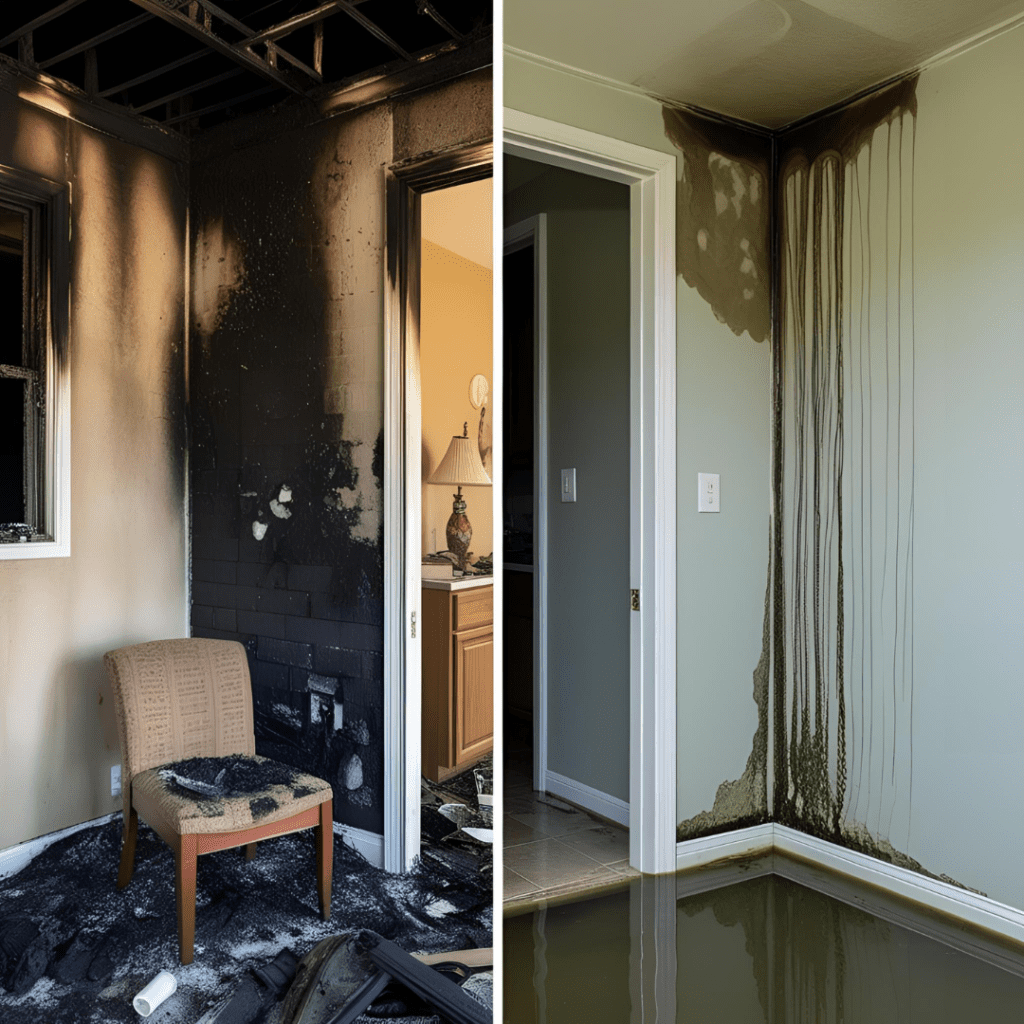
When it comes to property damage, both fire and water can wreak havoc. However, while these two forces of nature can appear similar in their immediate destructive power, their long-term effects differ significantly. Understanding the contrast between fire and water damage is essential for homeowners, property managers, and businesses alike to make informed decisions about restoration and repair. At NYTDR we specialize in restoring properties affected by both fire and water. Here, we dive into the key differences between the two types of damage and examine which can result in more long-term destruction. Immediate Damage: Fire vs. Water When a fire occurs, it can quickly destroy a building’s structure, appliances, and furniture. Flames consume materials at an alarming rate, and the smoke that accompanies them leaves a pervasive, toxic residue. The immediate damage from fire typically includes: Structural damage: Fire weakens the structural integrity of wood, metal, and even concrete. Smoke damage: Smoke can penetrate walls, insulation, and ventilation systems, leaving lingering odors and health risks. Charred materials: Items like fabrics, furniture, and wood become unusable, requiring extensive replacement. On the other hand, water damage can be just as immediate but comes with its own challenges. Whether from a burst pipe, flooding, or leaks, water has a unique way of affecting a property: Waterlogged materials: Wood and drywall can swell, weaken, or warp when exposed to moisture for extended periods. Mold growth: Water is a key ingredient for mold, and without prompt action, mold can spread rapidly, compromising air quality and structural integrity. Electronics and electrical systems: Water can damage wiring, outlets, and other electrical systems, which can lead to long-term safety hazards. Both types of damage can be catastrophic in the short term, but it’s the long-term effects that require careful attention. Long-Term Destruction: How Water and Fire Differ Fire Damage After the flames have been extinguished, the visible damage from fire may seem contained, but the true extent of destruction can be far-reaching. While fire doesn’t continue to spread once extinguished, the aftermath often includes: Structural weakening: Fire may permanently weaken the integrity of load-bearing walls, beams, and foundation. In many cases, parts of the structure may need to be rebuilt entirely. Toxic air and health risks: Smoke particles and ash can settle in hidden areas of the home or business. Over time, these particles can deteriorate indoor air quality, leading to respiratory issues, especially for sensitive individuals. Costly repairs: Restoring a fire-damaged property is usually more expensive than water damage. Rebuilding and replacing structural elements, combined with the need for cleaning and restoring valuables, increases costs significantly. Water Damage Water damage may seem easier to fix initially, but its long-term consequences can be even more pervasive than fire. Prolonged exposure to moisture can lead to: Mold and mildew: Mold growth thrives in damp environments, and if water damage is left unchecked, mold can quickly infiltrate hidden spaces like behind walls or under floors. This growth can cause serious health issues and compromise structural materials. Wood rot and corrosion: Wood can rot if it remains wet for an extended period, and metal elements may corrode, weakening the structure of the building. Both rot and corrosion can require extensive and expensive repairs.Degraded insulation and drywall: Moisture can saturate insulation, causing it to lose its effectiveness. Additionally, drywall may soften, sag, or crumble, leading to the need for replacement. Electrical hazards: While fire might immediately damage electrical systems, water damage poses a longer-term risk. Moisture in electrical systems can lead to short circuits, electrical fires, or permanent failure of wiring. While water may not be as immediately destructive as fire, its ability to continue causing damage over time makes it particularly insidious. Which Causes More Long-Term Damage? While both fire and water damage have the potential to cause significant long-term destruction, water damage often leads to more persistent, hidden issues. The slow and ongoing nature of water damage means that, without proper and timely restoration, mold growth and structural degradation can continue long after the initial water event. On the other hand, fire damage may appear to be more immediately catastrophic but is often easier to manage in terms of remediation and rebuilding. Once the smoke clears and the fire is out, it’s often a matter of cleaning, rebuilding, and replacing damaged materials. The Importance of Prompt Restoration Whether your property has suffered from fire or water damage, prompt restoration is key to limiting long-term destruction. Delaying repairs can result in mold growth, weakened structural elements, and lingering odors, leading to higher costs and prolonged disruptions. At NYTDR we specialize in both fire and water damage restoration. Our team works quickly to assess the situation, identify the source of the damage, and begin the necessary steps for thorough repair and restoration. Conclusion Both fire and water damage are serious threats to the integrity of a property. While the immediate effects of fire may seem more destructive, water damage often leads to hidden, long-term problems that can persist for months or even years if not addressed promptly. Understanding the unique risks of each type of damage allows property owners to act quickly and effectively to prevent further harm. If your property has been affected by fire or water, NYTDR is here to help. Our expert team is ready to restore your property to its original condition with minimal disruption. Contact us today for fast and professional restoration services!
How Long Does a Repaint Last After Fire and Smoke Damage?
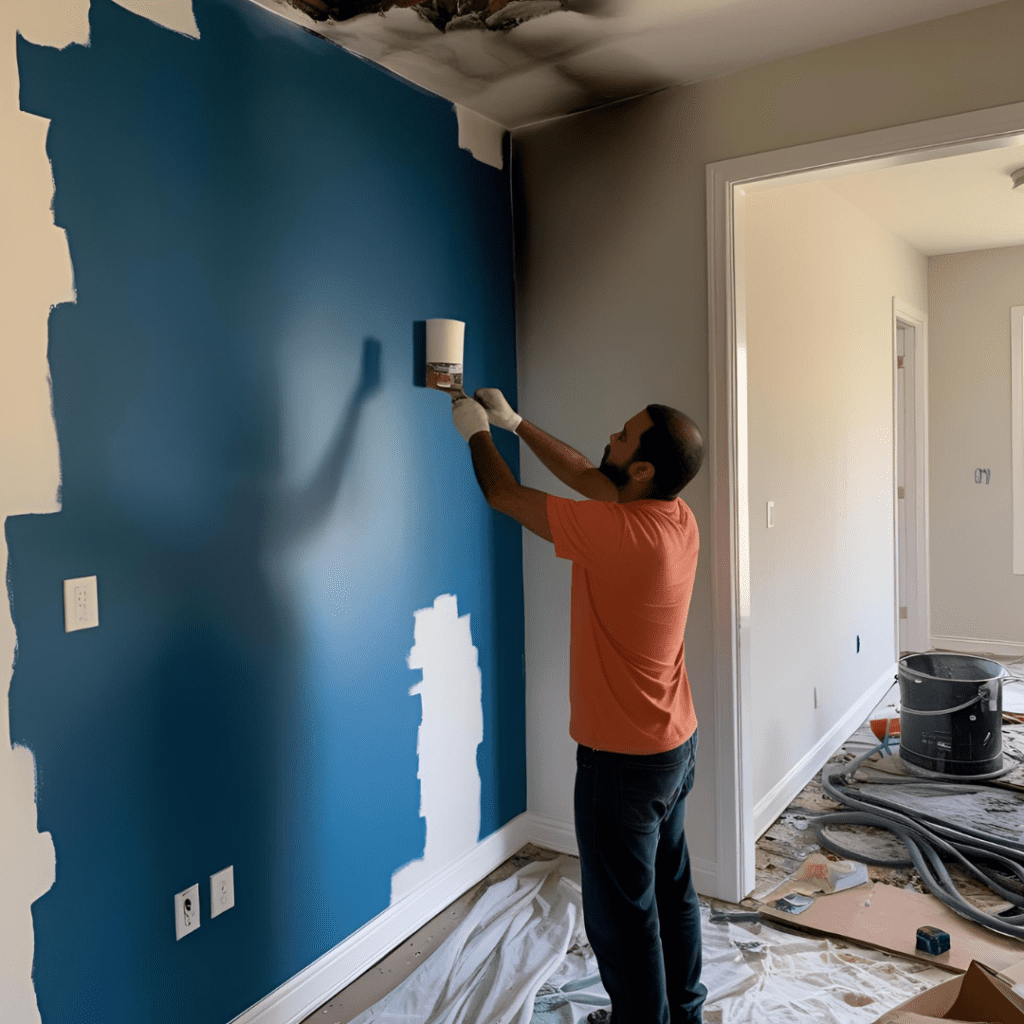
More Than Just a Fresh Coat of Paint After a fire, the aftermath can be overwhelming. Beyond the visible damage, the lingering effects of smoke and soot on your walls can create long-term issues if not properly addressed. One of the most common restoration solutions is repainting, but how long does it actually last? The answer depends on the quality of the restoration process, the products used, and whether the underlying damage was thoroughly treated. At NYTDR, we specialize in restoring properties affected by fire and smoke damage, ensuring that repainted surfaces are not only visually flawless but also durable and long-lasting. As your local smoke damage experts, We also handle other fire-related repairs, such as restoring smoke-damaged kitchen cabinets, ensuring your entire space is brought back to its pre-fire condition. The Importance of Proper Restoration Before Repainting The longevity of a repaint after fire and smoke damage depends significantly on the quality of the restoration work. Simply applying a fresh coat of paint without addressing the underlying damage is a temporary fix at best. Calling for professional assistance early can help prevent the damage from worsening, ensuring a more effective restoration. Professional Cleaning and Sealing As an experienced NYC restoration company, NYTDR follows a meticulous process before any repainting begins: Surface Cleaning: We remove soot, char, and smoke residue using industry-grade cleaning agents to prevent future discoloration. Odor Neutralization: We apply specialized sealants to block lingering odors, ensuring they don’t seep through the new paint. Priming: A high-quality, fire-rated primer is used to create a protective barrier and improve paint adhesion. The Importance of Primer After Fire Damage Using the right primer after fire and smoke damage is essential for a lasting repaint. Fire-damaged walls often hold onto smoke residue and odors, which can seep through paint if not properly sealed. A high-quality, stain-blocking primer creates a protective barrier, preventing discoloration and trapping lingering smells. It also ensures the paint adheres evenly, reducing the risk of peeling or bubbling over time. At NYTDR, we use professional-grade primers specifically designed for fire restoration to guarantee a flawless, long-lasting finish. Choosing the Right Paint for Durability After priming, selecting the right paint is key to achieving a durable and aesthetically pleasing result. For fire-damaged walls, washable and scrubbable finishes are ideal, as they allow for easier cleaning and maintenance. Satin and semi-gloss finishes are particularly effective, offering both resilience and a polished look. We also take care of hidden smoke damages, ensuring that every aspect of your walls is addressed. In some cases, fire-resistant paint can add an extra layer of protection, providing peace of mind and extending the lifespan of your repaint. With New York’s trusted restoration experts at NYTDR, your walls will not only look fresh but will also stay that way for years to come.
Residential Fire Damage Restoration: A Guide from NYTDR
Experiencing a fire in your home can be overwhelming and emotionally draining. At NYTDR, we understand the challenges you face during this time and are here to help you restore your home and peace of mind. Our team specializes in fire damage restoration and works with you every step of the way, including navigating insurance claims for fire damage renovation. Reach out to NYTDR for a free consultation and let us help you reclaim your home. 1. Your Safety Comes First Ensure your home is safe to enter before any restoration begins. Our experts will coordinate with local authorities to assess the property’s safety and provide guidance on the next steps. 2. Comprehensive Damage Assessment Our team conducts a thorough inspection of your property to evaluate fire, smoke, soot, and water damage. This detailed assessment forms the foundation for creating a customized restoration plan tailored to your specific needs. 3. Streamlined Insurance Navigation Dealing with insurance companies after a fire can be a daunting task. NYTDR takes the stress out of the process by assisting you with your insurance claim. We document the damage, provide detailed estimates, and communicate directly with your insurance adjuster to ensure you receive the compensation you deserve. 4. Securing Your Property To prevent further damage and protect your home, we secure the property by boarding up windows, tarping roofs, and sealing off compromised areas. 5. Water Removal and Drying Fires are often extinguished with large amounts of water, which can lead to secondary issues like mold growth. NYTDR works closely with your insurance company to restore and rebuild affected areas, ensuring your home is safe, stable, and fully repaired. 6. Soot and Smoke Cleanup Smoke and soot residue can cause lasting damage to surfaces and belongings if not properly removed. Our team employs specialized cleaning techniques and equipment to eliminate these residues and restore your home’s original condition. 7. Deodorization and Air Quality Restoration Lingering smoke odors can make your home feel unwelcoming. We use advanced deodorization methods, such as air scrubbers and ozone treatments, to neutralize odors and improve indoor air quality. 8. Repair and Reconstruction Once cleanup is complete, NYTDR’s skilled professionals begin the reconstruction process. From repairing structural elements to replacing drywall, flooring, and fixtures, we ensure your home is restored to its pre-fire condition—or better. 9. Preventive Measures for Future Protection As part of the restoration process, we provide advice on fire safety measures, including smoke detector installation, fire extinguishers, and emergency evacuation plans, to help safeguard your home in the future. Why Choose NYTDR for Fire Damage Restoration? At NYTDR, we offer more than just restoration services—we provide peace of mind. Our dedicated team is committed to making the process as smooth and stress-free as possible by: Don’t Face Fire Damage Alone—Let NYTDR Help If your home has been affected by fire damage, contact NYTDR today. Our experienced team is here to handle the restoration and insurance processes, so you can focus on moving forward.