
How to Prevent Dryer Fires?
Doing laundry is part of our daily lives and weekly routines. It’s essential to ensure your clothes dryer is functional and well-maintained to protect your home and loved ones from fire. Surprisingly, dryer fires are relatively popular causes of home fires. Data from the National Fire Protection Association shows that washing machines and dryers cause about 15,970 fires annually. About 92% of these fires directly result from dryers, causing millions in property damage and hundreds of injuries. Although some dryer fires are purely accidental, most of these fires are preventable. Let’s explore the various ways you can prevent dryer fires to ensure safety in your home. [https://pixabay.com/photos/washing-machine-laundry-tumble-drier-2668472/] What Causes Dryer Fires? Electrical or Mechanical Failure Dryers have electronic components and moving parts and are prone to damage or faulty wiring. Such issues can easily cause devastating home fires, so it’s essential to have a regular maintenance schedule. Incorrect Dryer Usage Incorrect usage can cause home fires in various ways. For instance, going against the manufacturer’s recommended guidelines by over-stuffing the dryer can be risky. Inserting items unfit for the dryer or those whose instructions prohibit drying with heat also carries a high risk. Generally, clothes dryers are unsuitable for foam, rubber, and plastic materials. Everyday items such as a rubber back on your bathmat can be a fire hazard. Dirty Dryer Vents and Lint Filters Most dryer fires result from clogged and dirty filters, ducts, and vents. Accumulating lint, grass, dirt, or other substances left over from the washing process cause these fires. Even slight heat or a tiny spark can ignite and cause fire damage. The lint filter on the exterior vent can also clog, preventing regular airflow, which can be a fire hazard. The clogging can be due to the link moving through the duct and accumulating on the screen. Rodent, insect, or bird nests are also potential causes of clogging in the vent. How to Prevent Dryer Fires Ensure Proper Installation Improper dryer installation can cause various electrical issues, which can cause a home fire. It’s best to consult a professional before the installation or request home installation where you purchase your dryer. The dryer should connect to a functional 240-volt electrical outlet. Using a 120-volt outlet can cause potential electrical issues. The ventilation duct should also remain secured to the external exhaust vent and the dryer. The location of your dryer also matters, so ensure there’s an adequate distance to any nearby shelves and appliances. Clean Up the Lint Screen After Every Use Dryers require proper airflow to function correctly. Obstruction during the drying process can cause heat to build up. One of the most common areas where blockage happens is the lint filter. Pieces of cloth accumulate over time to form a tinder bundle which quickly starts a fire in the dryer. You can prevent such occurrences by adopting a habit of clearing the lint filter every time you use your dryer. You’ll be surprised at the amount of lint one laundry load leaves. It doesn’t matter whether you prefer cleaning the filter before or after use, as long as you remember. Clean the Duct and Vent Although the lint filter collects most of the dirt and lint, some get past the filter every so often. It accumulates in the duct between the external vent outside your house and the dryer over time. One common sign of an obstructed venting system is that your clothes take a long time to dry or fail to dry completely. You may also notice the dryer’s exterior and your clothes overheat or a burning smell when the dryer is in use. If you realize any of these signs, the best move is to switch off the dryer immediately and unplug it. Allow some time for it to cool off before checking the vent and duct for obstructions. Most manufacturers recommend removing the duct for cleaning at least once every three months. Ensure you plan a maintenance schedule for your dryer since you can DIY the cleaning process. Your home’s exterior vent can also clog, causing the dryer to overheat and potentially catch on fire. Remember to include this part in your inspection and cleaning routine. If your vent has automatic flaps that open when in use, ensure you confirm they are working well. If the vent has no cover, plan to install one to keep off small animals, dirt, and rain. Replace Ducts as Necessary Various manufacturers use different materials to make the ducts. Some ducts are plastic and, therefore, highly flammable, but most dryers have a ribbed foil duct. The folds on the duct often trap lint and dirt, so it’s best to replace the duct with a smooth type. If your duct needs replacement, it’s essential to be careful when purchasing the new duct. Ensure the duct fulfills the particular requirements directed by Underwriters Laboratories. Clothes dryers can only use ducts identified as UL 2158A. Schedule Routine Dryer Inspection Although electric dryers have a higher likelihood of causing fire damage, gas dryers also carry a risk because they connect to gas lines. If you have a gas dryer, it’s essential to regularly inspect the connections and lines to check for improper fittings and leaks. Schedule a professional inspection at least once a year. In between the professional inspections, ensure you clean the external exhaust vent. When using the dryer, you can confirm whether the exhaust air is circulating well. Lint may obstruct the vent outlet if you can’t feel the air movement. Removing the clog may require detaching the exhaust vent from the dryer. Once you finish cleaning, ensure you reconnect the duct to the dryer and external vent before the subsequent use. You can hire an expert to assist you or consult the manufacturer if you’re unsure of the restoration process. Ensure Correct Dryer Usage Dryers make our lives easier but misusing yours can cause a home fire. Before running a load, check the product labels for washing and drying instructions. Avoid placing foam, rubber,
How to Prepare Your Home for a Hurricane or Storm?
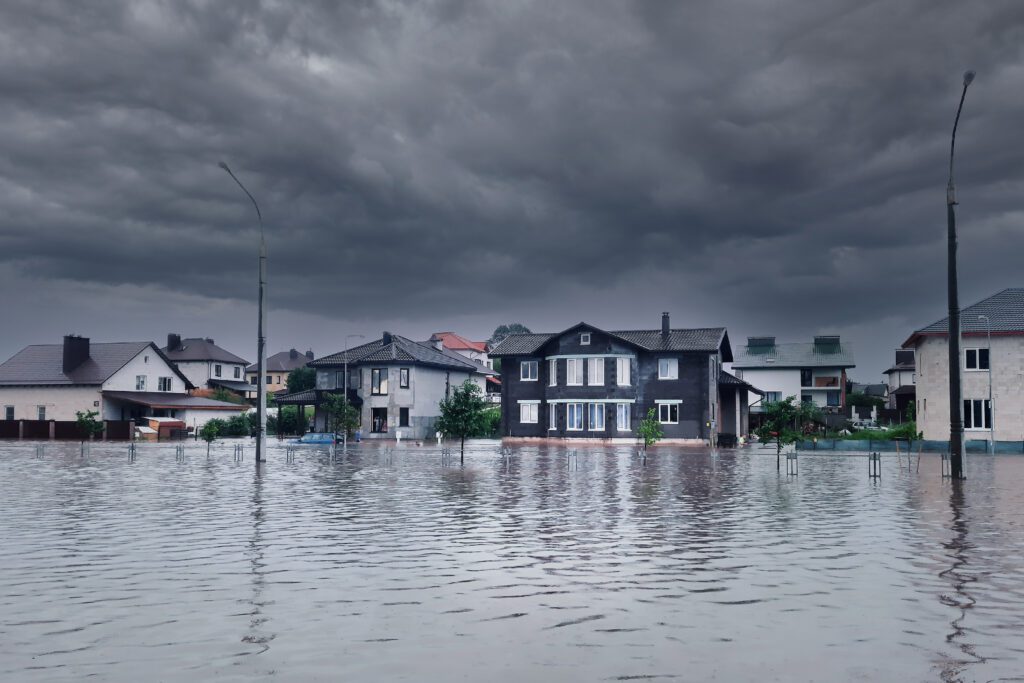
Flooding due to heavy rain, storms, and hurricanes has been more frequent and severe in the last few years. More communities in New York suffer devastating results due to global warming, high urban populations, and old drainage systems. Hurricanes often cause severe damage. While they are out of our control, it helps to prepare for such occurrences to protect your loved ones and valuable assets such as your home. Waiting until a hurricane warning or watch gets announced could give you limited time to implement some precautions. It’s easier to prevent water damage and overcome any emergency with prior preparation. So, what does preparing your home for a hurricane or storm involve? Read on for some insightful tips to help you brave the next hurricane season. Preparing Your Home for a Hurricane or Storm Hurricanes become increasingly dangerous due to the high wind speeds and intense rainfall. It’s essential to keep these two aspects in mind when preparing your home. There are various ways to ensure your home withstands the next storm or hurricane, such as: 1. Leak-Proofing Your Roof Minor leaks may not be concerning in typical weather. However, they can become catastrophic in a storm or hurricane due to the massive amounts of rainwater. Roofs often have no defense against high-velocity rain and harsh winds. Most homeowners notice some leaks or missing decking and shingles after a hurricane. The leaks can also lead to your roof sagging in some areas, which can cause the roof to collapse. Before hurricane season starts, it’s essential to have professionals conduct a roof inspection. You can use roof sealant to patch up any gaps that could leak. If your roof has shingles, have the experts inspect to ensure they are in good condition and replace any broken or missing pieces. Using hurricane straps or truss tie-downs, you can reinforce your roof against strong winds. 2. Cleaning Your Gutters The condition of your gutters is also vital in a storm or hurricane. Clogged drains may cause worse water damage than having no gutters during heavy rainfall. Gutters need to remain clean and well-maintained to function effectively. With the anticipated high amounts of water, your gutters will help direct the excess water away from your foundation. There’s always a risk of an accident when climbing on your roof. Hiring trained professionals to inspect, clean, and repair gutters is best before the next hurricane. 3. Protecting Your Doors and Windows Windows and doors have a higher risk of damage due to high-velocity winds. The wind often carries objects such as branches and patio furniture that could potentially fit through. The best way to minimize the risk of hurricane damage to windows and doors is to install storm shutters before the storm season. If you’re working with a limited budget, you can nail plywood sheets over the openings to help fortify the weak points. The plywood thickness should be about ⅝-inch (172.72 cm). If the material surrounding your doors and windows is vinyl or wood, ensure you measure the plywood to have a one-inch allowance on all sides. This allows you to drill holes into the plywood without damaging the frames. You can use a drill to drive screws into the plywood at intervals of 16 inches (40.64 cm). If you have a stucco or brick home, it’s best to position the plywood to fit the frame rather than nailing it on top. Avoid using screws and use barrel bolts instead. 4. Preparing for Power Blackouts Hurricanes cause blackouts by corroding electrical wires, flooding buildings, or knocking down power lines. You can prepare for a power outage by buying a portable generator to power your home. However, generators require precautions because they run on fuel like propane. For instance, placing it near your house can cause toxic levels of carbon dioxide inside your home. 5. Stocking Up on Supplies Hurricanes can damage infrastructure, making it challenging to reach food and drinks outside your home. § Ensure an Adequate Fresh Water Supply Floods can contaminate or cut off regular tap water. The water may be available but unsafe to use due to drainage issues. It’s best to pre-stock bottled water ahead of the hurricane season. Hurricane preparation guidelines recommend ensuring a three-day water supply for every person in your home. This is equivalent to one gallon a day for every person. The FDA proposes stocking a two-week supply for more flexibility if you have the space and resources. § Buy Non-perishable Foods Non-perishable foods are the best for hurricane or storm preparation because they don’t need refrigeration. Ensure you have various canned, tinned foods, eggs, noodles, and dry cereals. It’s also essential to consider how to cook your meals without electricity or gas. Ensure you plan for whole meals that don’t require cooking. You can also buy a portable or camping stove to cook the canned meals. They can function without electricity, but watch out for carbon dioxide poisoning when cooking indoors. 6. Having an Emergency Kit The effects of a storm or hurricane linger long after it clears. Every case is different, so estimating how long repairs will take isn’t easy. Water and electricity outages can take days, if not weeks, to address. An emergency kit helps to prepare your family for extended periods without running water and electricity. An emergency kit should have: A fire extinguisher A lighter or matches in a waterproof bag A charged cell phone and extra battery Non-perishable foods and water A radio Some cash in case banks and ATMs are offline Mosquito repellent Prescription medications Pet medication and food First aid items, like antibiotic ointments, bandages, and pain killers Flashlights and spare batteries Essential documents in a waterproof bag Extra gasoline if your generator uses gas Full gas tank in your car in case of blackouts at local gas stations Pliers or wrench to turn off utilities, like your gas line 7. Reviewing Your Insurance Policy New York is prone to flooding, so flood insurance is smart. It’s essential to go through
The Importance of Damage Restoration Services
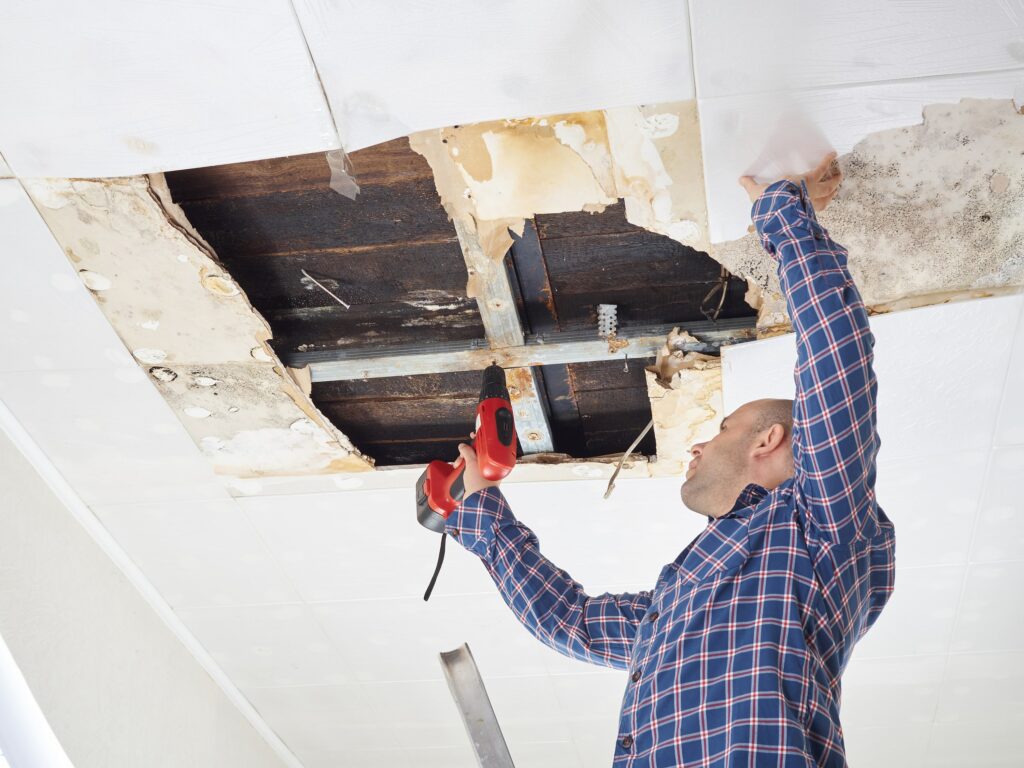
According to the Insurance Information Institute, the most common causes of property damage are water damage and freezing, followed by fire, lightning, wind, and hail. One thing is certain: no matter the reason, property damage is every homeowner’s nightmare. Even with good insurance, you still have to get past the physical, emotional, and financial losses and restore your home. Your best bet is finding a local restoration contractor who knows exactly what you need to get you back in shape. Here are nine reasons why you should get a professional damage restoration service. 1. Avoid Long Term Water and Fire Damage Effects Think of your property like a sponge: it can take weeks to completely dry out if your pipes burst or a storm sweeps through. Porous materials swell with moisture; wood splits, board sag, and mold kick in. Even when surfaces look and feel dry, the dampness may still linger. Fire damage has even more harmful effects. The airborne soot can remain in the air and cause respiratory problems. Fires often trigger water damage from the fire fighting efforts. A professional restoration contractor can only diagnose the hidden effects of damage. 2. Property Damage Inspection Is Highly Specialized An ordinary construction crew simply doesn’t have the technical expertise to inspect your property after fire and water damage. A restoration contractor looks at the finest details, from your floorboards to your insulation and utility installations. Virtually every part of your property feels the effect of water and fire damage in one way or another. If you overlook anything, it could lead to unprecedented costs to your health and savings. 3. Rescue Your Precious Possessions A restoration contractor recovers as much of your items as possible then checks them for damage like contamination, rust, burns, breakage, and tearing. This is very helpful for important things that you can’t let go of easily, like priceless family heirlooms, electronics, and documents. 4. Stress-Free Insurance Handling Many homeowners discover the complications of insurance claims when it’s far too late. Most property insurance companies offer policies with conditions like time limits, preventable damage, and maximum settlement amounts. Your claim can fail to pass simply because you missed a requirement when filing your paperwork. Let a restoration contractor handle your insurance claim on your behalf. The contractor can help you get the best possible settlement to cover your restoration project with the complete inspection and restoration estimate. 5. The Right Tools for the Job When a restoration contractor arrives on your property, you’ll immediately see the difference just from their equipment. Structural damage is notoriously difficult to assess after a fire or flood. Restoration inspection needs specialist gear to detect leaks, check air quality and monitor electrical wiring. The right restoration contractor has the tools to see well past the visible damage to your property. 6. Know What to Keep and What to Lose Part of your property restoration involves disposing of damaged items to make room for the new. But unless you want a complete restoration after water damage, there are always opportunities to rescue and repair some of your possessions to save on costs. A restoration contractor knows the difference between what to keep and discard. For example, you may scrap water-damaged furniture when it can get a new look after getting disinfected, deep cleaned, and restored. Or you may hang onto books, toys, or clothing for sentimental reasons, but you end up discarding them because of contamination and mold. 7. Unmatched Cost Savings Damage restoration is expensive, with the national average at $2400 for water damage. Depending on the extent of the damage, a repair can cost even double this amount. It’s easy to get overwhelmed once you see what a flood or fire has done to your precious home, plus the unexpected financial burden that comes with it. Bring in a restoration contractor to give you an objective perspective. You’ll be surprised that you can restore your home at much less than you expected. Your restoration contractor has your best interests at heart. Believe it or not, your restoration budget can even get you a beautiful, high-end design beyond your imagination. 8. Peace of Mind A restoration contractor knows precisely how to handle your property, so you can rest easy and let them do all the work. You should focus on getting back to normal after the water or fire damage, not pulling up carpets, and disinfecting your property. Understand that the longer you take to restore your property, the more extensive the unseen damage and the more expensive it will be. Get a restoration contractor as soon as possible, and you’ll be back in a safe, upgraded home with minimal stress. 9. Complete design control Would you like your restored home to be just like before the water or fire damage, or do you want a clean start with a brand new look? A restoration contractor is an expert at working with what you’ve got. All it takes is accurate measurements and reference images to design your restored home. If you’d like a new upgraded space, your contractor can revise and redesign your property to a modern luxury home. Once you’re set on the design, the restoration contractor gets right to work on your water-damaged home. 3 Steps to Complete Property Restoration with NYTDR No matter the size of your property, or the extent of damage, NYTDR is the team you need on your project. We specialize in water damage restoration, and our process is as easy as 1-2-3. Insurance management: NYTDR works with your property insurance provider for the best settlement terms at no cost to you. Planning and design: Our team of designers can make your space look as good as new. Construction management: Our construction specialists handle your home restoration from start to end. With NYTDR, all you need to do is find a temporary place to stay and we’ll handle everything else and update you at every step. You’ll come home to a clean, safe, beautiful
Help Get Insurance to Pay for Water Damage
Water damage can be one of the most costly types of damage to repair and replace. Rain, floods, and leaks are unavoidable. When an insurance company receives a water damage claim, they will decide whether or not to pay for the claims based on several factors. If the worst happens, you will have to file for an insurance claim to restore the damage caused by water. Doing regular home maintenance and ensuring that your water system runs smoothly will increase your chances of a payout. The steps of getting the entire insurance claim for water damage in New York City’s apartments include: Step 1 Determine the cause of your water damage and check your homeowner’s insurance policy to see if the insurance company covers the water damage. Insurance Covered Damages You can expect your home insurance to cover sudden or accidental water damage, but not damage caused by neglect or lack of home maintenance. Water damages covered by home insurance include those caused by natural disasters like earthquakes, storms, and hurricanes. You can also claim your homeowner’s policy if there are sudden damages like cracked pipes, a burst in the main water supply, or broken water appliances. Remember, your insurance company might only cover the damage caused by the breaks and not the actual appliances or pipes. Uncovered Damages Individual policies vary on the types of water damages not covered in them. However, the general damages in this category include gradual damage, floods, mold, and damage caused by neglect. In most cases, homeowners need to purchase separate flood insurance because of the extensive damage caused by floods. You can prevent gradual damage and damages caused by neglect. Both damages occur over a long time, giving you time to stop their effect. For example, you can inspect your plumbing system regularly and ensure that it is well-maintained. Sometimes, your water damage might not be a gradual or neglect problem but a mold problem. There are several mold warning signs that you can look out for, including: • You can watch out for mold odor. Most molds produce a persistent musty smell that is not easy to miss • There can also be visible signs of mold growth in your home. Molds come in all colors, so any change you see on your walls or damp places is a warning sign. Ensure you fix all your water leaks to avoid breeding grounds for molds • If you observe water stains or discoloration on your walls, floor, or ceilings, the chances are there is a mold in your home. You should also look out for bubbling, cracking, or peeling paint and wallpapers • Molds may also grow in the aftermath of a flood • Report the claim if the policy covers the damage Step 2 Hire a restoration service to clean up the water and moisture professionally. Determine if you need to leave your home. If the damage is severe, leave your home and allow the restoration to continue. Water damages present the risk of electrocution and unhealthy living conditions inside your home. Step 3 Take photos of the damage and things that you need to replace. Your home restoration team might take these pictures, but it is necessary to have your images. Step 4 Meet with your insurance adjuster, who will evaluate the water damage. The adjuster’s work is to determine the cause of the damage and repair cost. Step 5 Find a contractor to repair the damage once your insurance company processes your claim. In some cases, the company may have its preferred contractors. What can New York Total Damage Restoration (NYTDR) do for you? NYTDR is a restoration company that works directly with your insurance company to repair water damage on your property. It does not matter if the damage is in your kitchen, bathroom, or the whole house. The company will help you get the insurance claim and plan and design your restoration. Licensed repair restoration experts, designers, and construction specialists will remediate and restore your property from start to finish. All you need to do is initiate a free consultation!
Expert Tips to Prevent Home Foundation Issues
Buying a home is one of the most exciting and most expensive investments you’ll ever make. That’s why it pays to take care of it. Knowing how to identify the early signs of structural issues with your foundation has the potential to extend the life of your home and save you thousands in repairs. Not to mention a whole lot of headache. And while you might think your home’s foundation is in tip-top shape it’s never a bad idea to take a second look. That’s why we reached out to the experts in foundation repair and restoration from Manhattan to Portland in an effort to provide you with a few tips to help identify your home’s foundation problems. So sit back and learn how simple it can be to protect one of your most valuable investments. Key indicators of foundation issues Recognizing possible residential foundation issues is rather simple. Some of the easiest things to look for are cracked drywall, unlevel floors, doors that stick or stay open, or stair-step cracks in the brick. Maintaining proper drainage around your home and having a yearly plumbing test are things every homeowner can do to prevent issues. – Foamworx Keep soil moisture consistent Keeping moisture content relatively consistent around your home is key to avoid significant movement of your foundation when seasonal changes occur. That means watering your yard adequately when the weather is hot and dry and making sure water drains properly when wet weather persists. – Structured Foundation Repairs Houston Don’t underestimate the power of water Seldom am I called to a property with both foundation problems and proper grading/guttering. Water is the culprit of almost all foundation problems: more than just causing a wet basement or crawlspace, constant changes in soil moisture can cause heaving and settling of your foundation, chemical degradation of the foundation itself, mold, cracks, tilting foundation walls, the list goes on! As a homeowner, the best thing you can do to ensure the structural health of your home is to make sure the soil around your home slopes away, ideally dropping one foot in the first ten feet, eliminating all landscape watering near the home, and making sure the gutters and downspouts effectively move water away from the home. – Van Matre Construction We have had a few foundation-related projects come our way and the most recent was the worst we have seen. A beach house, on the ocean, had part of its foundation collapse due to erosion. Water had slowly removed the sand from around and under the foundation, hidden from sight from a wooden retaining wall. The foundation gave way, crumbling, leaving behind a compromised home. Water is a major factor in a lot of foundation issues. You want to keep water away from your home the best you can. Proper rainwater drainage will keep water away from the house and foundation. Water can get into any existing cracks and if in freezing climates, freeze and cause the crack to grow. We always suggest regular inspections of your home and foundation by a local, trusted professional. – Hussey & Sons High water tables and / or poor drainage can lead to water collecting under a home during the winter months, oftentimes without the homeowner even knowing it. This water pooling can cause water vapor damage to the subfloor and other components of the crawl space, and if the water rises and collects high enough, can cause water damage to the pillars that hold up the foundation causing decay and damage to the structural integrity of the foundation. Dry rot and mold can follow with these repeated cycles and long term pooling. Regular inspection of the crawl space during heavy rainy months can help you identify If you have issues with drainage that need to be tended to. This inspection can be as simple as just opening your access and looking into the crawl space. Do you see water on the dirt? Does it smell wet and musty? These are easy to identify markers that can tell if you need to get more investigative and call the professionals to address the problem before it leads to mold and dry rot. – Servpro of Antioch Pinpoint the location of water leaking into the basement Identifying the exact location of water leaking into your poured concrete foundation keeps your repair costs down and allows a pro to determine the perfect solution to your problem. First, inspect the walls in the area you believe water is coming in for white chalky substance (efflorescence) and foundation flaws like wall cracks, exposed tie rods, gaps at the floor-wall seam, or around pipe penetrations. Once you have isolated the suspected area, get a garden hose, and run water on the exterior in that area for 30min on and 10min off – repeat until water comes into the basement. Now you have all the information to call a pro to find out what options you have for repairs with a warranty. – A-1 Foundation Crack Repair Proper drainage is key Special care should be taken to address the drainage issues along the exterior of the home that does not have hardscape (such as the areas with pavers). New concrete slabs should be installed within 5ft of the structure around the entire structure’s perimeter. The new concrete slab to house interface should be properly sealed to prevent water seeping through. New slabs should be sloped away from the structure at 3/8 inch per 12 inches. Linear trench drains and drain lines should be installed at the new slab to soil interface to move collected water off the new slab into the drain. A licensed landscape contractor or licensed landscape architect may be consulted for final design recommendations. Additional roof gutter installation, roof gutter assessment/maintenance, and downspout subterranean drain lines assessment/maintenance, around the perimeter are necessary to avoid large sheet flow water off the roof in proximity to the foundation. Surface topography should be re-graded so as to ensure surface runoff
Should carpet be replaced after water damage?
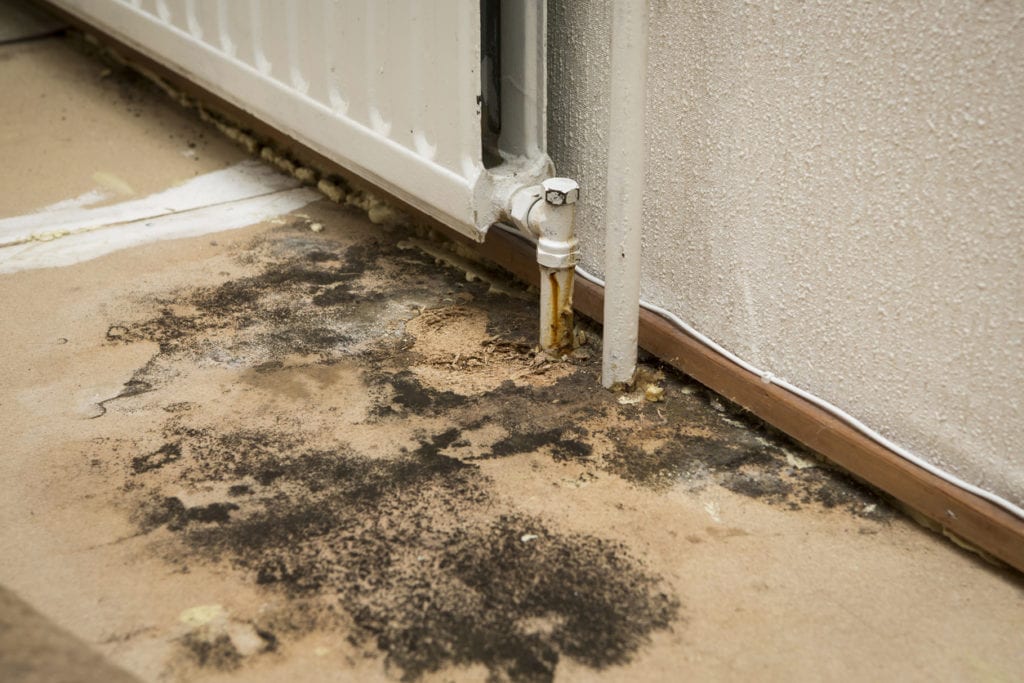
Flooding, leaks and underfloor burst pipes are some of the ways your carpet may get wet. Water damage is a serious issue that many New York residents deal with. It may be due to old infrastructure and pipes, a result of living in apartment buildings and suffering from a neighbors damage, storms and other weather related issues or simply bad luck but when disaster strikes most people are unprepared. While it’s clear that water extraction must take place if your space is flooded, and all dampness needs to be dried out, what can and can’t be salvaged and the potential unseen dangers are murky. Replacing carpets can be a costly expense and clients often ask whether it is really important to strip the carpet if there is a leak or dampness. Understanding what lies under the carpet, the health and safety hazards involved in mold growth from water damage and the potential increase of damage to your property are factors you will want to weigh in when deciding whether or not to replace water damaged carpet. Is Water Damage Visible? While you may think this is a funny question to ask, the truth is that the majority of the real damage that water and moisture cause is not easily seen. Of course, damaged books, toys, mattresses and even furniture are clearly visible following flooding but the damage that water seeping into flooring, carpets and walls does is usually more harmful to your health and safety. Water travels via the easiest route – often this means it can travel far and build up and cause damage far from the original source. A leak in a bath upstairs can result in water damage in the floor, ceiling but also potentially in a different part of the house depending on the easiest route the water finds, so ensuring you actually find both the source and all the damage caused is important. What are Water Damage Health and Safety Hazards to be concerned about? Beyond the damage to your home which is usually fixable albeit at a price, water damage and mold can affect one’s health permanently. For those already suffering from asthma and other breathing issues, mold and dampness can exaggerate the existing condition, increase wheezing, attacks and general overall health. For others who may never have suffered from asthma, COPD or other respiratory illnesses, prolonged exposure to mold and breathing it in can cause them to develop temporary or permanent issues. Other related health issues including rashes and skin conditions can also be caused by mold. If water is actually left sitting, mosquitoes and other flies and bugs are likely to be attracted and be an additional nuisance and possible health hazard. Carpet Water Damage Water damage carpet cleaning Mold in carpet from water damage It doesn’t take more than a little moisture, warmth and dark space to breed mold quickly, carpet is an ideal home for mold to grow. Homeowners who experience even a small amount of water seeping into their homes either from flooding or a broken pipe should be concerned about mold especially when that moisture gets trapped under an insulted material such as carpet. How to treat water damaged carpet The faster you start cleaning up after water damage, the more likely you are to stop mold from growing under your carpet. Calling in mold remediation experts or water damage specialists is usually recommended to ensure the dampness is fully dried out and any damage that has taken place is dealt with before it spreads. If you are attempting to treat the water damaged carpet yourself Extract all water possible. Get hold of water extraction machine to remove as much of the water as possible. Ventilate the room. Open all windows to distribute fresh air and speed drying. Use floor flans to increase circulations and dehumidifiers to remove moisture from the air and carpet. Treat the smell. Carpet smells after water damage, use vinegar or baking soda to remove the odor and freshen up the carpet. How to get rid of carpet odor from water damage Once you have dried out the carpet, use a combination of one cup vinegar to two cups warm water and gently spray the areas that smell. Be sure not to over spray and create new moisture! Sprinkling baking soda once the carpet is dry and then vacuuming or using a carpet spray freshener can also help to eliminate the moist carpet smell coming from the carpet fibers. While all carpet smells following water damage and dampness, lingering water damage smells could indicate the continued growth of mold or mildew, which thrives in damp conditions. If you the carpet odor continues after you have dried and treated the carpet, don’t wait for mold to appear or for your family to start wheezing, call in a mold remediation specialist immediately. Water Damage Restoration Insurance You may be surprised to discover what is or is not covered by your home insurance following water damage. Certain types of water damage are covered, and ensuring you get the maximum coverage from your water damage restoration insurance is usually dependent on having someone professional asses the complete damage and help with submitting the claim. Because damage may be hidden or not visible, an expert will be able to detail the visible and hidden damages which need to be repaired, restored or replaced.
Why you need an Experienced Restoration Contractor to Restore and Remodel Your Home

In 2019, there are more homes under insurance covers, compared to three decades ago. It is however interesting to note that in case of property damage, very few homeowners understand the right procedure to claim compensation. The following is a comprehensive guide on approaching home owner insurance claim, working with contractors and other factors you should know in the restoration process. What should you look for in a restoration contractor? Although most homeowners hire contractors based on their availability and locality, it is advisable to have a specific checklist on what you expect. Some of the factors you should look in a restoration contractor include the following. Any contractor should have a practicing license Working with a licensed professional is ideal because of the following factors. First, insurance companies can only work with contractors that have the right documentation to work in the world of renovations. Pundits point out that if the contractor is unlicensed; it is hard for the insurance company to pay for the renovations. Therefore, as a homeowner, asking for practicing license should be the first thing in the hiring process. Check the contractor’s credentials Even though all professionals in the renovation world have the potential to restore your home after property damage, different contractors have a different experience. The more experienced the restoration contractors, the better. In order to verify whether the contractor has the right credentials or not, you should do background checks on different platforms. Job boards, for example, offer some of the best insights on individual contractors. On the other hand, you should review their websites and verify whether the reviews are organic or not. The ideal relationship between homeowners and restoration contractors The nature of your relationship with the contractor determines the restoration speed. In some cases, how you related to the contractor can affect the cost of the whole restoration process. Therefore, redefining the relationship with the contractor is critical for a successful process. Some of the factors you should consider when relating to a contractor include the following. All the suggestions by the contractor should get approval from the insurer. Creating a proper communication channel between the two parties is ideal because of the following two reasons. First, informing the insurance company on the restoration process gives them ample time to calculate the claim and prepare for payments. In case the cost of restoration goes beyond the insured amount, the insurance company communicates — through writing — the amount they are obligated to pay as a homeowner. Second, it is a regulation in the world of insurance to inform the insurer on the restoration process. According to insurance pundits, creating a good communication channel between the two parties eliminates administrative errors in the compensation process — and future surprises of unpaid claims. Also, most insurance covers have clauses that require the homeowner to inform the insurer on the renovation process. Insist on written agreement with contractors Written agreements are not only part of the insurance requirements, but they also protect your interests as a homeowner. Therefore, any agreement between you and the contractor should be in writing. Putting all the agreements on writing also creates a good rapport between you — as a homeowner — and other parties in the restoration process. Is there a difference between restoration and general contractors? Not all contractors have the same abilities in restoring your home to its initial status. Although general contractors are relatively inexpensive, they might fail to meet the following threshold. Restoration projects are technical, and therefore, a contractor must have the right set of equipment. Working with a general contractor is, therefore, not advisable. Second, working with a specialized contractor is also ideal because of experience. Experience differentiates a restoration contractor from a mainstream contractor. The homeowner gets the value for money in the following way. In less than an hour, a restoration contractor can estimate the repair time, and in some cases, they can estimate the value of restoration. Thirdly, with the Institute of Inspection Cleaning and Restoration Certification, the homeowner is certain that the process is within the stipulated guidelines. The certification also gives the contractor the power to negotiate the deals on your behalf with the insurance company. What is the right procedure for filling a home owner’s insurance claim? In case of property damage from water, mold, fire or asbestos, you should follow these three steps. Make a formal notification to the insurance company: Making an official notification to the insurance company is the first and the most important step in the claim process. Different companies have different time requirements for making the notification. However, the universal rule dictates that you should make the notification as soon as possible. There are consequences of failing to make formal communication to the insurance company. In some cases, the insurance company may fail to honor the claim because of late communication. In 2019, making a formal notification is easy. Depending on where you are as a homeowner, you can report through a call or using an online platform. During the notification process, being specific in terms of details is critical. The wrong information is not only a ground for claim dismissal, but the insurance company can sue you as a homeowner. Secure your home from further damages: After making a formal communication to the insurance company, the next important step in securing your property from further damages such as water mitigation. The homeowner has a set of responsibilities such as saving lives within the property and more importantly, ensuring that there are no more damages. In some cases, you have an obligation as a homeowner to contact the government agencies in charge of your community. Firefighters, for example, can assist you in preventing more fire or smoke damages and therefore shortening the claim process. In case there were people within the property, calling for an ambulance is vital. During this process, ensure you keep the communication records with authorized professionals — for future proof that the damages on the
Tips to Prevent Water & Fire Damage and other Home Disasters this Holiday
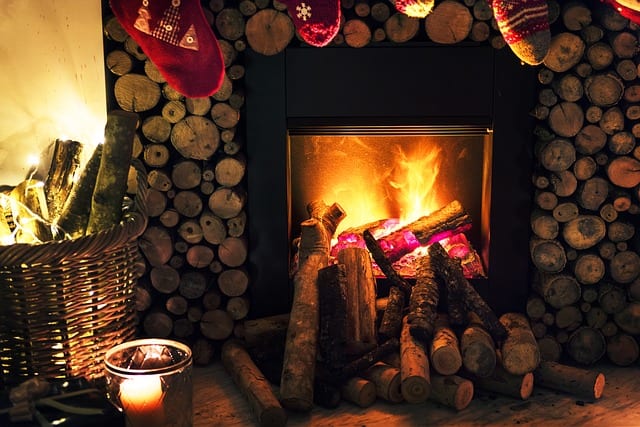
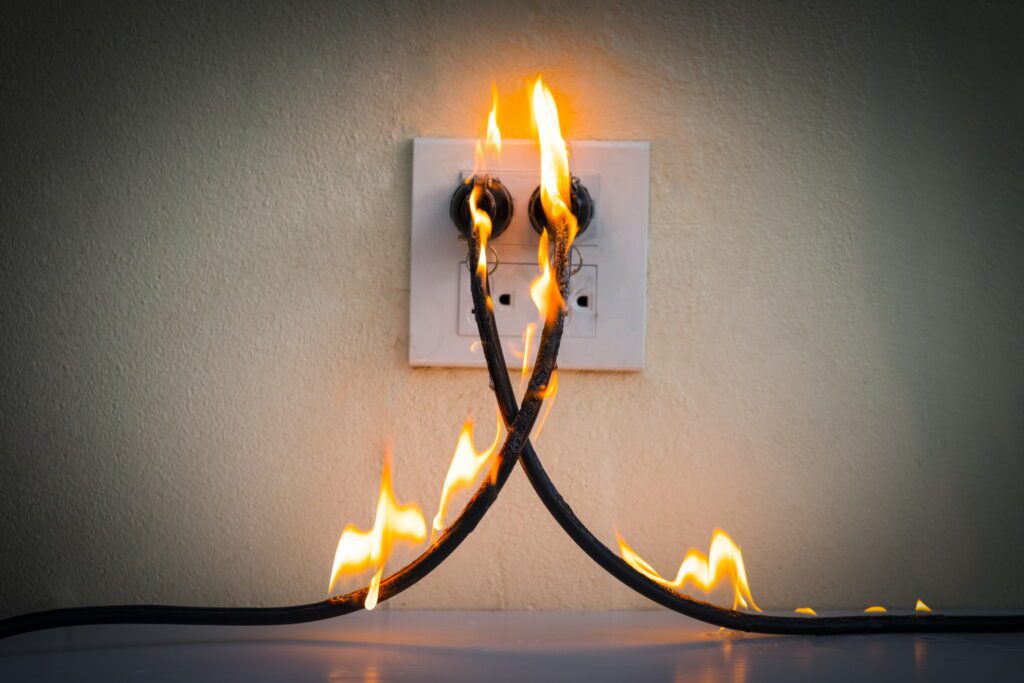
The winter holidays are supposed to be joyful and packed with friends, family, and delightful festivities. Yet the unfortunate side effects of so much decorating, cooking, and celebrating often lead to possibly serious dangers in your house or apartment. The way to avoid a tragic conclusion to your festive season is to be aware of and prepared for the various risks that the holidays and winter season inevitably increase. In this article we look at the best ways to avoid fire, water, and other domicile disasters over the holidays. The Dangers Involved in Living in New York City Are Real You should not ignore the fact that more than 28,000 individuals living in the average square mile of New York City means there are real dangers to your health you need to consider. For all the thrill and opportunities that living in the city provides, it also dishes up an unhealthy serving of congestion, pollution, and the ill side effects of so many tall buildings and skyscrapers. The largest city in the United States is justly famous for a wide range of things. Clean, healthy air to breathe is not among them. You do not have to look far to see smoke plumes curling from neighboring rooftops or to smell the fumes from too many cars and trucks exhausting in one city. Observers have pointed out for years that this high level of air pollution means significant health risks for inhabitants. It leads to a variety of ills over time such as lung cancer, heart disease, and asthma. NYC has estimated that as many as 2,700 yearly premature deaths can be blamed on fine particles in the air. To put this into perspective, this is eight times higher than all of the annual murders in New York for year 2013. Besides your everyday varieties of pollution, congestion, skyscraper fires, and crime dangers, you also have a lingering chance of having your children suffer from lead poisoning effects. Whether you live in an affluent or a more humble section of the city, thousands of children per year are still diagnosed with the heartrending and long-lasting terrible side effects from ingesting or breathing in lead-based paint particles and dust. These include often permanent brain damage, problems with fine motor skills, speech difficulties, and more. The best remedy for this particular threat is to have your apartment or house tested for lead based paint. It becomes dangerous if it is peeling and you have children of six years of age and younger living there. Typical Home Disasters that Are Far Too Prevalent During the Holiday Season Besides the normal year-round dangers of life in the city, there are also a range of home disasters that are most prevalent in the usually joyous holiday season. Two of the most common of these are fire and water damage, but there are others including ensuing mold, carbon monoxide poisoning, and even increased chances of becoming a victim of burglary. The National Fire Protection Association warns that structure fires caused an incredible $10.3 billion worth of property damage in year 2015 alone. The risks of such a fire breaking out around the holidays and winter season are significantly higher than other times in the year. Fires start from many causes that are not always so obvious. An average of 8,200 different home fires are reported because of candles (every year on average from 2012 to 2016). The three most likely days to suffer from a candle fire turn out to be Christmas, New Year’s Eve, and New Year’s day too. Cooking fires are another common cause of preventable tragedies. The second and third most frequently reported cooking fire days in a year are Christmas day and Christmas Eve. The specific cause of such senseless and often dangerous or even lethal fires is unattended cooking. Another fire hazard to be particularly aware of around the holidays and winter months when they are most common are dryer fires. You should never leave your dryer running while you are away from the house or at night while sleeping. Water disasters, damage, and resulting mold are a second significant risk around the holidays and winter months. Frozen pipes are the prime culprit. They lead to burst pipes that can create enormous damage and completely ruin your holidays. Apart from potentially having no water at this time when cooking, washing, and other needs are so necessary, there are other potentially terrible results including the formation of sometimes hidden (but usually) toxic mold. Frozen pipes can be prevented in many cases. They most commonly result from thermostats that you set too low, poor insulation of your piping, and sudden or rapid temperature drops. Two other dangers to be on the lookout for this winter and around the festive season include carbon monoxide poisoning and burglaries. With heat and furnaces running constantly this time of year, there is always an increased danger of lethal amounts of carbon monoxide building up inside your home or apartment. You can buy carbon monoxide monitors to place in your bedrooms to prevent this senseless tragedy that leads to death in far too many cases. Where burglaries are concerned, the holidays unfortunately bring an increased number of incidents of break-ins and robberies. This is particularly the case in large cities with significant crime issues. Now is the time to ensure that you lock doors and windows securely and set your alarm systems whenever you go out. Tips to Prevent Becoming A Senseless Victim This Holiday Season Fire and water-related disasters are dangers that you can mostly prevent if you take some basic precautions. With fires, there are many prevention tips that make great sense. Start with a basic one of only plugging in a single high watt appliance at once. This prevents dangerous overloading. You should never allow extension cords to become pinched in tight areas such as between furniture so that wires do not suffer damage and become shock and fire hazards. Flammable objects should not be
What will it cost? Top 6 Questions to ask before a home damage restoration

Accidents can and do happen. You’ve just purchased the apartment of your dreams in New York’s historic yet on-trend Carnegie Hill neighborhood. After five paychecks’ worth of savings, your furniture and fixtures are ready to be put on display. Let the dinner parties begin, right? Now, imagine that one of your apartment’s old pipes burst while you were visiting your best friend in Boston for the weekend. Rather than getting ready to host your first dinner party, you’re now absorbed with cleaning up water damage in your apartment. This tale of woe can have a happier ending with the right insurance. Let’s explore the insurance products that cover home damage from water, mold, smoke, and asbestos. Water and Mold Damage Recovery Insurance In the above scenario, the plumbing problem was caused by gradual damage to the pipes that was a result of long-term corrosion. Depending on your insurance company and the policy that you carry, your standard homeowner’s insurance policy may not cover this accident. Many insurance policies cover sudden damage to pipes but not gradual damage to them. Here are five key questions that you need to ask your insurance company about water damage. What is gradual damage? Is there an insurance addendum that I can get to cover gradual damage? What is the procedure for filing a water damage claim? Does my policy cover damage from mold? Does my policy cover the entire bill for mold remediation? Gradual damage, which is usually not covered under most standard insurance policies, is harm that happens slowly over a long period. Old, rusted pipes that burst will likely get categorized as gradual damage because the corrosion happened over many years. The homeowner had time to get the plumbing inspected and fixed before a costly accident happened. Mold that develops and spreads through your home over a long period due to a hidden pipe leak usually isn’t covered by your standard insurance policy. Many policies will, however, cover mold damage and pay for professional mold remediation if the mold is a result of sudden water damage. Mold remediation is expensive, and it’s common for standard policies to only pay a portion of the cost. Smoke Damage Insurance Policies While not all home insurance products are the same, most of them cover repair or replacement costs for household items that are damaged by smoke, soot, or ash. The problem gets a little complex if you have smoke damage that is caused by a fire at your neighbor’s house. Here are some actions to take if you have smoke damage. Review your insurance policy Take pictures of damaged items Hire a professional smoke damage restoration professional to clean Some insurance policies don’t cover smoke damage, and a review of your policy will unveil this gap in coverage. If your policy covers smoke damage, you’ll need proof of the damage to make your claim. It’s best not to rely on evaluations from claims adjusters. You need to document every item that has been damaged and do an assessment of each piece’s value. Cleaning up smoke and soot can be hazardous to your health if you don’t have the proper equipment or training. It’s best to hire a professional to restore your home and furnishings. Asbestos Insurance Coverage If your home was built before 1980, there’s a chance that it contains asbestos in its insulation, siding, and other building materials. This substance is a known carcinogen, and its tiny, sharp fibers cause severe lung damage when inhaled. Undisturbed asbestos in your home doesn’t pose a significant health risk. If you’re doing a remodeling project that will disturb the old asbestos, it’s best to have the asbestos removed by a professional. Here are some questions that you should ask your insurance company about coverage for asbestos removal. Does my standard policy cover asbestos removal? Does my standard policy cover asbestos removal? Is there extra insurance that I can get to cover asbestos liability? What’s covered under asbestos liability coverage? Most insurance companies will not cover asbestos removal from a home just because you want to do a safe home remodel. If your home is damaged by a covered item such as a storm and its asbestos is disturbed, then the insurance company would pay for asbestos removal services as part of the storm damage. While asbestos liability insurance is a popular solution in other countries, most U.S. insurance companies don’t offer this coverage. If a company writes an asbestos liability policy, it will likely cover asbestos-related medical expenses for these three groups: Property owners who live in a home that has asbestos Contractors who work on the home that has asbestos Asbestos abatement professionals who are hired to remove asbestos from the home Not sure whether and how much you will be covered? Call NYTDR today and let us help you navigate through your damage restoration.