Understanding the Insurance Claim Process: A Comprehensive Guide with NYTDR

Insurance coverage provides vital financial protection when unexpected events such as fire, water damage, or natural disasters occur. However, navigating the insurance claim process can be complex and overwhelming for policyholders. At New York Total Damage Restoration (NYTDR), we specialize in assisting homeowners with the insurance claim process and restoring their damaged homes to their previous or even better condition. In this comprehensive guide, we will walk you through the various steps involved in filing an insurance claim and working with NYTDR as your trusted contractor and advocate. Step 1: Reporting the Incident and Engaging NYTDR Promptly reporting the incident to your insurance company is crucial, and it’s equally important to contact NYTDR to begin the process of assistance. We will guide you through the initial stages of the claim process, help you gather essential information, and ensure accurate documentation of the damage. Step 2: Understanding Your Policy Understanding the details of your insurance policy is key to a smooth claims process. We will help you navigate policy language, coverage limits, deductibles, and exclusions, ensuring you understand the terms and conditions that affect your claim. Step 3: Collaborating with Your Insurance Adjuster While NYTDR is not an adjuster, we will collaborate with your insurance adjuster to assess the damage and determine the claim amount. Our team will be present during the inspection, providing insights into the extent of the damage and advocating for a fair assessment. Step 4: Documenting the Damage with NYTDR’s Expertise Comprehensive documentation is crucial for a successful claim. With our expertise, we will guide you in documenting the damage through photographs, videos, and written descriptions. Our meticulous approach ensures that no detail is overlooked, strengthening your claim. Step 5: Mitigating Further Damage and Preparing for Restoration Taking immediate steps to prevent further damage is essential. We will offer practical advice on mitigating damage and provide recommendations for temporary repairs or mitigation services. By acting swiftly, we safeguard your property and prepare for the restoration process. Step 6: Working with NYTDR – Your Trusted Restoration Contractors At NYTDR, we take pride in being your trusted restoration contractors throughout the claim process. Our team of skilled professionals is dedicated to restoring your home to its previous or improved condition. We will guide you through every aspect of the restoration journey, ensuring that your home is restored to its full glory. Step 7: Effective Communication and Advocacy Open and effective communication with both your insurance company and NYTDR is vital throughout the claims process. We will act as your advocate, facilitating communication and serving as a liaison between you and your insurance provider. Our goal is to ensure that your needs are effectively communicated and addressed. Step 8: Reviewing the Settlement Offer with NYTDR’s Guidance When your insurance company presents a settlement offer, we will guide you in evaluating it carefully. Our experienced team will provide insights and help you understand the offer, ensuring that you receive a fair and adequate settlement for your losses. We can also provide professional advice, if needed, to assist you in negotiating a better settlement. Step 9: Rebuilding and Restoration with NYTDR’s Expertise Once your claim is settled, the process of rebuilding and restoring your property begins. NYTDR’s team of experts will work diligently to restore your home to its previous or even better condition. We will oversee the reconstruction phase, coordinating with our skilled contractors to ensure a seamless restoration process. Your satisfaction and peace of mind are our top priorities. Conclusion: Navigating the insurance claim process can be overwhelming, but with NYTDR as your partner, you can have confidence and peace of mind. At NYTDR, we are committed to being your trusted partner and advocate throughout the insurance claim and restoration process. With our expertise as restoration contractors, we will guide you through each step, from reporting the incident to coordinating the restoration and ensuring a seamless experience. Our skilled team will work tirelessly to restore your home to its previous or improved condition, utilizing reputable contractors, providing accurate estimates, and overseeing the entire restoration process. We understand the complexities of insurance claims and will streamline interactions with your insurance provider, handling documentation and communication on your behalf. With NYTDR by your side, you can have peace of mind knowing that your home is in capable hands. We are dedicated to delivering outstanding results that exceed your expectations, providing regular updates and ensuring transparency throughout the restoration journey. Choose NYTDR for a seamless, stress-free, and successful insurance claim and restoration experience. Let us restore your damaged home to its full glory, allowing you to move forward with confidence and renewed comfort in your living space.
The First Steps After a Home Fire in NYC
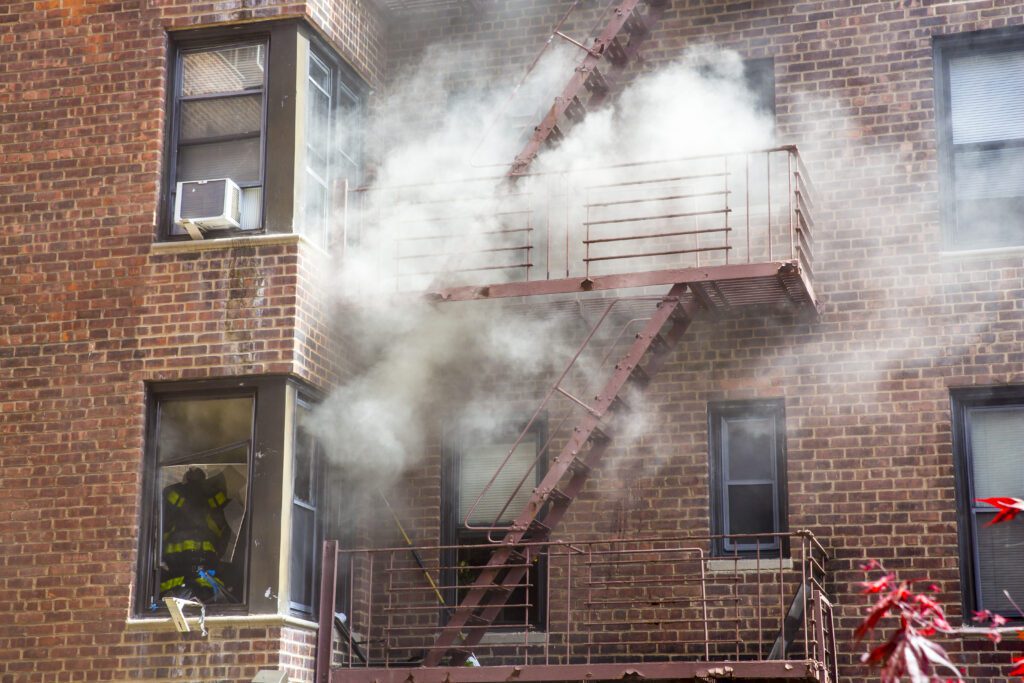
New York City is a fantastic place to live. Unfortunately, home fires are common, mainly when high temperatures cause vegetation to dry. Based on data from Red Cross, small house fires are the most prevalent disaster. The aftermath of a home fire is often devastating, damaging the house inside and out. Even if the fire doesn’t produce wild flames, the heat can affect glass windows, causing the paint to peel and blister while melting plastic components. If your home suffered a fire, you might feel overwhelmed and wonder where to start, which is perfectly normal. This guide aims to walk you through the first steps to give you the confidence to rebuild your life. What to Do After a House Fire § Ensure Your Loved Ones Are Safe In all the confusion, it’s easy to forget basic things such as checking in with your family to ensure everyone is okay. If several people were at home when the fire started, it could be a traumatizing experience for them, especially if some were children. Take time to reach out to your loved ones, even those not in the accident. If none of your family members is close, contact close friends so you have support as you plan for fire damage restoration. If your home is a rental, let the property owner or manager know immediately before you start the recovery process. § Figure Out House Fire Insurance After ensuring everyone is okay, the next step is contacting your homeowner’s insurance provider. Doing so allows you to start documenting the event for the insurance claim process. The insurance agent can help you find emergency accommodation where your policy will cover your living expenses. You can then contact experienced fire restoration professionals from NYTDR to handle the smoke, fire, and water damage. The experts will collaborate with your insurance provider so you can focus on getting your life back together. § Determine the Extent of the Fire Damage On average, the temperature in a house fire often reaches 100 degrees at ground level and about 600 degrees at eye level. Such intense heat is enough to compromise your home’s structural integrity. The best move is to consult NYTDR’s fire damage restoration experts to help you assess the extent of the damage and determine the best course of action. The experienced professionals will remove the unsalvageable items, clean up and repair the critical areas. They’ll also manage water mitigation to reduce water damage after firefighters extinguish the fire. § Determine Whether Your Home is Safe to Re-enter It’s best to avoid entering your house after a fire until the fire department gives you the go-ahead. Fires can re-ignite even when they seem extinguished, and your roof or floor can give out due to hidden damage. Inhaling soot and smoke for extended periods can also pose a health risk. § Organize Your Possessions If it’s safe to re-enter, start by retrieving valuable items such as documents like passports and certificates. Separate the damaged items so it’s easier to list the items your insurance provider should replace. Fire restoration experts can help you sort your belongings and salvage undamaged items. They’ll also assist with professional cleaning to remove all traces of soot and smoke. § Find Temporary Accommodation to Allow Restoration In most cases, the homeowner’s insurance policy covers shelter, clothing, and food for you and your loved ones for a particular period. If you don’t have insurance coverage, you can contact local disaster relief services like the American Red Cross, friends, relatives, or church to help you find suitable accommodations as the restoration process proceeds. You Are Not Alone; NYKB is Here to Help Dealing with the aftermath of a house fire can become challenging and overwhelming for everyone involved. The smoke, heat, and fire damages are often difficult to clean and restore. You likely also have to deal with water damage caused by the water used to extinguish the fire. NYTDR fire damage restoration experts have the right tools, training, and experience to handle such repairs. You don’t have to deal with your insurance provider alone; these professionals will manage the negotiations to ensure you get what you deserve. If your home suffered a fire, you can rest assured the experts will clean, repair and restore it to its former glory. In fact, it may be in a better state, thanks to the high-quality materials and fixtures NYTDR uses.
7 Mistakes to Avoid While Buying a Home Insurance Policy

You need reliable insurance coverage to safeguard your home if you own one. A home insurance policy aims to rebuild your home and replace your possessions in case of a significant loss. Whether acquiring a policy for a new home, renewing an existing one, or making a first-time purchase, it is crucial to consider your decision seriously. However, choosing a house insurance coverage can be challenging. There are many insurance companies and policies and endless details to consider. Before it’s time to make insurance claims, many homeowners are unaware of their home insurance specifics. When purchasing home insurance coverage, avoid making these seven expensive mistakes. 1. Underinsuring Your Home According to insurance experts, one of the biggest mistakes people make is failing to buy adequate insurance that will cover the expense of rebuilding their homes in the event of destruction. With the right insurance, paying a modest monthly premium is brilliant. But if you forgo coverage for a cheaper rate, you may pay for it later. Some homeowners buy the bare minimum of insurance, just enough to meet their mortgage needs. Such a move is a costly mistake should you ever file a claim. The expense of underinsurance may be far greater than your monthly premium savings. Some policyholders also insure an amount equal to their home’s market value. However, this amount might be significantly lower than the actual cost of reconstructing your home, including labor and supplies, which could increase considerably in the aftermath of a hurricane due to high demand and limited supply. Calculate the cost of rebuilding your home to avoid making this error. Check to see whether your coverage comes close to that sum. If it’s not, step up your premiums. Remember to factor in the price you’d incur to replace the unique elements of your home, like marble floors, when evaluating the cost of rebuilding. Further, ensure you have enough insurance to cover your valuables, such as jewelry, artwork, and antiques. 2. Assuming You Have One Flat Deductible A deductible is a payout you need to make before your insurance policy starts covering claims. Some policies contain percentage deductibles for specific perils, even though your insurance may have a flat rate deductible. Depending on what you indicated when purchasing the coverage, you might think your maximum out-of-pocket expense would be $600, $1,000, or something else. Wrong. The deductible is often a percentage of your policy in cases of named perils such as storms or other significant weather occurrences, such as earthquakes and windstorms. In the event of a flood, it may amount to 1 to 5% of your insured value, whereas in an earthquake, it could amount to 10 to 15% of the coverage. Therefore, if your home has coverage for $200,000 and you suffer flood-related damages, your claim could result in a $10,000 deductible. Consult your insurance agent regarding options with one flat rate deductible before picking a home insurance policy. However, this can be more expensive and difficult to find. 3. Not Including Flood Insurance Coverage When hurricanes, tropical storms, or torrential rains strike, flood insurance protects your home and possessions from floods and storm surges. Most homeowners’ insurance policies, however, exclude flood coverage. Unfortunately, many people are unaware of this fact. You can get flood insurance from the National Flood Insurance Program. Talk to your agent about every detail of the policy so you know the coverage provided and the other policies you can purchase to maximize your protection. Adding flood insurance to your home insurance policy would be worthwhile if you reside in a flood-prone area or low-lying terrain. Even a small amount of water can result in damage costing several thousand dollars. Additionally, homeowners may erroneously believe their policy covers; Earthquake Sewage backup Mold 4. Not Understanding Your Insurance Terms [https://pixabay.com/photos/mortgage-house-contract-sign-home-5266520/] Knowing the distinction between replacement costs and actual cash value could save you money if you ever need to file an insurance claim. When you file a claim, actual cash value pays out the value of your possessions at the time of the claim. This implies that reimbursement won’t cover the expense of replacing such items or the price you paid. If you select a coverage that pays replacement costs, you will have the money to replace lost items. Additionally, insurance firms have long since abandoned “all risk” policies, which were costly for residents of states with significant exposure. Although it does not act as a warranty plan, your homeowner’s insurance safeguards you in the case of a calamity. Spend some time learning and understanding the contents of your cover. 5. Failing to Bundle Your Policies One of the mistakes you can make when purchasing home insurance is not taking advantage of bundling policies. Your insurance agent can help you buy various insurance plans in one location. These may include your motor vehicle insurance plan, coverage for your most precious possessions, and home insurance. Your insurance provider may offer substantial discounts whenever you bundle multiple plans. You can also tailor your coverage to suit your lifestyle by adding other policies to your standard house insurance policy. By bundling your plans into a single multipolicy, you may save a significant amount of money on insurance over time. You may save up to 25% on your overall costs when purchasing many policies simultaneously. Over time, you will also save a ton of time because having your insurer handle all your needs in one place eliminates the need for many phone calls, discussions, and general back-and-forth with different insurance companies. 6. Settling for The Wrong Insurance Company Home insurance aims to provide protection should you lose your house. You may end up with the coverage you don’t need if you pick an insurance provider based solely on price or proximity to you. Before making a decision, do your homework on local insurance providers, meet with your agent, and ensure you fully understand the terms of your policy. You need to be sure that the insurance company you’re dealing with is reputable and has a
The Different Types of Mold
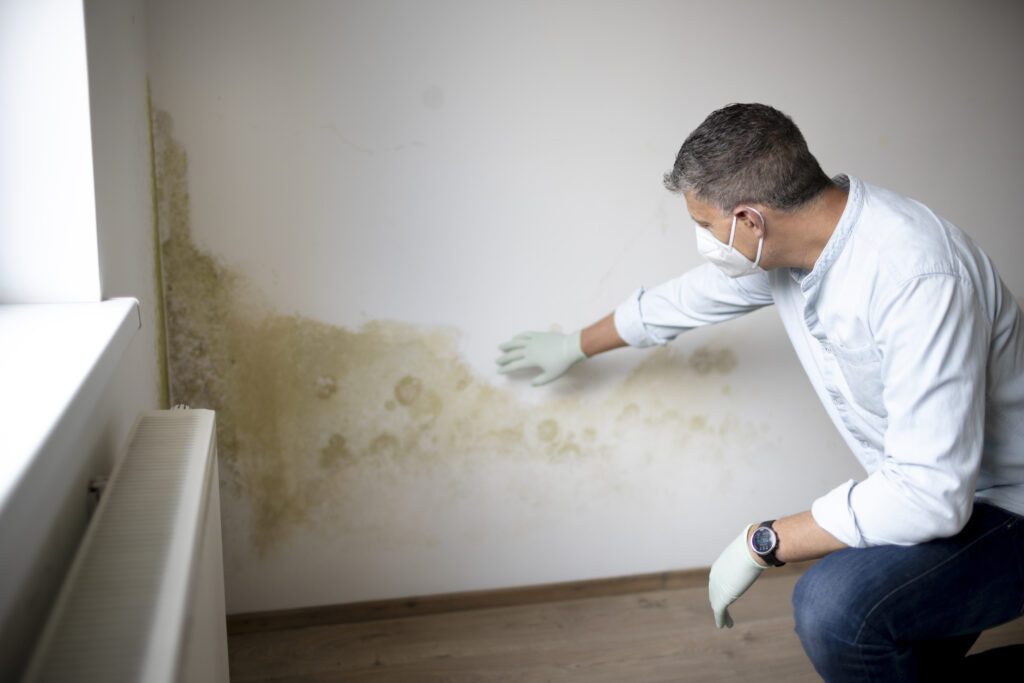
Mold is a common problem in NYC apartments due to the warm and humid climate. If left untreated, mold spores can cause health issues such as asthma, allergies, and other respiratory problems. It’s important to know what types of mold you may come across in your homes so you can take proactive steps toward prevention and mold removal when necessary. Each type has its own set of risks; some may be more dangerous than others depending on the individual case. Knowing how to recognize these molds will help you better protect your loved ones from potential health hazards caused by exposure. Let’s discuss the common types of molds and what to do if you find them in your apartment. 1. Acremonium Acremonium mold appears white to gray and grows on various surfaces, including wood, drywall, ceiling tiles, carpeting, and insulation. It is widespread in damp environments such as bathrooms and basements with high humidity or moisture levels. It can also spread through air conditioning ducts as spores when disturbed by movement within the home. Exposure can cause health issues such as respiratory problems, skin irritation, eye irritation, and even gastrointestinal upset. Long-term exposure to this mold can also trigger more severe conditions like cancer. The best way to treat an infestation of Acremonium mold is through professional mold remediation rather than DIY methods. NYTDR Professionals will inspect your home for signs of contamination before developing an appropriate treatment plan, including removing any affected materials from your living space and disinfecting remaining surfaces before sealing them off from further fungal growth and water damage. 2. Alternaria Alternaria mold often appears as dark green or black spots on walls, ceilings, and floors. It thrives in areas with high moisture levels, such as bathrooms, kitchens, and basements, where it can feed off materials like wood, paper, and fabrics. Alternaria spores can cause allergies, asthma-like symptoms, and upper respiratory tract infections when inhaled or ingested. Removing Alternaria from your home requires professional services. NYTDR experts use specialized chemical agents explicitly designed for mold removal. They also use air filtration systems to help remove airborne spores, which could aggravate existing health conditions. 3. Cladosporium Cladosporium appears as black or green fuzzy growth on damp surfaces such as walls, ceilings, and floors. The spores can cause allergic reactions when inhaled or ingested, with symptoms ranging from coughing and wheezing to skin irritation and eye inflammation, depending on the level of exposure. Long-term inhalation can trigger more severe conditions, including pulmonary infections, which may lead to hospitalization. Removing Cladosporium from your home requires professional remediation services. NYTDR mold remediation professionals will also take steps to prevent future infestations. They identify potential sources of moisture around your home, such as leaks, poor ventilation, or humidifiers, and take corrective action to reduce the risk of reoccurrence. 4. Ulocladium Ulocladium typically grows in damp areas with water damage, such as bathrooms, kitchens, and basements. It usually appears as gray or black fuzzy growth on walls, ceilings, and floors. Ulocladium spores often cause allergic reactions when inhaled or ingested, with symptoms like coughing, wheezing, skin irritation, and eye inflammation. Removing Ulocladium from your home requires professional services. NYTDR has the skills and experience to handle mold removal and prevent future infestations. Once all contaminated materials are out, these experts use proper cleaning techniques like scrubbing down affected surfaces with detergent and thorough rinsing. 5. Aspergillus Aspergillus mold is common in damp areas such as bathrooms, kitchens, and basements. It appears as a black or green fuzzy growth on walls, ceilings, and floors. Aspergillus spores can cause allergic reactions in some individuals. Long-term inhalation can lead to more severe conditions, including pulmonary infections. Keeping all affected areas clean and dry is vital by regularly checking for water damage and moldy spots, cleaning them with detergent, and allowing them to dry. This should help prevent future outbreaks before they even start. Be proactive with Mold infestations. Mold can be a severe health hazard in New York City apartments as the mold spores can cause respiratory and skin reactions like coughing, wheezing, eye irritation, and more severe pulmonary infections if left untreated. It’s essential to recognize when mold has become a problem within your home and seek a proper consultation with certified professionals from NYTDR. We have experience dealing with water damage and these issues regularly, so we’ll visit your home, evaluate the damage and share a detailed quote for insurance coverage. This way, you ensure complete removal and preventative measures to minimize the likelihood of recurrences.
What You Need to Know About the Changes to Home Insurance in 2023

Although not a legal obligation, if you have a mortgage, your lender will insist that you carry home insurance to safeguard its investment. Home insurance is always a good investment, even if you do not have a mortgage. A homeowners policy provides a financial cushion by providing liability and property coverage, which you may later appreciate. Your insurer will inform you of the adjustments to your policy or prices for the upcoming year about a month before your home insurance renewal. Most years, these revisions are nonexistent or so small that homeowners don’t even notice them. But in 2022, homeowners’ insurance costs increased significantly across the nation. An assessment of home policy renewals between May 2021 and May 2022 revealed that the average increase in house insurance rates was 12.1%. There was an average rise of $134 for homeowners whose rates soared. Since house insurance continues to be on the list of products with rising prices in 2023, the increase in policy rates is still here with us. Reasons Why Home Insurance Rates Continue to Increase In 2023, we will project an increase in home insurance rates for the following reasons. 1. A Continued Rise in Inflation Inflation hurts the costs of all consumer goods and services, and the insurance industry is no exception. During inflationary periods, the cost of items that impact claims and premiums increases, raising insurance costs. The amount you pay in premiums depends on the cost of dwelling coverage in your policy. This portion of your homeowners’ insurance covers rebuilding your house in the case of damage or destruction. Homes now require more significant dwelling coverage limits due to escalating prices caused by inflation. In addition, the COVID-19 pandemic caused disruptions in the supply chain. The geopolitical unrest in Russia and Ukraine also caused a 17.7% increase in building material prices over the years. A severe labor shortage is also present in the construction sector. By November 2022, there were more than twice as many construction job opportunities as the U.S. Bureau of Labor Statistics anticipated. In the years ahead, this number is only likely to grow. These factors lead to high home-rebuilding expenses and, as a result, soaring insurance rates for those properties needing replacement. 2. An Increase in Natural Disasters The most recent in a series of rising natural disasters is Hurricane Ian. Wildfires, cold snaps, frequent hail, and windstorms during the previous few years have all resulted in a rise in insurance claims. Most insurance companies are raising their premium rates to cover these costs and prevent going bankrupt. The National Oceanic and Atmospheric Administration provided that in 2022, 18 severe natural disasters caused losses worth over $165 billion, an increase of 6% from 2021. The state of Florida alone suffered $116.7 billion in losses due to Hurricane Ian, which devastated it in September 2022. Construction and labor rates are generally steeper in states affected by natural disasters, and this is due to increased demand and shortened supply. Such states include Texas, Florida, and California, and they are at high risk of tornado, hurricane, and wildfire destruction, respectively. So, if you live in any of these high-risk regions, prepare for an increase in your insurance costs. Price inflation and increased reconstruction charges are likely to affect you. 3. Your Home Is Due for Upgrades At the renewal of your policy, your insurer will carry out an inspection. Should you need new electrical work, roof, or other upgrades, your premiums may increase to reflect the high risk of claims. Roof replacement is usually expensive. The following factors about your roof will impact your insurance coverage and premiums: Age Location Condition 4. Age of The Roof How old your roof is, is one of the critical elements that affect your homeowner’s insurance rate. Roofs are expensive to replace or repair, hence affecting the cost of your homeowners’ insurance. A good roof can last anywhere from 20 to 100 years. Your insurance provider will inspect your roof yearly, regardless of the material or quality of artistry. As your roof ages, your insurance costs will increase, or your coverage will decrease. When a roof reaches the age of 10, you can expect slight changes in your policy, and more significant changes will come after it reaches the age of 20. Replacement and insurance costs for older roofs are typically higher. As your roof ages, it is more likely to sustain damage, increasing the cost to insurance companies when it needs rebuilding. Sometimes, insurers deny coverage, increase prices, or even discontinue your policy if your roof is years past its anticipated lifespan. The average cost of homeowner’s insurance by the age of roof in 2022 Roof’s age Average yearly expense ($) New roof 1,739 Ten years 1,859 15 years 1,898 20 years 1,913 National average rates are based on analyzing the insurance premiums for policyholders with varying roof ages, as given by Quadrant Information Services. 5. Your Home Location Living in high-risk places like Oklahoma with tornadoes and California with wildfires can impact insurance costs. Insurance firms in these states often demand that policyholders acquire extra coverage for disasters like floods, tornadoes, and hail damage. The increased premiums homeowners pay will cover replacing the roof when catastrophes occur. 6. The Condition of Your Roof Wear and tear is inevitable. However, keeping your roof in good shape is essential to preserving its integrity and maintaining reasonable premiums. A standard insurance policy hardly covers damage brought on by negligence and depreciation. You, therefore, need to make an effort to maintain your roof. Actions You Can Take to Reduce Risk Conduct routine maintenance and inspections. Determine the ideal age to replace your roof. To prevent unforeseen costs or coverage limitations, conduct thorough research before selecting a roofing material. So that you understand what to expect, carefully read your insurance coverage. 7. Your Insurance Rating Dropped Your insurance score indicates the probability that you will make a claim based on statistics. Insurers often use a combination of your credit
How to Check for Water Damage in Your Apartment
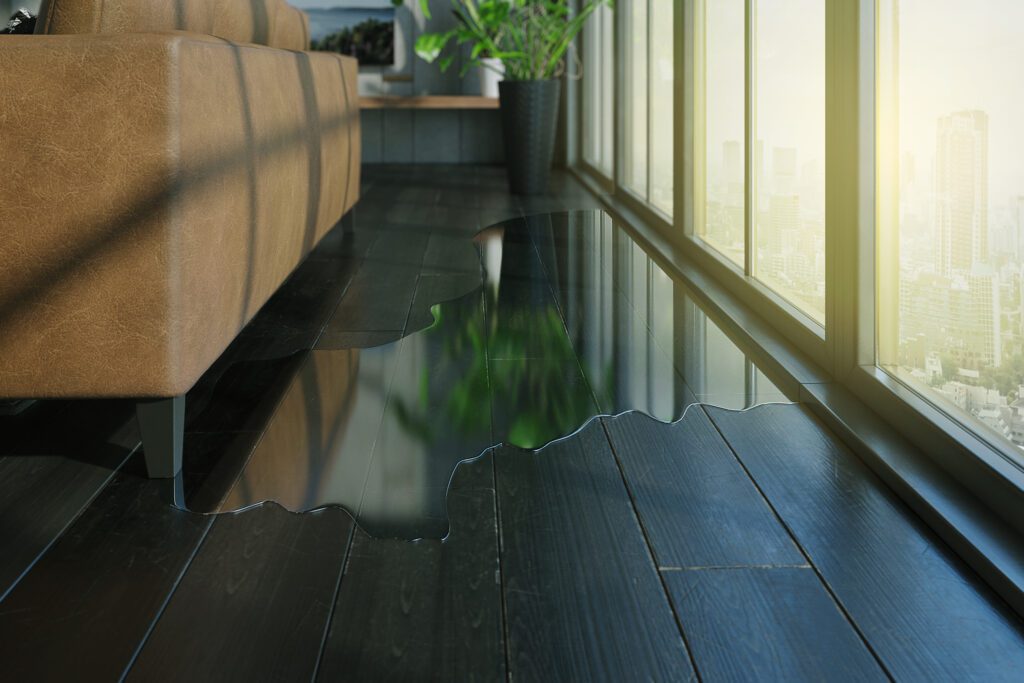
Are you wondering if there is water damage in your apartment? Water damage is a common problem that can cause major long-term issues. Knowing the signs and how to check and prevent it will help keep your home healthy and potentially save you money. Let’s explore the top causes of water damage, how to identify signs of water damage, and the steps to check water damage in your apartment- including hidden areas. Let’s get started! Common Causes of Water Damage in a Home Water damage in a home can be due to many different factors. For example, leaky pipes, leaky AC Unit, and overflowing sinks are the most common causes of water damage. Natural disasters and heavy rains can cause floods that lead to water damage. Problems such as faulty gutters or downspouts can also allow rainwater to enter your home. Such issues cause significant water damage over time. Finally, poor home maintenance can also cause severe water damage. For instance, failing to clean out gutters regularly or not checking for signs of leaking pipes can also lead to costly repairs due to water damage. It’s best to keep all these causes in mind when trying to prevent any potential long-term issues related to water damage in your home. Signs of Water Damage on Walls Water damage on walls can be hard to spot if you don’t know what you are looking for. One way to tell is by looking for discoloration or staining on the paint and wallpaper. Such signs may indicate that there has been a leak somewhere in your home. Bubbling or peeling paint strongly suggests leakage in the pipes beneath the walls. The leaking water seeps through the paint and wall, causing the bulge. You should also check for signs of mold growth, as this indicates that moisture in your walls could lead to further damage over time. If you notice any bulging or soft spots on the walls, it could also indicate water buildup behind them. For instance, you can press drywall in areas you suspect to see if it softened. If the area caves in, you likely have water damage inside the wall, even if the outside looks normal. Finally, keep an eye out for any cracking or warping due to moisture seeping from outside sources such as rainwater or flooding. These signs are severe and require immediate attention to prevent further damage. Ensure you seek professional assistance immediately from experienced remodeling contractors such as NYTDR. Such experts understand how important it is to identify potential water damage issues early. They’ll address them quickly and effectively with minimal disruption and cost. A team will visit your home for a comprehensive inspection. It includes checking for signs inside walls, floors, ceilings, and outside gutters and downspouts. They’ll check all areas where structural integrity can easily get compromised by hidden leaks over time. Compromised integrity can lead to costly repairs down the line. With expertise in local regulations, you can count on the experts to ensure your home remains safe and compliant with all applicable laws. Signs of Water Damage on Floors and Ceilings When it comes to water damage on floors and ceilings, the most common telltale sign is discoloration or staining. The discoloration could be due to a leaky pipe or a flooding issue that has gone unnoticed for some time. Another indication of water damage is the warping or buckling of the flooring. If you notice warping, it may be a sign of too much moisture in your home for an extended period that causes the wood to swell up. You also want to look for any visible mold growth, which could indicate a moisture problem. Finally, if you see any cracks in your ceiling or walls near the water pipes, this could indicate that something needs attention before further severe damage occurs. Other signs of water damage in your apartment include: § Damp Odor Some symptoms of water damage are not visual. One of the most noticeable non-visual signs is your home’s strong mildew or damp smell. Smelling mold in a room often indicates water damage within the walls. Although most older homes naturally have a slightly damp smell, it should be a subtle odor. If you notice a strong odor in any room, it’s best to have a professional conduct a thorough investigation. § Unusual Sounds Strange as it may sound, it’s possible to hear water leaks in your apartment. One of the simplest ways to check for signs of a leak is by listening. For instance, you can switch off all electronics in your home on a rainy day and stand in the room where you suspect a leak for a few minutes. When listening to the rain, it should sound like the water is sliding off the roof. Dripping water has a different sound than sliding water. Checking Water Damage in Your Home or Apartment If you live in an apartment, it’s crucial to stay aware of potential water damage. You can take several steps to check for signs of water damage and take action before the issue worsens. First, inspect any exposed pipes or fixtures for signs of leaking or dripping. If there is evidence of a leak, contact your landlord immediately so they can arrange repairs from qualified professionals. Also, inspect ceilings and walls near plumbing fixtures. Check for discoloration or staining, which could indicate a hidden leak that may not yet be visible. Finally, if you have carpets in your unit, ensure you periodically check underneath them for signs of dampness. It could indicate moisture seeping up from the floor below. Taking these simple steps will help ensure that you identify any potential problems with water damage in your apartment early on and to address them appropriately. If you’re a homeowner, you likely have a homeowners insurance policy. The home insurance policy should cover the costs of repairing the affected areas and replacing the damaged items in your home. Most renters also have a
How to Choose the Home Insurance That’s Right for You

For most people, a home is the most valuable asset and therefore requires adequate protection for worst-case scenarios. Homeowners insurance is vital as it prevents you from financial challenges if someone gets injured on your property and sues you or you suffer a home-related loss. Although this insurance is not a legal requirement, it’s mandatory for anyone applying for a mortgage. Either way, a homeowners insurance policy is an excellent idea to protect you and your home. This article explores homeowners insurance policies while providing guidelines to help you choose the right policy. Homeowners Insurance Policies Before choosing a homeowners insurance policy, it’s essential to understand what it covers and doesn’t. Generally, any home insurance policy includes the following standard coverage: Building code coverage – Involves the cost of rebuilding your home up to code after damage caused by a peril that is under the policy Dwelling coverage – Includes damage to the house and its structure Liability coverage – Safeguards you from medical costs and related expenses if a visitor gets injured on your property Loss of use coverage or additional living expenses insurance (ALE)- Pays back the costs incurred when your home is uninhabitable, such as meals and hotel stays. Other structure coverage – It includes other structures or buildings within your property, such as tool sheds, guest houses, and fences Homeowners insurance covers most common perils that cause damage, including: Household fires Rainwater that enters the house directly Damage due to extreme cold spells, like burst pipes The standard deductible for the insurance policy or the amount you pay annually covers these common perils. However, less common dangers require different coverage. Most insurance providers do not cover perils such as: Wildfires Damage from windstorms and hail Hurricanes exceeding a certain intensity These perils require a higher deductible, often totaling thousands of dollars. Choosing a Homeowners Insurance Policy When you acquire homeowners insurance, the insurance provider issues the policy as a monoline or package. Monoline policies have only one coverage type, such as liability insurance. On the other hand, package policies have various kinds of coverage, like liability insurance and property insurance. Generally, a monoline policy is more expensive because you need to purchase every coverage separately. § Package Policies Standard homeowner policies available in New York come as package policies. They include medical payments, theft, liability, and property coverage. These policies include basic packages and more extensive packages. Comprehensive packages cost more but offer broader coverage for your personal belongings and home. As a homeowner, it’s essential to understand the particular losses or perils that every policy type covers. You can buy an extra premium if a policy excludes particular coverage, such as power disruption. To lower your premium, you can also exclude some coverage indicated on a policy, like off-premises theft. However, tenant and homeowners policies exclude particular coverage like flood insurance. The only option to acquire this policy is via government insurance programs. Let’s compare standard policies and their coverage to help you determine the right one. 1. HO-1 or Basic Homeowners Policy This policy protects your home and personal belongings in case of the following perils: Bodily harm Smoke, lightning, and fire damage Explosion Glass breakage Malicious mischief and vandalism Aircraft and vehicle damage Theft and burglary Hail and windstorm Damage to other peoples’ property Civil commotion and riot medical payments Additional living expenses if you need temporary accommodation Personal property at home and away civil judgments This type of policy is uncommon as most providers offer more comprehensive policies like the Broad Form Policy. 2. HO-2 or Broad Form Policy This policy safeguards your home and personal belongings against the above perils and additional ones, including: Freezing of plumbing systems Falling objects Electrical damage to home appliances Damage from accidental water and steam overflow or discharge within the plumbing, air conditioning, heating, or fire sprinkler system Weight of sleet, snow, and ice 3. HO-3 or Special Form Policy The HO-3 policy is the most common among homeowners. It protects your home from all causes of physical loss, excluding the perils not covered by the policy, such as: Nuclear accident War Earthquake Flood Most financial institutions and lenders require you to purchase an HO-3 policy as part of your mortgage agreement. 4. HO-5 or Comprehensive Form Policy This policy offers protection against the perils covered by the HO-3, with additional protection for personal belongings. It protects the private property against all causes of physical loss except the excluded perils. You can also get this extra protection through a Special Form Policy that includes an endorsement for Special Personal Property. 5. Market Value Policy This policy is an advanced form of the Basic Policy. Generally, it offers replacement cost coverage, although the amount is within the necessary restoration costs. This policy applies when the property’s replacement value exceeds the market value, like with older homes. 6. HO-4 or Tenants and Cooperative Policies Tenants and cooperative policies protect against any damages to the contents of a rental unit. It also covers personal liability if someone sustains an injury or causes property damage in the insured unit. 7. HO-6 or Condominium Owners Policies Condominium policies protect the contents and property in the insured unit against the following: Alterations Improvements Fixtures Appliances Interior walls Ensure you confirm the excluded and covered perils in the policy you intend to buy. If damage to the home contents is not part of the policy, you should consider getting additional coverage. Steps to Get the Right Homeowners Insurance § Determine What Requires Coverage The first step is establishing your assets’ total value, the value of your personal belongings, and your home’s replacement cost. If your home is in a high-risk area, you should consider getting earthquake or flood insurance and coverage for additional structures such as sheds or garages. § Calculate the Coverage You Need The amount of coverage necessary depends on your home’s replacement cost. This replacement cost considers the size of your home and the local construction costs. It
Why Do You Need Homeowners Insurance?

Why Do You Need Homeowners Insurance? If you’re buying a home or have already completed the process, you may be familiar with homeowners insurance. Your home is likely your most valuable asset. Homeowners’ insurance helps to protect you and your investment due to future uncertainty. Unlike auto insurance, homeowners insurance is not a legal requirement. However, most mortgage lenders insist on some form of homeowners insurance. It’s the best way for the mortgage lender to ensure you’ll have enough funds to repair and renovate your home in case of an accident or disaster. Benefits of Homeowners Insurance It Protects You in the Case of Lawsuits Home insurance protects you against potential lawsuits if someone gets injured on your property. For instance, if someone sustains a dog bite, the homeowner’s policy will protect you in case of a lawsuit. Liability coverage will compensate the injured person’s medical costs and any damages to your property. It also covers attorney costs to defend you in court where necessary. Most homeowners’ policies offer up to $100,000 in limited liability insurance, but you can acquire additional insurance. It Offers Protection from Loss Homeowners’ insurance covers repair or replacement costs in natural disasters like hurricanes and man-made calamities like fire damage. Dwelling protection covers the damages to the main house and other attached buildings such as garages, guest houses, and sheds. It covers electrical wiring, plumbing, heating systems, permanent air conditioning units, floor damage, and fence damage. It Helps to Replace Your Valuable Items Homeowners insurance also reimburses you if your valuable possessions get damaged. The insurance refunds the value of items such as clothing, furniture, and household appliances. It can also cover items not physically present in your house, such as a self-storage locker. Most policies allow you to choose how you want to ensure your valuables, and you can select replacement cost or actual cash value coverage. Here’s the difference: Since most items depreciate with time, actual cash value allows you to recover the amount you’d receive if you sell the items. This means you’ll have to deduct depreciation. Replacement cost coverage allows you to replace the items so you receive the amount it would cost you to buy new things. Most insurance companies offer personal property coverage of 70% of your home insurance. For instance, suppose your property insurance is $100,000, then your property coverage will be $70,000. It Covers Your Guests’ Medical Bills Sometimes visitors can get injured in your home in accidents that are not under the general liability of your policy. Although the injury will not involve a court case, the insurance will cover your guest’s medical bills. It Protects Your Home’s Equity Equity refers to the value of your property after deducting the outstanding mortgage or other involved liabilities. Homeowners insurance helps to safeguard your home’s equity. With time, the value of your property increases due to the renovations and upgrades you’ll make. Homeowners insurance ensures that should something happen to your home; the equity will not reduce to zero. It Provides Protection Against Natural Disasters Homeowners insurance helps cover repairs and renovations of the house and attached structures in case of damage from hurricanes, tornados, or storms. However, it’s essential to note that you’ll need particular policies to cover some disasters such as earthquakes. You must also buy a separate flood insurance policy from the federal government’s National Flood Insurance Program. It Covers Loss of Use Some accidents or incidents can render your home inhabitable for an extended period. For instance, a tree can fall on your roof without causing physical injuries. If your place becomes uninhabitable, the insurance company covers your living expenses, hotel charges, and meals until your house gets repaired. It also pays the contractors who fix your home and your relocation costs. Most insurance companies also offer about 20% coverage for loss of use of your home. For instance, if your insurance is $200,000, you’ll receive a loss of use coverage is about $40,000. Your Peace of Mind The most significant benefit of acquiring homeowners insurance is your peace of mind. The future is unpredictable, and so is nature. With homeowners insurance, you’re confident you won’t have to start from scratch or incur crippling restoration costs in any disaster. Is Hazard Insurance and Homeowners Insurance the Same? Some mortgage lenders use hazard insurance to describe a homeowners insurance policy section that protects your home’s structure. In simple terms, the mortgage lender requires you to have homeowners insurance. Depending on where you are, this may include flood insurance and other types of coverage. If you fail to purchase home insurance, the mortgage lender will issue a policy known as forced coverage. You should avoid forced coverage because such guidelines are often costly, and they exist to benefit the mortgage lender but not your best interests. How Much Homeowners Insurance is Necessary? The amount of homeowners insurance required will depend on your home’s value and the value of your possessions. You can consult your real estate agent about the appropriate dollar amount that can cover the structure of your home. You can also estimate how much you’d spend rebuilding your home in your area. The next step is to create an inventory of your valuable items. It helps determine whether their value is within your homeowner’s insurance policy’s 70% limit for personal property. If the value exceeds the limit, it’s best to consider getting a separate Replacement Coverage. It ensures you’ll receive the necessary amount to replace your valuable items instead of the Actual Cash Value coverage. It’s also essential to consider the additional living expenses if you realize that your home will be uninhabitable for an extended period. Ensure you purchase enough home insurance based on your assets or between $300,000 and $500,000, the average amount for any homeowner. You can get discounts if you purchase multiple policies or upgrade your home with smart home technology. Ensure you consult your insurance provider to discover various ways to save on your insurance. Which Disasters Does the Home Insurance Policy Cover?
Does Renters Insurance Cover Water Damage?
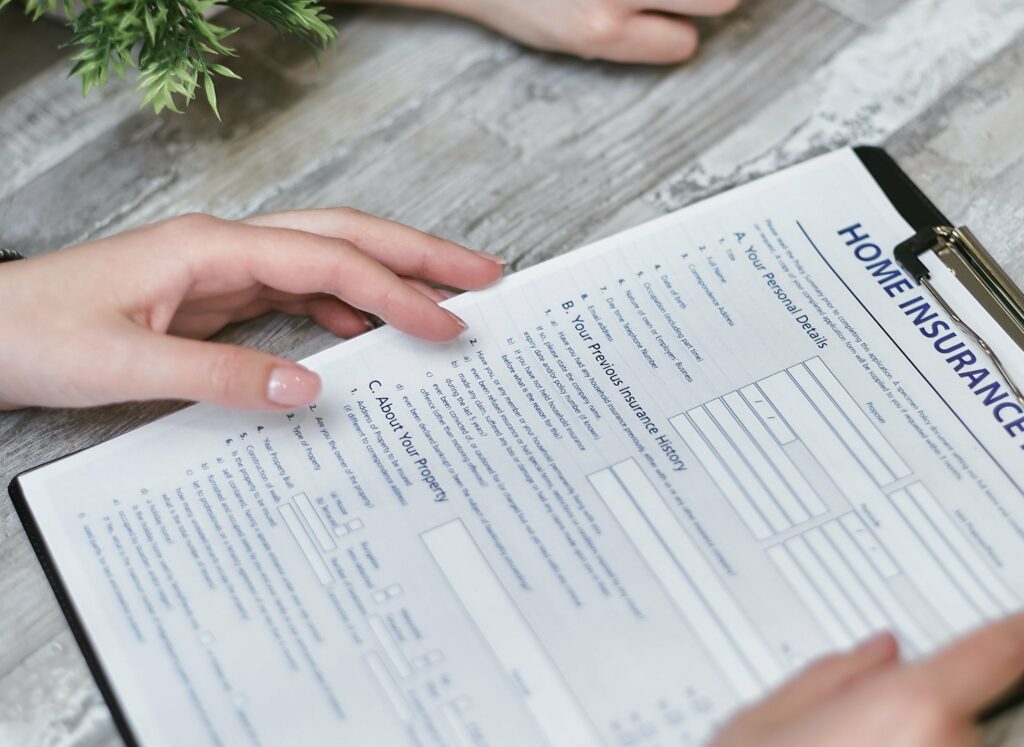
Damage from water can result in serious material losses. You could end up spending much money trying to recover the destroyed property. The only option will be to replace almost everything the water has touched in most cases. As a renter, for you to handle such eventualities with ease, you need renters insurance. Renter’s insurance defines property insurance for property renters, and it covers the policy holder’s belongings and liabilities. It also covers their living expenses whenever there is a loss. Renter’s insurance only covers the damages that have occurred to your personal property. Subsequently, it will only help you protect your belongings and won’t replace things like pipes if the issue has something to do with plumbing. The maintenance of the building is your landlord’s responsibility. As a renter, you need to understand what your policy covers. For instance, water damage and flood damage are occurrences that cause losses. Yet, the standard renter’s insurance covers neither of them. The insurance policy only covers water damage in a few instances, but it does not cover most losses. Whether or not the insurance will cover the damages depends on the cause. When Do the Renter’s Insurance Cover Water Damages? There are risks listed in your renter’s policy determining whether or not you will get compensation for your water damage claim. Obviously any damage not included in your policy will not be eligible for any claim. Below is an outline of the standard named risks that apply to water damage: Burst pipes Renter’s insurance covers your belongings if there is damage from water pipes freezing and bursting. It could also be a case of old pumping that breaks and leaks. Sudden water overflow or steam discharge This danger covers you under the policy for cases like having a clogged toilet. However, this must be a one-time event. Also, the damage should result from something that happened over some time. Rain and Hail Renter’s insurance will compensate you if there has been water damage from rain and hail or if there are structural issues like roof leaking. When Doesn’t Renters Insurance Cover Water Damages? If there has been negligence of any kind that has resulted in damage, no insurance claim will be at the hands of the renter’s insurance. Here are other instances of water damage that the renter’s insurance does not cover. Sewer overflow or sump pump failure When there is sewer overflow, the sanitary sewers release raw sewage. Sewer overflow can cause serious damage to your property. Renter’s insurance does not cover sewer overflow because such issues occur due to improper system maintenance. Sometimes it is about failure to clear a clog with immediate effect. Such kind of damages from these mistakes is very costly to repair. Some insurance companies have a separate endorsement of the main policy. The different approvals are to compensate you in case of such occurrences. Damage from negligence Your renter’s insurance cannot be responsible for any damages caused by your negligence. For instance, if you leave a window open and there happens to be a storm that will damage your personal property, do not expect compensation from renters insurance. This also holds for leaving the water running, and the sink plugged. If you skip any routine maintenance and then there is water damage, you cannot make any insurance claim arising from the damages. Earthquakes Damage arising from earthquakes is also not covered by the regular renter’s insurance policy since such damage relates to the earth’s movement. To caution yourself from the financial costs arising from an earthquake, you should get a separate earthquake insurance policy. Flooding Renters insurance does not cater to the damages caused by floods. As a renter, you may have to consider purchasing a separate flood insurance cover to deal with such eventualities. Take keen consideration of where you live and determine whether there is enough risk of flooding to cause you to pay for flood insurance. Despite it being vital, some renters do not understand the difference between making an insurance claim for water damage and flood damage. What Is The Difference Between Insurance Claims For Water Damage And Flood Damage? Between the landlord and the renter’s insurance, none of them handles claims covering the damage caused to your property by floods. Insurers understand the intensity of the damage that water can cause on the property. It is why insurers make sure they have distinguished the water-related losses they will cover from the ones they won’t. Water damage results from structural or mechanical failure like pipe bursts, and it falls under a commercial business owner’s policy (BOP). Commercial water damage insurance may cover insurance claims from select natural causes of water damage, but you need to know that most large-scale disasters are not covered here. According to the federal emergency management agency (FEMA), a flood is an event that causes a partial or complete influx in two or more acres of land that is usually dry under normal circumstances. It may be due to severe weather conditions or water rising to a point it overflows. Commercial insurers do not take care of insurance claims tabled due to damages caused by floods. But, if you are a business owner, you can protect your business from incurring this kind of loss by equipping yourself with a separate property damage policy. What Water Damages Is Your Landlord Responsible For? As a renter, you need to know what damages your landlord is responsible for. Covering your personal belongings is the responsibility of renters insurance. Landlords have a separate insurance cover to take care of the structure of the building. In case the damage happens because of the landlord’s negligence, they may have to use their insurance policy to cover your damages. Does Renters’ Insurance Cover Water Damages I Cause To Others? The renter’s insurance also includes a liability cover. The only condition to this is that the damage must be due to risk in your policy. In this case, the liability will kick in for
Things to Know About Insurance Adjusters

Filing an insurance claim can be a stressful process, but it’s easier and faster with the help of a good insurance adjuster. They help evaluate the extent of damage after a significant incident such as flooding, windstorm, or fire. Let’s explore who insurance adjusters are and how they handle insurance claims. Who Is an Insurance Adjuster? Insurance adjusters or claims adjusters evaluate insurance claims to formulate a fair settlement amount. They handle all types of claims, such as water damage and personal injury. Once you file an insurance claim, the insurance provider hands it over to an internal insurance adjuster to estimate the repair costs. The insurance adjuster collects and documents the necessary information to help them decide on the insurance company’s financial liability. What Does an Insurance Claims Adjuster Do? The insurance adjuster plans a home visit and takes photos of the damage. They assess the extent of the damage and interview you and any other witnesses. The insurance adjuster also consults with other professionals such as roofing experts, architects, and engineers to determine appropriate estimates. Once the investigation completes, they write a report and recommend the insurance company’s amount to cover the losses and damages. They perform other tasks including: Determining the cause of the loss to see if your insurance covers it Negotiating with both sides to come up with a reasonable settlement Researching, assessing, and verifying damage to the house structure and the contents, plus other additional expenses you incur Evaluating losses caused by business interruptions Types of Insurance Adjusters There are three main types of insurance adjusters: 1.Company or Staff Insurance Adjusters Company adjusters are under the insurance company’s employment. Since they are full-time employees, they are mainly on the insurance company’s side and work for their best interest. Their primary focus is to settle the insurance claim quickly and lower the payout as much as possible. 2. Public Insurance Adjusters Public insurance adjusters have a license from the state’s insurance division to represent policyholders. The adjuster works for you and receives payment in the form of a percentage of the final settlement amount. They represent you during negotiations with the insurance company and make decisions on your behalf. However, it’s essential to note that the insurance company has no obligation to agree or accept the public adjuster’s estimate of the damages. They settle the insurance claim depending on your policy’s terms and conditions. Before hiring a public adjuster, it’s best to ensure they have a valid license and a good reputation with your state’s insurance division. 3. Independent Insurance Adjusters Independent insurance adjusters work for insurance companies rather than individuals. They are either part of an independent adjusting bureau or work as independent contractors. Although they have no obligation to the insurance company, they only have permission to work for the company, not the homeowner. How to Make an Insurance Claim An insurance adjuster is essential, but there are additional steps you should take to get the best deal possible. Step 1: Submit Your Claim After an emergency, disaster, or accident, it’s essential to get in touch with your insurance provider as soon as possible to begin the claim process. First, ensure you document the exact condition of the house and items covered by the insurance policy. Your safety is crucial so avoid entering the house if there’s structural damage that can cause the building to collapse. Record your name, home address, policy number, and the specific date and time of the incident If your home is in an inhabitable state, let the insurance agent know where and how to reach you Write a follow-up letter elaborating on the current state and retain a copy of the letter Step 2: Prepare for the on-site visit Before the insurance provider sends a representative to your home, ensure you have the proper documents at hand. Write a comprehensive list of the lost or damaged items Document the damages on video or photos before you start any repairs Retain all the damaged items until the adjuster assesses and approves disposal Document the value of lost items using sales receipts, insurance evaluations, or charge account records. If you don’t have the exact records, approximate the value and indicate the date and place of purchase List all the repair and cleaning bills, including the cost of renting equipment and specific materials Include any extra living expenses during the repair period, such as accommodation or motel bills rental car bills, and restaurant bills Step 3: The Insurance Adjuster Evaluates the Damage. Once the insurance adjuster arrives, they document the state of your house before and after the damage. Ensure you’re present or have a trusted advisor during the visit. Cooperate fully with the adjustor, as their purpose is to assist you with your claim. They’ll go through your list of lost or damaged items and consult you during the calculations. Once they finish, they will come up with an estimate for the losses and repair costs. You and the adjuster should agree on the extent of the damage. This agreement details what requires repair or replacement without a dollar value. Ensure you’re clear on what requires follow-up and why. If there are unclear instructions, clarify with the adjustor and ask for the same in writing. Step 4: The Insurance Company Offers You Reimbursement The insurance company reviews the evidence and the adjustor’s notes then give you a reimbursement amount. The length of the process varies depending on your insurance provider and specific circumstances. Although you can settle structural and property claims separately, sometimes it’s best to handle them together. However, separating them can give you enough time to examine the full extent of the losses. Avoid rushing to settle your claim, and don’t file until you discover all the damages. If the settlement offer feels unfair, you can discuss it with the adjuster and insurance agent. If you don’t agree to a settlement, you can contact your state’s insurance division and request mediation. A neutral third party will help