
Mold After Water Damage in NYC: What to Do After a Leak

If you find mold after water damage, first make sure the leak has been fixed. Then document the damage and have any damp or mold-affected materials evaluated before repairing the wall, ceiling, or floor. Cleaning a visible spot will not solve the problem if moisture remains behind the surface. In a New York City apartment, a leak may start in an upstairs unit, a plumbing line, an appliance, or the building itself. Water can move through ceilings, walls, and flooring before a stain or musty smell appears. That means the visible damage may be only part of the affected area. How quickly can mold develop after a water leak? There is no exact countdown for every home. The amount of water, the materials affected, and how thoroughly they dry all matter. The EPA recommends drying water-damaged areas and belongings within 24 to 48 hours to help prevent mold growth. Even if a surface now feels dry, moisture may remain beneath flooring or inside a wall. A stain that keeps returning, peeling paint, soft drywall, or a persistent musty odor are reasons to investigate further. What should you do if you notice mold after water damage? Start with these steps: Can you clean mold from a wall yourself? It depends on the extent of the growth, the material, and whether the moisture source has been resolved. The EPA explains that hard surfaces can often be cleaned and dried, while moldy porous materials may need to be removed. Drywall, ceiling tiles, carpet, and other absorbent materials require particular care because growth may extend into the material. If you are unsure how far the water traveled, an assessment can help determine what needs cleaning and what needs replacement. Do NYC apartment buildings have special mold rules? Some do. NYC Housing Preservation and Development states that owners of residential buildings with 10 or more units must hire independent New York State–licensed mold assessment and remediation contractors when a mold condition exceeds 10 square feet. Your building may also have its own procedures for reporting leaks and approving repair work. Notify management early so the source of the water and any affected neighboring areas can be addressed. What happens after mold remediation? Once the water source is fixed and affected materials have been properly addressed, the damaged space can be restored. Depending on the findings, that may involve replacing drywall, flooring, trim, cabinetry, or other finishes. The goal is to repair the underlying damage before rebuilding the visible surface. NYTDR works with NYC property owners on water damage repair, mold remediation, and reconstruction. If you’ve noticed mold after a leak, contact NYTDR to discuss the damage and the next step for your property. Frequently Asked Questions Does a water stain mean there is mold? No. A stain shows that water reached the area, but it does not confirm whether mold is present. It does mean the source of the water and the condition of the affected materials should be checked. Will mold go away once the leak stops? Stopping the leak is essential, but it does not remove existing growth or repair damaged materials. The affected area still needs to be evaluated and addressed. Should I paint over a moldy wall? No. First, resolve the moisture problem and determine whether the affected material can be cleaned or must be removed. Paint is a finishing step after the underlying issue has been addressed.
Why Firefighting Can Leave Water Damage Behind

After a fire, most people expect to see burned materials, smoke stains and soot. Finding soaked ceilings, swollen flooring or water in rooms away from the flames can come as a second shock. Water damage after a fire is not unusual. Firefighters may need substantial amounts of water to stop flames from spreading and protect lives and neighboring properties. That emergency response is essential. Once the fire is controlled, however, the water it leaves behind becomes part of the property’s restoration needs. A complete fire assessment should therefore consider both losses together. Treating only the visible burn damage can leave wet materials hidden inside the home. How Firefighting Water Travels Water does not remain where it was applied. It can move through gaps, wall openings, floor penetrations and stairways. In a multistory building, it may travel to spaces below the room where the fire occurred. Drywall and insulation can absorb moisture. Wood flooring may swell or cup. Cabinet boxes can retain water along their lower edges, and ceilings can become saturated from above. An NYC apartment can make the path more complicated because plumbing chases, shared walls and neighboring units create additional routes. Building management may need to coordinate access to more than one property so the affected area can be understood. Why a Surface Can Look Dry Too Soon Evaporation from the exterior does not prove the complete material or assembly is dry. Moisture may remain behind paint, beneath flooring or within insulation after the visible surface changes appearance. This is one reason a post-fire inspection may include moisture evaluation. The goal is to find the boundaries of the water exposure before repair work closes walls or covers floors. Our article on what happens during a fire damage inspection explains how moisture observations fit alongside structural, soot and smoke findings. Wet Ceilings and Floors Can Be Unsafe Water adds weight to building materials. A sagging ceiling or floor should not be treated as a cosmetic issue. The American Red Cross guidance for checking a home after fire warns that sagging ceilings may be heavy with water and that sagging floors may be at risk of collapse. Property owners should follow authority instructions and avoid questionable areas rather than attempting to investigate them alone. Damaged electrical systems create another concern. Do not use appliances, outlets or panels exposed to fire or water until the appropriate professional has evaluated them. Drying and Demolition Are Different Decisions Not every wet material automatically needs replacement, but not everything can be dried and retained either. The decision depends on the material, contamination, degree of saturation and whether it can return to an acceptable condition. A finished surface that received limited clean water exposure is a different situation from insulation soaked during a major fire response. The assessment should identify what can be dried, what needs to be opened for access and what has lost its integrity. This determination belongs within the same scope as soot cleanup and fire repair. Moisture Can Affect the Reconstruction Sequence Reconstruction should not conceal wet assemblies. Installing new flooring over a damp substrate or closing a wall before internal materials are addressed can create further damage later. The order generally moves from safe access and documentation to removal, cleaning, drying and only then rebuilding. In practice, fire and water work may overlap, but the repair team needs confirmation that the affected areas are ready for new finishes. NYTDR’s guide to fire damage cleanup versus repair explains why the sequence matters. What About Mold After a Fire? Moisture creates conditions that can support microbial growth, especially when wet materials remain enclosed. That does not mean every fire-damaged home automatically has mold. It means retained moisture should be identified and addressed rather than ignored. If visible growth, musty odor or other concerns appear, the situation may require assessment under applicable New York requirements. NYTDR provides mold remediation services when mold becomes part of a larger property restoration. Document Both Types of Damage Photographs and written notes should distinguish direct fire damage, smoke or soot effects and water exposure. These categories may overlap, but documenting them helps explain the complete scope. For example, a cabinet may have soot on its doors and water damage at its base. A ceiling may be stained without visible burning because the water traveled from the room above. Capturing those conditions before cleanup makes the repair plan easier to follow. One Restoration Plan for Fire and Water Homeowners should not have to treat the fire and the firefighting water as unrelated events. The inspection, documentation and construction scope should show how the two connect. The complete fire damage restoration guide explains how moisture work fits within the broader path from inspection to reconstruction. NYTDR provides both fire and smoke restoration and water damage restoration throughout New York City. Contact NYTDR for a coordinated assessment of fire, smoke and water damage in your NYC property.
NYC Apartment Flood Damage: What to Do and When to Start Repairs

Heavy rain and flash flooding can overwhelm New York City streets, drains, roofs, and building systems in a matter of minutes. For apartment owners, the water may disappear quickly while the damage it leaves behind continues to affect walls, ceilings, flooring, cabinetry, and electrical systems. If your NYC apartment has flooded, your first priority is safety and stopping additional water from entering the property. After the water has been removed and the affected areas have been professionally dried and cleared, the next stage is repairing and rebuilding the apartment. This guide explains what to do after flood damage, what to document, and when reconstruction can begin. Important: NYTDR provides repair and reconstruction services after flood damage. We do not perform emergency water extraction or drying. Those steps must be completed before reconstruction begins. What should I do if my NYC apartment floods? First, leave any unsafe area and stop the source of the water if this can be done safely. Notify building management, photograph the damage, contact your insurer, and hire qualified professionals for water removal and drying. Repairs should begin only after the apartment is dry, any necessary remediation is complete, and the required building approvals or permits are in place. Flooded-apartment checklist 1. Put safety first Do not enter an area containing standing water if there may be contact with electrical outlets, appliances, wiring, or the building’s electrical system. If the apartment is unsafe—or if you live in a basement or below-grade unit and water is rising—leave the space and follow instructions from emergency services and building management. Avoid turning electricity back on, moving damaged electrical equipment, or attempting repairs yourself. A qualified professional should determine when the area is safe to enter. For an active emergency, call 911. New Yorkers can also monitor current alerts and official guidance through NYC Emergency Management. 2. Identify and stop the source of the water Before any repair work begins, the source of the flooding must be identified and resolved. Apartment flood damage may result from: The source matters because it affects who must address the underlying problem, which professionals are needed, and how an insurance claim may be evaluated. Notify your superintendent, property manager, landlord, co-op board, or condo management as soon as possible. Even when the visible damage is limited to your apartment, the source may involve a common building element or another unit. 3. Document everything before damaged materials are removed Photograph and record the condition of the apartment as soon as it is safe. Good documentation can help your insurance carrier, adjuster, building management, and future contractor understand the extent of the loss. Capture: Do not discard damaged items until your insurer or adjuster tells you that they have sufficient documentation, unless an item creates an immediate health or safety hazard. 4. Contact the appropriate insurance carriers Report the loss promptly and ask for a claim number and written instructions. Depending on the circumstances, the claim may involve your homeowners or renters policy, the building’s insurance, a neighbor’s insurance, a flood policy, or more than one carrier. Ask your insurer: Coverage depends on the cause of the water and the exact language of the policy. According to the New York State Department of Financial Services, standard homeowners and renters policies generally do not cover flooding from outside the property, although separate flood insurance or certain endorsements may apply. A burst pipe, rain intrusion, sewer backup, and street flooding may therefore be treated differently. Let your insurer determine coverage based on the facts and your policy. 5. Complete water removal, drying, and any required remediation Reconstruction should not begin simply because the visible water is gone. Moisture can remain behind drywall, beneath flooring, inside insulation, and around cabinetry. Closing wet materials inside a newly repaired wall or floor can lead to additional damage later. Before NYTDR begins reconstruction, an emergency mitigation company or other qualified professional should complete all required water extraction and structural drying. If mold or contaminated water is present, the appropriate remediation must also be completed. Ask for written records showing what work was performed. When applicable, obtain moisture readings, a drying report, remediation documentation, or clearance confirming that the affected areas are ready for rebuilding. 6. Determine what can be repaired and what must be replaced Once the apartment is dry and safe, a reconstruction contractor can inspect the remaining damage and develop a repair scope. Floodwater does not affect every material in the same way. The evaluation may include: Some materials may be repairable; others may have swollen, separated, stained, weakened, or become unsuitable for reuse. The correct scope should be based on the actual condition of the apartment—not only on what is visible from the surface. 7. Confirm building requirements and NYC permits Repairing a New York City apartment often involves more than selecting finishes and hiring a contractor. Co-op and condo buildings may require an alteration agreement, contractor insurance, licenses, work schedules, protection plans, deposits, and approval of the proposed scope. Permits may also be required depending on the work involved. Painting or replacing limited finishes may not require the same filings as electrical work, plumbing changes, wall reconstruction, or structural repairs. The project should be reviewed individually so that the necessary building approvals and NYC Department of Buildings filings can be identified before work starts. An experienced NYC reconstruction contractor can help coordinate the repair scope with the building’s requirements and the professionals involved in the project. 8. Begin flood-damage reconstruction After the source has been corrected, the apartment has been dried and cleared, the damage has been documented, and required approvals are in place, reconstruction can begin. Depending on the loss, the work may include: The timeline will depend on the size of the affected area, the extent of hidden damage, required approvals, material lead times, and whether the repair scope changes after damaged finishes are opened. Who repairs a NYC apartment after flood damage? Emergency mitigation and reconstruction are two different stages of flood recovery. The first
Water Damage Restoration in NYC: What to Do After a Leak, Flood, or Burst Pipe
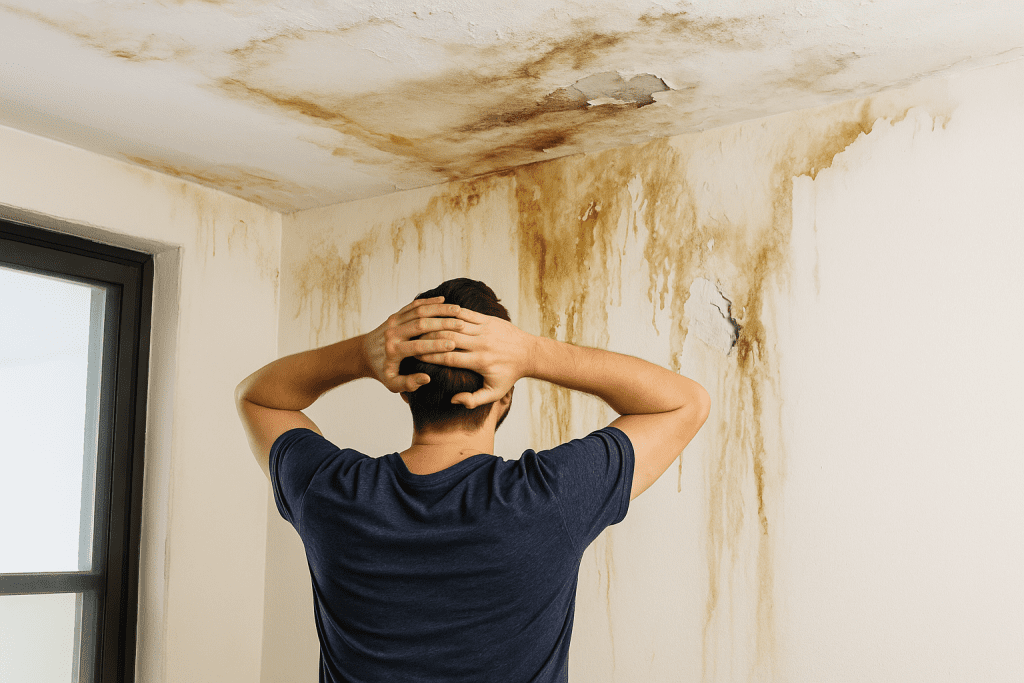
Water damage in New York City can quickly turn from a small leak into a major repair. Whether the water comes from a burst pipe, an overflowing toilet, a leaking appliance, an AC line, a roof leak, or an upstairs neighbor, fast action is critical. In NYC apartments, condos, co-ops, townhomes, and commercial properties, water can travel behind walls, under wood floors, inside ceilings, and through cabinetry before the damage is fully visible. What looks like a small stain may be a sign of trapped moisture, hidden mold risk, or structural damage. Need Water Damage Help Now? If you are dealing with active water damage, do not wait. The sooner the affected area is inspected and dried, the better chance you have of reducing repair costs and preventing mold. Common Causes of Water Damage in NYC Water damage can happen in many ways, especially in older NYC buildings and multi-unit properties. Some of the most common causes include: In apartment buildings, one leak can affect multiple units. Water may start in one apartment but damage the ceiling, walls, flooring, cabinets, or electrical systems in another unit below. Why Fast Water Damage Restoration Matters Water damage should be handled quickly because moisture can spread into areas you cannot see. Drying the surface is not always enough. If moisture remains trapped, it may lead to: A professional water damage restoration company can inspect the affected area, identify hidden moisture, dry the space properly, and determine which materials need to be repaired or replaced. What Should You Do Immediately After Water Damage? If you discover water damage, take these steps as soon as possible: The first 24 to 48 hours are important. Fast cleanup and proper drying can help reduce the risk of mold and prevent additional damage. NYTDR Water Damage Restoration Process Every water damage project is different, but NYTDR follows a clear restoration process to help return the property to a safe and clean condition. 1. Inspection and Moisture Detection The first step is identifying the affected areas. Water can travel behind walls, under flooring, and into hidden cavities. Moisture detection helps determine how far the water has spread and what materials may be impacted. 2. Water Removal and Drying Once the affected areas are identified, drying equipment may be used to remove moisture from the space. This can include air movers, dehumidifiers, and proper ventilation. 3. Removal of Damaged Materials Some materials can be dried and saved. Others may need to be removed, especially if they are saturated, contaminated, swollen, or damaged beyond repair. This can include drywall, baseboards, flooring, insulation, cabinets, or ceiling materials. 4. Mold Prevention Proper drying is one of the most important parts of mold prevention. If moisture is left behind, mold may begin to grow behind walls, under floors, or inside cabinets. 5. Repairs and Reconstruction After the area is dry and safe, repairs can begin. NYTDR can help with drywall, plaster, painting, flooring, tile, cabinetry, trim, and full reconstruction after water damage. Water Damage in NYC Apartments, Condos, and Co-ops Water damage restoration in NYC often requires more than just cleanup. Many buildings have rules and requirements before repair work can begin. Depending on the building, you may need: NYTDR understands the process of working in New York City buildings and can help coordinate the restoration and repair work properly. Do You Need Mold Remediation After Water Damage? Not every water damage situation requires mold remediation, but any area that stays wet for too long can become a mold concern. Signs that mold may be an issue include musty smells, visible discoloration, ongoing dampness, or water damage that was not dried quickly. If mold is suspected, the affected area should be inspected before walls, flooring, or cabinets are closed back up. Why Choose NYTDR for Water Damage Restoration in NYC? NYTDR helps homeowners, tenants, property managers, and business owners recover from water damage throughout New York City. Our team can assist with: We understand NYC properties, building requirements, insurance documentation, and the importance of completing restoration work correctly from start to finish. Schedule a Water Damage Inspection in NYC Water damage should not be ignored. Even if the area looks dry on the surface, moisture may still be trapped behind walls, under floors, or inside cabinets. If your apartment, home, office, or commercial property has been affected by a leak, flood, burst pipe, or water from a neighboring unit, NYTDR can help. Contact NYTDR today for professional water damage restoration in NYC.
Before & After Water Damage Restoration in NYC
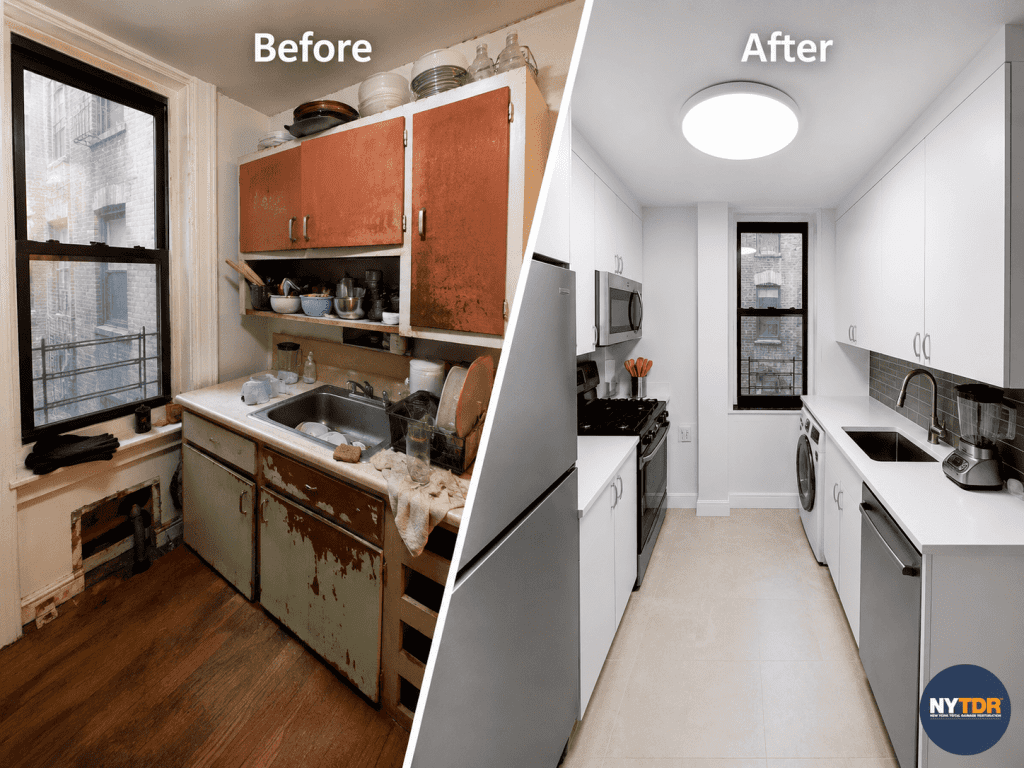
Water damage in NYC homes rarely stays contained or obvious. What may begin as a small ceiling stain, a faint damp smell, or a slow leak under a sink can quietly spread beyond the surface. Over time, moisture moves through drywall, flooring, insulation, and framing, turning what looks minor into a layered issue affecting structure, materials, and indoor air quality. The “before and after” of water damage goes far beyond appearance. The visible signs are often only a fraction of the problem. Beneath paint and plaster, water can weaken materials, create hidden pockets of moisture, and lead to conditions that continue to worsen long after the initial leak has stopped. Because NYC buildings are often multi-layered and tightly constructed, damage can travel in unexpected ways between units, floors, and wall cavities. What looks like a simple repair on the surface may actually involve multiple stages of inspection, drying, removal, and rebuilding. This example walks through what a property typically looks like before restoration begins, what is commonly uncovered during the assessment process, and what the finished result represents in practical terms once the space is fully restored and safe to reoccupy. BEFORE: What Homeowners Usually See First At the beginning, water damage often appears minor, isolated, and easy to overlook. It rarely presents itself as an immediate emergency, which is why it is commonly underestimated in the early stages. Common early signs include: Yellow or brown staining forming on ceilings or upper walls Slight bubbling, blistering, or peeling paint Damp patches that appear after rainfall or regular plumbing use A faint, persistent musty smell in enclosed or less-ventilated rooms Floorboards that feel slightly raised, soft, or uneven in specific areas At this stage, the space is usually still in use. Daily routines continue as normal, and many homeowners assume the issue is cosmetic, seasonal, or temporary condensation rather than structural water intrusion. What water damage looks like at the surface: What Water Damage Can Lead To What is not visible is what makes this stage particularly risky. Water rarely stays where it first enters. Instead, it can travel horizontally and vertically through building materials before any visible sign appears. By the time staining or surface changes become noticeable, moisture may already be present within insulation, subfloors, ceiling voids, or internal wall cavities, where it continues to spread unnoticed. Kitchen Damaged Restoration Project What Is Often Discovered During An Inspection For Water Damage in NYC Once a professional assessment begins, the situation often becomes more complex than expected. Typical findings include: Moisture spread beyond the original visible area Saturated drywall or plaster that has lost structural integrity Insulation that has absorbed water and cannot dry effectively Early-stage mould growth behind surfaces Flooring systems holding trapped moisture underneath finishes In NYC buildings, especially older brownstones and apartment conversions, water can also travel between units or through shared structural elements, which makes the source and spread harder to isolate. At this stage, the key decision is not just repair — it is determining how far the damage has progressed and what materials can realistically be saved. Unexpected Discoveries During Restoration Annie Cheng – “NYTDR helped us with water damage – remediation and restoration – in our apartment….This was a relatively big job, and they were good when the unexpected happened, like discovery of mold. They lined up remediation right away and did a good job keeping to the schedule as closely as possible….” TRANSITION: What Needs To Happen Before Rebuilding Before any rebuilding work begins, affected materials are typically removed where necessary to expose hidden moisture. This step is important because water damage cannot be properly resolved if it remains trapped behind finished surfaces. Depending on the extent of spread, this may involve: Removing sections of drywall or plaster Lifting flooring to access the subfloor Drying structural elements with controlled equipment Treating affected areas to prevent further deterioration This stage is what separates surface repair from full restoration. It ensures the problem is not being covered over but actually resolved. Water Damage Restoration With NYTDR At NYTDR, we manage the full restoration and reconstruction process for water-damaged properties throughout NYC, including project coordination and insurance-related documentation connected to the restoration work. For a more detailed breakdown of the process, visit our process page AFTER: What The Property Is Like Once Restored After restoration, the most immediate change is visual. The space is returned to a clean, finished condition that closely resembles its original appearance. Walls are repainted, flooring is reinstated, and previously affected areas are no longer visible. The more important changes are structural and environmental. Restoration is not only about replacing damaged finishes, but about addressing the underlying conditions that caused the issue in the first place. Affected materials are removed and replaced rather than simply repaired or covered Hidden moisture is fully extracted through drying and remediation processes Surfaces are rebuilt only once underlying structures are confirmed to be dry and stable The space no longer retains trapped humidity, damp conditions, or lingering odours The risk of continued deterioration, such as mould development or material breakdown, is eliminated In many cases, the property may feel familiar, as though it has simply been returned to its previous condition. In reality, the internal environment is fundamentally different. The building has been brought back to a stable, controlled baseline where the damage has been properly resolved, leaving the space safe, dry, and structurally sound moving forward. NYTDR’s guide walks you through everything you need to know about the restoration process, including what to expect at each stage and the key questions to ask your contractor before, during, and after the work. Fully Restored Brooklyn Kitchen What Homeowners Should Do If They Notice Water Damage If signs of water damage appear, the first step is not to focus on drying or covering the area, but to understand where the moisture is coming from. The visible stain or damp patch is often only the surface indicator, not the source. Avoid using paint, sealants, or cosmetic
Water Leaking From Ceiling in NYC Apartments

If water is leaking from your ceiling in a NYC apartment, it’s almost never just a surface issue. In most cases, the source is coming from another unit, shared plumbing lines, or building systems running between floors. What you’re seeing is just where the water decided to show up, not where the problem actually started. What Usually Causes Ceiling Leaks in NYC Unlike houses, NYC apartments are stacked and interconnected. That changes everything when it comes to leaks. Leak from the apartment above This is the most common cause. It could be a shower pan, toilet seal, sink connection, or even a small ongoing drip that built up over time. Plumbing inside the ceiling Water lines run between floors. If a pipe leaks, the damage can travel before becoming visible in your unit. Appliance or overflow issues Washing machines, dishwashers, or even AC units in the apartment above can cause sudden leaks. Building system issues In some cases, risers or shared building lines are the source, especially in older NYC buildings. Top floor exception If you’re on the top floor, then yes, rain and roof issues can be a factor, but that’s the minority of cases. Learn more about our blog: The Human Touch – How NYTDR Supports Homeowners Throughout the Restoration Journey What You Should Do Immediately When you see water leaking from your ceiling, timing matters. • Put a bucket or container under the leak• Move anything valuable away from the area• If needed, shut off electricity nearby• Take photos and videos for documentation• Notify building management right away• Do not open or cut the ceiling Trying to “fix it quickly” without knowing the source often makes things worse, especially in multi-unit buildings. Signs the Situation Is Getting Serious Some leaks stay minor for a short time. Others escalate fast. Watch for: • Sagging or bulging ceiling• Continuous dripping or spreading stains• Soft spots when touched• Peeling paint or bubbling surfaces• Cracking sounds If you see sagging, that’s a red flag. It means water is collecting above, and the ceiling may give way. Why This Happens So Often in NYC NYC buildings are unique. Multiple apartments share plumbing, walls, and structural systems. Water doesn’t move straight down it travels sideways, across beams, and through layers before showing up. That’s why the leak you see might be coming from: • A bathroom one or two floors above• A pipe several feet away• A completely different line than expected This is also why guessing the source almost never works. The Right Way to Handle Ceiling Water Damage A proper approach focuses on the cause first, not the water damage. Step 1: Identify the source Without fixing the source, any repair is temporary. Step 2: Stop the water This may involve the upstairs unit, building management, or shutting down a line. Step 3: Dry the area Moisture behind the ceiling must be removed to prevent mold and further damage. Step 4: Repair the ceiling Only after everything is dry should the ceiling be closed and restored. What About Responsibility and Insurance? In NYC, responsibility depends on the source. If the leak is from another unit, their insurance may be involved. If it’s a building issue, management may take responsibility. The challenge is proving the cause clearly and documenting the damage properly. That’s where having an NYTDR involved early makes a big difference. Final Thoughts A ceiling leak in a NYC apartment is never something to ignore or “wait and see.” Even if it looks minor, the real issue is usually hidden and can grow quickly if not handled correctly. The sooner you identify the source and take the right steps, the easier it is to control the damage and avoid a much bigger repair. If you’re dealing with a ceiling leak in your apartment, don’t wait for it to get worse. NYTDR handles inspection, leak detection, and full restoration across NYC. Reach out today to get it resolved properly.
The Human Touch: How NYTDR Supports Homeowners Throughout the Restoration Journey

When disaster strikes, it leaves homeowners feeling overwhelmed and vulnerable. Whether it’s a fire, flood, or other unforeseen calamities, the emotional toll can be immense. At NYTDR (New York Total Damage Restoration), we understand that restoring a damaged home is not just about fixing physical structures; it’s about rebuilding lives and providing a sense of security during challenging times. In this blog post, we delve into how NYTDR extends a compassionate and supportive hand to homeowners throughout the restoration journey, making the process as smooth and reassuring as possible. Empathy at the Forefront: At NYTDR, we believe that empathy forms the bedrock of our services. Our team of restoration experts understands the distress and upheaval that homeowners face when their homes suffer damage. As soon as we receive a call for assistance, our priority is to reach out to the affected homeowners promptly. Our compassionate customer support team listens attentively, offering comfort and reassurance, while swiftly mobilizing the restoration crew to assess the situation. Clear, Transparent Communication at Every Step Homeowners deserve clarity — especially during stressful events. That’s why our project managers explain the full restoration process, step-by-step: What the damage assessment involves How long restoration may take What repairs or mitigation steps are needed What challenges may arise along the way This transparency helps homeowners feel in control and confident in the plan. Personalized Solutions: Every home and homeowner is unique, and we recognize that a one-size-fits-all approach does not work in the restoration process. At NYTDR, we tailor our solutions to meet the specific needs and preferences of each homeowner. We take into account factors such as budget, timelines, and personal belongings, ensuring a customized restoration plan that aligns with the homeowners’ requirements. Emotional Support: Home damage can evoke a range of emotions, from frustration and anxiety to grief and sadness. Our restoration experts are not only skilled professionals but also compassionate individuals who understand the emotional toll of such events. We are there to lend a listening ear, providing emotional support to homeowners as they navigate the restoration journey. Minimizing Disruption: Home restoration projects can be disruptive to daily life, and we strive to minimize this disruption as much as possible. Our team works efficiently and swiftly, prioritizing tasks to get homeowners back to their regular routines as soon as feasible. Throughout the restoration process, we take care to maintain a clean and safe working environment, respecting the homeowners’ space and belongings. Comprehensive, Detail-Oriented Restoration NYTDR goes far beyond surface-level repairs. Our restoration process is designed to uncover and resolve every layer of damage, not just the visible signs. Once the initial cleanup or mitigation is complete, our team performs a full diagnostic inspection of the property using professional tools and industry best practices. This allows us to identify hidden issues that, if left untreated, can lead to recurring damage or long-term safety concerns. Some of the most common underlying problems we look for include: Moisture behind walls and flooring, which can cause structural deterioration or future mold growth Mold or microbial activity, especially after water damage or prolonged humidity Electrical hazards, such as damaged wiring, overloaded circuits, or water-exposed panels Structural weaknesses, including compromised beams, subfloors, insulation, and load-bearing components Our detail-oriented approach ensures that we address these issues early—before they escalate and become more costly or dangerous. Conclusion: At NYTDR, we believe that providing the human touch is essential in delivering exceptional home restoration services. Beyond repairing damaged structures, our mission is to bring hope, compassion, and support to homeowners during times of crisis. By placing empathy and clear communication at the forefront of our services, we strive to alleviate the stress of the restoration journey, allowing homeowners to focus on rebuilding their lives and embracing a brighter future.
What Does Insurance Cover After Flooding in NYC?

Floods in New York City can happen fast, leaving homeowners with water-damaged floors, walls, and belongings. Knowing what your insurance actually covers—and what it doesn’t—can save you time, stress, and money. 1. Standard Homeowners’ Insurance Most standard homeowners’ insurance policies do not cover flood damage from storms, heavy rain, or rising rivers. They might cover water damage from sudden accidents like: Burst pipes inside your home Roof leaks caused by storms Some policies may also cover structural damage or personal property from these events. Keep in mind, coverage for gradual or secondary damage is often limited unless you add specific endorsements. 2. Flood Insurance Flood insurance is a separate policy designed to cover damage from natural flooding. You can get coverage through the National Flood Insurance Program (NFIP) or a private insurer. Typical coverage includes: Structural damage to walls, floors, foundations, and built-in appliances Electrical systems, plumbing, and HVAC damage Some personal property (though limits are usually lower than for structural coverage) 3. What Flood Insurance Doesn’t Cover Even with flood insurance, there are important exclusions: Mold or fungus that develops from standing water Furniture, electronics, and personal items beyond policy limits Landscaping, fences, pools, or detached structures unless specifically included At NYTDR, we provide full mold remediation, water damage restoration, and comprehensive home repair services to help NYC homeowners recover from flood-related damage. Important Considerations Acting quickly after a flood is crucial. Document the damage with photos and videos, dry out affected areas, and work with certified restoration professionals like NYTDR. Quick action not only prevents additional problems like mold but also helps ensure your insurance claim goes smoothly. Can You Get Flood Insurance After a Flood? Yes, but there’s usually a 30-day waiting period before coverage kicks in. That means damage from a recent flood won’t be covered. It’s best to get coverage as soon as possible to protect your home from future flooding events. Do You Need Flood Insurance in NYC? If you live in a Special Flood Hazard Area (SFHA) and have a government-backed mortgage, flood insurance is required. Even if you’re outside a high-risk area, some lenders may still require coverage. Evaluating your property’s flood risk and securing insurance proactively is always a smart move. How Much Is Flood Insurance in NYC? The cost of flood insurance in NYC varies depending on your location, property type, and coverage amount. On average: NFIP (government-backed) policies typically range from $600 to $1,200 per year for a standard single-family home in moderate-risk areas. Premiums can be higher for high-risk flood zones. Private flood insurance may be more expensive or offer higher coverage limits and additional protections, such as mold remediation or replacement cost for personal belongings. Factors that influence your premium include the property’s elevation, proximity to water, building materials, and whether the home is in a Special Flood Hazard Area (SFHA). It’s important to compare options and speak with an insurance professional to ensure your coverage meets your needs and budget. Suffered from a Flood in NYC? If your home has been affected by a flood, NYTDR can help restore your property to its full condition. We work directly with insurance companies to streamline claims and provide comprehensive renovation services. From mold remediation to complete home restoration, our expert team ensures your property is fully repaired, safe, and ready for you to move back in with confidence.
Water Damage in High-Rise Apartments: What Happens Next?
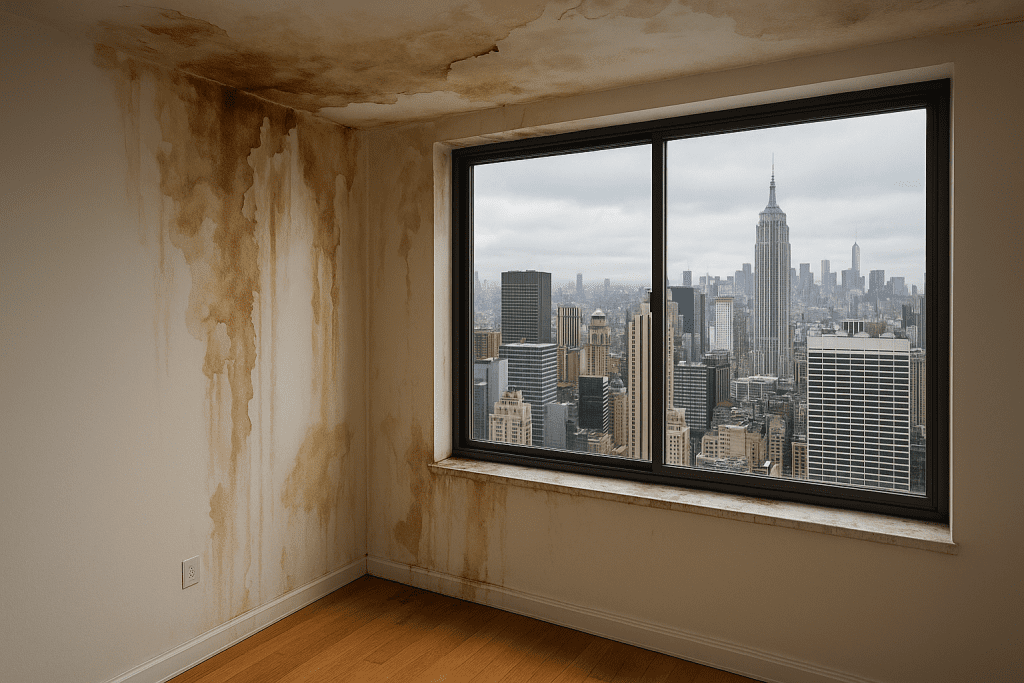
Living in a high-rise apartment in New York City comes with incredible views and convenience, but it also comes with unique risks—especially when water damage strikes. From burst pipes to leaks from neighboring units, water-related issues can disrupt your home, your routine, and your peace of mind. Knowing what happens next can help NYC homeowners and tenants respond effectively. High-Rise Apartment Water Leak Emergency Water leaks in high-rise apartments can escalate quickly, causing structural damage and mold growth. A water leak in a high-rise can be especially severe due to the height, shared walls, and complex building systems, making prompt action essential. Acting fast is critical to minimize damage and protect your home. The first moments after discovering water damage are crucial: Prioritize safety by avoiding contact with wet electrical outlets or appliances. Document the damage with photos and videos for insurance purposes. Contact building management immediately if the damage is significant. In high-rise buildings, management often coordinates emergency responses, such as shutting off water to prevent further damage. Reach out to professional restoration and reconstruction experts like NYTDR to assess and repair your apartment. Responding quickly and following these steps ensures your apartment is protected, helps prevent long-term damage, and streamlines insurance claims. The Role of Professional Restoration and Reconstruction Once the immediate situation is under control, the focus shifts to restoration and reconstruction. Professional teams like NYTDR specialize in repairing and rebuilding affected areas, including walls, ceilings, flooring, cabinetry, kitchens and bathrooms. In high-rise units, where damage can extend to shared walls and structural elements, expert restoration ensures that your apartment is returned to its pre-damage condition safely and efficiently. Mold and Long-Term Considerations Even after visible water is gone, moisture can linger in hidden areas, increasing the risk of mold. Mold can compromise air quality and lead to health issues such as allergies or respiratory irritation. Professional restoration teams address affected materials and rebuild areas properly, helping prevent mold and other long-term problems. Insurance and Next Steps Handling insurance claims is a critical step after water damage, and NYTDR helps NYC residents navigate the process while focusing on restoration and reconstruction: NYTDR assists in documenting all damage with photos and detailed reports to support your claim. Our team works directly with insurers to ensure reconstruction and restoration needs are clearly communicated. We help identify all areas of your apartment that require repair, including walls, ceilings, flooring, and cabinetry. By partnering with NYTDR, you can streamline the claims process while ensuring your apartment is restored safely and thoroughly. Preventing Future Water Damage After your apartment is restored, consider preventive measures such as routine plumbing inspections, proper sealing around windows and bathrooms, and monitoring for leaks in shared walls. For high-rise residents, building-wide maintenance and neighbor awareness also play a key role in preventing future water issues. Conclusion Water damage in a high-rise apartment can be overwhelming, but knowing what happens next makes a difference. Focusing on professional restoration and reconstruction, addressing mold risks, and carefully navigating insurance ensures your home is returned to its pre-loss condition. With the right approach, NYC residents can protect their homes, health, and peace of mind. Experienced a Manhattan High Rise Water Leak? Contact NYTDR today!
When to Contact Your Local Water Damage Restoration Company
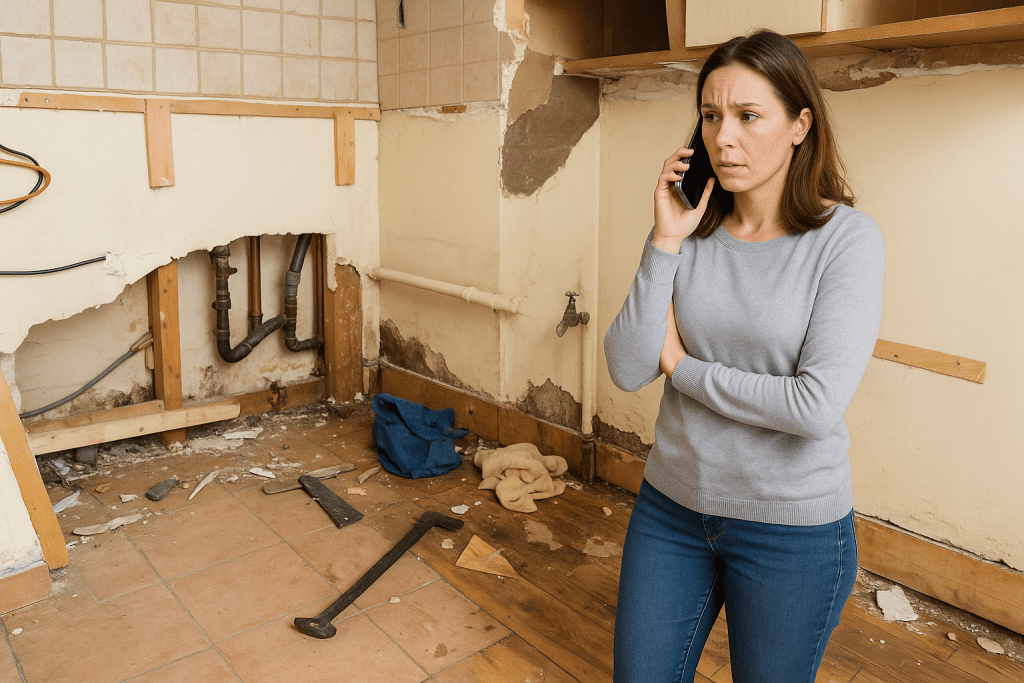
Water damage in your home can escalate quickly, causing structural issues, mold growth, and costly repairs. In a city like New York, where homes are densely packed and space is limited, acting promptly is critical. Knowing the signs of serious water damage and contacting a professional NYC restoration company early can save your home, your wallet, and your peace of mind. When to Call NYTDR Knowing when to contact your local water damage restoration company can prevent small problems from turning into costly, long-term damage. Not every water incident is obvious at first glance — sometimes the most serious issues are hidden behind walls, under floors, or inside ceilings. Here are the key warning signs to watch for: Visible Damage to Structures Keep an eye out for physical changes in your home’s structure. Warped or sagging ceilings, cracked or bubbling walls, or floors that feel soft, uneven, or damaged are all signs that water has affected the integrity of your home. Even small cracks or bulges can indicate a larger problem behind the surface that requires professional repair. Persistent Odors Musty or unusual odors are often the first sign of hidden water damage or early mold growth. If you notice a smell that doesn’t go away, even after cleaning or airing out the area, it may indicate that moisture has penetrated materials like drywall, insulation, or flooring — areas that are difficult to address without expert restoration. Electrical Concerns Water exposure to outlets, wiring, or electrical panels is a serious safety hazard. Flickering lights, tripped breakers, or outlets that feel warm to the touch are warning signs that your home’s electrical system may be compromised. Professional restoration ensures that any damage is properly repaired and safe for your family. Insurance Considerations If water damage affects your home, it’s important to document it properly for insurance purposes. Visible damage, mold growth, or structural issues can all impact your coverage. A professional restoration company can provide detailed reports and photos, ensuring your insurance claim accurately reflects the extent of the damage. Other Subtle Signs Sometimes water damage is not immediately visible. Additional signs to watch for include: Stains or discoloration on walls, ceilings, or floors Swollen doors, window frames, or baseboards Loose or bubbling paint or wallpaper Floors or carpets that feel damp, spongy, or uneven If you notice any of these indicators, it’s a strong sign that your home needs expert restoration. Acting quickly not only protects your property but also helps ensure that your insurance claim is handled accurately and efficiently. Why Timing Matters in Water Damage Restoration Even minor water incidents can lead to hidden damage in walls, floors, and ceilings. Professional water damage restoration companies focus on repairing and rebuilding affected areas, preventing long-term issues such as: Structural weakening of floors, walls, or ceilings Mold and mildew growth if left untreated Damage to personal property Insurance complications if restoration is delayed Delaying professional restoration can turn a manageable problem into a major reconstruction project and may complicate insurance claims. Early intervention is always the safer choice. Situations That Always Require a Professional Certain water damage scenarios demand immediate action from certified restoration specialists: Burst Pipes or Appliance Failures: Structural damage from appliance or plumbing failures Sewage Backups: Contaminated water can damage materials that require professional rebuilding Storm Flooding or External Water Intrusion: Flooding that penetrates foundations, basements, or walls Large-Area Damage: Extensive structural damage affecting multiple rooms or levels Insurance Documentation Needs: Major incidents often require professional reports to ensure full insurance coverage Professional restoration is the only safe way to repair your home fully, prevent further damage, and protect your insurance rights. How a Local Water Damage Restoration Company Protects Your Home Restoration services go beyond surface repairs. Here’s how they safeguard your property while supporting insurance claims: Structural Repairs and Rebuilding: From drywall replacement to flooring, ceilings, and cabinetry, professionals restore your home to pre-damage condition Insurance Collaboration: Our team works directly with your insurance company, documenting damage and repairs professionally to help homeowners navigate claims smoothly Claim Accuracy and Peace of Mind: Proper documentation ensures insurance covers the full extent of damage, reducing disputes or denied claims Subtle Signs That Water Damage May Be Contained While NYTDR is ready to restore your home in all major water damage scenarios, some minor situations may not require an immediate call. These are typically cases where the impact is very localized and hasn’t affected structural elements, hidden spaces, or areas that could compromise your insurance coverage. Examples include: Small, contained incidents that are quickly identified and monitored Brief exposure of surfaces that show no signs of warping, staining, or lingering moisture Situations that don’t present any risk to electrical systems, structural integrity, or mold growth Minor issues where simple measures like stopping the source of a leak or patching small holes prevent further escalation Even in these instances, professional assessment remains the safest approach. NYTDR encourages homeowners to remain attentive and contact us immediately if any of these situations start to escalate, show signs of hidden damage, or affect areas critical to your home’s structure or safety. This ensures your property is fully protected and any potential insurance claim is documented correctly from the start. Protect your property and stop small issues from escalating by reading our guide on How to Stop Water Damage From Getting Worse. Final Thoughts Water damage is unpredictable, but your response doesn’t have to be. Recognizing the signs, understanding the risks, and contacting a professional early can protect your home, your investment, and your insurance coverage. If your NYC home experiences water damage, NYTDR is ready to help. Our expert team specializes in full-scale restoration — working directly with insurance providers to repair and rebuild affected areas efficiently and professionally. With NYTDR, you get professional expertise, insurance support, and peace of mind when the unexpected happens.