Renovating an apartment can be a thrilling journey. However, amidst the excitement of transforming your living space, it’s essential to pay attention to unexpected issues like mildew and mold. These growths not only affect the aesthetics of your home but also pose potential health risks. Knowing the differences between mildew and mold can significantly impact your renovation success and your well-being.
This article will help you understand mildew and mold, providing actionable tips to eliminate and prevent them in your apartment renovation.

Understanding Mildew
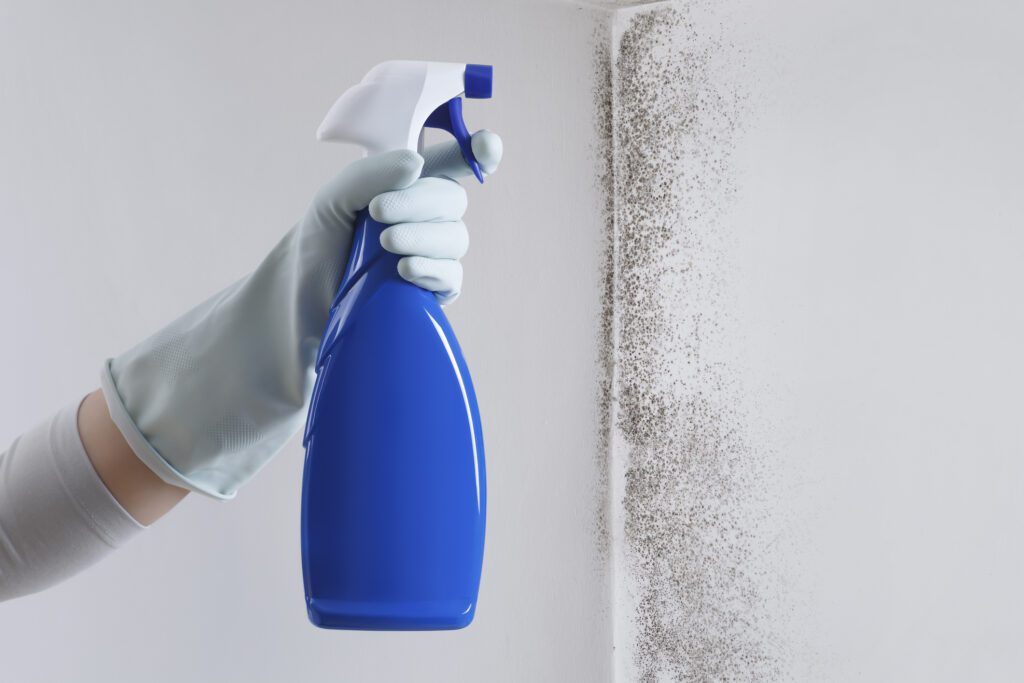
Mildew is often a term used for mold that resides on surfaces. Typically found in warm, damp areas, it usually appears as a powdery or fluffy growth and is typically white, gray, or yellow. You might spot mildew on your bathroom tiles, shower curtains, or the base of indoor plants.
While mildew might not seem alarming, it can trigger allergic reactions in some people. For example, studies indicate that around 20% of people with allergies may react to mildew exposure.
To efficiently remove mildew, clean affected surfaces with a solution of equal parts water and vinegar, or use specialized mildew cleaners. Ensure proper ventilation in these areas, as it reduces moisture and helps prevent mildew growth during your renovations.
Understanding Mold
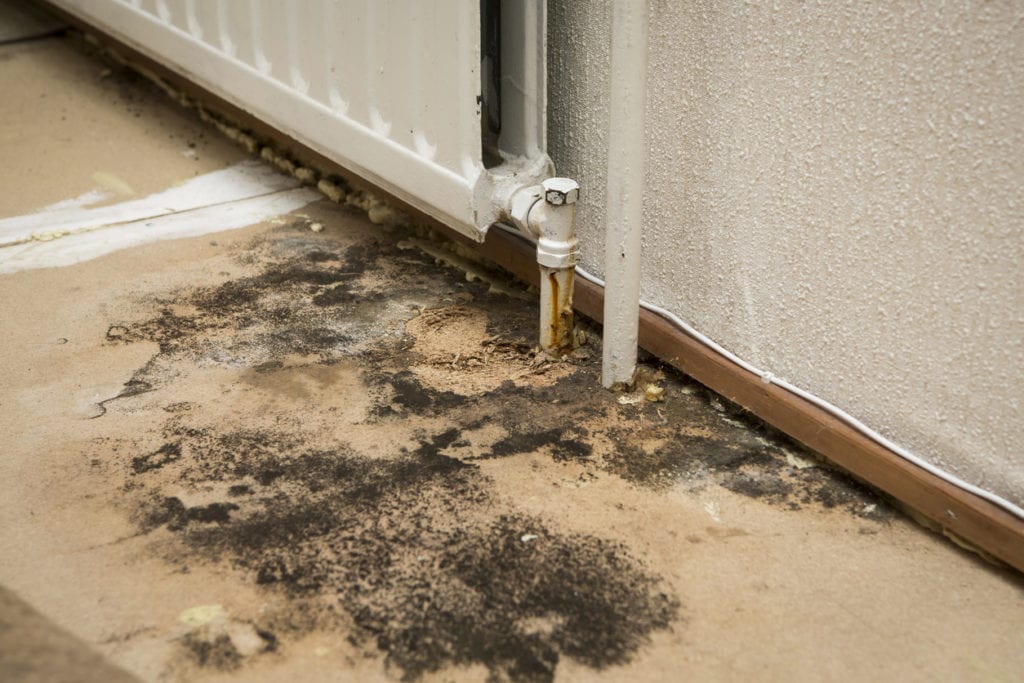
Mold is a more serious issue. It can penetrate materials rather than just sit on the surface, often appearing in shades of black, green, or brown. Unlike mildew, mold can lead to significant structural damage if left unchecked, with one study estimating that water damage can reduce a home’s value by over 25%.
Mold thrives in hidden, damp areas like behind walls and under floorboards. While some types of mold are relatively harmless, others can lead to serious health issues, particularly for vulnerable groups such as children and the elderly. Common issues from mold exposure include respiratory problems and severe allergic reactions, with symptoms reported in approximately 50% of sensitive individuals.
Removing mold often requires a detailed approach. If found in large quantities, consider hiring the NYTDR professional remediation services to ensure safe and thorough removal.
Key Differences Between Mildew and Mold
Understanding the key differences between mildew and mold is essential for effective management during renovations:
- Appearance: Mildew is typically white or yellowish and has a flat appearance. Mold can be black, green, or brown and often looks fuzzy or slimy.
- Location: Mildew mainly affects surfaces in wet areas like bathrooms, while mold can grow deep within materials like drywall or wood.
- Health Risks: Mildew generally poses minor health risks, leading to mild allergic reactions. Mold can cause significant health issues and should be dealt with promptly.
- Removal Methods: Mildew can usually be cleaned with household products, while mold removal often requires professional help.
Identifying Mildew and Mold During Renovations
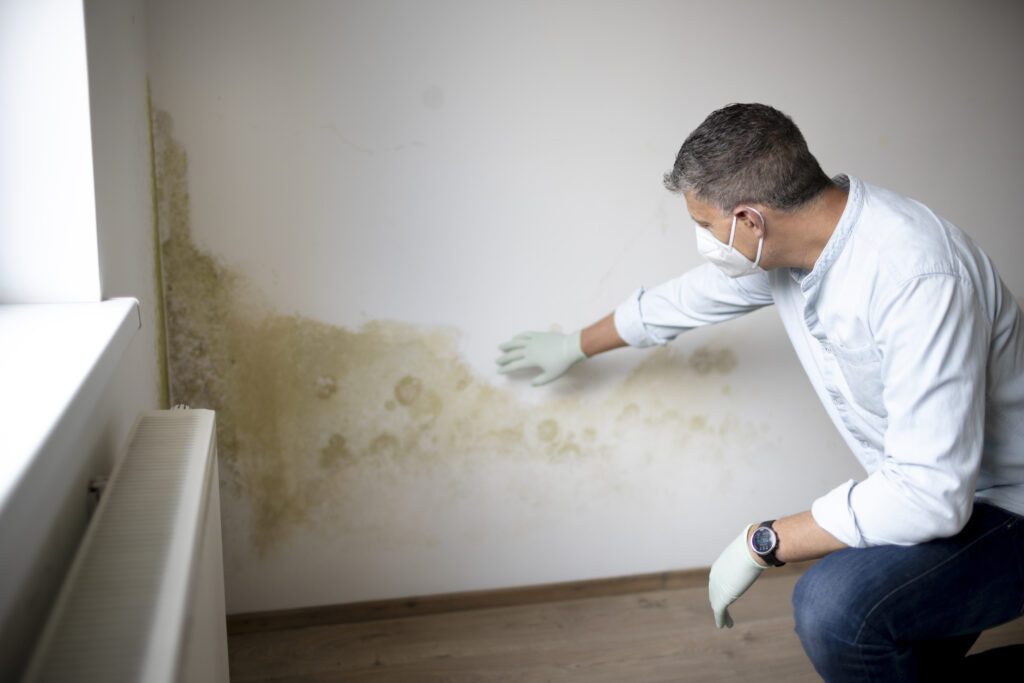
To tackle mildew and mold effectively during your renovation, it is crucial to identify any pre-existing issues. Here are helpful steps to follow:
- Visual Inspection: Before starting your renovation, inspect areas prone to moisture, especially kitchens, bathrooms, and around windows. Look for discoloration, unusual odors, or any visible growth.
- Testing Kits: You may use testing kits to determine the presence of mold spores. These kits help you identify the types of mold and develop an effective removal strategy.
- Moisture Measurement: A moisture meter can be a valuable tool for checking moisture levels in walls and flooring materials. High levels indicate potential mold growth.
- Protective Gear: Always wear gloves, goggles, and a mask when inspecting or cleaning to protect your health from potential spores.
Preventing Mildew and Mold During Renovations
Preventing the future growth of mildew and mold is crucial to ensuring a healthy living environment. Here are some practical tips to consider during your renovation:
- Control Humidity: Aim to keep indoor humidity below 60%. Use dehumidifiers or air conditioning to create an inhospitable environment for mold and mildew.
- Ventilation: Enhance air circulation in all rooms, particularly in kitchens and bathrooms, using exhaust fans. Good ventilation can significantly reduce moisture.
- Waterproofing: Use waterproof coatings and materials in areas exposed to high moisture, like bathrooms and basements.
- Immediate Repairs: Fix leaks or water damage as soon as possible during renovations. This includes repairing plumbing issues and addressing roof leaks before starting major work.
- Regular Inspections: After completing the renovation, schedule regular check-ups to ensure no moisture buildup or microbial growth occurs.
Managing Mildew and Mold Issues
If you discover mildew or mold during the renovation process, prompt action is necessary:
- Mildew Removal: Clean affected areas with a mixture of vinegar and water or a commercial mildew remover. Ensure good ventilation during and after the cleaning process.
- Mold Remediation: For significant mold infestations, it’s best to hire a professional service. They have the right tools and expertise to safely eliminate mold and prevent its recurrence.
- Documentation: Keep records of any remediation efforts, especially if you plan to rent or sell the apartment in the future. Documentation can reassure future residents about the safety of the living space.
- Educate Residents: Share prevention techniques with anyone living in the apartment after renovations to help combat potential mold and mildew growth.
Final Thoughts
Understanding the differences between mildew and mold is vital for successful apartment renovations. Taking proactive steps can help you avoid significant health risks and damage to your property.
By identifying potential growth areas, implementing effective prevention strategies, and promptly managing any issues that arise, you can create a beautiful, safe living space. Your home should be a haven, free from the dangers of mold and mildew.
If your home has suffered damage, don’t wait. Contact NYTDR for a free on-site assessment and find out how we can restore your property and peace of mind.