
Common Home Damage Scenarios

Home damage can strike unexpectedly, leaving homeowners grappling with the aftermath. At New York Total Damage Restoration (NYTDR), we believe that being informed is the first step to preparedness. In this blog post, we’ll shed light on common home damage scenarios, exploring the nuanced restoration processes and insurance claim considerations associated with each. 1. Water Woes: Water leaks and flooding are among the most prevalent home damage issues. Whether it’s a burst pipe, a faulty appliance, or severe weather-related flooding, the impact can be extensive. We’ll delve into the immediate steps homeowners should take, the importance of swift water extraction, and how comprehensive drying techniques are crucial to prevent long-term structural damage. 2. Ravages of Fire: Fire damage can be devastating, leaving homes in disarray. From assessing the extent of the damage to addressing smoke residue and structural concerns, NYTDR will guide homeowners through the complexities of fire damage restoration. We’ll also discuss the emotional toll of such incidents and the importance of a compassionate and professional restoration approach. 3. Nature’s Fury – Natural Disasters: New York City is not immune to the forces of nature. Whether it’s a hurricane, earthquake, or severe storms, natural disasters can wreak havoc on homes. Explore how NYTDR is equipped to handle the aftermath of such events, emphasizing the urgency of a rapid response and the comprehensive restoration measures needed to bring homes back to their pre-disaster state. 4. Mold Menace: Often a consequence of water damage, mold poses its own set of challenges. We’ll delve into the health risks associated with mold, the importance of thorough mold remediation, and how NYTDR employs advanced techniques to eradicate mold and prevent its recurrence. 5. Storm Surge and Wind Damage: Severe weather events can lead to storm surges and wind damage, particularly in coastal areas. Explore how NYTDR assesses structural damage, addresses water ingress issues, and undertakes necessary repairs to restore homes battered by the elements. 6. Insurance Claims Navigation: Each type of home damage scenario requires a tailored approach to insurance claims. Our blog will provide insights into the documentation needed for different scenarios, communication tips with insurance providers, and how NYTDR collaborates with homeowners to ensure a smooth and transparent claims process. At NYTDR, as experienced water damage company in NYC, we understand that no two home damage scenarios are alike. By providing homeowners with knowledge about the intricacies of restoration following water leaks, fire damage, natural disasters, and more, we aim to empower them to make informed decisions in times of crisis. Stay tuned for our upcoming posts as we continue to unravel the complexities of home restoration, offering a beacon of guidance for homeowners in their time of need.
Top 10 Home Insurance Companies in NYC: Protecting Your Home and Peace of Mind

Owning a home in the bustling city of New York comes with its unique set of joys and challenges. While the skyline views and vibrant neighborhoods are unmatched, it’s essential to secure your investment and cherished belongings with a reliable home insurance policy. To help you navigate through the options available, we’ve compiled a list of the top 10 home insurance companies in NYC. 1. Chubb Chubb is renowned for its high-end and comprehensive coverage options. They cater to the needs of affluent homeowners who seek tailored policies with extensive protection. Chubb’s personalized approach and exceptional customer service make them a top choice for those requiring specialized coverage for high-value properties and valuable possessions. 2. USAA USAA has consistently received high marks for customer satisfaction and reliability. While it primarily serves military personnel and their families, if you qualify for membership, you can enjoy competitive rates and a variety of coverage options. USAA’s commitment to service and support sets them apart in the insurance industry. 3. Geico Famous for their witty commercials, Geico is also a major player in the home insurance market. While they are best known for their auto insurance, Geico offers affordable and accessible home insurance policies with customizable coverage options to protect your NYC residence. 4. Nationwide Nationwide’s reputation for dependable and flexible policies extends to their home insurance offerings. Their comprehensive coverage options, competitive rates, and excellent customer service make them a strong contender for NYC homeowners seeking reliable protection. 5. Allstate With a vast network of local agents, Allstate provides personalized service for homeowners in New York City. Their extensive range of coverage options and customizable policies allow you to tailor insurance to meet your specific needs. 6. State Farm State Farm is a household name across the United States, known for its strong financial stability and vast network of agents. They offer a variety of home insurance options, making it easy for NYC residents to find a policy that suits their requirements. 7. Amica Amica consistently ranks highly in customer satisfaction surveys. Their focus on exceptional customer service and straightforward policies makes them a popular choice for homeowners looking for a hassle-free insurance experience. 8. Travelers Travelers Insurance provides a diverse range of coverage options, making it suitable for homeowners seeking both standard and specialized coverage. Their strong financial stability and track record of prompt claim processing contribute to their popularity in the insurance market. 9. Liberty Mutual Liberty Mutual offers a variety of home insurance policies that cater to different budgets and coverage needs. Their competitive rates and various discount opportunities make them an attractive option for NYC homeowners. 10. Lemonade Lemonade is an innovative insurance provider that operates entirely online. Known for its quick and easy application process and transparent policies, Lemonade offers affordable home insurance options for tech-savvy homeowners in NYC. Before making a decision, it’s crucial to research each insurance company thoroughly, comparing coverage options, rates, and customer reviews. Remember, the best home insurance policy for you might differ based on your specific needs and budget. By investing in a reliable home insurance policy, you can gain peace of mind knowing that your beloved NYC home is protected against unexpected events.
The First Steps After a Home Fire in NYC
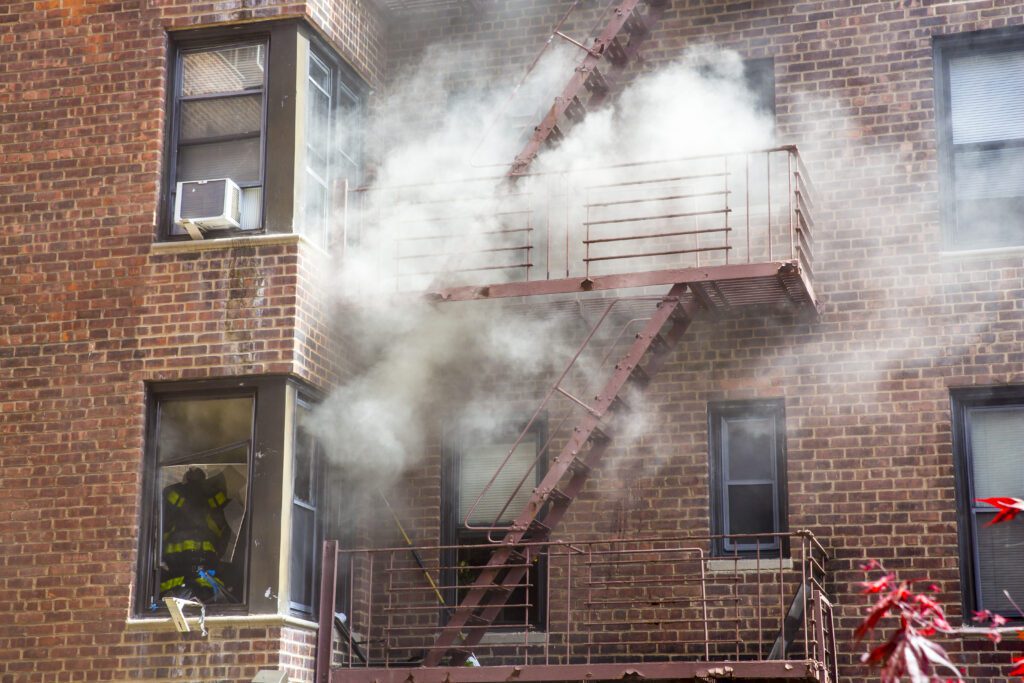
New York City is a fantastic place to live. Unfortunately, home fires are common, mainly when high temperatures cause vegetation to dry. Based on data from Red Cross, small house fires are the most prevalent disaster. The aftermath of a home fire is often devastating, damaging the house inside and out. Even if the fire doesn’t produce wild flames, the heat can affect glass windows, causing the paint to peel and blister while melting plastic components. If your home suffered a fire, you might feel overwhelmed and wonder where to start, which is perfectly normal. This guide aims to walk you through the first steps to give you the confidence to rebuild your life. What to Do After a House Fire § Ensure Your Loved Ones Are Safe In all the confusion, it’s easy to forget basic things such as checking in with your family to ensure everyone is okay. If several people were at home when the fire started, it could be a traumatizing experience for them, especially if some were children. Take time to reach out to your loved ones, even those not in the accident. If none of your family members is close, contact close friends so you have support as you plan for fire damage restoration. If your home is a rental, let the property owner or manager know immediately before you start the recovery process. § Figure Out House Fire Insurance After ensuring everyone is okay, the next step is contacting your homeowner’s insurance provider. Doing so allows you to start documenting the event for the insurance claim process. The insurance agent can help you find emergency accommodation where your policy will cover your living expenses. You can then contact experienced fire restoration professionals from NYTDR to handle the smoke, fire, and water damage. The experts will collaborate with your insurance provider so you can focus on getting your life back together. § Determine the Extent of the Fire Damage On average, the temperature in a house fire often reaches 100 degrees at ground level and about 600 degrees at eye level. Such intense heat is enough to compromise your home’s structural integrity. The best move is to consult NYTDR’s fire damage restoration experts to help you assess the extent of the damage and determine the best course of action. The experienced professionals will remove the unsalvageable items, clean up and repair the critical areas. They’ll also manage water mitigation to reduce water damage after firefighters extinguish the fire. § Determine Whether Your Home is Safe to Re-enter It’s best to avoid entering your house after a fire until the fire department gives you the go-ahead. Fires can re-ignite even when they seem extinguished, and your roof or floor can give out due to hidden damage. Inhaling soot and smoke for extended periods can also pose a health risk. § Organize Your Possessions If it’s safe to re-enter, start by retrieving valuable items such as documents like passports and certificates. Separate the damaged items so it’s easier to list the items your insurance provider should replace. Fire restoration experts can help you sort your belongings and salvage undamaged items. They’ll also assist with professional cleaning to remove all traces of soot and smoke. § Find Temporary Accommodation to Allow Restoration In most cases, the homeowner’s insurance policy covers shelter, clothing, and food for you and your loved ones for a particular period. If you don’t have insurance coverage, you can contact local disaster relief services like the American Red Cross, friends, relatives, or church to help you find suitable accommodations as the restoration process proceeds. You Are Not Alone; NYKB is Here to Help Dealing with the aftermath of a house fire can become challenging and overwhelming for everyone involved. The smoke, heat, and fire damages are often difficult to clean and restore. You likely also have to deal with water damage caused by the water used to extinguish the fire. NYTDR fire damage restoration experts have the right tools, training, and experience to handle such repairs. You don’t have to deal with your insurance provider alone; these professionals will manage the negotiations to ensure you get what you deserve. If your home suffered a fire, you can rest assured the experts will clean, repair and restore it to its former glory. In fact, it may be in a better state, thanks to the high-quality materials and fixtures NYTDR uses.
Heating Your Home Safely – Fireplace Safety Tips
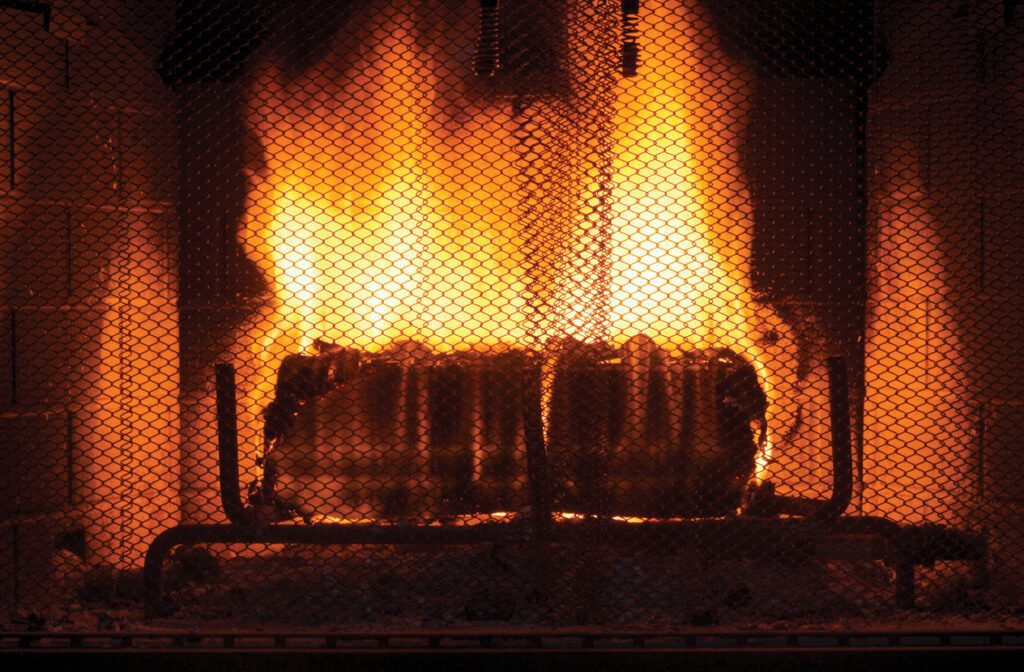
The “heat season” in New York always brings fresh challenges for landlords and tenants across the state. If you’re renting an apartment in NYC, your landlord must provide heating from the beginning of October to the end of May. This legal requirement states that: The temperature inside your apartment should be at least 68F if the temperature outside drops to below 55F The temperature inside your apartment should be at least 68F from 10 PM to 6 AM If your landlord violates this law, you may decide to withhold rent until they comply. However, informing your landlord about the issue in writing is better, or filing a complaint through the 311 hotline. Suppose your NYC apartment has a wood-burning fireplace. It can certainly boost your heating if the building’s radiators still run too cold. You can also install a ventless fireplace, but you need to follow building regulations and get approval from your landlord. Remember, though, that fireplaces lead to around 15,000 fires in the U.S. every year. If you have young children or elderly family members, you want to keep them safe from accidental burns and respiratory problems, too. Follow this guide to enjoy your fireplace and heat your home safely every year. Fireplace Basics: Top Tips to Maintain Your Fireplace Four main things make a fireplace an active hazard: Poor maintenance Overfilled fireplace Blocked chimneys Flammable objects around the fireplace While a ventless fireplace needs less maintenance than a wood-burning fireplace, you still need to take the proper precautions to avoid fire damage. Follow the tips below to use your fireplace safely. Wood-Burning Fireplace Maintenance Tips Use The Right Fuel Avoid using chemicals like gasoline or kerosene in your fireplace, or painted, moldy, or rotten wood. These could release toxic chemicals into your home. Instead, use dry kindling or newspaper to start your fire, and use locally-sourced firewood. Hardwoods typically burn longer than softwoods, but both must be completely dry to burn well. Check the Chimney If excess carbon particles accumulate in your chimney, they can lead to a fire. They can also block the vent, leading to smoke and carbon monoxide poisoning. Check your chimney cap mesh and masonry for damage, and cut any overhanging tree limbs that may potentially catch fire or otherwise damage your chimney. Get a professional chimney cleaning every year to avoid fire damage. Clean the Hearth After Use Don’t let ash build up in your fireplace because it may hide embers that could catch fire again. Scoop out the ashes once the fireplace is completely cold. Wear heatproof gloves for safety. Use a handheld vacuum cleaner to remove the fine ash particles from your fireplace. Check Your Smoke and Carbon Monoxide Detectors Regularly A clean chimney keeps carbon monoxide levels low. Still, this deadly gas is completely odorless, and you need to know if you’re at risk. Opt for a combination smoke and carbon monoxide detector to monitor both gases every time you light your fireplace. Ventless Fireplace Maintenance Tips 1. Cool Completely Before Cleaning A ventless fireplace takes about half an hour to cool down enough to handle. If the glass face is still warm, don’t attempt to open or clean the inside of the fireplace. Otherwise, you could risk fire damage and injury. 2. Pay Attention to The Log Arrangement Take a picture of your ventless fireplace before taking the logs out. They’re arranged to reduce vent blockage, soot, and carbon monoxide. Replace the logs in the correct order once you finish cleaning the fireplace. 3. Do A Visual Inspection Check the fireplace for dark stains, soot, dirt, embers, and ash. Gather the tools you’ll need, such as a vacuum cleaner or vinegar solution, to clean soot stains. 4. Use Compressed Air to Clean Ducts and Tubes A can of compressed air works wonders to remove dust, dirt, and lint from your fireplace inlets. Clean all the air ducts and tubes every three months or more frequently if: You live in a dusty environment or have fur-shedding pets The flames change color from blue to orange, yellow, or red, which may indicate soot or carbon monoxide. 5. Cleaning the Glass A ventless fireplace glass face is supposed to withstand high heat, but avoid using your regular oven cleaner, especially if it contains ammonia. Paper towels and abrasive cleaners are also unsuitable for fireplace glass. Instead, use a mild glass cleanser and cloth. To clean both sides of the glass, remove it from the fireplace and put it on a towel to avoid cracks and scratches. General Fireplace Maintenance Tips Whether your fireplace is wood-burning or ventless, here are some extra tips that enhance safety when heating your home: Never leave the fireplace unattended. If you’re leaving the house, ensure the fire is entirely out. Keep fuel at least three feet away from the fireplace. In this case, fuel means anything flammable, including paper, cardboard, plastic, cloth, tissues, matches, etc. Store your fireplace tools safely away from children’s reach. These include lighters, matches, brooms, tongs, and pokers. Add a safety screen in front of your fireplace to protect yourself and your loved ones from accidental burns. Your fire extinguisher should always be within reach. Also, keep a fire blanket at hand to suppress small fires. Fire Damage from The Fireplace? Restore Your Home Today A fireplace is a beautiful feature in any home, and the tips above should help to keep you safe and warm. Unfortunately, that cozy fireplace ambiance still poses a risk of fire damage. If a fire gets out of hand, call NYTDR as soon as possible. We specialize in restorations for New York homes and apartments after a fire, including soot and smoke damage. NYTDR handles: Insurance management: We intervene on your behalf to get the proper settlement for fire damage restoration at zero cost to you. Restoration design: Our expert home designers help you visualize your home to restore it to pre-fire damage or create a brand-new space. Construction: We handle the contracting and on-site
How to Prevent Dryer Fires?
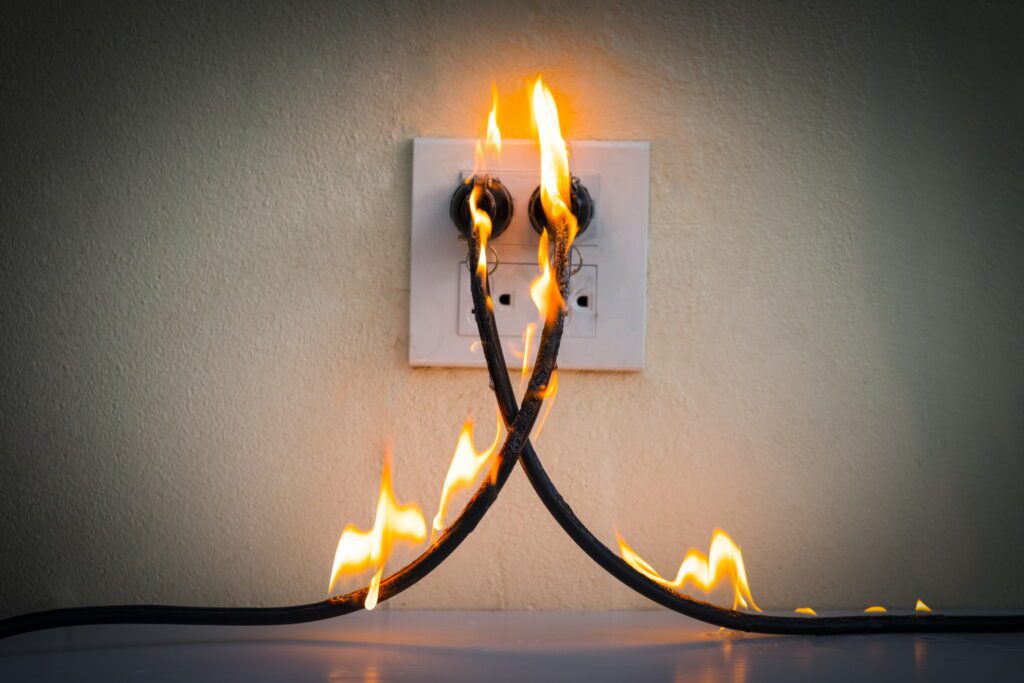
Doing laundry is part of our daily lives and weekly routines. It’s essential to ensure your clothes dryer is functional and well-maintained to protect your home and loved ones from fire. Surprisingly, dryer fires are relatively popular causes of home fires. Data from the National Fire Protection Association shows that washing machines and dryers cause about 15,970 fires annually. About 92% of these fires directly result from dryers, causing millions in property damage and hundreds of injuries. Although some dryer fires are purely accidental, most of these fires are preventable. Let’s explore the various ways you can prevent dryer fires to ensure safety in your home. [https://pixabay.com/photos/washing-machine-laundry-tumble-drier-2668472/] What Causes Dryer Fires? Electrical or Mechanical Failure Dryers have electronic components and moving parts and are prone to damage or faulty wiring. Such issues can easily cause devastating home fires, so it’s essential to have a regular maintenance schedule. Incorrect Dryer Usage Incorrect usage can cause home fires in various ways. For instance, going against the manufacturer’s recommended guidelines by over-stuffing the dryer can be risky. Inserting items unfit for the dryer or those whose instructions prohibit drying with heat also carries a high risk. Generally, clothes dryers are unsuitable for foam, rubber, and plastic materials. Everyday items such as a rubber back on your bathmat can be a fire hazard. Dirty Dryer Vents and Lint Filters Most dryer fires result from clogged and dirty filters, ducts, and vents. Accumulating lint, grass, dirt, or other substances left over from the washing process cause these fires. Even slight heat or a tiny spark can ignite and cause fire damage. The lint filter on the exterior vent can also clog, preventing regular airflow, which can be a fire hazard. The clogging can be due to the link moving through the duct and accumulating on the screen. Rodent, insect, or bird nests are also potential causes of clogging in the vent. How to Prevent Dryer Fires Ensure Proper Installation Improper dryer installation can cause various electrical issues, which can cause a home fire. It’s best to consult a professional before the installation or request home installation where you purchase your dryer. The dryer should connect to a functional 240-volt electrical outlet. Using a 120-volt outlet can cause potential electrical issues. The ventilation duct should also remain secured to the external exhaust vent and the dryer. The location of your dryer also matters, so ensure there’s an adequate distance to any nearby shelves and appliances. Clean Up the Lint Screen After Every Use Dryers require proper airflow to function correctly. Obstruction during the drying process can cause heat to build up. One of the most common areas where blockage happens is the lint filter. Pieces of cloth accumulate over time to form a tinder bundle which quickly starts a fire in the dryer. You can prevent such occurrences by adopting a habit of clearing the lint filter every time you use your dryer. You’ll be surprised at the amount of lint one laundry load leaves. It doesn’t matter whether you prefer cleaning the filter before or after use, as long as you remember. Clean the Duct and Vent Although the lint filter collects most of the dirt and lint, some get past the filter every so often. It accumulates in the duct between the external vent outside your house and the dryer over time. One common sign of an obstructed venting system is that your clothes take a long time to dry or fail to dry completely. You may also notice the dryer’s exterior and your clothes overheat or a burning smell when the dryer is in use. If you realize any of these signs, the best move is to switch off the dryer immediately and unplug it. Allow some time for it to cool off before checking the vent and duct for obstructions. Most manufacturers recommend removing the duct for cleaning at least once every three months. Ensure you plan a maintenance schedule for your dryer since you can DIY the cleaning process. Your home’s exterior vent can also clog, causing the dryer to overheat and potentially catch on fire. Remember to include this part in your inspection and cleaning routine. If your vent has automatic flaps that open when in use, ensure you confirm they are working well. If the vent has no cover, plan to install one to keep off small animals, dirt, and rain. Replace Ducts as Necessary Various manufacturers use different materials to make the ducts. Some ducts are plastic and, therefore, highly flammable, but most dryers have a ribbed foil duct. The folds on the duct often trap lint and dirt, so it’s best to replace the duct with a smooth type. If your duct needs replacement, it’s essential to be careful when purchasing the new duct. Ensure the duct fulfills the particular requirements directed by Underwriters Laboratories. Clothes dryers can only use ducts identified as UL 2158A. Schedule Routine Dryer Inspection Although electric dryers have a higher likelihood of causing fire damage, gas dryers also carry a risk because they connect to gas lines. If you have a gas dryer, it’s essential to regularly inspect the connections and lines to check for improper fittings and leaks. Schedule a professional inspection at least once a year. In between the professional inspections, ensure you clean the external exhaust vent. When using the dryer, you can confirm whether the exhaust air is circulating well. Lint may obstruct the vent outlet if you can’t feel the air movement. Removing the clog may require detaching the exhaust vent from the dryer. Once you finish cleaning, ensure you reconnect the duct to the dryer and external vent before the subsequent use. You can hire an expert to assist you or consult the manufacturer if you’re unsure of the restoration process. Ensure Correct Dryer Usage Dryers make our lives easier but misusing yours can cause a home fire. Before running a load, check the product labels for washing and drying instructions. Avoid placing foam, rubber,
To Repair or Replace? Smoke Damage Kitchen Cabinets
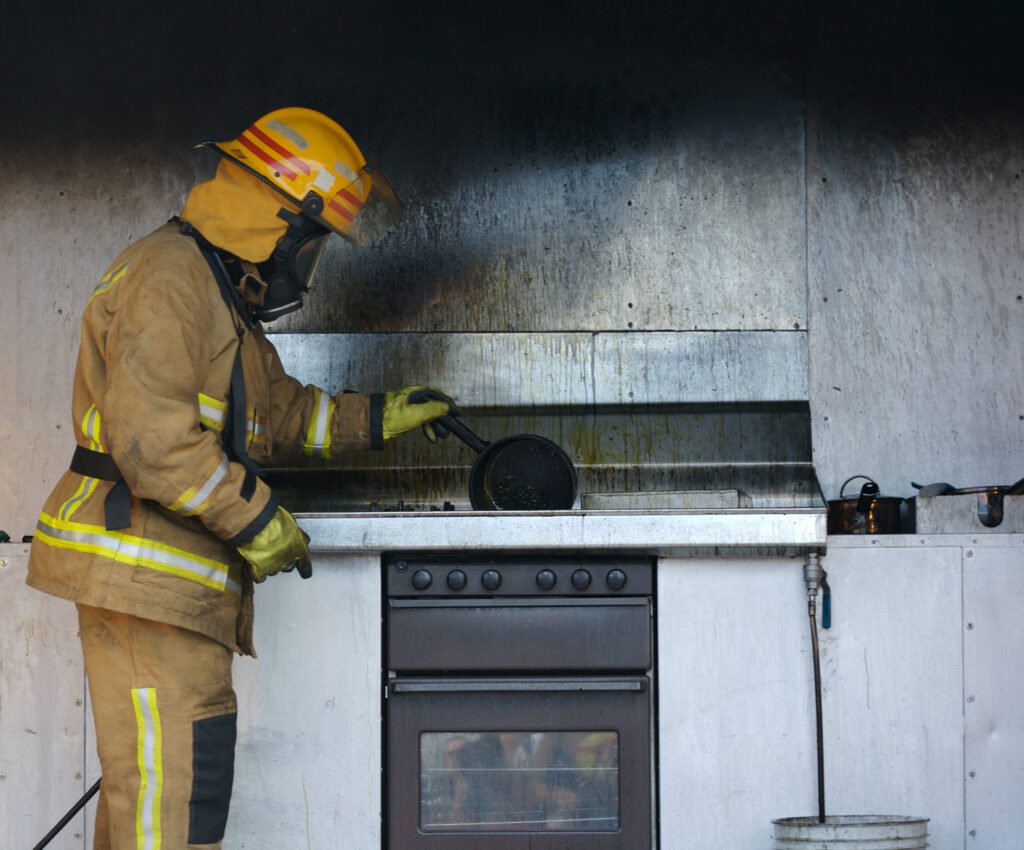
Smoke damage can occur during a fire or in a non-fire situation. Whether the fire starts in the kitchen or not, this space often takes the most damage. Smoke damage affects every aspect of the kitchen, from the doors, floors, ceilings, and worktops to cabinetry, drawers, utensils, appliances, and furniture like dining tables and chairs. While you can have some items cleaned to remove the soot, others can suffer from serious smoke damage and require repair or replacement. Once you assess the damages, you need to decide whether to repair or replace your smoke-damaged kitchen cabinets. The options are not just limited to either repairing or replacing the cabinets. You may also choose to custom-build the units and end up with a more stylish look after the damage. Let’s look at what you can do to recover from fire damage in your kitchen cabinets. What To Expect From Fire Damage In Your Kitchen Cabinets The decision to replace or repair your fire-damaged kitchen cabinets depends on how severe the fire was. A small fire will usually cause no structural damage to your home, and you’ll only need to clean the soot and remove the smoke odor. Keep in mind that smoke also causes damage to your kitchen cabinets, such that the smell remains even after refinishing or repainting them. In this case, you will need to replace your cabinets for safety. Replacement is the best solution if there is more fire damage to your kitchen cabinets, like scorching or warping. Get a professional kitchen restoration expert to handle the cabinet replacements, especially if your kitchen has one-of-a-kind cabinets. An expert will help you determine if you can sell your older cabinets or where to source reasonably priced replacement cabinets. Four Steps to Take After Fire Damage in Your Kitchen Cabinets Here’s what you should do to save your kitchen cabinets following a fire incident. Step 1: Your Safety Comes First Your kitchen restoration cannot start until your kitchen becomes safe to enter. Wait until the fire department and local building officials give the all-clear to reenter your home. After that, take the following additional precautions: Call your insurance provider Notify your homeowner insurance company about the fire and find out what proof or documents they’ll need for your claim. Take as many photos and videos as possible before you begin any kind of restoration. This serves as evidence for your insurance claim. Wear the right gear Avoid short-sleeved shirts, shorts, and open shoes when you enter the kitchen. Wear goggles and a face mask to protect you from residual soot and smoke. Ventilate the kitchen Keep all the doors and windows open in the kitchen to get rid of any remaining smoke. If other rooms were not affected by the fire damage, keep their doors closed. Otherwise, smoke and soot will spread into those areas. Discard exposed food Soot is harmful when ingested, so throw away any edible items from the kitchen after the fire. Salvage what you can Remove any kitchen items and furniture that survived the fire relatively unscathed. Discard badly damaged items and set them aside for your kitchen renovation experts to assess. Dry the kitchen Remove the excess water used in the firefighting process. Use mops, fans, and dehumidifiers to ensure that the surfaces and items are dry before tackling the soot stains. Step 2: Check the Surface Damage Once the kitchen is dry and well-ventilated, look at the walls, floor, cabinets, and other areas. Some surfaces may still have soot, which you can wipe easily. Others may experience extensive damage by soot, scorching, and water beyond recognition. This initial damage assessment comes in handy when you contact your kitchen renovation expert. Of course, what you may find irreplaceable can be restored and vice versa. Let your kitchen renovation team have the final word on whether to replace or repair your fire-damaged kitchen. Step 3: Clean as Much as You Can Soot and smoke are the two main things to tackle after a kitchen fire. Soot is particularly difficult to clean because it leaves an oily stain from burned plastics. Choose a potent cleaning agent like TSP (trisodium phosphate) to clean soot off the walls, shelves, and cabinets. Also, clean your fridge’s condenser coils, rubber gaskets, appliance handles, and other kitchen hardware. Smoke odors linger long after a fire is out. It’s best to vacuum your entire house and wipe down surfaces, even in the rooms that remained untouched by the fire. Use baking soda or a water and vinegar solution as a homemade deodorizer. If this doesn’t work well, look for a commercial deodorizer to handle the smoke smell. Step 4: Call in The Experts Up to this point, you’ve done the best you can after the kitchen fire. You have collected photo and video evidence for your insurance claim cleaned the soot and water off the cabinets and surfaces, and put severely damaged items aside. Now is the time to contact a professional kitchen restoration company. In addition to a thorough damage assessment and help with your insurance claim, your kitchen restoration team offers: Thorough soot, smoke, and water damage cleanup Deodorizing walls, floors, cabinets, upholstery, and ceilings Hardwood floor replacement or restoration for your kitchen Kitchen cabinet replacement or repair Complete kitchen renovation if required Choose a kitchen restoration company with the experience and equipment to handle smoke damage and fire damage to your cabinets, floors, walls, and appliances. When to Replace or Repair Damaged Kitchen Cabinets Ultimately, the decision to replace or repair smoke-damaged kitchen cabinets is between you and your kitchen restoration partner. However, consider replacing your cabinets if: A strong smoke odor lingers in the cabinets long after the fire There’s mold in the cabinets due to water damage in the firefight The cabinets no longer close or hold their contents safely The cost of repair is greater than the cost of replacing the cabinets Repair and restoration work best if your cabinets are still largely functional and have
The Importance of Damage Restoration Services
According to the Insurance Information Institute, the most common causes of property damage are water damage and freezing, followed by fire, lightning, wind, and hail. One thing is certain: no matter the reason, property damage is every homeowner’s nightmare. Even with good insurance, you still have to get past the physical, emotional, and financial losses and restore your home. Your best bet is finding a local restoration contractor who knows exactly what you need to get you back in shape. Here are nine reasons why you should get a professional damage restoration service. 1. Avoid Long Term Water and Fire Damage Effects Think of your property like a sponge: it can take weeks to completely dry out if your pipes burst or a storm sweeps through. Porous materials swell with moisture; wood splits, board sag, and mold kick in. Even when surfaces look and feel dry, the dampness may still linger. Fire damage has even more harmful effects. The airborne soot can remain in the air and cause respiratory problems. Fires often trigger water damage from the fire fighting efforts. A professional restoration contractor can only diagnose the hidden effects of damage. 2. Property Damage Inspection Is Highly Specialized An ordinary construction crew simply doesn’t have the technical expertise to inspect your property after fire and water damage. A restoration contractor looks at the finest details, from your floorboards to your insulation and utility installations. Virtually every part of your property feels the effect of water and fire damage in one way or another. If you overlook anything, it could lead to unprecedented costs to your health and savings. 3. Rescue Your Precious Possessions A restoration contractor recovers as much of your items as possible then checks them for damage like contamination, rust, burns, breakage, and tearing. This is very helpful for important things that you can’t let go of easily, like priceless family heirlooms, electronics, and documents. 4. Stress-Free Insurance Handling Many homeowners discover the complications of insurance claims when it’s far too late. Most property insurance companies offer policies with conditions like time limits, preventable damage, and maximum settlement amounts. Your claim can fail to pass simply because you missed a requirement when filing your paperwork. Let a restoration contractor handle your insurance claim on your behalf. The contractor can help you get the best possible settlement to cover your restoration project with the complete inspection and restoration estimate. 5. The Right Tools for the Job When a restoration contractor arrives on your property, you’ll immediately see the difference just from their equipment. Structural damage is notoriously difficult to assess after a fire or flood. Restoration inspection needs specialist gear to detect leaks, check air quality and monitor electrical wiring. The right restoration contractor has the tools to see well past the visible damage to your property. 6. Know What to Keep and What to Lose Part of your property restoration involves disposing of damaged items to make room for the new. But unless you want a complete restoration after water damage, there are always opportunities to rescue and repair some of your possessions to save on costs. A restoration contractor knows the difference between what to keep and discard. For example, you may scrap water-damaged furniture when it can get a new look after getting disinfected, deep cleaned, and restored. Or you may hang onto books, toys, or clothing for sentimental reasons, but you end up discarding them because of contamination and mold. 7. Unmatched Cost Savings Damage restoration is expensive, with the national average at $2400 for water damage. Depending on the extent of the damage, a repair can cost even double this amount. It’s easy to get overwhelmed once you see what a flood or fire has done to your precious home, plus the unexpected financial burden that comes with it. Bring in a restoration contractor to give you an objective perspective. You’ll be surprised that you can restore your home at much less than you expected. Your restoration contractor has your best interests at heart. Believe it or not, your restoration budget can even get you a beautiful, high-end design beyond your imagination. 8. Peace of Mind A restoration contractor knows precisely how to handle your property, so you can rest easy and let them do all the work. You should focus on getting back to normal after the water or fire damage, not pulling up carpets, and disinfecting your property. Understand that the longer you take to restore your property, the more extensive the unseen damage and the more expensive it will be. Get a restoration contractor as soon as possible, and you’ll be back in a safe, upgraded home with minimal stress. 9. Complete design control Would you like your restored home to be just like before the water or fire damage, or do you want a clean start with a brand new look? A restoration contractor is an expert at working with what you’ve got. All it takes is accurate measurements and reference images to design your restored home. If you’d like a new upgraded space, your contractor can revise and redesign your property to a modern luxury home. Once you’re set on the design, the restoration contractor gets right to work on your water-damaged home. 3 Steps to Complete Property Restoration with NYTDR No matter the size of your property, or the extent of damage, NYTDR is the team you need on your project. We specialize in water damage restoration, and our process is as easy as 1-2-3. Insurance management: NYTDR works with your property insurance provider for the best settlement terms at no cost to you. Planning and design: Our team of designers can make your space look as good as new. Construction management: Our construction specialists handle your home restoration from start to end. With NYTDR, all you need to do is find a temporary place to stay and we’ll handle everything else and update you at every step. You’ll come home to a clean, safe, beautiful
Preventing Home Fires
Most home fires catch us by surprise because they come from everyday items. Besides devastating property damages, accidental home fires also pose significant injury and fatality risks. Acquiring the appropriate insurance policy helps to prevent major financial losses. However, it’s best to prevent the fire from occurring rather than dealing with the effects after the fact. Home fires start in various ways, but the two major causes are chemical reactions and flammable materials. Luckily, most are avoidable by practicing fire safety procedures within your home. Although mistakes happen, you can prevent fatal fires through procedures such as: 1. Installing and Maintaining Smoke Detectors Smoke and fire detectors are among the most important methods of preventing home fires. The sensors trigger an alarm when heat or smoke reaches the device. It helps you notice and stop fires before they spread and cause significant damage. Once you install the detectors, it’s essential to maintain them in good working condition. You should: Test the Detectors Monthly Testing the fire or smoke detectors in your home takes only a few minutes, so make it a habit at least once every month. The testing procedure varies depending on the model, but most models have a button on top. You’ll press the button and listen for the alarm. If you can’t hear the alarm from any room in the house, the detector will not be very effective in an emergency. Replace the Batteries When Necessary Smoke alarms produce annoying high-pitched sounds when the batteries are low. If you don’t replace the batteries, the alarm will not go off in case of a fire. Replace Detectors after Every Ten Years Fire and smoke detectors become ineffective over time. It’s best to replace them after ten years. 2. Monitoring Electric Appliances Space heaters are more dangerous than central heating and are only safe to use in areas with proper ventilation. Ensure there’s a distance of at least three feet between the heater and combustible items, furniture, curtains, and fabrics. When leaving your home, ensure you turn off the heater. Look for models with an automatic power-off option in case you forget. It’s also essential to inspect electrical systems. Although most appliances have in-built safety features, faulty wiring can cause overloading or short-circuiting. Avoid repairing or replacing electrical wiring if you don’t have the skills, knowledge, and experience. Unplug Appliances When Not in Use Power surges occur when excessive electricity flows through appliances, causing them to overheat or catch fire. When you’re not using them, it’s best to unplug or switch off gaming systems, computers, and TVs. Surge protectors safeguard electronics in case of a power surge to prevent fires. 3. Keeping your Kitchen Safe Most house fires start as a result of a cooking fire. It often happens when grease or cooking oil overheats in an oven or stove. A simple way to prevent such accidents is to avoid leaving cooking oil or greasy foods unattended on a fire. Avoid leaving portable appliances like toasters unattended when cooking, and always store them after they cool. Clean them regularly to wipe off the grease and remove crumbs before use. When cooking, remove flammable items such as washcloths near the hot plates, stove, or oven. It’s also essential to have a fire extinguisher in the kitchen for emergencies. Home fires can also occur when using ovens and stovetops for purposes other than cooking. For instance, using them as a heat source can cause gas leaks, causing explosions. Avoid leaving barbecue grills unattended if you’re cooking outdoors, especially near your home’s exterior wall, fence, garage, or wooden deck. 4. Adopt Safe Habits In most cases, being alert and following simple procedures is enough to minimize the chances of a fire starting in your home. Some fire-safe habits you should embrace are: Be Cautious When Using Candles Candles are beautiful and romantic but also a fire hazard. Avoid leaving lighted candles unattended and remove flammable items around. Always use tip-proof candle holders and blow them out before sleeping or leaving. You can also set a reminder on your phone, just in case you forget. Avoid Smoking Indoors If you have to smoke, it’s best to do so in areas with enough ventilation. Always extinguish the cigarette butts and dispose of them outside to prevent them from igniting flammable materials indoors. Keep Flammable Items Away From Heat Flammable items should always be away from open flames or heat sources. These items include hair, clothes, fabrics, and paper. Extinguish any Fires A fire can also start from your fireplace. Before leaving the room, it’s best to extinguish the fire and embers to prevent re-ignition. Declutter your Home It’s easy for a fire to ignite and spread when there’s too much clutter. Get rid of clutter, especially flammable items, and keep your home organized. Clean Out Lint and Replace Filters Filters are an essential component of your heating system. It’s vital to clean out the lint from filters to prevent it from igniting, including your dryer filter. What Should You Do In Case Of Fire Damage? The first step after fire damage is collecting photographic evidence and documenting the events. The evidence is vital, as you’ll need it to make an insurance claim. Get in touch with your insurance provider to determine whether your insurance policy covers the damage. Since they have experience, they can help you access emergency accommodation. You can then contact a professional fire damage restoration company to discuss repairing the damages. The best professional restoration companies collaborate with your insurance provider to manage the cleanup process. Who Can Recommend Fire Damage Cleanup? New York Total Damage Restoration (NYTDR) is a trusted restoration service provider throughout the New York City area. Most companies either assist you through the insurance process or help you restore the damages. However, NYTDR is with you every step of the way. They understand the value of your home, so they’ll assist you with insurance claim processing until the total restoration of your home. An Insurance Adjuster
Tips to Prevent Water & Fire Damage and other Home Disasters this Holiday
The winter holidays are supposed to be joyful and packed with friends, family, and delightful festivities. Yet the unfortunate side effects of so much decorating, cooking, and celebrating often lead to possibly serious dangers in your house or apartment. The way to avoid a tragic conclusion to your festive season is to be aware of and prepared for the various risks that the holidays and winter season inevitably increase. In this article we look at the best ways to avoid fire, water, and other domicile disasters over the holidays. The Dangers Involved in Living in New York City Are Real You should not ignore the fact that more than 28,000 individuals living in the average square mile of New York City means there are real dangers to your health you need to consider. For all the thrill and opportunities that living in the city provides, it also dishes up an unhealthy serving of congestion, pollution, and the ill side effects of so many tall buildings and skyscrapers. The largest city in the United States is justly famous for a wide range of things. Clean, healthy air to breathe is not among them. You do not have to look far to see smoke plumes curling from neighboring rooftops or to smell the fumes from too many cars and trucks exhausting in one city. Observers have pointed out for years that this high level of air pollution means significant health risks for inhabitants. It leads to a variety of ills over time such as lung cancer, heart disease, and asthma. NYC has estimated that as many as 2,700 yearly premature deaths can be blamed on fine particles in the air. To put this into perspective, this is eight times higher than all of the annual murders in New York for year 2013. Besides your everyday varieties of pollution, congestion, skyscraper fires, and crime dangers, you also have a lingering chance of having your children suffer from lead poisoning effects. Whether you live in an affluent or a more humble section of the city, thousands of children per year are still diagnosed with the heartrending and long-lasting terrible side effects from ingesting or breathing in lead-based paint particles and dust. These include often permanent brain damage, problems with fine motor skills, speech difficulties, and more. The best remedy for this particular threat is to have your apartment or house tested for lead based paint. It becomes dangerous if it is peeling and you have children of six years of age and younger living there. Typical Home Disasters that Are Far Too Prevalent During the Holiday Season Besides the normal year-round dangers of life in the city, there are also a range of home disasters that are most prevalent in the usually joyous holiday season. Two of the most common of these are fire and water damage, but there are others including ensuing mold, carbon monoxide poisoning, and even increased chances of becoming a victim of burglary. The National Fire Protection Association warns that structure fires caused an incredible $10.3 billion worth of property damage in year 2015 alone. The risks of such a fire breaking out around the holidays and winter season are significantly higher than other times in the year. Fires start from many causes that are not always so obvious. An average of 8,200 different home fires are reported because of candles (every year on average from 2012 to 2016). The three most likely days to suffer from a candle fire turn out to be Christmas, New Year’s Eve, and New Year’s day too. Cooking fires are another common cause of preventable tragedies. The second and third most frequently reported cooking fire days in a year are Christmas day and Christmas Eve. The specific cause of such senseless and often dangerous or even lethal fires is unattended cooking. Another fire hazard to be particularly aware of around the holidays and winter months when they are most common are dryer fires. You should never leave your dryer running while you are away from the house or at night while sleeping. Water disasters, damage, and resulting mold are a second significant risk around the holidays and winter months. Frozen pipes are the prime culprit. They lead to burst pipes that can create enormous damage and completely ruin your holidays. Apart from potentially having no water at this time when cooking, washing, and other needs are so necessary, there are other potentially terrible results including the formation of sometimes hidden (but usually) toxic mold. Frozen pipes can be prevented in many cases. They most commonly result from thermostats that you set too low, poor insulation of your piping, and sudden or rapid temperature drops. Two other dangers to be on the lookout for this winter and around the festive season include carbon monoxide poisoning and burglaries. With heat and furnaces running constantly this time of year, there is always an increased danger of lethal amounts of carbon monoxide building up inside your home or apartment. You can buy carbon monoxide monitors to place in your bedrooms to prevent this senseless tragedy that leads to death in far too many cases. Where burglaries are concerned, the holidays unfortunately bring an increased number of incidents of break-ins and robberies. This is particularly the case in large cities with significant crime issues. Now is the time to ensure that you lock doors and windows securely and set your alarm systems whenever you go out. Tips to Prevent Becoming A Senseless Victim This Holiday Season Fire and water-related disasters are dangers that you can mostly prevent if you take some basic precautions. With fires, there are many prevention tips that make great sense. Start with a basic one of only plugging in a single high watt appliance at once. This prevents dangerous overloading. You should never allow extension cords to become pinched in tight areas such as between furniture so that wires do not suffer damage and become shock and fire hazards. Flammable objects should not be