
Why Restoration Isn’t One-Size-Fits-All: A Guide by Building Type
We’ve walked into many homes over the years where the damage looked identical on paper, a burst pipe, a kitchen fire, a mold outbreak after a slow leak and yet the restoration plan ended up completely different depending on the building. A plan that works perfectly for a single-family home in Queens can stall for weeks, or get rejected outright, in a pre-war co-op in Manhattan or a landmarked brownstone in Brooklyn. This isn’t a small detail. It’s usually the first thing our fully licensed team assess before writing a scope of work, because we handle a job from the initial insurance claim all the way through to the finished renovation, the building type determines who has to approve the plan, what materials are even allowed, and how fast we’re legally able to move. Here’s a quick-reference summary before we go through each one in detail: Building Type Who Has to Approve Insurance Complexity Typical Timeline Driver Single-Family Home Owner only Low one policy Age of the home / hidden issues Condo or Co-op Owner + board/management High HO-6 + master policy Board paperwork & elevator access Historic/Landmarked Owner + LPC + DOB Moderate LPC review, custom materials Commercial/Mixed-Use Owner + tenants/leases Moderate–High Phasing around business operations Multi-Family Rental Owner (with tenant notice) Moderate Habitability deadlines, relocation Single-Family Homes This is the most straightforward case, and often the one people picture when they hear “restoration.” You typically deal with one owner, one insurance policy, and one point of contact for every decision. That simplicity is a real advantage. With one insurance policy and one decision-maker, we can move claim documentation, drying, demolition, and the final rebuild as one continuous process rather than handing it off between separate companies at each stage. The main variable is usually the age of the home older houses often hide surprises behind the walls, from outdated wiring to materials that are no longer up to code, which can shift the scope, and the claim, once work begins. Condos and Co-ops Multi-unit buildings add a layer most homeowners don’t expect: shared responsibility. Damage in a condo or co-op often touches both what you own (the interior of your unit) and what the building owns (pipes, walls, structural elements, sometimes flooring). That split matters because it usually means two insurance policies are involved, your HO-6 policy and the building’s master policy and figuring out which one covers what, and negotiating both claims at once, can slow things down if it’s not handled early. Boards and management companies also have their own contractor requirements: proof of specific insurance minimums, building-hours restrictions, freight elevator reservations, sometimes a pre-approved vendor list. We’ve seen restoration jobs sit idle for a week simply because a contractor didn’t have the certificate of insurance the board required on file. Knowing that paperwork in advance, and submitting it before the crew shows up, is often what separates a two-week job from a two-month one. Historic and Landmarked Buildings New York has no shortage of these, and they come with real constraints. If a building sits in a historic district or carries individual landmark status, exterior and sometimes interior work needs sign-off from the Landmarks Preservation Commission before a permit will even be issued by the DOB. Skip that step, and you’re not just risking delays you’re risking a stop-work order and fines. This changes both the timeline and the approach. Millwork, plaster cornices, and window profiles often need to be matched to the original rather than swapped for modern stock materials, which sometimes means sourcing from specialty fabricators rather than a standard supply house. It’s a slower, more deliberate process LPC review alone can add weeks, but it protects the character, and the value, of a property that can’t simply be rebuilt, however is fastest. Commercial and Mixed-Use Buildings Here, the driving concern is usually continuity. A retail space, office, or restaurant losing operating days isn’t just an inconvenience, it’s lost revenue. Restoration in commercial buildings often has to be phased or sequenced so that parts of the space can reopen while work continues elsewhere. Mixed-use buildings raise the stakes further, since damage to a shared system, plumbing, HVAC, electrical, can affect both the ground-floor business and the residential units above. Coordinating around multiple tenants and lease obligations becomes part of the job, not just the repair itself. Multi-Family Rental Buildings For landlords, restoration comes with an added responsibility: keeping tenants informed, safe, and often relocated if a unit becomes unlivable. New York’s Housing Maintenance Code sets specific habitability standards, heat, hot water, freedom from mold and pests and failing to restore a unit within a reasonable timeframe can expose an owner to HP actions or rent abatement claims, not just an unhappy tenant. A delayed restoration isn’t just a repair issue here; it’s a liability issue. Before Your First Estimate: What to Have Ready Regardless of building type, having the following on hand speeds up both the insurance and renovation side of the process: Your insurance policy declarations page (and the building’s master policy, if applicable) Photos or video of the damage as soon as it’s discovered Any prior inspection or maintenance records related to the affected area Contact info for your property manager or board (for condos/co-ops) Landmark or historic district status, if known (for older properties) A copy of your lease or house rules (for renters or managed rentals) Frequently Asked Questions Does my co-op or condo’s insurance cover damage inside my unit? Usually not entirely. The building’s master policy typically covers shared structural elements, while your own HO-6 policy covers your unit’s interior. Both often need to be involved, which is why coordinating the two claims matters. Do I need Landmarks Preservation Commission approval for interior repairs? It depends on the building’s designation and the work involved. Interior work is sometimes exempt even when the building is landmarked, but exterior-facing repairs almost always require review before a permit is issued. How long does restoration typically take for a commercial space?
Before & After Water Damage Restoration in NYC
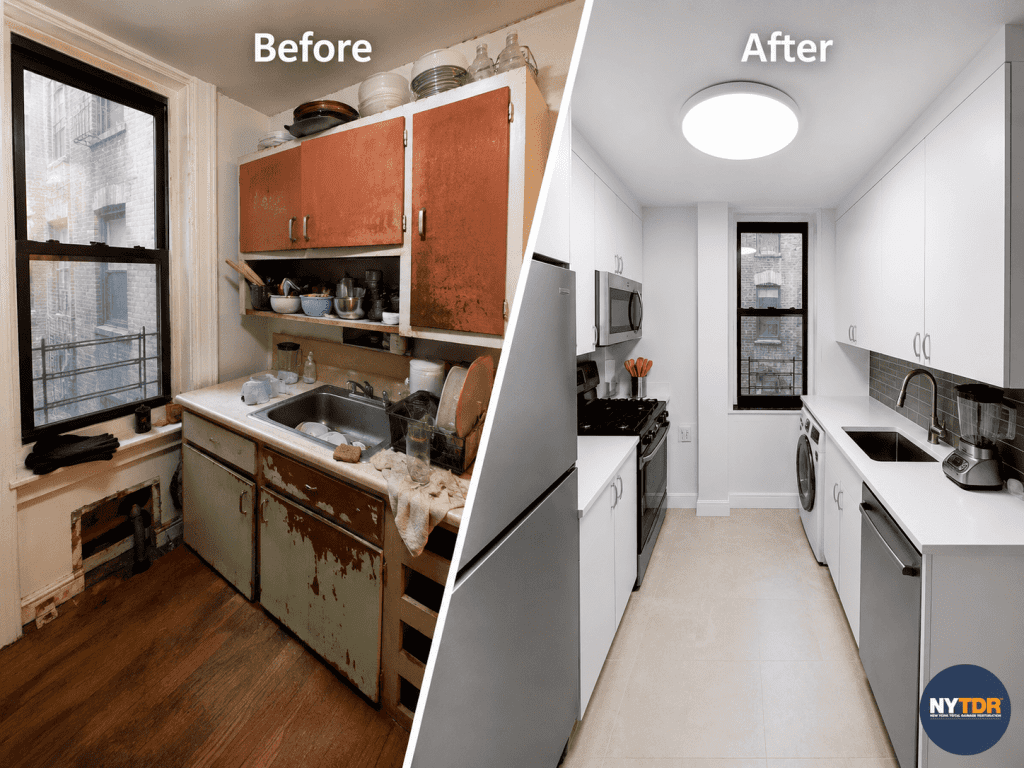
Water damage in NYC homes rarely stays contained or obvious. What may begin as a small ceiling stain, a faint damp smell, or a slow leak under a sink can quietly spread beyond the surface. Over time, moisture moves through drywall, flooring, insulation, and framing, turning what looks minor into a layered issue affecting structure, materials, and indoor air quality. The “before and after” of water damage goes far beyond appearance. The visible signs are often only a fraction of the problem. Beneath paint and plaster, water can weaken materials, create hidden pockets of moisture, and lead to conditions that continue to worsen long after the initial leak has stopped. Because NYC buildings are often multi-layered and tightly constructed, damage can travel in unexpected ways between units, floors, and wall cavities. What looks like a simple repair on the surface may actually involve multiple stages of inspection, drying, removal, and rebuilding. This example walks through what a property typically looks like before restoration begins, what is commonly uncovered during the assessment process, and what the finished result represents in practical terms once the space is fully restored and safe to reoccupy. BEFORE: What Homeowners Usually See First At the beginning, water damage often appears minor, isolated, and easy to overlook. It rarely presents itself as an immediate emergency, which is why it is commonly underestimated in the early stages. Common early signs include: Yellow or brown staining forming on ceilings or upper walls Slight bubbling, blistering, or peeling paint Damp patches that appear after rainfall or regular plumbing use A faint, persistent musty smell in enclosed or less-ventilated rooms Floorboards that feel slightly raised, soft, or uneven in specific areas At this stage, the space is usually still in use. Daily routines continue as normal, and many homeowners assume the issue is cosmetic, seasonal, or temporary condensation rather than structural water intrusion. What water damage looks like at the surface: What Water Damage Can Lead To What is not visible is what makes this stage particularly risky. Water rarely stays where it first enters. Instead, it can travel horizontally and vertically through building materials before any visible sign appears. By the time staining or surface changes become noticeable, moisture may already be present within insulation, subfloors, ceiling voids, or internal wall cavities, where it continues to spread unnoticed. Kitchen Damaged Restoration Project What Is Often Discovered During An Inspection For Water Damage in NYC Once a professional assessment begins, the situation often becomes more complex than expected. Typical findings include: Moisture spread beyond the original visible area Saturated drywall or plaster that has lost structural integrity Insulation that has absorbed water and cannot dry effectively Early-stage mould growth behind surfaces Flooring systems holding trapped moisture underneath finishes In NYC buildings, especially older brownstones and apartment conversions, water can also travel between units or through shared structural elements, which makes the source and spread harder to isolate. At this stage, the key decision is not just repair — it is determining how far the damage has progressed and what materials can realistically be saved. Unexpected Discoveries During Restoration Annie Cheng – “NYTDR helped us with water damage – remediation and restoration – in our apartment….This was a relatively big job, and they were good when the unexpected happened, like discovery of mold. They lined up remediation right away and did a good job keeping to the schedule as closely as possible….” TRANSITION: What Needs To Happen Before Rebuilding Before any rebuilding work begins, affected materials are typically removed where necessary to expose hidden moisture. This step is important because water damage cannot be properly resolved if it remains trapped behind finished surfaces. Depending on the extent of spread, this may involve: Removing sections of drywall or plaster Lifting flooring to access the subfloor Drying structural elements with controlled equipment Treating affected areas to prevent further deterioration This stage is what separates surface repair from full restoration. It ensures the problem is not being covered over but actually resolved. Water Damage Restoration With NYTDR At NYTDR, we manage the full restoration and reconstruction process for water-damaged properties throughout NYC, including project coordination and insurance-related documentation connected to the restoration work. For a more detailed breakdown of the process, visit our process page AFTER: What The Property Is Like Once Restored After restoration, the most immediate change is visual. The space is returned to a clean, finished condition that closely resembles its original appearance. Walls are repainted, flooring is reinstated, and previously affected areas are no longer visible. The more important changes are structural and environmental. Restoration is not only about replacing damaged finishes, but about addressing the underlying conditions that caused the issue in the first place. Affected materials are removed and replaced rather than simply repaired or covered Hidden moisture is fully extracted through drying and remediation processes Surfaces are rebuilt only once underlying structures are confirmed to be dry and stable The space no longer retains trapped humidity, damp conditions, or lingering odours The risk of continued deterioration, such as mould development or material breakdown, is eliminated In many cases, the property may feel familiar, as though it has simply been returned to its previous condition. In reality, the internal environment is fundamentally different. The building has been brought back to a stable, controlled baseline where the damage has been properly resolved, leaving the space safe, dry, and structurally sound moving forward. NYTDR’s guide walks you through everything you need to know about the restoration process, including what to expect at each stage and the key questions to ask your contractor before, during, and after the work. Fully Restored Brooklyn Kitchen What Homeowners Should Do If They Notice Water Damage If signs of water damage appear, the first step is not to focus on drying or covering the area, but to understand where the moisture is coming from. The visible stain or damp patch is often only the surface indicator, not the source. Avoid using paint, sealants, or cosmetic
NYC Restoration and Renovation Guide for Homeowners

When your New York City home requires restoration after damage or you’re planning a renovation, the hardest part isn’t just the work itself. It’s knowing where to begin, who to trust, what it should realistically cost, and how to avoid expensive mistakes in a city where every building comes with its own rules, restrictions, and surprises. That’s why NYTDR created a Restoration & Renovation Workbook designed specifically for NYC homeowners. This isn’t a basic checklist. It’s a practical planning guide that walks you through the entire restoration and rebuild process with clarity and confidence. Whether you’re dealing with an emergency repair or planning a full renovation after damage, this workbook helps you think ahead, stay organized, and make smarter decisions from day one. Quick links to sections below: Renovation Costs Contractor Questions Home Design Ideas Renovation Timeline NYC Project Expectations Consultation Checklist Renovation Resources Who This Workbook Is For This workbook is for NYC homeowners who are: Dealing with water, fire, storm, or structural damage Planning a renovation in a co-op, condo, townhouse, or multi-family building Confused by conflicting contractor bids and unclear pricing Trying to avoid delays, surprise change orders, or building and board issues If your home is in New York City — and especially if approvals, permits, or inspections are involved — this guide is designed to help you navigate the process with fewer surprises. Everything You Need To Know About Restoring and Renovating Your Home in NYC This section breaks down the real costs, timelines, risks, and decisions NYC homeowners face — so you can plan smarter and avoid common mistakes. Why Contractor Prices Vary — and How to Avoid Surprise Costs Renovating or restoring a home in New York City can feel confusing. Two contractors can walk through the same home and give very different numbers — leaving homeowners unsure who to trust or what’s missing. This section of the workbook breaks down where renovation budgets actually go in NYC, so you can plan smarter, compare bids accurately, and understand what you’re really paying for. “Why is every contractor number so different?” Because NYC renovation costs aren’t just about finishes. Contractor pricing can vary based on: What scope of work is included (or excluded) Whether permits, filings, and inspections are accounted for How much hidden damage or risk is anticipated The level of project management and oversight provided Experience working in NYC buildings and with local inspectors Two quotes may look similar on the surface — but cover very different work behind the scenes. “What Am I Paying for That I Can’t See?” A large portion of a NYC renovation or restoration budget goes toward work that isn’t visible once the project is complete. Common “behind-the-walls” costs include: Safe demolition and debris removal Water drying, moisture control, or smoke remediation Structural framing or subfloor repairs Electrical, plumbing, or HVAC upgrades required to meet code Permit filings, inspections, and coordination with the city or building These items protect your home long-term — even though you won’t see them in the final photos. Many of these same hidden items are also the biggest drivers of mid-project budget changes when they aren’t planned for upfront. “How Do I Know If a Quote Is Missing Things?” Some quotes appear lower because critical steps are left out — intentionally or unintentionally. Commonly overlooked items in NYC renovations include: Proper demolition and disposal Temporary protection or containment for occupied buildings Permit and filing fees Project management and inspection coordination Allowances for hidden damage behind walls or under floors If a quote doesn’t clearly address these items, they often reappear later as change orders, delays, or disputes. This workbook includes comparison checklists and bid-review worksheets to help you spot gaps before work begins. “What’s Going to Blow Up My Budget Halfway Through?” In NYC, budgets usually change due to unknown conditions, not poor planning. Typical surprises include: Water or fire damage discovered behind walls Outdated wiring or plumbing that must be upgraded to code Structural issues uncovered during demolition Additional requirements from building management or inspectors Experienced NYC contractors plan for contingencies — not because they expect problems, but because NYC buildings often hide them. How Do I Compare Bids Without Being an Expert? You don’t need to know construction — you need to compare scope, not just price. What to Ask an NYC General Contractor Use this section as a question guide when speaking with contractors: Verify licenses, insurance, and local certifications Confirm experience with damage-related renovations (water, fire, storm), not just cosmetic remodels Ask how permits, inspections, and code compliance are handled Request clear, itemized estimates that explain scope, materials, and timelines Confirm how trades are coordinated and supervised Ask for recent references from similar NYC projects Understand warranty coverage and post-completion support Choose contractors who document progress and communicate clearly Avoid pressure tactics, large upfront payments, or vague contracts The workbook includes ready-to-use questions you can bring to contractor meetings so nothing gets missed. For restoration-specific concerns, read our guide to the key questions NYC homeowners should ask after property damage. NYC Latest Home Renovation Trends These trends aren’t about aesthetics alone — they reflect how NYC homeowners are planning smarter, longer-term renovations shaped by space constraints, building rules, resale value, and livability. Designs That Increase Light Without Full Open Plans Partial openings, interior glass, and strategic layout changes improve light and flow without triggering complex structural approvals or long permit reviews. Warm, Neutral Foundations Timeless materials and natural textures help homes feel brighter, age better, and maintain resale value in small or pre-war spaces. Built-In, Space-Efficient Kitchens Full-height cabinetry, integrated appliances, and concealed storage maximize space while avoiding plumbing relocations and approval delays. Bathrooms Designed Around Durability Large-format tile, curbless showers, and floating vanities simplify waterproofing, inspections, and long-term maintenance. “Quiet Luxury” Finishes Matte metals, subtle stone, and restrained palettes feel high-end without limiting future resale potential. Integrated Technology Lighting, power, and smart features are planned during renovation to avoid costly wall openings later. Check out our
NYC Snowstorm Damage: A Homeowner’s Guide to Professional Restoration

When severe winter weather damages your home, fast and reliable restoration matters. After the latest blizzard, many NYC homeowners wake up to a familiar sight: snow-covered roofs, icy walkways, and the nagging fear of hidden damage. Knowing who to call for professional restoration can make the difference between a small repair and a costly disaster. Our team has worked with NYC homeowners through countless snowstorms, and have seen what snow damage really looks like — and where proper restoration needs to begin. Preparing for Snow Damage: Restoration Starts Here Request Emergency NYC Restoration A Conversation Between Moshe Amos and an NYC Homeowner Homeowner Moshe, after this last snowstorm, I’m honestly worried. Everything looks fine from the outside, but I keep hearing that snow damage doesn’t always show up right away. Is that true? Moshe Amos It’s very true. A snowstorm doesn’t end when the snow stops falling. The real damage often starts when snow begins to melt. Water can seep into roofs, walls, windows, and foundations without immediate signs. What looks harmless on day one can turn into serious interior or structural damage within a week. Homeowner So what kind of damage are you seeing most right now across NYC? Moshe Amos We’re seeing a lot of water damage from snowmelt, hidden moisture behind walls, ceiling leaks, and basement seepage. In many cases, that moisture leads to mold if it’s not addressed properly. That’s why restoration isn’t just about drying — it’s about fully restoring the home and preventing long-term issues. Homeowner Does the risk depend on where you live in the city? Moshe Amos Very much so. Different parts of NYC experience snow damage differently. For example, in Upper Manhattan — places like Washington Heights, Inwood, and Harlem — higher elevation and older apartment buildings mean heavier snow loads. Flat roofs in these areas are especially vulnerable to ice dams and water backing up under roofing membranes. In the Bronx, neighborhoods like Riverdale, Pelham Parkway, Kingsbridge, and Mott Haven often have pre-war or mid-century buildings. Aging roofs and drainage systems lead to ceiling leaks, wall moisture, and insulation damage once the snow melts. Queens is a mix. In Astoria, Forest Hills, Flushing, and Bayside, we see pitched roofs and gutters clogging with ice. That causes soffit leaks, window intrusion, and attic moisture. Brooklyn neighborhoods like Park Slope, Bedford-Stuyvesant, Williamsburg, and Crown Heights are full of brownstones and row homes with shared walls. Snowmelt often travels laterally between buildings, so leaks and stains can appear days after the storm — sometimes in a neighboring home. And Staten Island, especially Tottenville, Great Kills, and New Dorp, typically gets heavier snowfall than the rest of the city. Detached homes there face structural stress, gutter failures, and basement water intrusion. Here’s a clear visual breakdown showing which areas are affected. Homeowner That’s a lot more complex than I realized. Are there certain homes that are at higher risk overall? Moshe Amos Yes. Properties with flat or low-slope roofs, older buildings built before the 1970s, homes with poor drainage or clogged scuppers, and properties near the coast or exposed to strong winds all face higher risk during extreme snowstorms. Homeowner Why does snow damage seem to show up days later? Moshe Amos Because it happens in stages. Snow builds up, then it melts, then water gets trapped where you can’t see it. By the time signs appear, the damage has already progressed. The timeline below shows how that process can unfold in less than a week. Homeowner If someone suspects damage, what should they do first? Moshe Amos The first step is not guessing — it’s getting clarity. We offer free consultations so homeowners can understand what’s actually happening in their home. Many people are relieved to find the damage is manageable, but catching it early is critical. Homeowner And if damage is found, what does NYTDR actually handle? Moshe Amos We handle the full restoration process. That includes water damage restoration, mold remediation when moisture has been sitting too long, and complete NYC renovation of affected areas once drying is done. Homeowners don’t need to juggle multiple contractors — we take care of everything from assessment to final repairs. Homeowner Mold is something that really worries people. Is that common after snowstorms? Moshe Amos It’s very common when moisture goes unnoticed. Mold doesn’t come from the snow itself — it comes from trapped moisture after the melt. That’s why proper drying and remediation are essential parts of restoration, not optional add-ons. Homeowner How does insurance factor into all of this? Moshe Amos Insurance can be overwhelming, especially after storm damage. We work directly with insurance companies to document damage properly and help maximize valid claims. When restoration and insurance coordination are done together, homeowners are protected from delays and underpayments. Homeowner What would you say to a homeowner who’s unsure whether the damage is serious? Moshe Amos What you don’t see can cost you the most. Snow damage is often hidden at first, but it doesn’t stay small. A free consultation can prevent long-term damage, mold growth, and expensive structural repairs later on. Homeowner How does NYTDR’s professional NYC restoration process work after a snowstorm? Moshe Amos We start with a full inspection to understand what’s really going on in your home, including moisture you can’t see yet from melting snow. We check behind walls, under floors, and in roofing and insulation to make sure nothing is missed. Once we know the scope, we handle the water damage properly, drying the home in a controlled way to prevent future problems. If there’s a risk of mold, we address that as part of the same process. After everything is fully dried, we complete the necessary repairs and renovations to restore your home to its pre-loss condition. We also work directly with your insurance company so you don’t have to manage the process alone. If you’d like a clearer step-by-step look at how this works, I recommend taking a look at our full restoration
Understanding Ice Dam Damage and What Your Policy Does and Doesn’t Cover

Ice dams are a common winter roofing issue for homes in colder climates throughout the United States. While they may start as harmless-looking ridges of ice along a roof’s edge, the damage they cause inside a home can be extensive. Water intrusion, mold growth, and structural issues often follow, sometimes leaving homeowners with costly repairs and unexpected insurance surprises. By understanding how ice dams form, what causes them, and how insurance companies treat this type of damage, homeowners can better protect their homes and prevent future problems. What Is an Ice Dam? An ice dam is a buildup of solid ice that forms at the lower edge of a roof, typically near the eaves or gutters. When snow accumulates on the roof and the temperatures fluctuate, parts of the snow begin to melt. As the water flows down the roof, it encounters colder areas near the edge and refreezes, gradually creating a thick ridge of ice. Once that ice ridge is established, any additional melting snow gets trapped behind it, unable to drain properly. The water begins to pool, and because roofs are not designed to hold standing water, it eventually seeps under shingles and into the home. This process can trigger a chain reaction of damage. Roof decking becomes soaked, insulation loses its effectiveness, and interior walls and ceilings may start showing brown stains or water streaks. Over time, persistent moisture can lead to mold growth, which creates health risks and often requires professional remediation. How Ice Dams Form Ice dams form due to temperature imbalances across the roof. Three major conditions must happen at the same time: snow on the roof, heat leaking from inside the home into the attic, and outdoor temperatures that remain below freezing. Warm air naturally rises from the living spaces into the attic, usually through gaps around pipes, wiring, vents, and unsealed attic access points. If the attic is not properly insulated or ventilated, this warm air heats the underside of the roof. Snow sitting on the warmer areas of the roof begins to melt even when outside temperatures are below freezing. As the water flows down, it reaches the colder and unheated section of the roof near the eaves and gutters. Because this area stays below freezing, the water turns back into ice, gradually building the ice dam. The more heat escapes into the attic, the faster this process happens. That is why homes with poor insulation, limited attic airflow, or uneven roof temperatures tend to experience recurring ice dams each winter. Why Ice Dams Can Cause a Serious Problem Ice dams don’t simply create an icy buildup on the outside of a home. The real threat lies in the water they trap. Roof shingles are designed to shed water that flows downward, not water that pushes upward or sits still. When water pools behind an ice dam, it can find its way under shingles, soak the roof decking, and drip into the home. Some of the most common damage caused by ice dams includes: Interior water damage to ceilings, drywall, and paint Wet or compacted insulation that loses its thermal performance Warping or rotting of wood framing and roof structures Gutter damage due to the weight of the ice Mold and mildew growth inside walls, ceilings, or attic spaces The longer an ice dam remains in place, the more likely it is to cause costly and widespread damage. For a deeper look at what happens after an ice dam forms explore our detailed guide on how snow melt, refreezing, and temperature changes contribute to damage. How U.S. Insurance Policies Handle Ice Dam Damage Homeowners often assume that insurance will automatically cover ice dam damage, but this is not always the case. Key points include: In the United States, homeowners insurance policies typically cover sudden and accidental damage. If melting water from an ice dam leaks into the home and damages ceilings, walls, or insulation, the interior water damage is often covered. However, the circumstances surrounding the damage matter and can affect the outcome of the claim. Insurance companies often evaluate whether the homeowner took reasonable steps to maintain the roof and attic. Claims may be denied if the insurer determines that long-term neglect, insufficient insulation, poor ventilation, or lack of proper maintenance contributed to the damage. In some cases, insurers will cover interior damage but exclude repairs to the roof itself, especially if the shingles were already aging or worn before the ice dam formed. Homeowners should review their policy for exclusions related to roof maintenance. Some policies require homeowners to perform regular roof upkeep or clear excessive snow when possible. Other policies may not cover the cost of removing the ice dam unless the removal is necessary to prevent further damage. By reviewing your policy closely and understanding these conditions, you can better anticipate how your insurer may handle an ice dam claim. When Insurance Typically Covers Ice Dam Damage While coverage varies between insurance companies and individual policies, ice dam damage is generally covered when: The water intrusion happened suddenly and was not part of a long-term leak. The homeowner maintained the roof in reasonable condition. There is no evidence of neglect, deferred maintenance, or pre-existing damage. The ice dam occurred due to natural winter conditions beyond the homeowner’s control. Interior damage was a direct result of the ice dam. Some insurance policies also cover additional living expenses if the homeowner must temporarily leave the home due to severe water damage. How to Prevent Ice Dams Homeowners can significantly reduce the risk of ice dams by improving the attic environment and maintaining their roofing system. The best prevention strategies include: Improving attic insulation. Adequate insulation keeps warm air inside the living areas instead of leaking into the attic. Installing proper attic ventilation. Good ventilation allows cold air to circulate through the attic, keeping roof temperatures stable. Sealing attic air leaks. Even small gaps around chimneys, pipes, exhaust fans, and access panels can allow warm air to escape into
What is Fire Damage Restorations Service?

When a fire occurs the first thing you do is dial 911. The firemen come and hopefully very quickly extinguish the flames, remove anyone caught in the fire and ensure there is no danger of the fire restarting. The firemen leave, now what? This is when you need to contact a fire damage restoration service. Unfortunately, the damage from fire and smoke can be long lasting and in many cases permanent. If not dealt with immediately and correctly smoke odors can set in and be very difficult to get rid of. Without the correct care, damaged wires or wet appliances can actually be ruined after the fire. Smoke damage can be a health hazard and some items may actually be dangerous to keep. So what can you do to minimize smoke damage and save as much as possible? Steps to Minimize Fire and Smoke Damage Immediately Turn off the air conditioning to prevent smoke from spreading. Replace HVAC filters. Do not turn on ceiling fans or electrical appliances until inspected by a licensed electrician. Wipe soot from walls and items with a dry cloth, but avoid using water. Remove salvageable items from the fire-affected area to prevent further smoke damage. Contact a professional fire damage restoration company immediately for full cleanup and repair. What will a Fire Damage Restoration Service Do? Inspection and Fire Damage AssessmentProfessionals will carry out a full inspection and assessment of the extent of fire, smoke, soot, and water damage in the affected area and nearby rooms. Examining both visible and hidden damage is crucial to develop a proper plan of action and ensure a full report is recorded for your fire insurance to maximize coverage. Temporary Fixing and StrengtheningDamaged roofs, ceilings, walls, and windows may need to be boarded up or reinforced temporarily to eliminate safety hazards until full reconstruction or renovation can be completed. Water Removal and DryingFirefighting often involves large amounts of water, which may need to be removed promptly. Professional drying techniques are used to prevent mold growth and additional damage to floors, walls, and other structures. Smoke and Soot RemovalSpecialized equipment and techniques are employed to remove smoke and soot from all surfaces, helping to prevent lingering odors and further property damage. Cleaning and SanitizingWith the right materials and expertise, many items can be salvaged. Professionals ensure proper cleaning and complete sanitation while assessing for hazardous materials such as asbestos or lead that must be discarded. Anti-mold treatments are also applied to prevent future health hazards. Fixing and RenovationsAfter cleanup and sanitization, and once your insurance claim is submitted and approved, restoration and renovation can begin. Professional guidance during this stage ensures maximum insurance coverage and helps transform your space into a beautifully remodeled home. How Fire Damage Restoration Works with Insurance After a fire, most property owners rely on insurance to help cover the cost of cleanup, repairs, and restoration. The process usually begins with a damage inspection, where all fire, smoke, soot, and water damage is carefully documented. This documentation is essential for submitting an accurate insurance claim. A professional fire damage restoration company typically works alongside your insurance adjuster by providing detailed reports, photographs, and assessments of both visible and hidden damage. This helps ensure that the full extent of the damage is recognized and nothing is missed during the claims process. Once your insurance provider reviews and approves the claim, the restoration work can officially begin. This may include debris removal, smoke and soot cleanup, drying from water damage, odor removal, and full structural repairs. Throughout the process, communication between the restoration team and the insurance company helps prevent delays and ensures the work follows approved guidelines and budgets. At NYTDR, we work directly with your insurance company to streamline the claims process and remove unnecessary stress. Our detailed documentation and direct communication help maximize your coverage and avoid costly delays. Learn more about what’s covered, what’s not, and how NYTDR manages the full process and insurance claim for you. Restore Your Home After a Fire with NYTDR If you’ve experienced a fire, the danger isn’t over once the flames are extinguished — lingering smoke, soot, and structural damage can turn a temporary disaster into a long‑term problem. At NYTDR, we guide you through every step after the initial cleanup, from working with insurance providers to ensure maximum coverage to full repairs and complete home renovation. Our experienced team helps transform your home safely and efficiently, restoring it to its original condition—or even better. Don’t wait — the sooner you start the restoration process, the faster you can move forward with peace of mind. Contact NYTDR today to begin rebuilding your home.
The Human Touch: How NYTDR Supports Homeowners Throughout the Restoration Journey

When disaster strikes, it leaves homeowners feeling overwhelmed and vulnerable. Whether it’s a fire, flood, or other unforeseen calamities, the emotional toll can be immense. At NYTDR (New York Total Damage Restoration), we understand that restoring a damaged home is not just about fixing physical structures; it’s about rebuilding lives and providing a sense of security during challenging times. In this blog post, we delve into how NYTDR extends a compassionate and supportive hand to homeowners throughout the restoration journey, making the process as smooth and reassuring as possible. Empathy at the Forefront: At NYTDR, we believe that empathy forms the bedrock of our services. Our team of restoration experts understands the distress and upheaval that homeowners face when their homes suffer damage. As soon as we receive a call for assistance, our priority is to reach out to the affected homeowners promptly. Our compassionate customer support team listens attentively, offering comfort and reassurance, while swiftly mobilizing the restoration crew to assess the situation. Clear, Transparent Communication at Every Step Homeowners deserve clarity — especially during stressful events. That’s why our project managers explain the full restoration process, step-by-step: What the damage assessment involves How long restoration may take What repairs or mitigation steps are needed What challenges may arise along the way This transparency helps homeowners feel in control and confident in the plan. Personalized Solutions: Every home and homeowner is unique, and we recognize that a one-size-fits-all approach does not work in the restoration process. At NYTDR, we tailor our solutions to meet the specific needs and preferences of each homeowner. We take into account factors such as budget, timelines, and personal belongings, ensuring a customized restoration plan that aligns with the homeowners’ requirements. Emotional Support: Home damage can evoke a range of emotions, from frustration and anxiety to grief and sadness. Our restoration experts are not only skilled professionals but also compassionate individuals who understand the emotional toll of such events. We are there to lend a listening ear, providing emotional support to homeowners as they navigate the restoration journey. Minimizing Disruption: Home restoration projects can be disruptive to daily life, and we strive to minimize this disruption as much as possible. Our team works efficiently and swiftly, prioritizing tasks to get homeowners back to their regular routines as soon as feasible. Throughout the restoration process, we take care to maintain a clean and safe working environment, respecting the homeowners’ space and belongings. Comprehensive, Detail-Oriented Restoration NYTDR goes far beyond surface-level repairs. Our restoration process is designed to uncover and resolve every layer of damage, not just the visible signs. Once the initial cleanup or mitigation is complete, our team performs a full diagnostic inspection of the property using professional tools and industry best practices. This allows us to identify hidden issues that, if left untreated, can lead to recurring damage or long-term safety concerns. Some of the most common underlying problems we look for include: Moisture behind walls and flooring, which can cause structural deterioration or future mold growth Mold or microbial activity, especially after water damage or prolonged humidity Electrical hazards, such as damaged wiring, overloaded circuits, or water-exposed panels Structural weaknesses, including compromised beams, subfloors, insulation, and load-bearing components Our detail-oriented approach ensures that we address these issues early—before they escalate and become more costly or dangerous. Conclusion: At NYTDR, we believe that providing the human touch is essential in delivering exceptional home restoration services. Beyond repairing damaged structures, our mission is to bring hope, compassion, and support to homeowners during times of crisis. By placing empathy and clear communication at the forefront of our services, we strive to alleviate the stress of the restoration journey, allowing homeowners to focus on rebuilding their lives and embracing a brighter future.
4 Holiday Decorating Tips to Keep Your Home Damage-Free All Season

Christmas in New York City is full of excitement — festive lights, family gatherings, beautifully decorated homes, and the joy of wrapping up another year. But the holidays also bring unique seasonal hazards that can lead to fire damage, home accidents, or costly repairs. With Christmas-related injuries affecting an estimated 18,000 Americans each year, it’s crucial to decorate safely and protect your home. Below are four major Christmas decoration safety tips to help prevent fires, protect your floors and walls, and keep children and pets safe during the holiday season. 1. Watch Out for Fire Hazards Fire damage is one of the most common holiday risks, especially with Christmas trees, string lights, candles, and busy kitchens. These steps can help keep your home safe: Choose the Right Christmas TreeNatural/live trees must be watered daily to avoid drying out and igniting. If choosing an artificial tree, check for a UL fire-resistant rating. Choose the Right PlacementPlace your tree close to an outlet to avoid long cords, and keep it safely away from fireplaces, radiators, and heaters. Use Flameless CandlesBattery-powered candles reduce the risk of accidental fires or burns from open flames. Choose Christmas Lights CarefullyAvoid overloading outlets, use heavy-duty power strips, replace burned-out bulbs, and turn off lights when leaving home or going to sleep. Decorate the Fireplace MindfullySecure garlands, stockings, wreaths, and other décor using sturdy, heat-safe materials like zip ties or adhesive hooks. Use the Right Disposal MethodsNever burn wrapping paper or Christmas trees in the fireplace. Recycle materials properly and upcycle artificial tree branches for décor. Pay More Attention When CookingKitchens are a major holiday fire source. Keep flammable items away from the stovetop and avoid leaving pots unattended. A Leejec Christmas Tree Stand with Water Reservoir 2. Protect Your Floors and Carpets The floor takes a lot of home damage during the holidays, not just from the additional foot traffic but from Christmas trees. A Christmas tree tends to leave indentations in the carpet and scratch wooden floors. To avoid expensive damage restoration after the holidays, keep these tips in mind: Place your Christmas tree in a sturdy basket to shield the floor. You can disguise it with wrapping paper or a tree skirt. Put a plywood slab under the tree, either on its own or paired with a waterproof, non-slip mat. Water the tree carefully to prevent excess moisture from seeping into the carpet or flooring. Seal glittery ornaments with clear sealer or hairspray to stop loose sparkles from embedding into floors and carpets. Use Christmas-themed area rugs in high-traffic spaces such as doorways or your main entrance. These protect against dirt, water, scuff marks, and scratches. If you’re hosting holiday gatherings, clean floors with gentle solutions. Mild soap and water can handle most spills and stains. Avoid harsh cleaners that can damage hardwood surfaces or tile grout. Plywood Under Christmas tree Protecting Carpet Floor 3. Protect Your Walls and Windows Holiday decorating often leads to accidental wall and window damage when adhesives, nails, or screws tear paint, drywall, or insulation. Instead, try these safer alternatives: Use self-adhesive hooks or removable hanging strips. Always check the weight rating before adding decorations. Use suction hooks for smooth surfaces like windows and tiles. Hang lightweight decorations using clear fishing line with clips or pegs. This method only requires securing two ends instead of drilling holes. Removable mounting putty is ideal for wall décor. It holds up to a pound, leaves no residue, and is reusable. Use water-based spray snow for windows. Cover surrounding walls, the floor, and the window frame before applying it so cleanup stays easy. Self-adhesive hooks Preventing Peeling Paint 4. Keep Children and Pets Safe While Decorating Pets and children love holiday decorations, but their curiosity can cause accidents or home damage. Pets may pull down the tree or drag lights around, while kids can easily trip, unplug lights, or interact with unsafe décor. These tips help keep everyone safe: Install a baby gate or puppy pen around the Christmas tree to block access to presents and decorations. Secure your tree to the wall or ceiling so it can support lights, ornaments, and even the occasional climbing cat. Avoid tinsel, angel hair, fake snow, and fragile ornaments. Use twine instead of metal hooks to attach ornaments. Cover electrical outlets to prevent children from unplugging light strands. Give younger kids their own small tree made from felt and let them decorate it with paper ornaments. Wrap and unwrap gifts away from fireplaces, candles, and heat sources so children don’t trip on paper or accidentally throw it into the fire. Chrsitmas Safety Gate for Children and Pets Additional Outdoor Decoration Safety Tips Keep lights and power strips away from snow and water. Use only outdoor-rated decorations. Avoid overloading outdoor circuits. Secure lights firmly to prevent wind damage. Keep all decorations at least 10 feet from power lines. Have a Safe Festive Season This Year and Every Year At New York Total Damage Restoration, our goal is to help you enjoy the holidays without worrying about home damage. Use this guide to protect the areas most vulnerable during the festive season. If you want to prepare your home ahead of time, NYTDR handles restoration for fire, smoke, water, mold, and asbestos damage. We manage the full process, including insurance adjustment, design, contracting, and construction. NYTDR can get your home holiday-ready again. Contact us online or call 212.206.1300 to discuss the best restoration plan for your timeline and budget.
A Fire-Safe Thanksgiving: A Special Message from NYTDR
Your home is the center of your celebration, and keeping it safe matters. Thanksgiving is also the number one day for home cooking fires in the United States. With multiple dishes on the stove, ovens running for hours, and distractions from guests, fire risks can increase quickly—especially in NYC apartments and houses. NYTDR is here to help you enjoy the holiday with peace of mind. Thanksgiving Fire Safety Tips for NYC Homeowners A few simple precautions can make a big difference: Never leave cooking food unattended. Keep flammable items away from stovetops and heat sources. Check that ovens, stoves, air fryers, and appliances are turned off when not in use. Ensure smoke detectors are working properly Keep a fire extinguisher in an accessible place These small steps go a long way toward preventing emergencies. If Fire Damage Happens, NYTDR Will Take Care of You Accidents can still happen, even when you’re careful. If you experience fire or smoke damage this holiday season, NYTDR provides full-service restoration for NYC homes. We understand how emotional and stressful fire damage can be, and we support you from the very first call. Free fire damage consultation Direct insurance guidance and claim support Complete fire, smoke, and soot restoration Full renovation and rebuild services Fast, professional help from a licensed NYC restoration team We work directly with insurance companies to ensure you receive the coverage you deserve, and we handle the entire restoration process from start to finish. NYTDR Is Grateful for You Thanksgiving in New York City is busy, warm, and full of tradition, and NYTDR: New York Total Damage Restoration wishes you a joyful day filled with comfort, good food, and cherished time with loved ones. We are truly thankful for the New York homeowners and families who trust us with their homes. Your safety, comfort, and peace of mind are always our priority. From our NYTDR family to yours, we wish you a safe, warm, and Happy Thanksgiving.
Water Damage in High-Rise Apartments: What Happens Next?
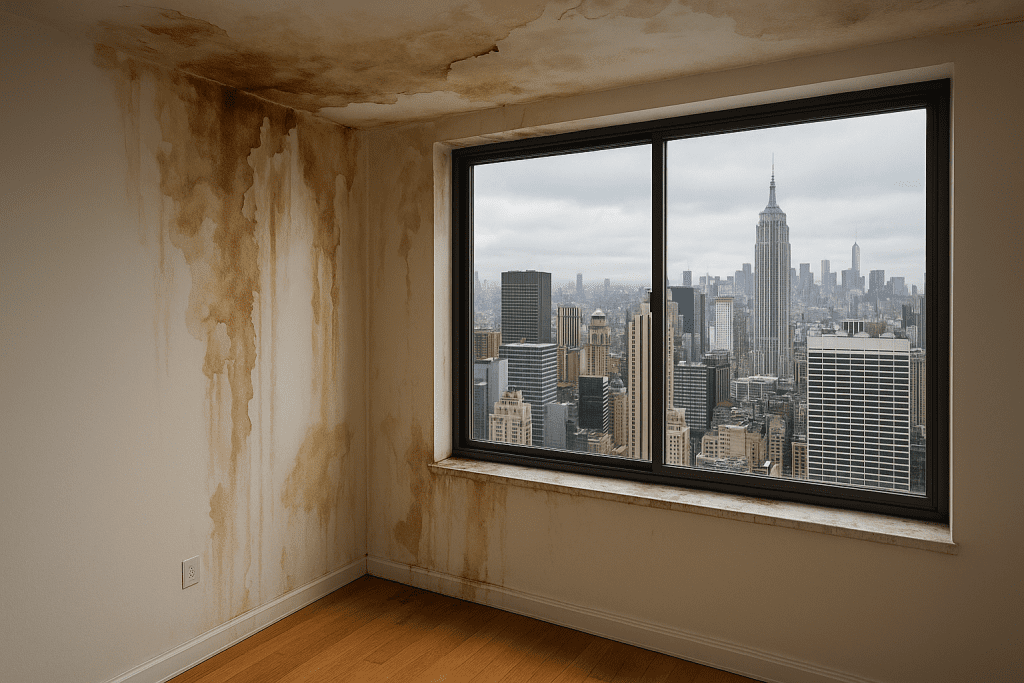
Living in a high-rise apartment in New York City comes with incredible views and convenience, but it also comes with unique risks—especially when water damage strikes. From burst pipes to leaks from neighboring units, water-related issues can disrupt your home, your routine, and your peace of mind. Knowing what happens next can help NYC homeowners and tenants respond effectively. High-Rise Apartment Water Leak Emergency Water leaks in high-rise apartments can escalate quickly, causing structural damage and mold growth. A water leak in a high-rise can be especially severe due to the height, shared walls, and complex building systems, making prompt action essential. Acting fast is critical to minimize damage and protect your home. The first moments after discovering water damage are crucial: Prioritize safety by avoiding contact with wet electrical outlets or appliances. Document the damage with photos and videos for insurance purposes. Contact building management immediately if the damage is significant. In high-rise buildings, management often coordinates emergency responses, such as shutting off water to prevent further damage. Reach out to professional restoration and reconstruction experts like NYTDR to assess and repair your apartment. Responding quickly and following these steps ensures your apartment is protected, helps prevent long-term damage, and streamlines insurance claims. The Role of Professional Restoration and Reconstruction Once the immediate situation is under control, the focus shifts to restoration and reconstruction. Professional teams like NYTDR specialize in repairing and rebuilding affected areas, including walls, ceilings, flooring, cabinetry, kitchens and bathrooms. In high-rise units, where damage can extend to shared walls and structural elements, expert restoration ensures that your apartment is returned to its pre-damage condition safely and efficiently. Mold and Long-Term Considerations Even after visible water is gone, moisture can linger in hidden areas, increasing the risk of mold. Mold can compromise air quality and lead to health issues such as allergies or respiratory irritation. Professional restoration teams address affected materials and rebuild areas properly, helping prevent mold and other long-term problems. Insurance and Next Steps Handling insurance claims is a critical step after water damage, and NYTDR helps NYC residents navigate the process while focusing on restoration and reconstruction: NYTDR assists in documenting all damage with photos and detailed reports to support your claim. Our team works directly with insurers to ensure reconstruction and restoration needs are clearly communicated. We help identify all areas of your apartment that require repair, including walls, ceilings, flooring, and cabinetry. By partnering with NYTDR, you can streamline the claims process while ensuring your apartment is restored safely and thoroughly. Preventing Future Water Damage After your apartment is restored, consider preventive measures such as routine plumbing inspections, proper sealing around windows and bathrooms, and monitoring for leaks in shared walls. For high-rise residents, building-wide maintenance and neighbor awareness also play a key role in preventing future water issues. Conclusion Water damage in a high-rise apartment can be overwhelming, but knowing what happens next makes a difference. Focusing on professional restoration and reconstruction, addressing mold risks, and carefully navigating insurance ensures your home is returned to its pre-loss condition. With the right approach, NYC residents can protect their homes, health, and peace of mind. Experienced a Manhattan High Rise Water Leak? Contact NYTDR today!