Is AI Changing Home Restoration in NYC?
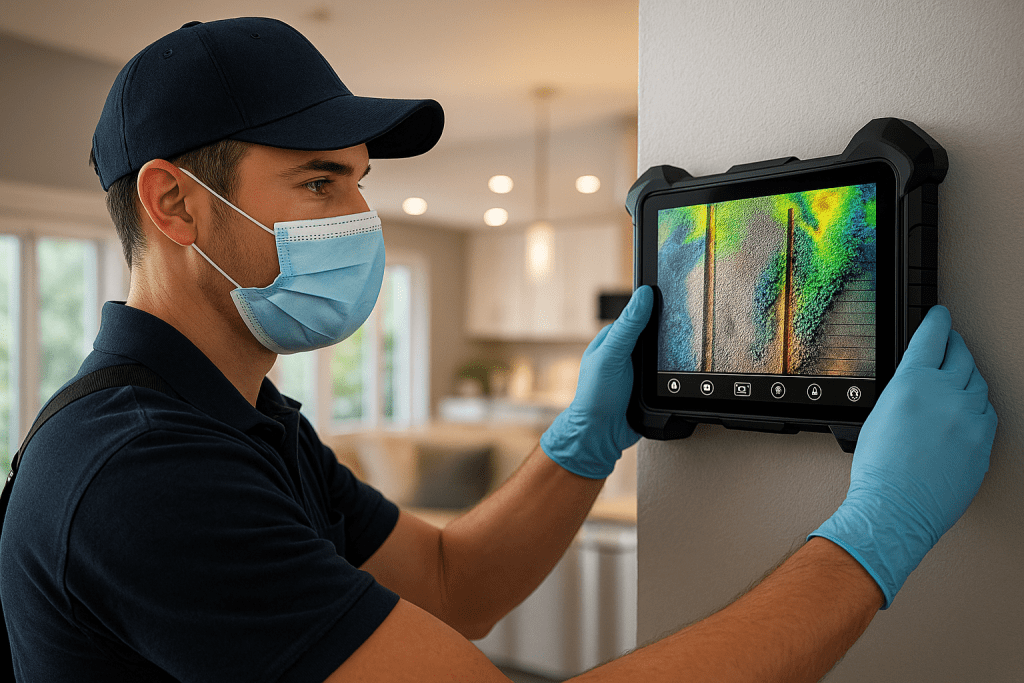
Yes, AI is transforming home restoration in NYC by helping professionals detect and address damage faster and more accurately. AI tools can identify water leaks, mold, and structural issues through imaging and sensors, allowing teams to respond immediately. It also streamlines communication with insurance companies and improves repair efficiency, saving homeowners time, money, and stress. Thermal Imaging in Disaster Recovery Thermal imaging has become an essential tool in modern restoration. Using infrared cameras, restoration teams can spot temperature differences behind walls, ceilings, or floors that the naked eye cannot see. For example, areas where water has pooled or hidden leaks exist often appear cooler than surrounding surfaces. Likewise, thermal imaging can reveal residual heat or fire-damaged structures that might compromise safety. When used effectively, professional restoration teams can detect these hidden issues early, helping homeowners prevent secondary damage such as warped flooring, weakened structures, or mold growth. AI can enhance this process by quickly analyzing thermal data and highlighting areas that may require attention. Smart Sensors, IoT, and Remote Monitoring Beyond cameras, smart sensors and Internet of Things (IoT) devices are revolutionizing how restoration companies monitor damage. Sensors placed in strategic areas can continuously track humidity, temperature, and moisture levels in real time. These devices alert restoration teams immediately when conditions suggest a leak, water accumulation, or mold-friendly environments. Remote monitoring allows technicians to oversee multiple properties at once, ensuring that problems are caught early—even in high-rise apartments or hard-to-reach areas common in NYC buildings. Machine Learning and Predictive Damage Analysis Machine learning adds another layer of intelligence. By processing data from thermal imaging, sensors, and environmental conditions, AI models can predict which areas of a home are most at risk for secondary damage or mold growth. This predictive capability helps restoration teams act proactively, preventing minor issues from turning into major, costly problems. Detecting Mold Early Mold is one of the most insidious threats in water-damaged homes. It can grow behind walls, under flooring, or inside HVAC systems, often unnoticed until it causes health issues or structural damage. AI-assisted tools can detect early signs of mold by analyzing moisture patterns, temperature, and environmental conditions. However, identifying mold is only the first step. Effective remediation requires professional intervention. This is where NYTDR comes in. Our expert team not only confirms AI-flagged areas of concern but performs comprehensive mold remediation and restoration, ensuring homes are safe, clean, and fully restored. Why Homeowners Should Call NYTDR AI and smart technology give homeowners and restoration teams the advantage of early detection, faster assessments, and more precise insights. But technology alone cannot repair homes, manage insurance claims, or ensure that all damage—visible or hidden—is properly addressed. When AI detects a problem, NYTDR is the trusted partner to take action. From mold remediation to full fire, water, or smoke restoration, we combine cutting-edge tools with hands-on expertise. Our goal is simple: restore your home safely, efficiently, and completely. In Short Thermal Imaging: Infrared cameras spot hidden water, fire, and heat damage behind walls, ceilings, and floors. Smart Sensors & IoT: Continuous monitoring of moisture, temperature, and humidity helps detect leaks or conditions that promote mold growth. Machine Learning: AI predicts which areas are at risk of secondary damage or mold, allowing early intervention. Early Mold Detection: AI identifies moisture patterns and environments where mold could develop, giving homeowners a chance to act before problems worsen. Why NYTDR Matters: AI can detect and alert, but expert hands are needed for full remediation and restoration. NYTDR provides the professional service to restore homes safely and completely. When it comes to protecting your NYC home from any damage, mold, or lingering risks, NYTDR is the team to call.
When to Contact Your Local Water Damage Restoration Company
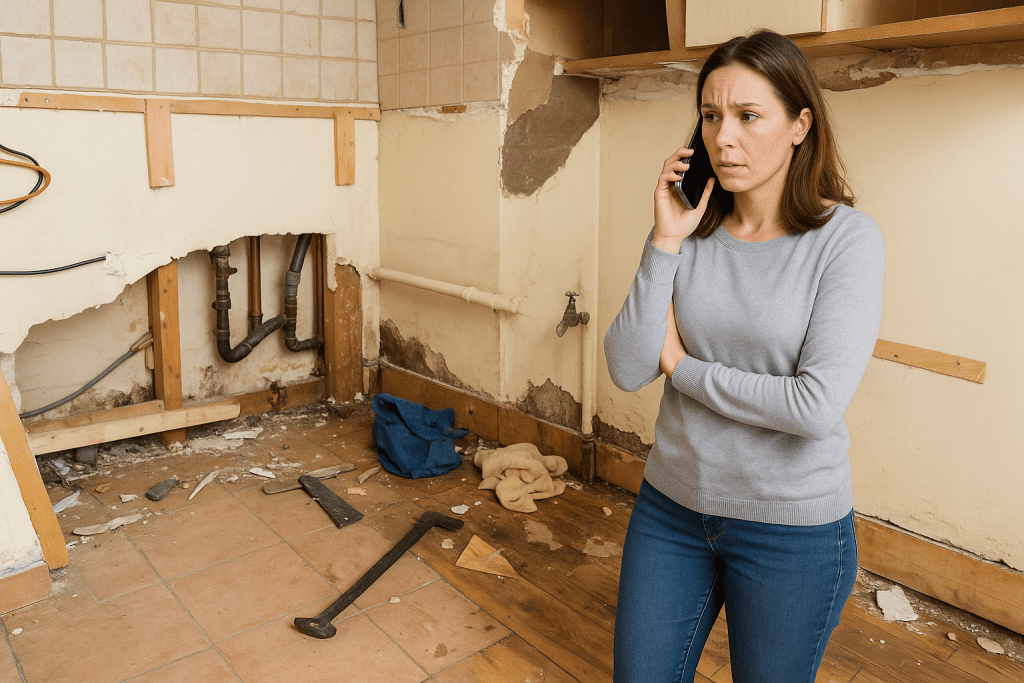
Water damage in your home can escalate quickly, causing structural issues, mold growth, and costly repairs. In a city like New York, where homes are densely packed and space is limited, acting promptly is critical. Knowing the signs of serious water damage and contacting a professional NYC restoration company early can save your home, your wallet, and your peace of mind. When to Call NYTDR Knowing when to contact your local water damage restoration company can prevent small problems from turning into costly, long-term damage. Not every water incident is obvious at first glance — sometimes the most serious issues are hidden behind walls, under floors, or inside ceilings. Here are the key warning signs to watch for: Visible Damage to Structures Keep an eye out for physical changes in your home’s structure. Warped or sagging ceilings, cracked or bubbling walls, or floors that feel soft, uneven, or damaged are all signs that water has affected the integrity of your home. Even small cracks or bulges can indicate a larger problem behind the surface that requires professional repair. Persistent Odors Musty or unusual odors are often the first sign of hidden water damage or early mold growth. If you notice a smell that doesn’t go away, even after cleaning or airing out the area, it may indicate that moisture has penetrated materials like drywall, insulation, or flooring — areas that are difficult to address without expert restoration. Electrical Concerns Water exposure to outlets, wiring, or electrical panels is a serious safety hazard. Flickering lights, tripped breakers, or outlets that feel warm to the touch are warning signs that your home’s electrical system may be compromised. Professional restoration ensures that any damage is properly repaired and safe for your family. Insurance Considerations If water damage affects your home, it’s important to document it properly for insurance purposes. Visible damage, mold growth, or structural issues can all impact your coverage. A professional restoration company can provide detailed reports and photos, ensuring your insurance claim accurately reflects the extent of the damage. Other Subtle Signs Sometimes water damage is not immediately visible. Additional signs to watch for include: Stains or discoloration on walls, ceilings, or floors Swollen doors, window frames, or baseboards Loose or bubbling paint or wallpaper Floors or carpets that feel damp, spongy, or uneven If you notice any of these indicators, it’s a strong sign that your home needs expert restoration. Acting quickly not only protects your property but also helps ensure that your insurance claim is handled accurately and efficiently. Why Timing Matters in Water Damage Restoration Even minor water incidents can lead to hidden damage in walls, floors, and ceilings. Professional water damage restoration companies focus on repairing and rebuilding affected areas, preventing long-term issues such as: Structural weakening of floors, walls, or ceilings Mold and mildew growth if left untreated Damage to personal property Insurance complications if restoration is delayed Delaying professional restoration can turn a manageable problem into a major reconstruction project and may complicate insurance claims. Early intervention is always the safer choice. Situations That Always Require a Professional Certain water damage scenarios demand immediate action from certified restoration specialists: Burst Pipes or Appliance Failures: Structural damage from appliance or plumbing failures Sewage Backups: Contaminated water can damage materials that require professional rebuilding Storm Flooding or External Water Intrusion: Flooding that penetrates foundations, basements, or walls Large-Area Damage: Extensive structural damage affecting multiple rooms or levels Insurance Documentation Needs: Major incidents often require professional reports to ensure full insurance coverage Professional restoration is the only safe way to repair your home fully, prevent further damage, and protect your insurance rights. How a Local Water Damage Restoration Company Protects Your Home Restoration services go beyond surface repairs. Here’s how they safeguard your property while supporting insurance claims: Structural Repairs and Rebuilding: From drywall replacement to flooring, ceilings, and cabinetry, professionals restore your home to pre-damage condition Insurance Collaboration: Our team works directly with your insurance company, documenting damage and repairs professionally to help homeowners navigate claims smoothly Claim Accuracy and Peace of Mind: Proper documentation ensures insurance covers the full extent of damage, reducing disputes or denied claims Subtle Signs That Water Damage May Be Contained While NYTDR is ready to restore your home in all major water damage scenarios, some minor situations may not require an immediate call. These are typically cases where the impact is very localized and hasn’t affected structural elements, hidden spaces, or areas that could compromise your insurance coverage. Examples include: Small, contained incidents that are quickly identified and monitored Brief exposure of surfaces that show no signs of warping, staining, or lingering moisture Situations that don’t present any risk to electrical systems, structural integrity, or mold growth Minor issues where simple measures like stopping the source of a leak or patching small holes prevent further escalation Even in these instances, professional assessment remains the safest approach. NYTDR encourages homeowners to remain attentive and contact us immediately if any of these situations start to escalate, show signs of hidden damage, or affect areas critical to your home’s structure or safety. This ensures your property is fully protected and any potential insurance claim is documented correctly from the start. Protect your property and stop small issues from escalating by reading our guide on How to Stop Water Damage From Getting Worse. Final Thoughts Water damage is unpredictable, but your response doesn’t have to be. Recognizing the signs, understanding the risks, and contacting a professional early can protect your home, your investment, and your insurance coverage. If your NYC home experiences water damage, NYTDR is ready to help. Our expert team specializes in full-scale restoration — working directly with insurance providers to repair and rebuild affected areas efficiently and professionally. With NYTDR, you get professional expertise, insurance support, and peace of mind when the unexpected happens.
How to Manage NYC Insurance Claims for Neighbor Damage
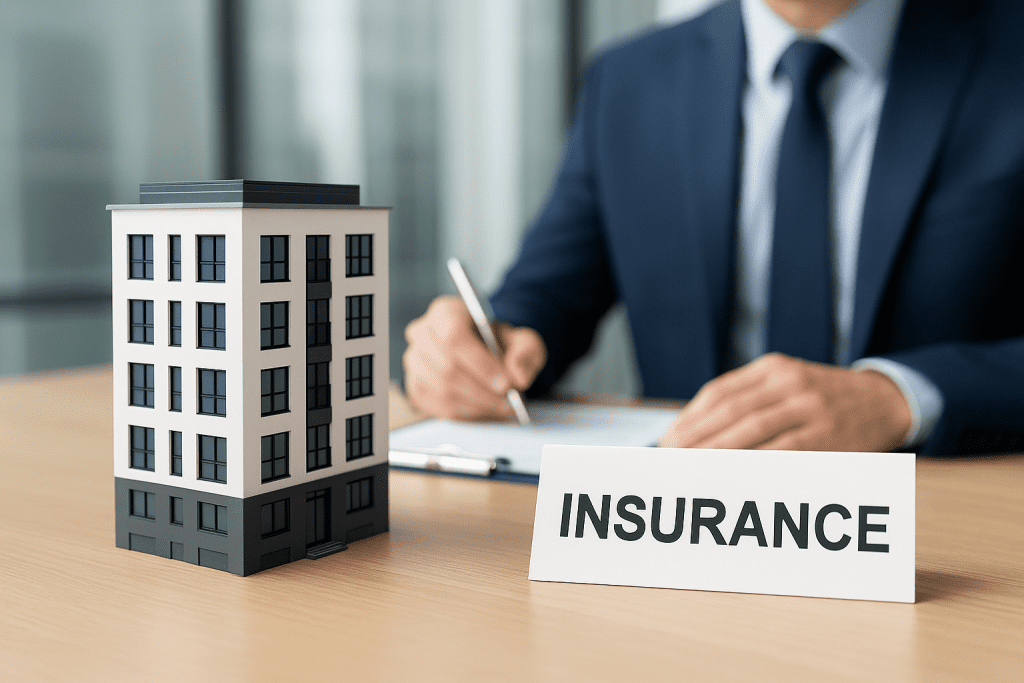
Picture this: you come home to a damp ceiling, bubbling paint, or an overwhelming smoke odor. The source? Not your apartment — but your neighbor’s. For NYC condo and co-op owners, this is more common than you think. With stacked units, shared walls, and aging building systems, someone else’s mistake or maintenance issue can rapidly become your responsibility. NYTDR helps New Yorkers navigate these stressful situations every day. Here is your clear guide to managing insurance when the damage originates from a neighboring unit. Common Ways Neighbor-Related Damage Happens in NYC Buildings Water leaks and floodingOverflowing tubs, dishwasher failures, AC condensate line leaks, and common-area plumbing breaks. Fire and smoke spreadGrease fires, electrical malfunctions, cigarette or candle mishaps — smoke travels quickly between units. Mold from hidden moistureSlow leaks behind shared walls are especially common in pre-war buildings and high-rise mechanical systems. Renovation accidentsUnauthorized construction, improper waterproofing, or drilling into common piping — a rising issue in NYC. Who Pays for the Damage? In New York City multi-unit buildings, liability depends on the origin of the damage and your building’s governing documents. Here’s a streamlined breakdown with relevant legal context: Neighbor’s fault → Their personal liability insuranceIf the damage came from your neighbor’s apartment and was caused by something they did (like leaving a faucet running that flooded into your unit), their personal liability insurance could cover your repair costs. You’ll want to take photos, keep records, and share them with your insurer or your neighbor’s insurance company. Building or shared system failure → The building’s master policyIf the damage is due to a problem in the building’s infrastructure — for example a burst pipe in a plumbing stack, a roof leak, or a failing façade — then the co-op or condo association is usually responsible under their master insurance policy. NYC’s law (NYC Administrative Code § 28-301.1) requires owners to keep buildings safe and well-maintained. For condos, New York’s real property law says the declaration must explain who handles common-element repairs. Unclear or mixed causes → Your own condo or homeowner’s insurance may initiate the claim and pursue repayment later You’ll still be responsible for your deductible up front, but your insurer can later pursue reimbursement from whoever is ultimately at fault. In NYC buildings, responsibility often depends on whether the problem involves the inside of a unit or shared building systems. Your building’s governing documents — like a proprietary lease in a co-op or the declaration and by-laws (which follow New York’s condominium law) — outline who must cover which repairs. Understanding these rules early can help prevent delays and disputes during your claim. What To Do Immediately Whether the damage is visible or suspected: Protect your spaceStop or contain the source if it is safe to do so. Document everythingTake photos and videos with timestamps. Notify your neighbor and management in writingEmail the building super, property manager, and board if applicable. Contact your insurance providerThey can guide coverage steps and preserve your rights. Request a professional damage assessmentNYTDR inspections help determine the cause and the correct responsible party. Quick action prevents additional mold damage and strengthens claim approval. The faster you move, the less chance the damage spreads or turns into a mold problem, and the stronger your insurance claim will be. How The Insurance Claim Process Works in Shared Buildings When navigating a home damage claim, having the right support makes all the difference. NYTDR helps NYC homeowners and condo/co-op residents every step of the way — from documenting the damage and coordinating with your insurance adjuster to ensuring building management and neighbors are properly notified. Our team provides professional assessments, organizes all necessary records, and guides you through subrogation or reimbursement processes. By working with NYTDR, you strengthen your claim, reduce delays, and have trusted experts on your side. Learn more about our services and claims support process with NYTDR. Staying Ahead of Delays and Disputes To help your claim go smoothly, involve your building management early since they control access to shared areas and units. Stay professional with your neighbors, even if the situation is frustrating, and keep organized records of all reports, emails, and repair estimates. Using a licensed NYC restoration company ensures accurate documentation of the damage. Remember, a successful claim depends as much on following the right process as it does on the damage itself. How NYTDR Supports Your Insurance Recovery NYTDR specializes in helping NYC residents manage insurance claims involving water, fire, and mold damage. Our experience includes: Full damage investigations to identify the true source• Documentation that strengthens insurance approvals• Repair and restoration that aligns with building requirements and standards• Coordination with adjusters, building managers, and board members• Licensed, insured experts trusted by New Yorkers and property managers We know how NYC buildings work — and how to protect your investment. Don’t Face Neighbor-Caused Damage Alone When an issue starts in someone else’s apartment, the financial and legal responsibility shouldn’t fall on you. NYTDR is here to make sure the right party is held accountable — and your home and peace of mind are restored quickly and correctly. If you are dealing with water, smoke, or mold damage caused by a neighbor, contact NYTDR to schedule a professional assessment. We advocate for you, support your insurance claim, and restore your home with quality craftsmanship New Yorkers rely on. Protect your home. Protect your investment. NYTDR is always ready to help you move forward with confidence.
What Is a Nor’easter and Why It Hits NYC Homes So Hard
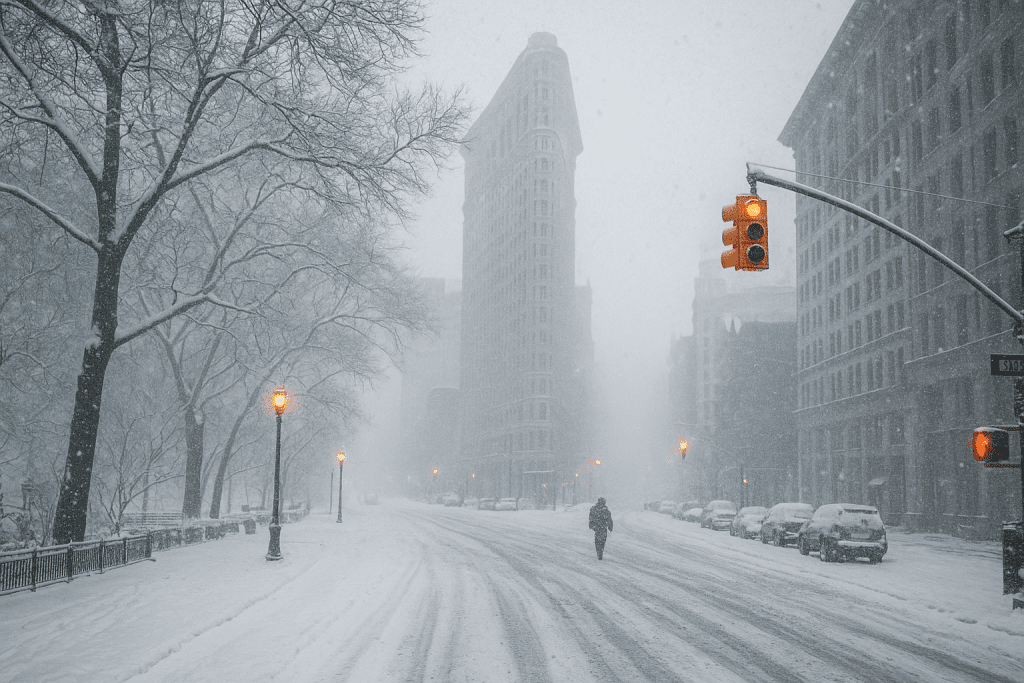
If you’ve ever woken up to howling winds, snow piling against your front door, or icy sidewalks in New York City, you’ve likely experienced a nor’easter. These powerful winter storms are notorious along the East Coast and can cause serious property damage for NYC homeowners—from flooded basements and roof leaks to wind-damaged siding and hidden water infiltration. Understanding how nor’easters form, why they hit NYC so hard, and what steps homeowners can take to prepare is essential for minimizing risk and protecting your home. What exactly is a Nor’easter? A Nor’easter develops when cold air from the north collides with warm, moist air over the Atlantic Ocean. The resulting storm produces heavy snow or rain, strong winds, and rapid changes in atmospheric pressure. Unlike typical snowstorms, nor’easters can linger for hours or even days, dumping large amounts of precipitation while whipping up gusts strong enough to damage homes and streets. Has Your Home Suffered Storm or Flood Damage in NYC? At NYTDR, we help New York City homeowners fully restore their homes after storm, flood, or other damage. Our team manages every step of the process, from assessing structural issues to fully repairing interiors, making your home safe and livable again. We are dedicated to guiding homeowners through recovery quickly and efficiently, minimizing stress, and ensuring families can get back to normal life as soon as possible. How Nor’easters Affect NYC Homes Nor’easters bring multiple hazards that affect homes differently depending on location, building type, and maintenance. Flooding is one of the most visible threats. Coastal neighborhoods such as Lower Manhattan, Brooklyn, and Staten Island are particularly susceptible to storm surge, which can push water into streets and basements. Even homes farther inland can experience basement flooding when drainage systems are overwhelmed during heavy rain or rapid snowmelt. Roof damage is another common problem. Heavy snow accumulation puts pressure on rooftops, especially in older buildings. Ice dams can form when melted snow refreezes at roof edges, forcing water under shingles and causing leaks in ceilings and walls. Proper attic insulation and ventilation can reduce the risk, but older roofs still require careful monitoring. Strong winds can topple trees onto homes, break windows, and damage siding. Outdoor furniture, planters, and trash bins may become dangerous projectiles, adding to property damage. Homes in older or low-rise buildings are particularly at risk because these structures may not withstand prolonged wind exposure as well as newer constructions. Flooded Streets By a Nor’easter Photo taken ByEyewitness News WABC logo Tuesday, October 14, 2025 Practical Steps NYC Homeowners Can Take Before the Storm Inspect and Maintain Your Roof • Check for missing or damaged shingles. • Ensure gutters and downspouts are clear of debris. • Consider professional inspections for older or flat roofs. Protect Pipes from Freezing • Insulate exposed pipes. • Let a slow drip of water run during extremely cold nights. • Seal gaps around windows, doors, and foundation areas to reduce drafts. Secure Outdoor Spaces • Bring in lightweight furniture, trash cans, and garden equipment. • Trim trees and remove dead branches that could fall during high winds. Prepare an Emergency Kit • Flashlights, batteries, and candles • Bottled water and non-perishable food • Blankets, warm clothing, and first aid supplies • A battery-powered or hand-crank radio Plan for Communication and Safety • Keep cell phones charged and have backup batteries. • Know evacuation routes if you live in flood-prone areas. • Check on neighbors, especially seniors or those with limited mobility. After the Storm: Insurance and Restoration Considerations Even with precautions, nor’easters can still cause significant damage. Acting quickly after a storm is critical. File Insurance Claims Promptly: Most homeowners policies require timely reporting. Delays can reduce coverage or lead to claim denial. Document Damage: Take photos or video of affected areas for maximum insurance reimbursement. Work with Experts Like NYTDR: We specialize in ensuring homeowners receive the full insurance payout and managing complete restorations. Our team maximizes coverage, manages repairs, and ensures homes are fully renovated after damage. Tips to Maximize Insurance Claims: Keep detailed records of repairs and contractor estimates. Avoid temporary fixes that could be misinterpreted by adjusters. Work with experienced restoration professionals to advocate for your full claim. Did You Know? Nor’easters can sometimes deposit more snow in NYC than blizzards in upstate New York due to the city’s proximity to the coast and moisture-rich air. The city’s drainage system was not designed for prolonged heavy rain or rapid snowmelt, which is why street and basement flooding is common during these storms. Ice dams are another frequent cause of hidden damage, often affecting ceilings and walls long after the storm has passed. Some of the most notable storms in U.S. history were nor’easters, including the Blizzard of 1888, the Ash Wednesday Storm of 1962, the Blizzard of 1978, and the 1993 “Storm of the Century. Conclusion Nor’easters are more than just winter weather—they pose a real threat to NYC homes. From coastal flooding to roof damage and hidden water infiltration, these storms can leave lasting impacts if homeowners are unprepared. By inspecting your home, protecting vulnerable areas, preparing emergency kits, and knowing how to navigate insurance claims, you can minimize damage and recover faster. Partnering with experts like NYTDR ensures your home is restored properly and your insurance payout is maximized, giving you peace of mind after the storm passes. And if a storm does strike, your local damage restoration company is here to assist every step of the way — from emergency response through full restoration — so you’re never left to handle the recovery process alone.
What Causes Roof Leaks in NYC after Snow Melt?
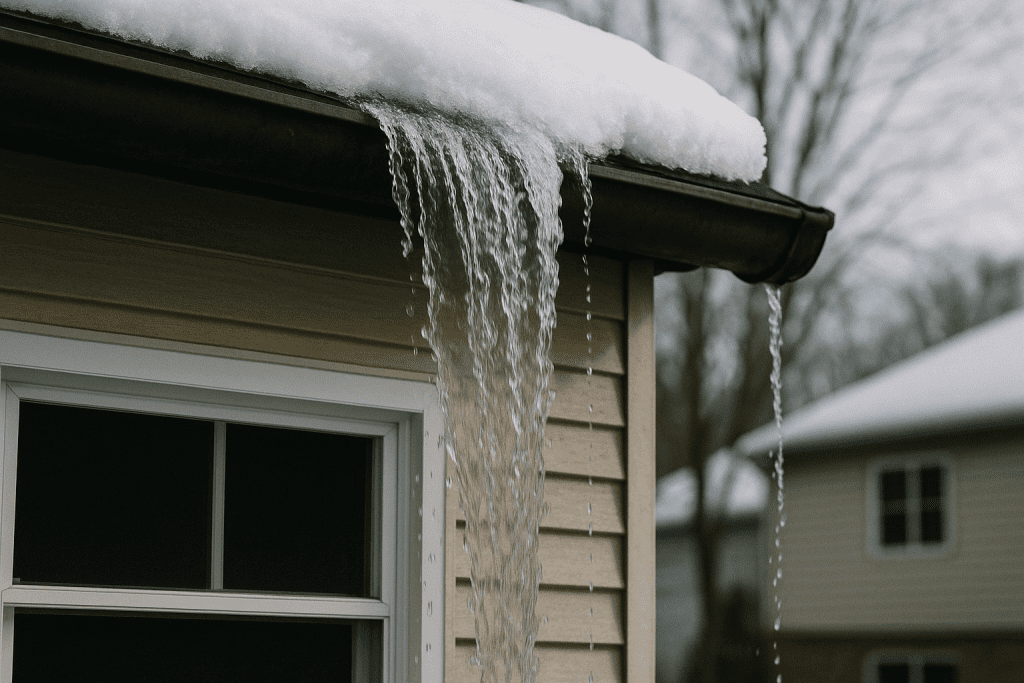
New York City winters bring heavy snowfalls, freeze-thaw cycles, and often dramatic shifts in temperature. When snow melts and refreezes, it can cause ice dams, ponding, or seepage under roofing materials — all of which lead to leaks. For NYC homeowners, the problem is often worse in older buildings (especially brownstones, rowhouses, and pre-war constructions) with flat or low-slope roofs, aging flashing, and insulation that’s not up to modern standards. If snow melt does cause a roof leak, acting quickly is crucial. Water infiltration can spread through ceilings, insulation, and walls, leading to costly interior damage or mold growth. NYTDR offers full water damage restoration services, handling everything after the emergency mitigation and structural drying to complete renovation. Our team also works directly with your insurance company, ensuring that claims are properly documented and homeowners receive the coverage they’re entitled to. In this article, you’ll learn why roof leaks happen from snow melt, what risks are unique to NYC, and the preventative steps you can take this fall and early winter before leaks start. Why Snow Melt Causes Leaks Roof leaks from snow melt begin when warm air from inside your living spaces escapes into the attic or roof deck, heating the roof surface and causing the snow above it to melt. As the melted water runs down to the colder roof edges or eaves, it refreezes and forms ice dams that block proper drainage. This trapped water can back up under shingles or roofing membranes, seeping into flashing, soffits, and even through penetrations like vents and skylights. Homes with flat or low-slope roofs—common throughout New York City—are particularly vulnerable because standing water, or “ponding,” tends to linger instead of draining quickly. Over time, damaged flashing, aged roofing materials, and cracked or worn seals around vents and chimneys further weaken the roof’s defenses, making leaks from snow melt more likely. NYC-specific factors Many NYC homes are pre-war, brownstones, or rowhouses where insulation is minimal, attic spaces are cramped or non-existent, and roof slopes are low or flat. Building codes, roof maintenance access, co-op/condo board restrictions, and landmark status can complicate interventions. Winter cycles in NYC: freezing nights, warmer days → frequent melt/refreeze cycles. Inspect Your Roof Before Winter How to Prevent Roof Leaks After Snow Melt in NYC The best defense against post-snow-melt leaks is proactive maintenance and professional inspection. 1. Insulate and Seal Your Roof Properly Reduce heat escaping from the building by upgrading insulation and sealing attic openings. This helps maintain a consistent roof temperature and prevents ice dams from forming. 2. Maintain Adequate Ventilation Balanced roof ventilation (intake and exhaust vents) allows warm air to circulate evenly, preventing hot spots that cause uneven melting. 3. Clean Gutters and Drains Regularly Before winter, clear all debris, leaves, and sediment from gutters, scuppers, and drains. A clear drainage path allows meltwater to flow freely, reducing pooling and freeze-back. 4. Inspect Flashing and Membranes Check for cracks, lifted seams, or deteriorating flashing around chimneys and vents. Re-seal or replace damaged sections before the next freeze. 5. Install Ice-and-Water Shield or De-Icing Systems For roofs prone to ice dams, consider adding an ice-and-water barrier under the top layer of roofing or installing heated cables along eaves and gutters. Warning Signs of a Roof Leak After Snow Melt Homeowners should watch for these early indicators of a problem: Water stains or brown patches on ceilings and walls. Bubbling or peeling paint near the roofline. Damp insulation or musty odors in the attic. Dripping sounds or visible moisture during warm afternoons after snow. Icicles or excessive ice buildup along roof edges or gutters. These symptoms often appear within days of the first major thaw, so early action can prevent long-term damage. Learn more about How to Check for Water Damage in your Apartment and protect your home this winter with NYTDR’s expert restoration and inspection services. What to Do If Leak Has Already Started Even with best prevention, leaks may still occur. Here’s immediate action you can take: Locate the leak’s source: attic inspection for water stains, drips, mold. Trace back water’s path (not always directly above drip). Apply a temporary patch / tarp until repairs are possible. Use roofing cement or waterproof tarp securely fastened. Call an experienced NYC roofing / restoration contractor like NYTDR, especially for flat roofs, membrane systems, or where flashing needs replacement. Be mindful of building / co-op approvals. Does Homeowners Insurance Cover Roof Leaks from Snow Melt in NYC? When melting snow causes a roof leak, many NYC homeowners wonder whether their insurance will pay for the damage. In most cases, policies cover sudden and accidental leaks, such as those caused by ice dams, roof collapse, or storm-related damage. However, if the issue stems from lack of maintenance, clogged drains, or aging materials, coverage may be denied. Because the cause determines eligibility, it’s essential to document all damage, take photos, and contact your insurer before starting repairs. Insurance companies aim to protect homeowners’ best interests by ensuring properties are safely restored and safeguarded against further damage but accurate documentation and expert assessment make all the difference. Working with a licensed restoration contractor like NYTDR helps confirm the true source of the leak, ensures emergency mitigation is completed promptly, and streamlines communication with your insurer for the best possible outcome. Cost vs Benefit (NYC Considerations) Upgrade costs can be substantial – Improving roof insulation, ventilation, or flashing requires investment, particularly in older NYC buildings. These upgrades directly reduce the risk of snow melt causing leaks, ice dams, or water intrusion. Risks of inaction – Ignoring roof vulnerabilities increases the likelihood of interior water damage, mold growth, and costly insurance claims when winter snow melts and seeps into your home. Proactive investment pays off – Addressing roofing weaknesses before snow accumulates and melts often saves significantly more than emergency leak repair, water remediation, or structural restoration after damage has occurred. When Roof Leaks Cause Interior Damage Once water enters your home, it can spread rapidly through insulation, ceilings,
Insurance Tips Every NYC Renter Should Know Before a Disaster
New York City renters face unique risks. Fires in neighboring units, water leaks from upstairs neighbors, and smoke damage from hallway incidents are all common in high-density buildings. Renters insurance can be a lifeline, but too often tenants only discover its limitations after disaster strikes. At NYTDR, we’ve guided NYC renters through the insurance process while repairing fire, water, and mold damage. Based on what we see most often, here are the key insurance insights every NYC renter should understand in advance. 1. Landlord Coverage Doesn’t Extend to Your Belongings A landlord’s policy repairs the building, not your personal property. After a kitchen fire or burst pipe, the walls and ceilings may be restored—but your sofa, clothing, or laptop are only covered if you carry renters insurance. 2. Water Damage Depends on the Source Water damage is one of the most frequent claims in NYC apartments, and many tenants ask: does renters insurance cover water damage? The answer depends on the source. A broken pipe or appliance leak inside your apartment is typically covered. Water that seeps down from an upstairs neighbor’s overflow is often covered as well. Flooding from heavy rain or storm surge usually requires a separate flood policy. Basement and ground-level apartments are especially vulnerable, yet many renters don’t realize their policies exclude flood damage. 3. Smoke Damage Can Be Just as Destructive as Flames Even if a fire never reaches your unit, smoke can ruin clothing, furniture, and electronics. This type of damage is generally covered under renters insurance, but claims are much smoother if you have photos or an inventory of affected items. 4. Additional Living Expenses Have Limits If your apartment becomes uninhabitable, most policies cover temporary housing under “Additional Living Expenses” (ALE). However, in New York City, hotel rates and short-term rentals can exhaust this allowance quickly. Reviewing and, if needed, increasing this limit ensures you’re not forced to pay out of pocket while displaced. 5. Liability Coverage Protects You Beyond Your Apartment Accidents in one unit often affect others. A small leak from your sink can damage the ceiling below, or a candle left unattended can spread fire to neighboring units. Liability coverage addresses these situations, but limits should be high enough to reflect the cost of repairs in NYC buildings. 6. Valuable Items Often Require Extra Protection Renters insurance covers belongings, but high-value items—like jewelry, artwork, or certain electronics—are capped at relatively low amounts. Scheduling these items under a separate rider or endorsement ensures full reimbursement if they’re lost, stolen, or damaged. 7. Documentation Is Critical to Smooth Claims After a disaster, insurers require proof of what you owned and its condition. Creating a simple home inventory—whether through receipts, photos, or a quick video walkthrough—can make the claims process faster and more accurate. 8. Use Claims Strategically Insurance is there for protection, but filing frequent claims for minor issues can raise premiums or affect future eligibility. In some cases, it may be wiser to handle smaller losses personally and reserve claims for significant events. Final Thoughts Insurance for NYC renters is more complex than it first appears. Understanding what’s covered—and where the gaps are—can prevent costly surprises after a fire, flood, or other disaster. At NYTDR, we restore homes after major damage and help renters navigate the insurance process with clarity. By reviewing your policy thoroughly and taking small steps like documenting belongings and checking coverage limits, you’ll be far better prepared when the unexpected happens.
10 Warning Signs of Mold Toxicity
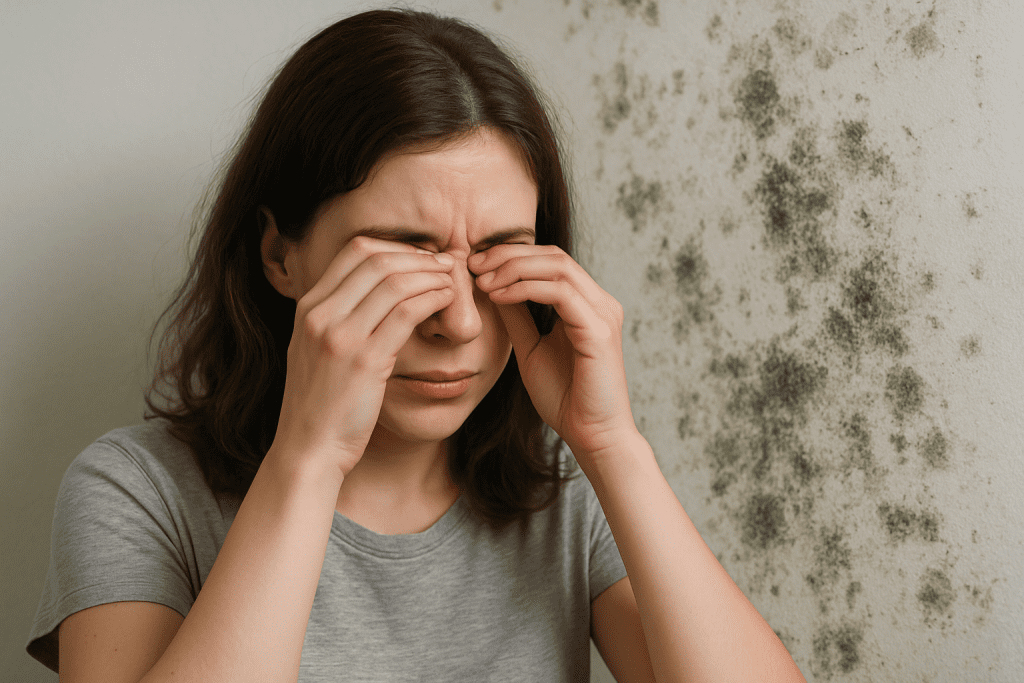
Mold in your home isn’t just an eyesore or a maintenance problem—it can be a serious health risk. When mold spreads indoors, it releases microscopic spores and mycotoxins that may cause a wide range of symptoms, often mistaken for allergies or other illnesses. At NYTDR, we have seen the damage mold can cause not only to property, but also to health. Knowing the warning signs can help you act fast and protect both your home and your well-being. 1. Persistent Respiratory Issues Coughing, wheezing, shortness of breath, or worsening asthma can all point to mold exposure. Mold spores irritate the lungs and airways, especially in children and people with pre-existing conditions. Chronic Sinus Problems Stuffy nose, sinus pressure, and repeated sinus infections are often linked to mold, particularly in damp environments. Some people first experience mold allergies before symptoms progress into more serious health issues. Learn more about the early signs of mold allergy here. 3. Frequent Headaches Toxins released by mold can trigger inflammation and recurring headaches, sometimes mistaken for migraines. 4. Fatigue That Won’t Go Away Constant tiredness, even after rest, may be a sign your immune system is working overtime to fight mold exposure. 5. Brain Fog and Memory Issues Difficulty concentrating, forgetfulness, and slowed thinking are common complaints linked to mold toxicity. 6. Skin Irritation and Rashes Mold exposure can cause itchy, red, or dry skin, especially in people with sensitivities. 7. Eye Irritation Watery, itchy, or red eyes may be caused by mold spores in the air. 8. Mood Swings or Anxiety Some studies suggest mold toxins can affect the nervous system, leading to changes in mood, anxiety, or depression-like symptoms. 9. Digestive Problems Nausea, diarrhea, or stomach pain can sometimes be traced back to mold exposure, especially if food or water sources are contaminated. 10. Heightened Allergic Reactions If you suddenly feel more sensitive to dust, pollen, or pets, hidden mold could be aggravating your immune system. What to Do If You Suspect Mold Toxicity If you or your family members are experiencing several of these symptoms—especially if they improve when you’re away from home—mold may be the culprit. The next step is mold removal and mold remediation by experienced professionals. At NYTDR, we provide full-service solutions, including: Professional mold removal that eliminates visible and hidden mold sources. A trusted remediation mold company approach that addresses root causes, not just surface damage. Safe and effective mold abatement methods to restore indoor air quality. Licensed mold removal specialists working directly with your insurance company to streamline claims and handle every step with precision We don’t just remove visible mold—we locate hidden moisture, prevent future growth, and restore your property to a safe, healthy condition.
Does NYC homeowners insurance cover accidental damage
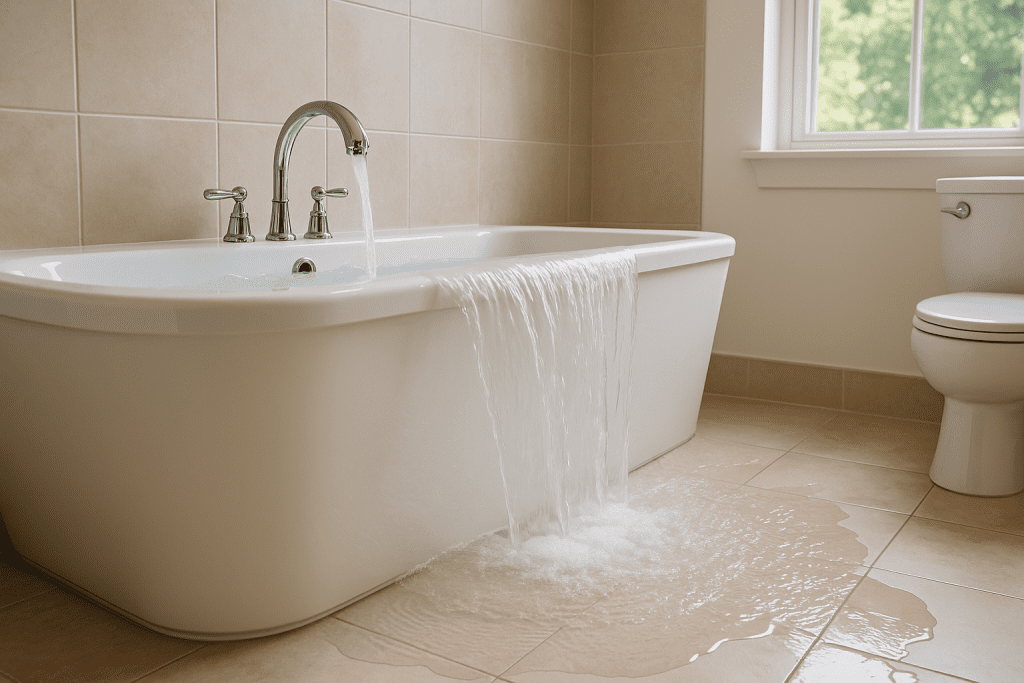
Homeownership in New York City comes with perks—but also responsibilities and risks. One question many NYC homeowners ask is: does homeowners insurance cover accidental damage? Accidents happen—maybe a ball crashes a window, a water pipe bursts, or a kitchen mishap starts a small fire. Understanding homeowners insurance and what your policy covers can save you stress, costly repairs, and unnecessary delays. What Is Accidental Home Damage Coverage? Accidental home damage coverage is an optional feature in many homeowners insurance policies that protects against sudden, unintentional events that cause damage to your property. In NYC, this can include: Dropped items breaking floors, countertops, or appliances Damage caused by pets or children Accidental spills or leaks causing permanent stains or water damage Standard homeowners insurance often covers major incidents like fire, theft, or storm damage, but may not automatically cover everyday accidents. Adding accidental damage coverage ensures your home is protected against both small and unexpected mishaps. When a Small Accident Escalates Many homeowners worry: if a small accident—like being careless in the kitchen—leads to a larger incident, will insurance cover it? In most cases, yes. Homeowners insurance generally covers the full damage resulting from an accidental event, even if it starts small and escalates. For example, a minor kitchen fire that spreads to cabinets, walls, or appliances is typically covered as long as it was unintentional and not deliberate or due to gross negligence. Secondary damage—like water damage from firefighting efforts or mold growth afterward—is also usually covered, depending on the policy. At NYTDR, we help NYC homeowners navigate these situations by documenting the full scope of damage and advocating for coverage so that both primary and secondary repairs are included. Our goal is to ensure that accidents, no matter how small at first, are fully addressed and properly restored. Why Accidental Damage Coverage Matters for NYC Homeowners Accidents can happen at any time, and repair costs in Manhattan, Queens or anywhere in NYC can be significant. By adding accidental damage coverage, you can: Protect high-value flooring, cabinetry, and appliances Avoid unexpected out-of-pocket repair expenses Gain peace of mind knowing minor mishaps won’t escalate into financial strain We’ve seen how small incidents, like water leaks, or minor incidents, can quickly escalate into major issues requiring fire damage repair or water damage restoration. Having coverage and expert guidance ensures homeowners respond quickly and effectively. NYTDR’s Aim At NYTDR, our aim is to make the insurance process straightforward and stress-free for NYC homeowners. We carefully review each policy, identify coverage gaps, and advocate for our clients to ensure they receive the protection they’re entitled to. Whether it’s accidental damage or larger incidents, we guide homeowners through the claims process with expertise and care, helping minimize expenses and maximize their coverage. Our focus is on delivering the best possible outcome for homeowners across New York City to get the coverage they deserve. What Does Homeowners Insurance Not Cover Even with accidental damage coverage, there are limits. Common exclusions include: Wear and tear or maintenance issues: Aging plumbing, old wiring, or structural wear isn’t typically covered Intentional damage: Damage caused deliberately by a homeowner or tenant Flood or earthquake damage: Separate NYC policies are required Pest damage: Termites, rodents, and other infestations Understanding these exclusions helps homeowners make informed decisions about additional coverage or preventive measures. Bottom Line NYC homeowners should carefully review their insurance policies to see whether accidental damage coverage is included or can be added. While standard homeowners insurance protects against major incidents, adding accidental damage coverage ensures protection against everyday mishaps that could escalate into larger problems. If you’re dealing with any major damage to your NYC home, NYTDR is here to guide you. Our expertise in insurance claims and full-service restoration ensures repairs are handled quickly and correctly, helping you get your home back to its original condition.
Storm and Disaster Restoration Services in NYC
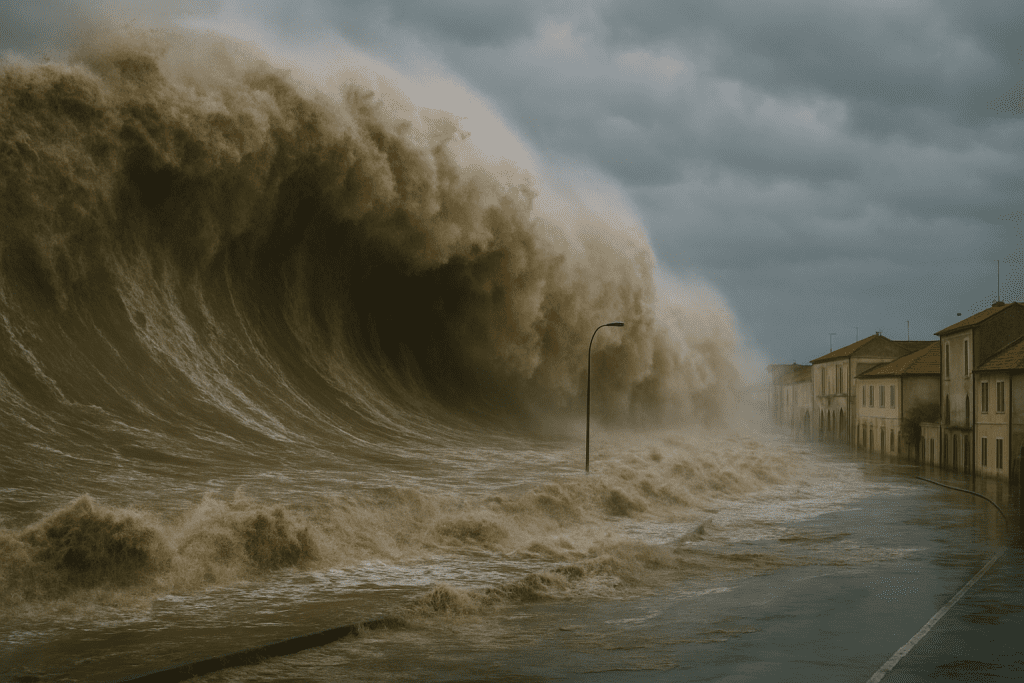
Severe storms and unexpected disasters can strike New York City and the surrounding areas without warning, leaving homes and businesses vulnerable to significant damage. From flooding and wind damage to fire and structural issues, the aftermath of a disaster requires immediate and professional attention. NYTDR, your local home damage restoration service, specializes in restoring properties quickly, safely, and efficiently. What Are Storm and Disaster Restoration Services? Storm and disaster restoration services are professional solutions designed to repair, clean, and restore properties damaged by natural or man-made disasters. These services are critical for New York homeowners, landlords, and property managers who want to protect their property and prevent long-term damage. Common disasters requiring restoration services in NYC include: Severe storms and high winds: Hurricanes, nor’easters, and thunderstorms can damage roofs, windows, and siding. Flooding: Heavy rainfall, flash floods, and plumbing failures can cause extensive water damage to basements, apartments, and commercial properties. Fire and smoke damage: Fires caused by electrical faults, kitchen accidents, or storm-related incidents leave soot, smoke odors, and structural damage. Fallen trees and debris: Strong winds can cause trees and debris to damage roofs, fences, and vehicles. What To Do Immediately After a Disaster When a storm or disaster strikes, the first few hours are critical. Taking the right steps can protect your safety, strengthen your insurance claim, and prevent further property damage. Prioritize Safety – Check for injuries and avoid entering damaged buildings until they are declared safe. Watch for hazards like gas leaks, exposed wiring, or unstable structures. Document the Damage – Take clear photos and videos of affected areas, including personal belongings and structural damage, before making temporary repairs. Prevent Further Damage – If safe, cover broken windows, place tarps over roof leaks, and shut off utilities to reduce risks. Keep receipts for any emergency repairs, as these may be reimbursable. Secure Important Documents – Store insurance policies, ID, and property records in a waterproof, fireproof container or upload digital copies to the cloud. Avoid Common Mistakes – Don’t discard damaged items until your insurance adjuster has inspected them, and don’t attempt major repairs yourself if it could affect coverage. Call NYTDR immediately – Our team responds quickly to secure your property, coordinate with your insurance company, and handle the full restoration process from start to finish—ensuring nothing is overlooked and your home is brought back to pre-disaster condition. Key Storm and Disaster Restoration Services NYTDR provides a full range of restoration services for New Yorkers, including: Emergency Damage AssessmentOur certified professionals quickly evaluate your property to determine damage severity, safety risks, and the best restoration plan. Insurance Coordination and Claim SupportNYTDR helps homeowners navigate the insurance claims process after storm or disaster damage. They provide detailed damage assessments, documentation, and guidance to ensure claims are processed efficiently, helping you access the restoration services needed without unnecessary delays. Structural Repairs and Full RestorationFrom damaged shingles to compromised foundations, NYTDR ensures your property is safe, secure, and restored to pre-disaster condition. Mold RemediationMold can grow within 24–48 hours after water or storm-related damage. NYTDR coordinates professional mold remediation to remove mold safely and prevent future growth. Why Choose NYTDR for NYC Storm and Disaster Restoration Restoring a property after a storm or disaster requires specialized skills, equipment, and local knowledge. NYTDR’s New York-based restoration experts provide: Fast emergency response for NYC and surrounding 5 boroughs. Certified and experienced professionals trained to handle all types of disaster damage. Comprehensive services NYTDR work directly with your insurance company to full renovation Protect Your NYC Property Today Storms and disasters are unpredictable, but the right restoration service can significantly reduce damage and restore your home faster. For New York homeowners and property managers, NYTDR offers trusted, local expertise to get your property back to its pre-disaster condition safely and efficiently. Contact NYTDR today for emergency storm and disaster restoration services in New York City and the surrounding areas.
How to Tell If Water Damage Is New or Old
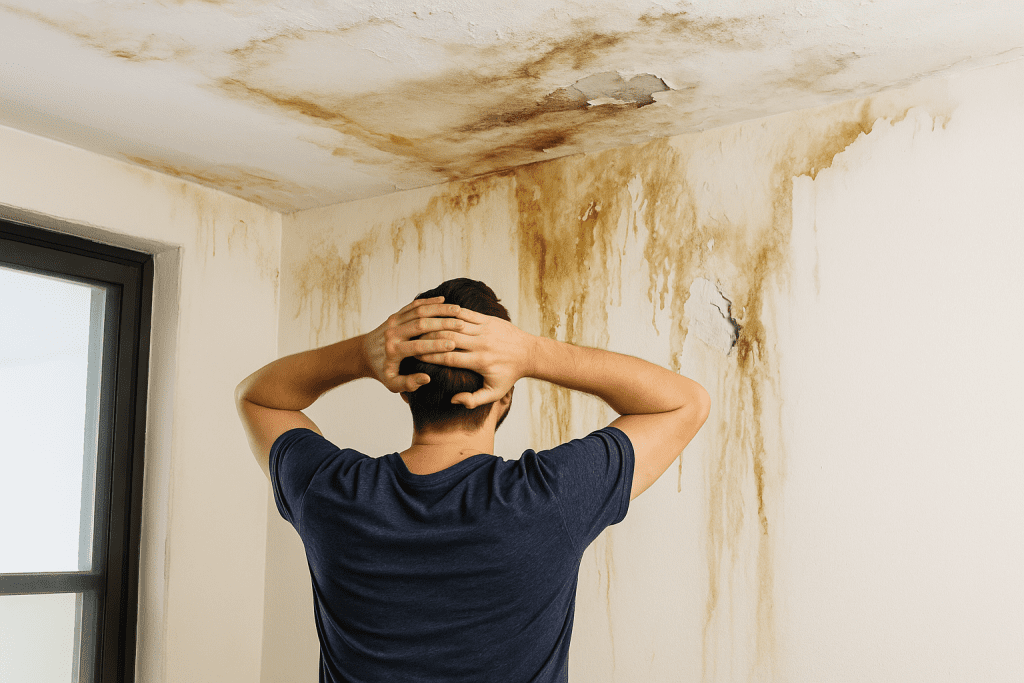
Water damage can be a silent threat to your New York home, sometimes going unnoticed until it causes serious structural or health issues. Whether it’s from a burst pipe, a leaky roof, or flooding, identifying whether water damage is new or old is crucial for taking the right steps toward restoration. NYTDR is here to help homeowners across New York City to identify water damage and prevent further problems. Signs of New Water Damage New water damage usually presents itself with distinct visual and physical cues. Look for these warning signs: Wet or Damp Surfaces – Fresh water damage often leaves walls, ceilings, or floors visibly wet or damp. Musty Odor – A new water leak may produce a faint, clean damp smell initially. Bubbling or Peeling Paint – Moisture from recent leaks can cause paint or wallpaper to lift. Standing Water or Puddles – New damage may leave visible water accumulation in basements, bathrooms, or under sinks. If you notice any of these signs in your NYC property, it’s important to act fast. Signs of Old Water Damage Old water damage often has more subtle, lingering effects, but it can be just as destructive. Common signs include: Discoloration or Stains – Yellow or brown patches on walls, ceilings, or floors indicate long-term water exposure. Warped or Cracked Materials – Wood, drywall, and flooring can warp, buckle, or crack over time due to prolonged moisture. Mold or Mildew Growth – Persistent moisture creates the perfect environment for mold and mildew. Watch for black, green, or white spots, often with a strong musty odor. Structural Weakness – Old water damage can compromise beams, joists, or drywall, weakening the overall structure of your home. If you detect these signs in your NYC home, it’s time to contact a professional water damage restoration company like NYTDR to assess and remediate the issue before it escalates. Why Acting Quickly Matters Water damage, whether new or old, can have serious consequences: Health Risks: Mold and mildew can trigger allergies, asthma, and other respiratory problems. Structural Damage: Prolonged water exposure can weaken walls, ceilings, and floors. Property Value Loss: Unaddressed water damage can reduce your home’s market value. NYTDR provides fast, reliable, and professional water damage restoration services across all five boroughs of New York City, helping homeowners prevent further damage and restore their properties safely. How NYTDR Can Help At NYTDR, our expert team conducts thorough inspections to determine whether water damage in your NYC property is new or old. Using advanced equipment, we identify hidden moisture, assess the structural impact, and create a customized restoration plan tailored to your needs. Our comprehensive services cover everything from emergency water extraction and mold remediation to ceiling, wall, and floor restoration, as well as full insurance claim assistance to make the process as stress-free as possible. We proudly serve homeowners and businesses across Manhattan, Brooklyn, Queens, The Bronx, and Staten Island, delivering fast, reliable, and affordable water damage restoration solutions throughout New York City. Final Thoughts Knowing the difference between new and old water damage can save you time, money, and stress. If you notice any signs in your New York home, don’t wait—contact NYTDR for a free consultation and professional water damage restoration service today.