The Human Touch: How NYTDR Supports Homeowners Throughout the Restoration Journey

When disaster strikes, it leaves homeowners feeling overwhelmed and vulnerable. Whether it’s a fire, flood, or other unforeseen calamities, the emotional toll can be immense. At NYTDR (New York Total Damage Restoration), we understand that restoring a damaged home is not just about fixing physical structures; it’s about rebuilding lives and providing a sense of security during challenging times. In this blog post, we delve into how NYTDR extends a compassionate and supportive hand to homeowners throughout the restoration journey, making the process as smooth and reassuring as possible. Empathy at the Forefront: At NYTDR, we believe that empathy forms the bedrock of our services. Our team of restoration experts understands the distress and upheaval that homeowners face when their homes suffer damage. As soon as we receive a call for assistance, our priority is to reach out to the affected homeowners promptly. Our compassionate customer support team listens attentively, offering comfort and reassurance, while swiftly mobilizing the restoration crew to assess the situation. Clear, Transparent Communication at Every Step Homeowners deserve clarity — especially during stressful events. That’s why our project managers explain the full restoration process, step-by-step: What the damage assessment involves How long restoration may take What repairs or mitigation steps are needed What challenges may arise along the way This transparency helps homeowners feel in control and confident in the plan. Personalized Solutions: Every home and homeowner is unique, and we recognize that a one-size-fits-all approach does not work in the restoration process. At NYTDR, we tailor our solutions to meet the specific needs and preferences of each homeowner. We take into account factors such as budget, timelines, and personal belongings, ensuring a customized restoration plan that aligns with the homeowners’ requirements. Emotional Support: Home damage can evoke a range of emotions, from frustration and anxiety to grief and sadness. Our restoration experts are not only skilled professionals but also compassionate individuals who understand the emotional toll of such events. We are there to lend a listening ear, providing emotional support to homeowners as they navigate the restoration journey. Minimizing Disruption: Home restoration projects can be disruptive to daily life, and we strive to minimize this disruption as much as possible. Our team works efficiently and swiftly, prioritizing tasks to get homeowners back to their regular routines as soon as feasible. Throughout the restoration process, we take care to maintain a clean and safe working environment, respecting the homeowners’ space and belongings. Comprehensive, Detail-Oriented Restoration NYTDR goes far beyond surface-level repairs. Our restoration process is designed to uncover and resolve every layer of damage, not just the visible signs. Once the initial cleanup or mitigation is complete, our team performs a full diagnostic inspection of the property using professional tools and industry best practices. This allows us to identify hidden issues that, if left untreated, can lead to recurring damage or long-term safety concerns. Some of the most common underlying problems we look for include: Moisture behind walls and flooring, which can cause structural deterioration or future mold growth Mold or microbial activity, especially after water damage or prolonged humidity Electrical hazards, such as damaged wiring, overloaded circuits, or water-exposed panels Structural weaknesses, including compromised beams, subfloors, insulation, and load-bearing components Our detail-oriented approach ensures that we address these issues early—before they escalate and become more costly or dangerous. Conclusion: At NYTDR, we believe that providing the human touch is essential in delivering exceptional home restoration services. Beyond repairing damaged structures, our mission is to bring hope, compassion, and support to homeowners during times of crisis. By placing empathy and clear communication at the forefront of our services, we strive to alleviate the stress of the restoration journey, allowing homeowners to focus on rebuilding their lives and embracing a brighter future.
Maximizing Your Insurance Claim: Dos and Don’ts

Dealing with home damage in New York City can be overwhelming, especially with the fast pace of NYC living, high-rise buildings, co-ops, and condo regulations. Knowing how to navigate the insurance claim process can make the difference between fair compensation and a costly setback. At New York Total Damage Restoration (NYTDR), we help NYC homeowners streamline their insurance claims, document damage properly, and recover quickly after water damage, fire, mold, storms, and other unexpected disasters. Below is a complete guide to the essential dos and don’ts when filing a home damage insurance claim in NYC The Most Important Do’s When Filing a Home Damage Insurance Claim 1. Document Everything Take thorough photos and videos of the damage before making any repairs. Capture multiple angles and keep a detailed record of every communication with your insurance company. 2. Act Quickly Notify your insurance provider as soon as you discover damage. Quick action helps speed up the claims process and prevents additional damage — especially important in NYC apartments where issues can spread to neighboring units. 3. Mitigate Further Damage Take reasonable steps to protect your property. This can include tarping damaged areas, boarding windows, controlling leaks, or shutting off utilities if needed. 4. Review Your Policy Read your policy carefully so you understand what is covered, what exclusions apply, and any deadlines for filing a claim. Missing a requirement can reduce or eliminate your compensation. 5. Hire a Professional Hire a licensed NYC contractor or restoration company like NYTDR to assess the damage and provide a detailed estimate. Professionals ensure all structural, hidden, and secondary damage is fully documented for your claim. 6. Keep Records of Expenses Track all repair costs, hotel stays, temporary accommodations, transportation, meals, and other additional living expenses related to the damage. 7. Advocate for Yourself If your settlement seems unfair or undervalued, push back respectfully. Provide documentation, evidence, and follow up consistently with your insurance adjuster. The Don’ts of Filing a Home Damage Insurance Claim 1. Don’t Wait Too Long to File Delaying your claim can lead to missed deadlines, suspicions of neglect, or outright denial. File promptly. 2. Don’t Discard Damaged Items Do not throw away damaged belongings until the insurance company evaluates them. Keeping items helps justify replacement and repair coverage. 3. Don’t Accept the Initial Offer Without Question Insurance companies often start with a low offer. Negotiate or get a second opinion if the settlement does not reflect the true cost of repairs or replacement. 4. Don’t Overstate the Damage Document everything accurately, but never exaggerate. Stick to factual evidence to avoid complications or delays. 5. Don’t Neglect Regular Maintenance Insurance companies may deny claims if they determine damage resulted from lack of upkeep. Routine maintenance strengthens your case. 6. Don’t Sign Anything Without Understanding It Review all documents and agreements before signing. Ask questions or consult a legal professional if anything seems unclear. 7. Don’t Give Up If your claim is denied or undervalued, you still have options. You can appeal, request a reinspection, hire a public adjuster, or seek legal guidance Get Expert Insurance Claim Support from NYTDR At NYTDR, we know how stressful it is to deal with home damage — especially in a city as complex as NYC. Our experienced team guides homeowners through every step of the insurance claim and restoration process, ensuring you receive the compensation needed to restore your home fully and safely. Contact NYTDR today for expert help with your insurance claim, professional damage documentation, and complete restoration services.
What Will Happen to Home Insurance in 2026?
Home insurance across the United States is going through major changes, and 2026 is shaping up to be another year of rising rates, stricter rules, and tougher approval processes for claims. From premium increases to coverage limitations, the market is shifting fast. For New York homeowners, especially those dealing with fire, smoke, water, or mold damage, these changes can feel overwhelming. As NYTDR (New York Total Damage Restoration), we work directly with insurance companies every day. We see firsthand how policies are evolving and how homeowners can prepare, protect themselves, and get the best possible outcome when damage happens. This breakdown explains what is likely to happen in 2026, why it’s happening, and how NYTDR guides you through the process from start to finish. Why Home Insurance Is Changing in 2026 Rising climate risks Across the country, insurers are facing more frequent and expensive disasters: storms, floods, wildfires, and extreme weather events. Even in New York, heavy rain events and water-related damage claims have increased. As insurers take on more risk, they adjust premiums, deductibles, and coverage limits. Higher rebuilding and construction costs When materials and labor cost more, insurers pay more on claims. That leads to higher premiums and stricter claim approval standards. In 2026, many insurers are expected to update their replacement-cost formulas, which may affect payouts. Stricter underwriting rules Some major insurance companies are already tightening renewals or requiring more documentation before approving coverage. In high-risk states, some homeowners are even facing non-renewals. While New York is more stable than states like Florida or California, insurers here are still becoming more cautious. More pressure on homeowners to prove damage Insurance companies are requesting more evidence before paying out. More photos, more reports, more inspections. Claims that used to be simple (like water damage) often require professional documentation now. Real‑World Data Behind Insurance Trends All-Peril severity, which measures the average cost per claim across fire, wind, water, and other damages, increased 9% between 2023 and 2024, reaching the highest level in seven years. Loss costs in 2024 were nearly 50% higher than in 2019. Catastrophic claims, including major events like floods, storms, and extreme weather, accounted for 42% of all claims in 2024, with catastrophe-related losses making up 64% of total incurred losses. U.S. homeowners insurance rates rose 40.4% between 2019 and 2024. The national weighted average increase in homeowners insurance premiums was 10.4% in 2024, continuing a trend of double-digit hikes for two consecutive years. In 2023, 72% of U.S. homeowners reported seeing their insurance premiums rise, and 24% of those reported increases between 10% and nearly 30%. What Does This Means for New York Homeowners? Premiums will likely continue rising While every situation is different, the national trend is upward. Many New York homeowners may see insurance increase when they renew, especially if they live in buildings with older plumbing or roofs. Coverage details may change Policies may include: Higher deductibles for water damage More exclusions for mold Stricter limits on smoke and fire restoration New requirements for proof of cause It’s crucial to understand what your policy truly covers before damage happens. Claims may take longer Insurers are adding extra review steps, which means homeowners might face delays unless everything is documented clearly and professionally. How NYTDR Helps You Get the Best Possible Outcome Insurance companies want clear evidence and accurate documentation. That is exactly where NYTDR makes the difference. Complete documentation from the start We give you: Detailed photo and video evidence Moisture readings and reports Professional assessments of fire, smoke, water, or mold damage Clear cause-of-loss documentation insurance companies accept This prevents delays, arguments, and partial payouts. We speak directly with your insurance company You don’t have to fight for your claim alone. NYTDR communicates with your adjuster, explains the damage, and makes sure they understand exactly what needs to be restored. Accurate, insurance-approved estimates Our team prepares the proper industry-standard estimates so you get the full amount needed to restore your home. Not a quick fix. A full restoration. We maximize your claim legally and ethically We understand the system, the codes, and the requirements. Our job is to make sure you receive everything your policy owes you after a loss. Faster, smoother restoration Once approved, our team handles the work from cleanup to full rebuilding. One point of contact. One consistent standard. Zero stress for you. What Homeowners Should Do for 2026 Here’s how to stay ahead of insurance changes: Review your policy now so you know what’s covered and what isn’t. Update photos or videos of your home for future proof. Fix small issues early to avoid claim denials later. Call NYTDR at the first sign of damage so documentation starts immediately. The faster you act, the stronger your position will be with insurance. Protect Your Home in 2026 with NYTDR 2026 is shaping up to be a challenging year for NYC homeowners. Premiums are rising, coverage rules are tightening, and claims may require more evidence than ever before. Don’t wait until damage occurs—review your policy, document your home, and call NYTDR at the first sign of trouble. With professional support, you can navigate insurance changes confidently and ensure your home is fully protected.
What Does Insurance Cover After Flooding in NYC?
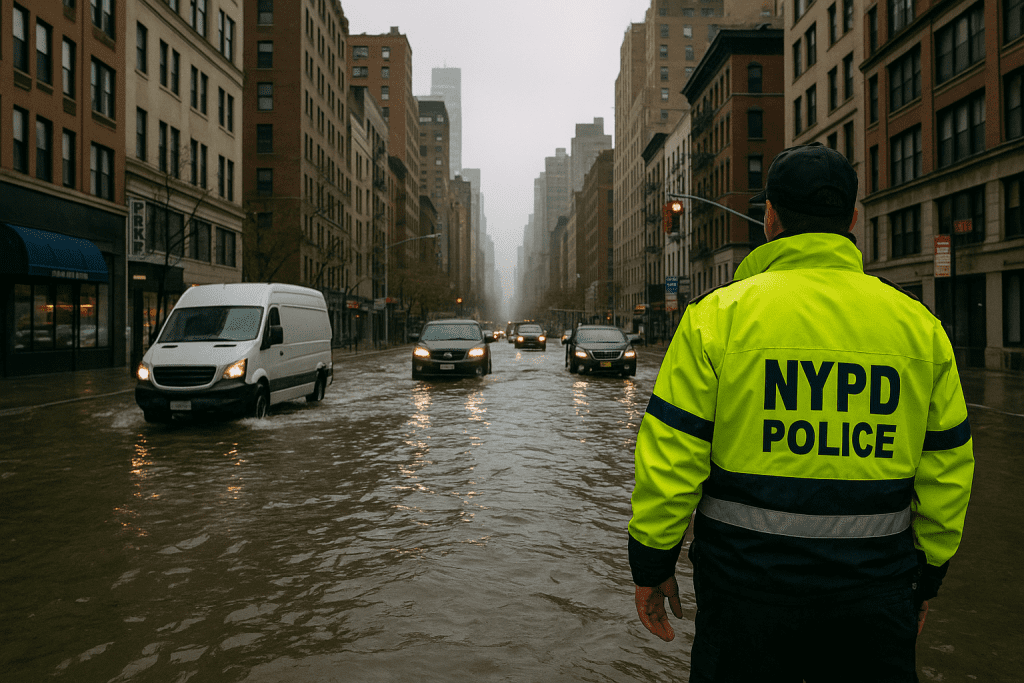
Floods in New York City can happen fast, leaving homeowners with water-damaged floors, walls, and belongings. Knowing what your insurance actually covers—and what it doesn’t—can save you time, stress, and money. 1. Standard Homeowners’ Insurance Most standard homeowners’ insurance policies do not cover flood damage from storms, heavy rain, or rising rivers. They might cover water damage from sudden accidents like: Burst pipes inside your home Roof leaks caused by storms Some policies may also cover structural damage or personal property from these events. Keep in mind, coverage for gradual or secondary damage is often limited unless you add specific endorsements. 2. Flood Insurance Flood insurance is a separate policy designed to cover damage from natural flooding. You can get coverage through the National Flood Insurance Program (NFIP) or a private insurer. Typical coverage includes: Structural damage to walls, floors, foundations, and built-in appliances Electrical systems, plumbing, and HVAC damage Some personal property (though limits are usually lower than for structural coverage) 3. What Flood Insurance Doesn’t Cover Even with flood insurance, there are important exclusions: Mold or fungus that develops from standing water Furniture, electronics, and personal items beyond policy limits Landscaping, fences, pools, or detached structures unless specifically included At NYTDR, we provide full mold remediation, water damage restoration, and comprehensive home repair services to help NYC homeowners recover from flood-related damage. Important Considerations Acting quickly after a flood is crucial. Document the damage with photos and videos, dry out affected areas, and work with certified restoration professionals like NYTDR. Quick action not only prevents additional problems like mold but also helps ensure your insurance claim goes smoothly. Can You Get Flood Insurance After a Flood? Yes, but there’s usually a 30-day waiting period before coverage kicks in. That means damage from a recent flood won’t be covered. It’s best to get coverage as soon as possible to protect your home from future flooding events. Do You Need Flood Insurance in NYC? If you live in a Special Flood Hazard Area (SFHA) and have a government-backed mortgage, flood insurance is required. Even if you’re outside a high-risk area, some lenders may still require coverage. Evaluating your property’s flood risk and securing insurance proactively is always a smart move. How Much Is Flood Insurance in NYC? The cost of flood insurance in NYC varies depending on your location, property type, and coverage amount. On average: NFIP (government-backed) policies typically range from $600 to $1,200 per year for a standard single-family home in moderate-risk areas. Premiums can be higher for high-risk flood zones. Private flood insurance may be more expensive or offer higher coverage limits and additional protections, such as mold remediation or replacement cost for personal belongings. Factors that influence your premium include the property’s elevation, proximity to water, building materials, and whether the home is in a Special Flood Hazard Area (SFHA). It’s important to compare options and speak with an insurance professional to ensure your coverage meets your needs and budget. Suffered from a Flood in NYC? If your home has been affected by a flood, NYTDR can help restore your property to its full condition. We work directly with insurance companies to streamline claims and provide comprehensive renovation services. From mold remediation to complete home restoration, our expert team ensures your property is fully repaired, safe, and ready for you to move back in with confidence.
How to Manage NYC Insurance Claims for Neighbor Damage
Picture this: you come home to a damp ceiling, bubbling paint, or an overwhelming smoke odor. The source? Not your apartment — but your neighbor’s. For NYC condo and co-op owners, this is more common than you think. With stacked units, shared walls, and aging building systems, someone else’s mistake or maintenance issue can rapidly become your responsibility. NYTDR helps New Yorkers navigate these stressful situations every day. Here is your clear guide to managing insurance when the damage originates from a neighboring unit. Common Ways Neighbor-Related Damage Happens in NYC Buildings Water leaks and floodingOverflowing tubs, dishwasher failures, AC condensate line leaks, and common-area plumbing breaks. Fire and smoke spreadGrease fires, electrical malfunctions, cigarette or candle mishaps — smoke travels quickly between units. Mold from hidden moistureSlow leaks behind shared walls are especially common in pre-war buildings and high-rise mechanical systems. Renovation accidentsUnauthorized construction, improper waterproofing, or drilling into common piping — a rising issue in NYC. Who Pays for the Damage? In New York City multi-unit buildings, liability depends on the origin of the damage and your building’s governing documents. Here’s a streamlined breakdown with relevant legal context: Neighbor’s fault → Their personal liability insuranceIf the damage came from your neighbor’s apartment and was caused by something they did (like leaving a faucet running that flooded into your unit), their personal liability insurance could cover your repair costs. You’ll want to take photos, keep records, and share them with your insurer or your neighbor’s insurance company. Building or shared system failure → The building’s master policyIf the damage is due to a problem in the building’s infrastructure — for example a burst pipe in a plumbing stack, a roof leak, or a failing façade — then the co-op or condo association is usually responsible under their master insurance policy. NYC’s law (NYC Administrative Code § 28-301.1) requires owners to keep buildings safe and well-maintained. For condos, New York’s real property law says the declaration must explain who handles common-element repairs. Unclear or mixed causes → Your own condo or homeowner’s insurance may initiate the claim and pursue repayment later You’ll still be responsible for your deductible up front, but your insurer can later pursue reimbursement from whoever is ultimately at fault. In NYC buildings, responsibility often depends on whether the problem involves the inside of a unit or shared building systems. Your building’s governing documents — like a proprietary lease in a co-op or the declaration and by-laws (which follow New York’s condominium law) — outline who must cover which repairs. Understanding these rules early can help prevent delays and disputes during your claim. What To Do Immediately Whether the damage is visible or suspected: Protect your spaceStop or contain the source if it is safe to do so. Document everythingTake photos and videos with timestamps. Notify your neighbor and management in writingEmail the building super, property manager, and board if applicable. Contact your insurance providerThey can guide coverage steps and preserve your rights. Request a professional damage assessmentNYTDR inspections help determine the cause and the correct responsible party. Quick action prevents additional mold damage and strengthens claim approval. The faster you move, the less chance the damage spreads or turns into a mold problem, and the stronger your insurance claim will be. How The Insurance Claim Process Works in Shared Buildings When navigating a home damage claim, having the right support makes all the difference. NYTDR helps NYC homeowners and condo/co-op residents every step of the way — from documenting the damage and coordinating with your insurance adjuster to ensuring building management and neighbors are properly notified. Our team provides professional assessments, organizes all necessary records, and guides you through subrogation or reimbursement processes. By working with NYTDR, you strengthen your claim, reduce delays, and have trusted experts on your side. Learn more about our services and claims support process with NYTDR. Staying Ahead of Delays and Disputes To help your claim go smoothly, involve your building management early since they control access to shared areas and units. Stay professional with your neighbors, even if the situation is frustrating, and keep organized records of all reports, emails, and repair estimates. Using a licensed NYC restoration company ensures accurate documentation of the damage. Remember, a successful claim depends as much on following the right process as it does on the damage itself. How NYTDR Supports Your Insurance Recovery NYTDR specializes in helping NYC residents manage insurance claims involving water, fire, and mold damage. Our experience includes: Full damage investigations to identify the true source• Documentation that strengthens insurance approvals• Repair and restoration that aligns with building requirements and standards• Coordination with adjusters, building managers, and board members• Licensed, insured experts trusted by New Yorkers and property managers We know how NYC buildings work — and how to protect your investment. Don’t Face Neighbor-Caused Damage Alone When an issue starts in someone else’s apartment, the financial and legal responsibility shouldn’t fall on you. NYTDR is here to make sure the right party is held accountable — and your home and peace of mind are restored quickly and correctly. If you are dealing with water, smoke, or mold damage caused by a neighbor, contact NYTDR to schedule a professional assessment. We advocate for you, support your insurance claim, and restore your home with quality craftsmanship New Yorkers rely on. Protect your home. Protect your investment. NYTDR is always ready to help you move forward with confidence.
Replacement Cost vs. Actual Cash Value: Getting the Most from Your Policy
Homeowners insurance is one of the most important protections you can have for your property, but understanding the nuances of coverage can be confusing. Two of the most critical terms in your policy—Replacement Cost (RCV) and Actual Cash Value (ACV)—directly affect how much money you’ll receive if disaster strikes. Choosing the wrong type of coverage can leave you with a significant financial gap when repairing or replacing damaged property. Understanding the differences between these two approaches, their pros and cons, and how they interact with your overall policy can help you make smarter decisions and maximize the value of your insurance. In a city like New York, where older buildings, fluctuating property values, and unpredictable weather can amplify risks, this knowledge becomes even more essential for protecting your investment and avoiding unexpected out-of-pocket costs. NYTDR’s Commitment to NYC Homeowners At NYTDR, we help New York City homeowners protect their homes and navigate insurance claims after damage from storms, water, fire, or mold. Whether your policy is ACV or RCV, our team ensures that every claim is thoroughly documented and supported, so you receive the maximum payout possible. By working with us, homeowners can reduce unexpected out-of-pocket costs and make the process of restoring their home after damage as smooth and stress-free as possible. What Is Replacement Cost (RCV)? Replacement Cost refers to the amount it would take to replace or repair your damaged property with new materials of similar kind and quality, without deducting for depreciation. Unlike other valuation methods, RCV ensures that you receive enough coverage to restore your home or belongings to their original condition—or better—regardless of their age or wear and tear. For example, if a 10-year-old roof is damaged in a storm, your insurer would cover the cost to install a brand-new roof of comparable quality, rather than paying only a depreciated value based on the roof’s age. This type of coverage is particularly valuable for NYC homeowners with older properties, valuable personal belongings, or items that have appreciated in replacement cost over time. It ensures that you are not left with a financial gap that could make it difficult to fully restore your home after damage. Pros: Provides full reimbursement to replace damaged items with new ones, minimizing out-of-pocket costs. Offers peace of mind, knowing that you can restore your home or belongings without compromise. Protects against inflation and rising replacement costs, which can be significant in high-demand markets. Cons: Typically comes with higher premiums compared to Actual Cash Value policies. May encourage higher claims costs if policyholders opt to replace items with more expensive versions than originally owned. What is Actual Cash Value (ACV)? Actual Cash Value, or ACV, is a method of calculating insurance payouts that factors in depreciation. Unlike Replacement Cost Value (RCV), which covers the full cost to replace an item regardless of age, ACV reflects the item’s current value based on its age, wear and tear, and overall condition at the time of the loss. For example, if your 8-year-old dishwasher is damaged in a leak, the insurer will subtract depreciation from the replacement cost to determine your payout. This means the compensation may be significantly lower than the cost of buying a brand-new dishwasher, especially for older appliances that have naturally lost value over time. Pros: Generally results in lower insurance premiums compared to RCV policies, making it a more affordable option for homeowners. Suitable for individuals who are financially able to cover the gap between the ACV payout and the actual cost to replace the damaged property. Cons: May not provide enough funds to fully replace damaged or destroyed items with new ones. Can lead to higher out-of-pocket expenses in the event of a claim, particularly for older or heavily used property. Requires careful budgeting to ensure you can cover any shortfall if major items are damaged. ACV is often chosen by homeowners who want a more cost-effective policy and are comfortable assuming some financial risk, but it’s important to understand that the payout will never fully reflect the cost of replacing items with new equivalents. Comparing RCV and ACV: A Practical Example Scenario: Two neighbors, Caroline and David, experience a pipe burst that floods their kitchens. Both have similar hardwood floors and cabinets originally costing $10,000. Caroline has an ACV policy, while David has an RCV policy. Their floors and cabinets are around 12 years old. Homeowner Original Cost Depreciation Policy Type Insurance Payout Caroline $10,000 $6,000 ACV $4,000 David $10,000 $0 RCV $10,000 Explanation: Caroline(ACV): Her insurer subtracts $6,000 in depreciation due to the age and wear of her kitchen. She receives $4,000, which may not be enough to fully replace her cabinets and floors, so she must cover the remaining $6,000 out of pocket. David (RCV): His policy covers the full replacement cost of $10,000, allowing him to fully restore his kitchen without additional expenses beyond his deductible. Key Takeaway: This example highlights how ACV policies pay the depreciated value of damaged property, potentially leaving homeowners with significant out-of-pocket costs. RCV policies provide full replacement coverage, offering stronger financial protection in the event of any home damage. At NYTDR, we work closely with NYC homeowners to navigate insurance claims and ensure they receive the maximum payout possible, while also coordinating full renovations so their homes are completely restored. Which Insurance Option Is Right for You? Deciding between Replacement Cost Value (RCV) and Actual Cash Value (ACV) depends on your needs, budget, and risk tolerance. Replacement Cost Value You want full coverage to replace damaged or destroyed items without paying extra out of pocket. You’re comfortable with higher insurance premiums in exchange for stronger financial protection. Actual Cash Value You want to save money on your insurance premiums. You can cover the gap between the depreciated payout and the cost to replace damaged items. RCV policies provide peace of mind and full replacement coverage, while ACV policies are more budget-friendly but may leave you with additional expenses after a claim. Consider your finances, the age
Does NYC homeowners insurance cover accidental damage
Homeownership in New York City comes with perks—but also responsibilities and risks. One question many NYC homeowners ask is: does homeowners insurance cover accidental damage? Accidents happen—maybe a ball crashes a window, a water pipe bursts, or a kitchen mishap starts a small fire. Understanding homeowners insurance and what your policy covers can save you stress, costly repairs, and unnecessary delays. What Is Accidental Home Damage Coverage? Accidental home damage coverage is an optional feature in many homeowners insurance policies that protects against sudden, unintentional events that cause damage to your property. In NYC, this can include: Dropped items breaking floors, countertops, or appliances Damage caused by pets or children Accidental spills or leaks causing permanent stains or water damage Standard homeowners insurance often covers major incidents like fire, theft, or storm damage, but may not automatically cover everyday accidents. Adding accidental damage coverage ensures your home is protected against both small and unexpected mishaps. When a Small Accident Escalates Many homeowners worry: if a small accident—like being careless in the kitchen—leads to a larger incident, will insurance cover it? In most cases, yes. Homeowners insurance generally covers the full damage resulting from an accidental event, even if it starts small and escalates. For example, a minor kitchen fire that spreads to cabinets, walls, or appliances is typically covered as long as it was unintentional and not deliberate or due to gross negligence. Secondary damage—like water damage from firefighting efforts or mold growth afterward—is also usually covered, depending on the policy. At NYTDR, we help NYC homeowners navigate these situations by documenting the full scope of damage and advocating for coverage so that both primary and secondary repairs are included. Our goal is to ensure that accidents, no matter how small at first, are fully addressed and properly restored. Why Accidental Damage Coverage Matters for NYC Homeowners Accidents can happen at any time, and repair costs in Manhattan, Queens or anywhere in NYC can be significant. By adding accidental damage coverage, you can: Protect high-value flooring, cabinetry, and appliances Avoid unexpected out-of-pocket repair expenses Gain peace of mind knowing minor mishaps won’t escalate into financial strain We’ve seen how small incidents, like water leaks, or minor incidents, can quickly escalate into major issues requiring fire damage repair or water damage restoration. Having coverage and expert guidance ensures homeowners respond quickly and effectively. NYTDR’s Aim At NYTDR, our aim is to make the insurance process straightforward and stress-free for NYC homeowners. We carefully review each policy, identify coverage gaps, and advocate for our clients to ensure they receive the protection they’re entitled to. Whether it’s accidental damage or larger incidents, we guide homeowners through the claims process with expertise and care, helping minimize expenses and maximize their coverage. Our focus is on delivering the best possible outcome for homeowners across New York City to get the coverage they deserve. What Does Homeowners Insurance Not Cover Even with accidental damage coverage, there are limits. Common exclusions include: Wear and tear or maintenance issues: Aging plumbing, old wiring, or structural wear isn’t typically covered Intentional damage: Damage caused deliberately by a homeowner or tenant Flood or earthquake damage: Separate NYC policies are required Pest damage: Termites, rodents, and other infestations Understanding these exclusions helps homeowners make informed decisions about additional coverage or preventive measures. Bottom Line NYC homeowners should carefully review their insurance policies to see whether accidental damage coverage is included or can be added. While standard homeowners insurance protects against major incidents, adding accidental damage coverage ensures protection against everyday mishaps that could escalate into larger problems. If you’re dealing with any major damage to your NYC home, NYTDR is here to guide you. Our expertise in insurance claims and full-service restoration ensures repairs are handled quickly and correctly, helping you get your home back to its original condition.
9 Quick Tips for Emergency Water Damage for the NYC Homeowner
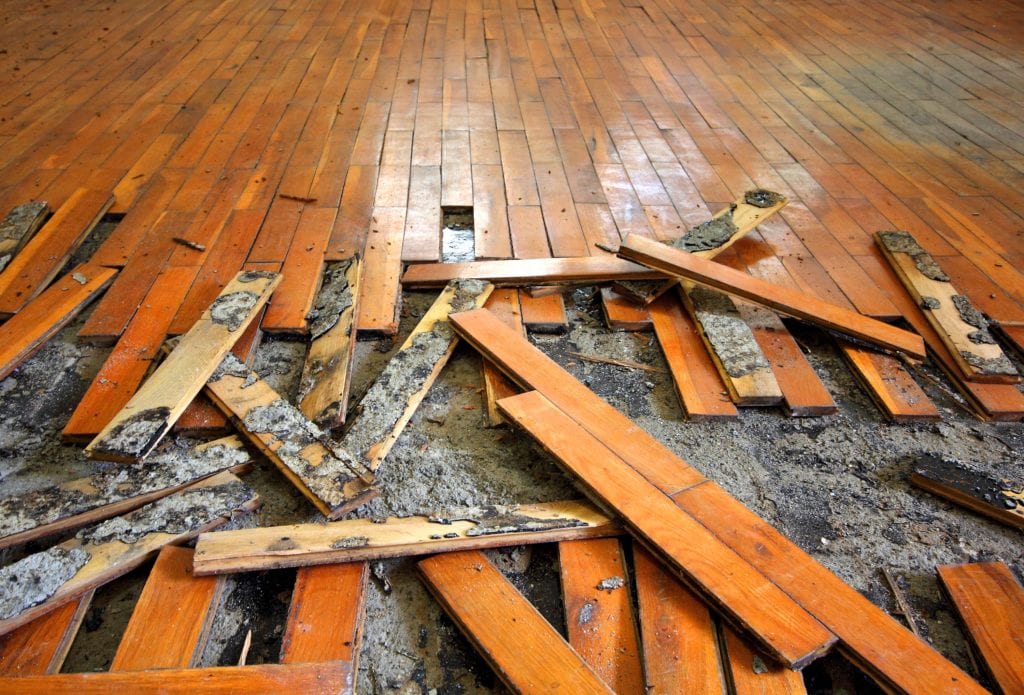
Water damage can strike when you least expect it—and in a fast-paced city like New York, that can feel especially overwhelming. Whether you’re living in a high-rise condo, a co-op, or a brownstone in Manhattan, dealing with emergency water damage in NYC comes with unique challenges. At NYTDR, we specialize in helping New York homeowners recover from water, mold, fire, and smoke damage. Our team works directly with your insurance provider and manages your restoration from start to finish. If you’re facing a water emergency in your home, follow these 9 quick tips to minimize damage and start your restoration process the right way. 1. Protect Your Furniture Place wood blocks or aluminum foil under furniture legs to prevent permanent staining or warping on wet carpets and floors. NYC apartments often have hardwood flooring or custom installations—take precautions early. 2. Remove Items That Can Bleed Color Don’t leave magazines, books, or colored rugs on wet surfaces. Ink and dyes can transfer and permanently stain your flooring or carpet. 3. Turn Off Electronics and Avoid Appliances If your electronics have been exposed to water, do not power them on. Turn off affected devices and unplug them safely. This includes TVs, ceiling fans, and kitchen appliances. Sanitize Contaminated Surfaces Use a disinfectant on all surfaces that come into contact with water, especially if it’s suspected to be gray or black water. Mold can begin to grow within 24–48 hours. 5. Improve Airflow Immediately Open all windows and doors to encourage natural ventilation. In small city spaces, this can make a big difference in reducing humidity quickly. 6. Use Drying Equipment Use wet vacuums, fans, dehumidifiers, and moisture absorbers to dry your home as quickly as possible. The faster you act, the lower your risk of mold damage. 7. Document the Damage Take clear photos and write a detailed list of all visible damage. This is crucial when submitting your homeowners insurance claim for water damage in NYC. 8. Review Your Insurance Policy Check to see if your insurance covers the type of water damage you’ve experienced. Coverage can vary depending on whether the damage was caused by a burst pipe, weather event, or plumbing issue. 9. Hire NYC Restoration Professionals Not all contractors understand the complexity of renovation and restoration in Manhattan. At NYTDR, we manage the entire process—from emergency response to full renovation, ensuring your home is safe, beautiful, and compliant with NYC regulations. Need Emergency Water Damage Help in NYC? Call NYTDR Today. No matter the size of your water emergency, NYTDR is here to help. We offer free consultations to assess your home and guide you through the next steps. From Midtown to the Upper West Side and beyond, we’ve restored homes across the five boroughs. Let us take care of the damage—so you can get back to life in the city that never sleeps.
Seasonal Restoration Checklists for NYC Homeowners
As we approach fall in New York City, it’s the perfect time to think ahead about protecting your home. According to The Weather Channel, this upcoming winter is expected to be cooler than the past few years, which means an increased risk of frozen pipes, heating system strain, and ice-related damage. Preparing now—before temperatures drop—can make all the difference in avoiding costly emergency repairs. At the same time, we’re coming out of a summer that’s been particularly tough on NYC buildings. Extended heat waves, high humidity, and sudden heavy rains have tested air conditioning systems, increased the risk of mold growth, and even caused water intrusion in some apartments. These summer stressors can leave hidden vulnerabilities in your home—issues that, if left unaddressed, could worsen dramatically in colder weather. At NYTDR, we’ve seen how seasonal shifts can create a chain reaction of problems. That’s why we recommend a proactive approach, checking key areas of your home before each season begins. Here’s our comprehensive, NYC-specific checklist to keep your property safe year-round. Fall: Prep for Cold and Storms With a cooler-than-average winter ahead, fall maintenance is critical. The goal is to seal, service, and secure your home so it’s ready for the temperature drop. Checklist: – Schedule Heating Maintenance Now: Don’t wait until the first cold snap—have your boiler or furnace inspected to ensure it’s running efficiently.– Inspect Weatherstripping & Caulking: Seal gaps to prevent heat loss and keep moisture out during fall storms.– Clean and Secure Gutters: Prevent clogs that can freeze later and cause water to back up into walls or ceilings.– Store Outdoor Furniture & Secure Loose Items: Protect against wind damage from fall nor’easters.– Test Carbon Monoxide and Smoke Detectors: Shorter days mean more heating—safety checks are a must. Winter: Freeze, Snow, and Salt Season The forecasted colder winter could mean more frequent sub-freezing days and nights, putting NYC homes at higher risk for burst pipes and ice damage. Checklist: – Insulate Exposed Pipes: Especially in basements, near exterior walls, or in unheated spaces.– Check Heating Systems for Peak Performance: A last-minute breakdown in mid-January is costly and disruptive.– Seal Drafts: Keep interiors warm and reduce strain on heating equipment.– Clear Roof & Gutters Before Heavy Snow: Prevent ice dams that cause interior leaks.– Protect Floors from Salt: Use mats and clean regularly to avoid surface damage. Spring: Rain, Melt, and Mold Prevention Checklist: – Inspect for unseen Winter Damage: Check roofs, siding, and windows for freeze-related cracks or leaks.– Clean Gutters & Downspouts: Ensure rainwater flows away from your foundation.– Test Sump Pumps: Before spring storms arrive.– Address Mold Early: Treat even small areas before warmer weather accelerates growth.– Improve Drainage Around Your Home: If applicable, regrade soil to direct water away from the foundation. Summer: Heat, Humidity, and Storm Season This past summer’s heat waves and humidity have been particularly hard on NYC buildings, pushing HVAC systems to their limits and increasing indoor moisture levels—both of which can lead to hidden damage. Checklist: – Service Air Conditioning Units: Dirty coils or clogged filters reduce efficiency and can cause leaks.– Check Window and AC Unit Seals: Prevent stormwater from entering around units.– Control Indoor Humidity: Use dehumidifiers to prevent mold.– Inspect Roofs After Storms: Look for damage after heavy rainfall or wind events.– Trim Overhanging Trees: Avoid storm-related property damage. Why Acting Now Matters Seasonal maintenance is more than just a checklist—it’s the best way to avoid costly restoration and insurance claims. With a tougher winter ahead, now is the time to address any issues left behind by this summer’s extreme weather. If, despite preparation, you do experience damage, NYTDR’s licensed restoration team is here to respond quickly, repair your property, and manage your insurance claim from start to finish.
Flooded Basement in a NYC Co-Op? Here’s Who Pays and What to Fix First
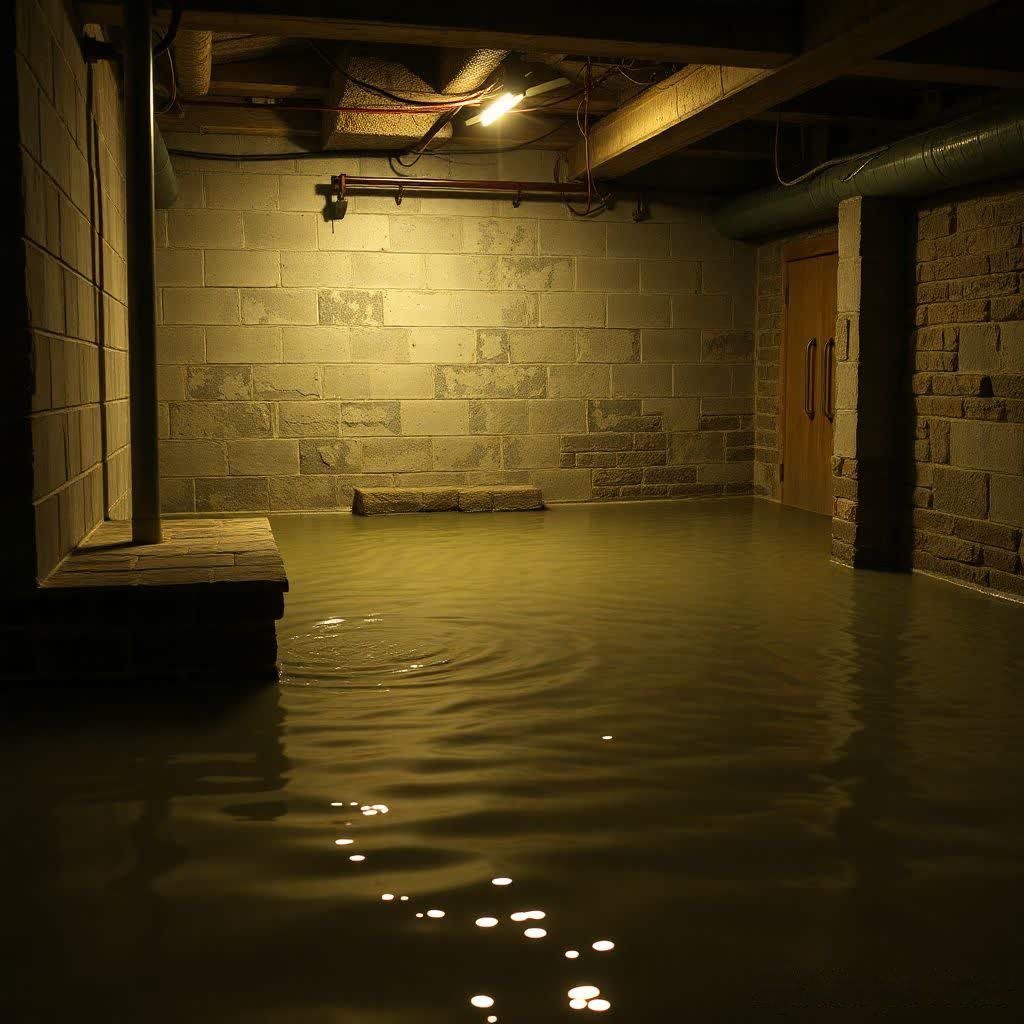
A flooded basement in your NYC co-op is more than an inconvenience—it’s a crisis that can cost thousands in repairs, spark legal confusion, and pose serious health risks like mold growth. Whether the flood came from a burst pipe, heavy rains, or a faulty sump pump, the big questions arise fast: Who pays for the damage? And what should be repaired immediately to prevent further loss? In this guide, we’ll walk you through the first steps after a basement flood, how to navigate co-op board responsibilities vs. personal liability, and what restoration priorities matter most. Who Pays for Flooded Basement Damage in a NYC Co-op? This is one of the most common (and confusing) questions homeowners face after water damage. 1. Co-Op Board vs. Shareholder Responsibility In most NYC co-ops, the building is owned by a corporation. You, as the shareholder, own shares and a proprietary lease giving you the right to live in a specific unit. If the basement is part of the building’s common area (e.g., laundry room, storage), the co-op board or managing agent is usually responsible for repair and restoration. If the basement flood affects a private storage unit or a ground-floor unit’s extension, responsibility might fall on the shareholder. 2. Insurance Coverage The co-op’s master insurance policy typically covers structural repairs and damage to common areas. Your personal homeowners (HO-6) policy may cover: Personal belongings stored in the basement Loss-of-use (if your home is uninhabitable) Improvements or fixtures you’ve installed Tip: File a claim immediately with both your insurer and notify your co-op board. Let NYTDR help you coordinate both claims for a stress-free process. What to Fix First After a Basement Flood Acting fast is critical. Mold can start growing within 24–48 hours. 1. Stop the Source If the flood is from a plumbing failure or appliance malfunction, shut off the water source immediately. If it’s storm-related, ensure sump pumps are working. 2. Document Everything Take clear, time stamped photos of: Standing water Damaged furniture, boxes, or equipment Wall discoloration, cracked paint, or ceiling leaks 3. Water Extraction & Drying NYTDR offers emergency water damage restoration across NYC, including: Industrial-grade water extraction Rapid drying with dehumidifiers and air movers Moisture detection tools to find hidden water 4. Mold Prevention and Remediation Basements are mold-prone. Mold grows fast in humid, dark environments. Our team will: Use antimicrobial treatments Remove water-logged drywall and insulation Conduct mold remediation if needed 5. Structural Repairs & Insurance Coordination After the area is dry and sanitized, we restore: Flooring, baseboards, drywall, paint Damaged electrical and plumbing components Work directly with your insurance for approvals and payments Don’t Wait—Here’s Why NYC building codes and HPD violations can be triggered by visible mold or electrical hazards. Mold and mildew can affect neighboring units and trigger disputes with other shareholders. Delayed repairs may void parts of your insurance policy or co-op coverage. Why Choose NYTDR for Your Co-Op Basement Flood Restoration? We handle everything: cleanup, repair, mold removal, and full insurance coordination. Experience with NYC co-ops: We understand how to work with managing agents and co-op boards to keep your restoration on track. Licensed, certified, and insured in NYC home restoration services. Get Help Now If your co-op basement has flooded, don’t wait. Let NYTDR guide you through the insurance, repairs, and peace of mind you need.Call us today or request a free consultation—we’re available for you.