
Small Bathroom Layout Ideas to Maximize Space

Designing a small bathroom in New York City doesn’t mean sacrificing comfort or style. With tight floor plans, older buildings, and strict plumbing constraints, smart layout decisions matter more than ever. The right approach can make even a compact Manhattan bathroom feel open, functional, and thoughtfully designed. Below are the most effective small bathroom layout ideas, with practical guidance on how each one helps maximize space. One-Wall Bathroom Layout A one-wall layout places the sink, toilet, and shower or tub along a single wall. This layout works especially well in narrow bathrooms or powder rooms. Keeping plumbing on one wall reduces visual clutter and frees up floor space. To maximize space, use a wall-mounted vanity, a compact toilet, and a walk-in shower with clear glass. Vertical storage, such as recessed shelves or tall cabinets, helps keep essentials accessible without crowding the room. Corner and Walk-In Shower Layout Replacing a traditional tub with a corner or walk-in shower is one of the most effective ways to open up a small bathroom in Manhattan. Corner showers take advantage of underused space and improve traffic flow, while walk-in or curbless designs remove visual barriers and create a seamless transition across the room. Frameless glass enclosures, single glass panels, and continuous flooring help maintain open sightlines and make the space feel larger. Large-format tiles enhance the sense of scale, and built-in niches eliminate the need for bulky shelving. Tub-Shower Combination Layout A tub-shower combo is a smart solution when space is limited but functionality is essential. Positioning the tub along the longest wall maximizes efficiency. Sliding glass doors or a clear shower screen prevent the space from feeling boxed in. Built-in storage above or beside the tub can replace freestanding shelves and keep the layout streamlined. Floating Vanity Layout A floating vanity creates the illusion of more floor space while offering practical storage. By lifting the vanity off the floor, the bathroom feels less crowded and easier to clean. Choose drawers instead of cabinets for better organization, and pair the vanity with a wall-mounted faucet to save counter space. Adding lighting underneath the vanity enhances the sense of openness. Wall-Mounted Toilet Layout Wall-mounted toilets are ideal for compact bathrooms where every inch matters. With the tank hidden inside the wall, this layout frees up valuable floor area and simplifies cleaning. The reduced footprint allows more flexibility for vanity size or shower placement, making the bathroom feel more spacious and modern. Galley-Style Bathroom Layout A galley layout places fixtures along opposite walls, creating a central walkway. This works well in long, narrow bathrooms. Keeping fixtures aligned and evenly spaced prevents the room from feeling cramped. Use shallow-depth vanities and mirrored surfaces to reflect light and widen the visual footprint of the space. Wet Room Layout A wet room combines the shower area with the rest of the bathroom floor. This layout removes physical barriers and maximizes usable space. Waterproofing the entire room allows for flexible fixture placement and easy maintenance, while proper floor slope, sealed membranes, and professional installation help prevent water damage and moisture issues. Minimal glass panels and consistent flooring create a seamless, open feel that works especially well in very small bathrooms. Powder Room Layout Optimization Even the smallest bathrooms can benefit from smart layout planning. In powder rooms, prioritize a compact sink and a slim-profile toilet. Wall-mounted sinks or corner basins free up legroom, while a large mirror enhances depth. Simple, uncluttered design choices make the space feel intentional rather than tight. Smart Storage Layout Solutions Storage placement plays a major role in how spacious a small bathroom feels. Recessed medicine cabinets, built-in niches, and floor-to-ceiling shelving maximize storage without reducing floor space. Keeping storage integrated into the layout prevents overcrowding and maintains clean lines throughout the bathroom. To Summarize: Designing a small bathroom in New York City requires careful planning and smart layout decisions. With limited square footage, older building conditions, and plumbing constraints, the right layout can significantly improve both functionality and comfort. Thoughtful design choices help compact bathrooms feel more open, efficient, and visually balanced. Key small bathroom layout ideas covered in this guide include: One-wall bathroom layouts that keep plumbing efficient and reduce visual clutter Corner and walk-in shower layouts that open up floor space and improve movement Tub-shower combination layouts that balance functionality and space efficiency Floating vanity layouts that create the illusion of more floor space and improve storage Wall-mounted toilet layouts that reduce fixture footprint and simplify cleaning Galley-style bathroom layouts that improve flow in long, narrow spaces Wet room layouts that maximize usable space with seamless, barrier-free design Powder room layout strategies that make even the smallest bathrooms feel intentional Smart storage solutions that use vertical and recessed space without crowding the room When these layout strategies are combined with space-saving fixtures, clear sightlines, and integrated storage, small bathrooms can feel both practical and well designed. With the right approach, even a compact NYC bathroom can be transformed into a space that feels comfortable, functional, and built to last. If you’re considering an NYC bathroom renovation, NYTDR is here to help. We work closely with you to design a layout that fits your space, your needs, and your style, then handle the entire renovation process with care and attention to detail. The result is a bathroom that feels thoughtfully designed and built to last. Ready to start your bathroom dream? Contact NYTDR today to schedule a free consultation!
Understanding Ice Dam Damage and What Your Policy Does and Doesn’t Cover
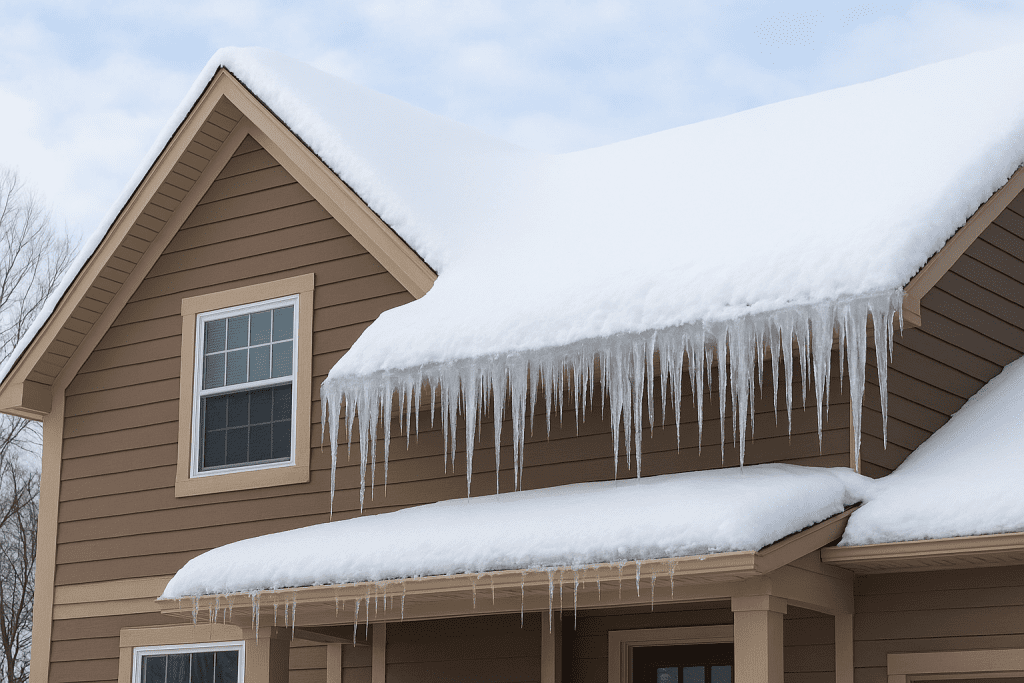
Ice dams are a common winter roofing issue for homes in colder climates throughout the United States. While they may start as harmless-looking ridges of ice along a roof’s edge, the damage they cause inside a home can be extensive. Water intrusion, mold growth, and structural issues often follow, sometimes leaving homeowners with costly repairs and unexpected insurance surprises. By understanding how ice dams form, what causes them, and how insurance companies treat this type of damage, homeowners can better protect their homes and prevent future problems. What Is an Ice Dam? An ice dam is a buildup of solid ice that forms at the lower edge of a roof, typically near the eaves or gutters. When snow accumulates on the roof and the temperatures fluctuate, parts of the snow begin to melt. As the water flows down the roof, it encounters colder areas near the edge and refreezes, gradually creating a thick ridge of ice. Once that ice ridge is established, any additional melting snow gets trapped behind it, unable to drain properly. The water begins to pool, and because roofs are not designed to hold standing water, it eventually seeps under shingles and into the home. This process can trigger a chain reaction of damage. Roof decking becomes soaked, insulation loses its effectiveness, and interior walls and ceilings may start showing brown stains or water streaks. Over time, persistent moisture can lead to mold growth, which creates health risks and often requires professional remediation. How Ice Dams Form Ice dams form due to temperature imbalances across the roof. Three major conditions must happen at the same time: snow on the roof, heat leaking from inside the home into the attic, and outdoor temperatures that remain below freezing. Warm air naturally rises from the living spaces into the attic, usually through gaps around pipes, wiring, vents, and unsealed attic access points. If the attic is not properly insulated or ventilated, this warm air heats the underside of the roof. Snow sitting on the warmer areas of the roof begins to melt even when outside temperatures are below freezing. As the water flows down, it reaches the colder and unheated section of the roof near the eaves and gutters. Because this area stays below freezing, the water turns back into ice, gradually building the ice dam. The more heat escapes into the attic, the faster this process happens. That is why homes with poor insulation, limited attic airflow, or uneven roof temperatures tend to experience recurring ice dams each winter. Why Ice Dams Can Cause a Serious Problem Ice dams don’t simply create an icy buildup on the outside of a home. The real threat lies in the water they trap. Roof shingles are designed to shed water that flows downward, not water that pushes upward or sits still. When water pools behind an ice dam, it can find its way under shingles, soak the roof decking, and drip into the home. Some of the most common damage caused by ice dams includes: Interior water damage to ceilings, drywall, and paint Wet or compacted insulation that loses its thermal performance Warping or rotting of wood framing and roof structures Gutter damage due to the weight of the ice Mold and mildew growth inside walls, ceilings, or attic spaces The longer an ice dam remains in place, the more likely it is to cause costly and widespread damage. For a deeper look at what happens after an ice dam forms explore our detailed guide on how snow melt, refreezing, and temperature changes contribute to damage. How U.S. Insurance Policies Handle Ice Dam Damage Homeowners often assume that insurance will automatically cover ice dam damage, but this is not always the case. Key points include: In the United States, homeowners insurance policies typically cover sudden and accidental damage. If melting water from an ice dam leaks into the home and damages ceilings, walls, or insulation, the interior water damage is often covered. However, the circumstances surrounding the damage matter and can affect the outcome of the claim. Insurance companies often evaluate whether the homeowner took reasonable steps to maintain the roof and attic. Claims may be denied if the insurer determines that long-term neglect, insufficient insulation, poor ventilation, or lack of proper maintenance contributed to the damage. In some cases, insurers will cover interior damage but exclude repairs to the roof itself, especially if the shingles were already aging or worn before the ice dam formed. Homeowners should review their policy for exclusions related to roof maintenance. Some policies require homeowners to perform regular roof upkeep or clear excessive snow when possible. Other policies may not cover the cost of removing the ice dam unless the removal is necessary to prevent further damage. By reviewing your policy closely and understanding these conditions, you can better anticipate how your insurer may handle an ice dam claim. When Insurance Typically Covers Ice Dam Damage While coverage varies between insurance companies and individual policies, ice dam damage is generally covered when: The water intrusion happened suddenly and was not part of a long-term leak. The homeowner maintained the roof in reasonable condition. There is no evidence of neglect, deferred maintenance, or pre-existing damage. The ice dam occurred due to natural winter conditions beyond the homeowner’s control. Interior damage was a direct result of the ice dam. Some insurance policies also cover additional living expenses if the homeowner must temporarily leave the home due to severe water damage. How to Prevent Ice Dams Homeowners can significantly reduce the risk of ice dams by improving the attic environment and maintaining their roofing system. The best prevention strategies include: Improving attic insulation. Adequate insulation keeps warm air inside the living areas instead of leaking into the attic. Installing proper attic ventilation. Good ventilation allows cold air to circulate through the attic, keeping roof temperatures stable. Sealing attic air leaks. Even small gaps around chimneys, pipes, exhaust fans, and access panels can allow warm air to escape into
The Human Touch: How NYTDR Supports Homeowners Throughout the Restoration Journey

When disaster strikes, it leaves homeowners feeling overwhelmed and vulnerable. Whether it’s a fire, flood, or other unforeseen calamities, the emotional toll can be immense. At NYTDR (New York Total Damage Restoration), we understand that restoring a damaged home is not just about fixing physical structures; it’s about rebuilding lives and providing a sense of security during challenging times. In this blog post, we delve into how NYTDR extends a compassionate and supportive hand to homeowners throughout the restoration journey, making the process as smooth and reassuring as possible. Empathy at the Forefront: At NYTDR, we believe that empathy forms the bedrock of our services. Our team of restoration experts understands the distress and upheaval that homeowners face when their homes suffer damage. As soon as we receive a call for assistance, our priority is to reach out to the affected homeowners promptly. Our compassionate customer support team listens attentively, offering comfort and reassurance, while swiftly mobilizing the restoration crew to assess the situation. Clear, Transparent Communication at Every Step Homeowners deserve clarity — especially during stressful events. That’s why our project managers explain the full restoration process, step-by-step: What the damage assessment involves How long restoration may take What repairs or mitigation steps are needed What challenges may arise along the way This transparency helps homeowners feel in control and confident in the plan. Personalized Solutions: Every home and homeowner is unique, and we recognize that a one-size-fits-all approach does not work in the restoration process. At NYTDR, we tailor our solutions to meet the specific needs and preferences of each homeowner. We take into account factors such as budget, timelines, and personal belongings, ensuring a customized restoration plan that aligns with the homeowners’ requirements. Emotional Support: Home damage can evoke a range of emotions, from frustration and anxiety to grief and sadness. Our restoration experts are not only skilled professionals but also compassionate individuals who understand the emotional toll of such events. We are there to lend a listening ear, providing emotional support to homeowners as they navigate the restoration journey. Minimizing Disruption: Home restoration projects can be disruptive to daily life, and we strive to minimize this disruption as much as possible. Our team works efficiently and swiftly, prioritizing tasks to get homeowners back to their regular routines as soon as feasible. Throughout the restoration process, we take care to maintain a clean and safe working environment, respecting the homeowners’ space and belongings. Comprehensive, Detail-Oriented Restoration NYTDR goes far beyond surface-level repairs. Our restoration process is designed to uncover and resolve every layer of damage, not just the visible signs. Once the initial cleanup or mitigation is complete, our team performs a full diagnostic inspection of the property using professional tools and industry best practices. This allows us to identify hidden issues that, if left untreated, can lead to recurring damage or long-term safety concerns. Some of the most common underlying problems we look for include: Moisture behind walls and flooring, which can cause structural deterioration or future mold growth Mold or microbial activity, especially after water damage or prolonged humidity Electrical hazards, such as damaged wiring, overloaded circuits, or water-exposed panels Structural weaknesses, including compromised beams, subfloors, insulation, and load-bearing components Our detail-oriented approach ensures that we address these issues early—before they escalate and become more costly or dangerous. Conclusion: At NYTDR, we believe that providing the human touch is essential in delivering exceptional home restoration services. Beyond repairing damaged structures, our mission is to bring hope, compassion, and support to homeowners during times of crisis. By placing empathy and clear communication at the forefront of our services, we strive to alleviate the stress of the restoration journey, allowing homeowners to focus on rebuilding their lives and embracing a brighter future.
4 Holiday Decorating Tips to Keep Your Home Damage-Free All Season

Christmas in New York City is full of excitement — festive lights, family gatherings, beautifully decorated homes, and the joy of wrapping up another year. But the holidays also bring unique seasonal hazards that can lead to fire damage, home accidents, or costly repairs. With Christmas-related injuries affecting an estimated 18,000 Americans each year, it’s crucial to decorate safely and protect your home. Below are four major Christmas decoration safety tips to help prevent fires, protect your floors and walls, and keep children and pets safe during the holiday season. 1. Watch Out for Fire Hazards Fire damage is one of the most common holiday risks, especially with Christmas trees, string lights, candles, and busy kitchens. These steps can help keep your home safe: Choose the Right Christmas TreeNatural/live trees must be watered daily to avoid drying out and igniting. If choosing an artificial tree, check for a UL fire-resistant rating. Choose the Right PlacementPlace your tree close to an outlet to avoid long cords, and keep it safely away from fireplaces, radiators, and heaters. Use Flameless CandlesBattery-powered candles reduce the risk of accidental fires or burns from open flames. Choose Christmas Lights CarefullyAvoid overloading outlets, use heavy-duty power strips, replace burned-out bulbs, and turn off lights when leaving home or going to sleep. Decorate the Fireplace MindfullySecure garlands, stockings, wreaths, and other décor using sturdy, heat-safe materials like zip ties or adhesive hooks. Use the Right Disposal MethodsNever burn wrapping paper or Christmas trees in the fireplace. Recycle materials properly and upcycle artificial tree branches for décor. Pay More Attention When CookingKitchens are a major holiday fire source. Keep flammable items away from the stovetop and avoid leaving pots unattended. A Leejec Christmas Tree Stand with Water Reservoir 2. Protect Your Floors and Carpets The floor takes a lot of home damage during the holidays, not just from the additional foot traffic but from Christmas trees. A Christmas tree tends to leave indentations in the carpet and scratch wooden floors. To avoid expensive damage restoration after the holidays, keep these tips in mind: Place your Christmas tree in a sturdy basket to shield the floor. You can disguise it with wrapping paper or a tree skirt. Put a plywood slab under the tree, either on its own or paired with a waterproof, non-slip mat. Water the tree carefully to prevent excess moisture from seeping into the carpet or flooring. Seal glittery ornaments with clear sealer or hairspray to stop loose sparkles from embedding into floors and carpets. Use Christmas-themed area rugs in high-traffic spaces such as doorways or your main entrance. These protect against dirt, water, scuff marks, and scratches. If you’re hosting holiday gatherings, clean floors with gentle solutions. Mild soap and water can handle most spills and stains. Avoid harsh cleaners that can damage hardwood surfaces or tile grout. Plywood Under Christmas tree Protecting Carpet Floor 3. Protect Your Walls and Windows Holiday decorating often leads to accidental wall and window damage when adhesives, nails, or screws tear paint, drywall, or insulation. Instead, try these safer alternatives: Use self-adhesive hooks or removable hanging strips. Always check the weight rating before adding decorations. Use suction hooks for smooth surfaces like windows and tiles. Hang lightweight decorations using clear fishing line with clips or pegs. This method only requires securing two ends instead of drilling holes. Removable mounting putty is ideal for wall décor. It holds up to a pound, leaves no residue, and is reusable. Use water-based spray snow for windows. Cover surrounding walls, the floor, and the window frame before applying it so cleanup stays easy. Self-adhesive hooks Preventing Peeling Paint 4. Keep Children and Pets Safe While Decorating Pets and children love holiday decorations, but their curiosity can cause accidents or home damage. Pets may pull down the tree or drag lights around, while kids can easily trip, unplug lights, or interact with unsafe décor. These tips help keep everyone safe: Install a baby gate or puppy pen around the Christmas tree to block access to presents and decorations. Secure your tree to the wall or ceiling so it can support lights, ornaments, and even the occasional climbing cat. Avoid tinsel, angel hair, fake snow, and fragile ornaments. Use twine instead of metal hooks to attach ornaments. Cover electrical outlets to prevent children from unplugging light strands. Give younger kids their own small tree made from felt and let them decorate it with paper ornaments. Wrap and unwrap gifts away from fireplaces, candles, and heat sources so children don’t trip on paper or accidentally throw it into the fire. Chrsitmas Safety Gate for Children and Pets Additional Outdoor Decoration Safety Tips Keep lights and power strips away from snow and water. Use only outdoor-rated decorations. Avoid overloading outdoor circuits. Secure lights firmly to prevent wind damage. Keep all decorations at least 10 feet from power lines. Have a Safe Festive Season This Year and Every Year At New York Total Damage Restoration, our goal is to help you enjoy the holidays without worrying about home damage. Use this guide to protect the areas most vulnerable during the festive season. If you want to prepare your home ahead of time, NYTDR handles restoration for fire, smoke, water, mold, and asbestos damage. We manage the full process, including insurance adjustment, design, contracting, and construction. NYTDR can get your home holiday-ready again. Contact us online or call 212.206.1300 to discuss the best restoration plan for your timeline and budget.
Lead Poisoning in The Home
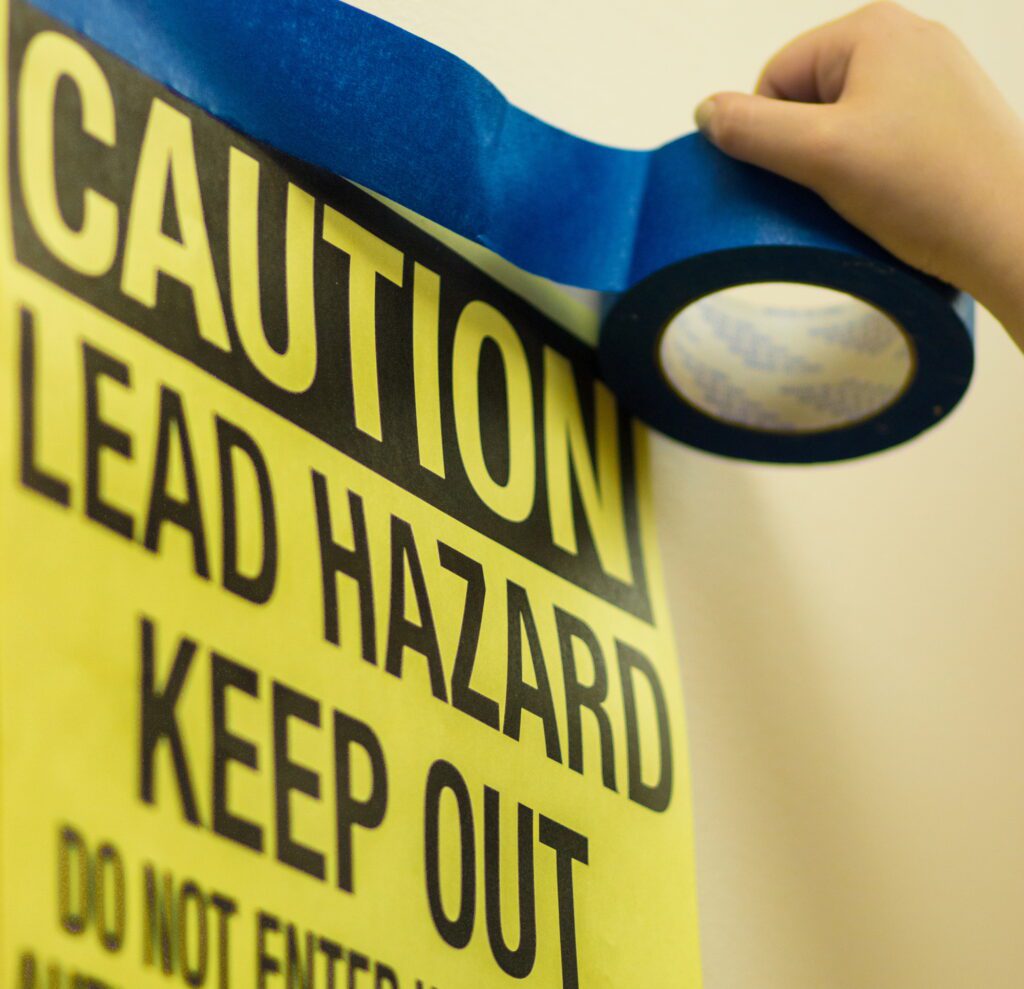
Lead is a harmful metal occurring naturally in the earth’s crust and can harm human and animal health. Lead poisoning results from long-term exposure to high levels of lead in the body.Anyone can get lead poisoning. Children six years and below are, however, more vulnerable. Children are still growing; thus, their brains and nervous systems are more sensitive to lead poisoning effects. Lead poisoning can cause severe health complications, and other consequences include learning and behavioral issues and long-term intellectual disabilities. Sources of Lead Exposure in the Home Sources of lead poisoning include: 1. Lead in Paint The federal government banned lead-based paints in 1978, so homes built before then may still have it beneath layers of newer paint. Lead paint is safe when intact, but becomes hazardous if peeling, chalking, cracking, or damp. This situation requires immediate attention because cracked or peeling paint releases lead dust, which settles on floors and surfaces and is dangerous when inhaled. Children are at risk when they put contaminated objects or hands in their mouths. 2. Lead in Tap Water Plumbing materials manufactured before 1986 may contain lead. Lead pipes and brass plumbing fixtures can contaminate tap water with lead. Contamination happens when these plumbing materials corrode, and corrosion occurs when metal wears away from pipes and plumbing fixtures. Corrosion is more intense when the water is acidic or contains low mineral content. 3. Lead in Soil Some pre-1978 homes may have lead-contaminated soil, playgrounds, and yards. This happens when the lead-based paint peels or flakes, allowing lead into the soil.Other sources of lead contamination in soil include: Use of leaded gasoline in automobiles during the previous years Industrial sources Contaminated sites such as past lead smelters Lead being naturally occurring, maybe in high concentrations in certain areas Lead-contaminated soil is a dangerous source of lead exposure that can occur through; Ingestion by children due to the hand-to-mouth activity common with them Eating fruits and vegetables grown in lead-contaminated garden soil Inhaling lead in soil suspended in the air Lead in the soil as dust particles or on pets, clothing, or shoes 4. Lead in Foods and Other Consumer Products Some imported or older products in the U.S. may contain lead, including traditional medicines, toys, cosmetics, and heirlooms. Candy and Spices: Certain candies with chili powder or tamarind, and imported spices from Vietnam, Syria, or India, can contain lead if mishandled. Candy wrappers may also leach lead. Traditional Medicines: Some Indian, Middle Eastern, and Hispanic remedies may contain lead, either intentionally or during manufacturing. Cosmetics and Jewelry: Products like Nigerian Tiro or Hindu Sindoor powder may contain lead. Lead-containing jewelry can be dangerous if swallowed, especially by children. Toys: Older toys or collectibles passed down generations may contain lead and pose a poisoning risk if mouthed or ingested. A child died in 2006 as a result of severe lead poisoning, and this was after eating a lead-contaminated heart-shaped metallic char. The charm was attached to a metal bracelet given away free with the purchase of Reebok International Ltd shoes. 5. Lead in Workplaces and Other Activities Some jobs may expose you to lead. Such jobs include; Lead abatement or lead removal from lead-contaminated buildings or environmental sites Demolition of lead-contaminated structures or buildings Manufacturing of products such as batteries containing or coated with lead Renovation, repair, or remodeling of buildings contaminated with lead Recycling materials Melting of lead-containing products Mineral processing activities such as mining or smelting Working with firearms, e.g., military Some adults also have lead-based hobbies such as pottery making and hunting. These people may also bring lead into their homes on their clothing and shoes. As a result, lead may find its way onto floors, furniture, and other surfaces, exposing family members to it. 6. Pregnancy Women affected by lead as children may have lead deposited in their bones. During pregnancy, the lead may pass to the fetus. Symptoms of Lead Poisoning Those exposed to lead often do not exhibit symptoms. Lead poisoning symptoms do not appear immediately. However, they may develop over time or flare up sporadically.Symptoms of lead poisoning in adults include; Headaches Feet and legs numbness Abdominal pain Personality changes Loss of sex drive Infertility Anemia Symptoms of lead poisoning in children include; Fatigue Headaches Muscle cramps Vomiting Changes in behavior Hyperactivity Anemia Learning problems Complications from Lead Poisoning In children Lead exposure can cause long-term harm, particularly in children. Lead poisoning in children can affect almost all their body systems and organs. Among the effects are: Hyperactivity Behavioral problems Growth delay Lowered IQ Hearing problems Learning difficulties Seizure, coma, and even death in elevated blood lead levels In adults Lead poisoning in grown-ups can lead to serious health complications, including; Reproductive issues Kidney problems High blood pressure Risk Factors Younger children are more vulnerable to lead exposure than older children and adults. Young children may consume paint flakes from walls and are likelier to have lead dust on their hands. Young children also absorb lead easily, making it more dangerous. Living in homes built before 1978. The government prohibited using lead-based paints in 1978; however, older homes and structures still contain remnants of this paint. People living in or renovating an older home are at a greater risk of lead poisoning. Certain hobbies, such as producing stained glass and firearm shooting, are also sources of lead poisoning. Living in or traveling to developing countries. Developing countries typically have less stringent lead exposure regulations than developed countries. If you adopt a child from such a country, the child should test for lead poisoning, and children of immigrants and refugees should also test for lead. Lead Poisoning Prevention You can prevent lead exposure in the home. Help avoid poisoning lead by doing the following: You and, especially, your child should consume nutritious foods. Vitamin C, calcium, and iron-rich foods help protect against lead poisoning Wash your hands with soap before eating Regularly clean the floors and other surfaces with a damp mop or cloth Frequently wash your
Maximizing Your Insurance Claim: Dos and Don’ts

Dealing with home damage in New York City can be overwhelming, especially with the fast pace of NYC living, high-rise buildings, co-ops, and condo regulations. Knowing how to navigate the insurance claim process can make the difference between fair compensation and a costly setback. At New York Total Damage Restoration (NYTDR), we help NYC homeowners streamline their insurance claims, document damage properly, and recover quickly after water damage, fire, mold, storms, and other unexpected disasters. Below is a complete guide to the essential dos and don’ts when filing a home damage insurance claim in NYC The Most Important Do’s When Filing a Home Damage Insurance Claim 1. Document Everything Take thorough photos and videos of the damage before making any repairs. Capture multiple angles and keep a detailed record of every communication with your insurance company. 2. Act Quickly Notify your insurance provider as soon as you discover damage. Quick action helps speed up the claims process and prevents additional damage — especially important in NYC apartments where issues can spread to neighboring units. 3. Mitigate Further Damage Take reasonable steps to protect your property. This can include tarping damaged areas, boarding windows, controlling leaks, or shutting off utilities if needed. 4. Review Your Policy Read your policy carefully so you understand what is covered, what exclusions apply, and any deadlines for filing a claim. Missing a requirement can reduce or eliminate your compensation. 5. Hire a Professional Hire a licensed NYC contractor or restoration company like NYTDR to assess the damage and provide a detailed estimate. Professionals ensure all structural, hidden, and secondary damage is fully documented for your claim. 6. Keep Records of Expenses Track all repair costs, hotel stays, temporary accommodations, transportation, meals, and other additional living expenses related to the damage. 7. Advocate for Yourself If your settlement seems unfair or undervalued, push back respectfully. Provide documentation, evidence, and follow up consistently with your insurance adjuster. The Don’ts of Filing a Home Damage Insurance Claim 1. Don’t Wait Too Long to File Delaying your claim can lead to missed deadlines, suspicions of neglect, or outright denial. File promptly. 2. Don’t Discard Damaged Items Do not throw away damaged belongings until the insurance company evaluates them. Keeping items helps justify replacement and repair coverage. 3. Don’t Accept the Initial Offer Without Question Insurance companies often start with a low offer. Negotiate or get a second opinion if the settlement does not reflect the true cost of repairs or replacement. 4. Don’t Overstate the Damage Document everything accurately, but never exaggerate. Stick to factual evidence to avoid complications or delays. 5. Don’t Neglect Regular Maintenance Insurance companies may deny claims if they determine damage resulted from lack of upkeep. Routine maintenance strengthens your case. 6. Don’t Sign Anything Without Understanding It Review all documents and agreements before signing. Ask questions or consult a legal professional if anything seems unclear. 7. Don’t Give Up If your claim is denied or undervalued, you still have options. You can appeal, request a reinspection, hire a public adjuster, or seek legal guidance Get Expert Insurance Claim Support from NYTDR At NYTDR, we know how stressful it is to deal with home damage — especially in a city as complex as NYC. Our experienced team guides homeowners through every step of the insurance claim and restoration process, ensuring you receive the compensation needed to restore your home fully and safely. Contact NYTDR today for expert help with your insurance claim, professional damage documentation, and complete restoration services.
What Will Happen to Home Insurance in 2026?
Home insurance across the United States is going through major changes, and 2026 is shaping up to be another year of rising rates, stricter rules, and tougher approval processes for claims. From premium increases to coverage limitations, the market is shifting fast. For New York homeowners, especially those dealing with fire, smoke, water, or mold damage, these changes can feel overwhelming. As NYTDR (New York Total Damage Restoration), we work directly with insurance companies every day. We see firsthand how policies are evolving and how homeowners can prepare, protect themselves, and get the best possible outcome when damage happens. This breakdown explains what is likely to happen in 2026, why it’s happening, and how NYTDR guides you through the process from start to finish. Why Home Insurance Is Changing in 2026 Rising climate risks Across the country, insurers are facing more frequent and expensive disasters: storms, floods, wildfires, and extreme weather events. Even in New York, heavy rain events and water-related damage claims have increased. As insurers take on more risk, they adjust premiums, deductibles, and coverage limits. Higher rebuilding and construction costs When materials and labor cost more, insurers pay more on claims. That leads to higher premiums and stricter claim approval standards. In 2026, many insurers are expected to update their replacement-cost formulas, which may affect payouts. Stricter underwriting rules Some major insurance companies are already tightening renewals or requiring more documentation before approving coverage. In high-risk states, some homeowners are even facing non-renewals. While New York is more stable than states like Florida or California, insurers here are still becoming more cautious. More pressure on homeowners to prove damage Insurance companies are requesting more evidence before paying out. More photos, more reports, more inspections. Claims that used to be simple (like water damage) often require professional documentation now. Real‑World Data Behind Insurance Trends All-Peril severity, which measures the average cost per claim across fire, wind, water, and other damages, increased 9% between 2023 and 2024, reaching the highest level in seven years. Loss costs in 2024 were nearly 50% higher than in 2019. Catastrophic claims, including major events like floods, storms, and extreme weather, accounted for 42% of all claims in 2024, with catastrophe-related losses making up 64% of total incurred losses. U.S. homeowners insurance rates rose 40.4% between 2019 and 2024. The national weighted average increase in homeowners insurance premiums was 10.4% in 2024, continuing a trend of double-digit hikes for two consecutive years. In 2023, 72% of U.S. homeowners reported seeing their insurance premiums rise, and 24% of those reported increases between 10% and nearly 30%. What Does This Means for New York Homeowners? Premiums will likely continue rising While every situation is different, the national trend is upward. Many New York homeowners may see insurance increase when they renew, especially if they live in buildings with older plumbing or roofs. Coverage details may change Policies may include: Higher deductibles for water damage More exclusions for mold Stricter limits on smoke and fire restoration New requirements for proof of cause It’s crucial to understand what your policy truly covers before damage happens. Claims may take longer Insurers are adding extra review steps, which means homeowners might face delays unless everything is documented clearly and professionally. How NYTDR Helps You Get the Best Possible Outcome Insurance companies want clear evidence and accurate documentation. That is exactly where NYTDR makes the difference. Complete documentation from the start We give you: Detailed photo and video evidence Moisture readings and reports Professional assessments of fire, smoke, water, or mold damage Clear cause-of-loss documentation insurance companies accept This prevents delays, arguments, and partial payouts. We speak directly with your insurance company You don’t have to fight for your claim alone. NYTDR communicates with your adjuster, explains the damage, and makes sure they understand exactly what needs to be restored. Accurate, insurance-approved estimates Our team prepares the proper industry-standard estimates so you get the full amount needed to restore your home. Not a quick fix. A full restoration. We maximize your claim legally and ethically We understand the system, the codes, and the requirements. Our job is to make sure you receive everything your policy owes you after a loss. Faster, smoother restoration Once approved, our team handles the work from cleanup to full rebuilding. One point of contact. One consistent standard. Zero stress for you. What Homeowners Should Do for 2026 Here’s how to stay ahead of insurance changes: Review your policy now so you know what’s covered and what isn’t. Update photos or videos of your home for future proof. Fix small issues early to avoid claim denials later. Call NYTDR at the first sign of damage so documentation starts immediately. The faster you act, the stronger your position will be with insurance. Protect Your Home in 2026 with NYTDR 2026 is shaping up to be a challenging year for NYC homeowners. Premiums are rising, coverage rules are tightening, and claims may require more evidence than ever before. Don’t wait until damage occurs—review your policy, document your home, and call NYTDR at the first sign of trouble. With professional support, you can navigate insurance changes confidently and ensure your home is fully protected.
A Fire-Safe Thanksgiving: A Special Message from NYTDR

Your home is the center of your celebration, and keeping it safe matters. Thanksgiving is also the number one day for home cooking fires in the United States. With multiple dishes on the stove, ovens running for hours, and distractions from guests, fire risks can increase quickly—especially in NYC apartments and houses. NYTDR is here to help you enjoy the holiday with peace of mind. Thanksgiving Fire Safety Tips for NYC Homeowners A few simple precautions can make a big difference: Never leave cooking food unattended. Keep flammable items away from stovetops and heat sources. Check that ovens, stoves, air fryers, and appliances are turned off when not in use. Ensure smoke detectors are working properly Keep a fire extinguisher in an accessible place These small steps go a long way toward preventing emergencies. If Fire Damage Happens, NYTDR Will Take Care of You Accidents can still happen, even when you’re careful. If you experience fire or smoke damage this holiday season, NYTDR provides full-service restoration for NYC homes. We understand how emotional and stressful fire damage can be, and we support you from the very first call. Free fire damage consultation Direct insurance guidance and claim support Complete fire, smoke, and soot restoration Full renovation and rebuild services Fast, professional help from a licensed NYC restoration team We work directly with insurance companies to ensure you receive the coverage you deserve, and we handle the entire restoration process from start to finish. NYTDR Is Grateful for You Thanksgiving in New York City is busy, warm, and full of tradition, and NYTDR: New York Total Damage Restoration wishes you a joyful day filled with comfort, good food, and cherished time with loved ones. We are truly thankful for the New York homeowners and families who trust us with their homes. Your safety, comfort, and peace of mind are always our priority. From our NYTDR family to yours, we wish you a safe, warm, and Happy Thanksgiving.
What Does Insurance Cover After Flooding in NYC?

Floods in New York City can happen fast, leaving homeowners with water-damaged floors, walls, and belongings. Knowing what your insurance actually covers—and what it doesn’t—can save you time, stress, and money. 1. Standard Homeowners’ Insurance Most standard homeowners’ insurance policies do not cover flood damage from storms, heavy rain, or rising rivers. They might cover water damage from sudden accidents like: Burst pipes inside your home Roof leaks caused by storms Some policies may also cover structural damage or personal property from these events. Keep in mind, coverage for gradual or secondary damage is often limited unless you add specific endorsements. 2. Flood Insurance Flood insurance is a separate policy designed to cover damage from natural flooding. You can get coverage through the National Flood Insurance Program (NFIP) or a private insurer. Typical coverage includes: Structural damage to walls, floors, foundations, and built-in appliances Electrical systems, plumbing, and HVAC damage Some personal property (though limits are usually lower than for structural coverage) 3. What Flood Insurance Doesn’t Cover Even with flood insurance, there are important exclusions: Mold or fungus that develops from standing water Furniture, electronics, and personal items beyond policy limits Landscaping, fences, pools, or detached structures unless specifically included At NYTDR, we provide full mold remediation, water damage restoration, and comprehensive home repair services to help NYC homeowners recover from flood-related damage. Important Considerations Acting quickly after a flood is crucial. Document the damage with photos and videos, dry out affected areas, and work with certified restoration professionals like NYTDR. Quick action not only prevents additional problems like mold but also helps ensure your insurance claim goes smoothly. Can You Get Flood Insurance After a Flood? Yes, but there’s usually a 30-day waiting period before coverage kicks in. That means damage from a recent flood won’t be covered. It’s best to get coverage as soon as possible to protect your home from future flooding events. Do You Need Flood Insurance in NYC? If you live in a Special Flood Hazard Area (SFHA) and have a government-backed mortgage, flood insurance is required. Even if you’re outside a high-risk area, some lenders may still require coverage. Evaluating your property’s flood risk and securing insurance proactively is always a smart move. How Much Is Flood Insurance in NYC? The cost of flood insurance in NYC varies depending on your location, property type, and coverage amount. On average: NFIP (government-backed) policies typically range from $600 to $1,200 per year for a standard single-family home in moderate-risk areas. Premiums can be higher for high-risk flood zones. Private flood insurance may be more expensive or offer higher coverage limits and additional protections, such as mold remediation or replacement cost for personal belongings. Factors that influence your premium include the property’s elevation, proximity to water, building materials, and whether the home is in a Special Flood Hazard Area (SFHA). It’s important to compare options and speak with an insurance professional to ensure your coverage meets your needs and budget. Suffered from a Flood in NYC? If your home has been affected by a flood, NYTDR can help restore your property to its full condition. We work directly with insurance companies to streamline claims and provide comprehensive renovation services. From mold remediation to complete home restoration, our expert team ensures your property is fully repaired, safe, and ready for you to move back in with confidence.
Water Damage in High-Rise Apartments: What Happens Next?
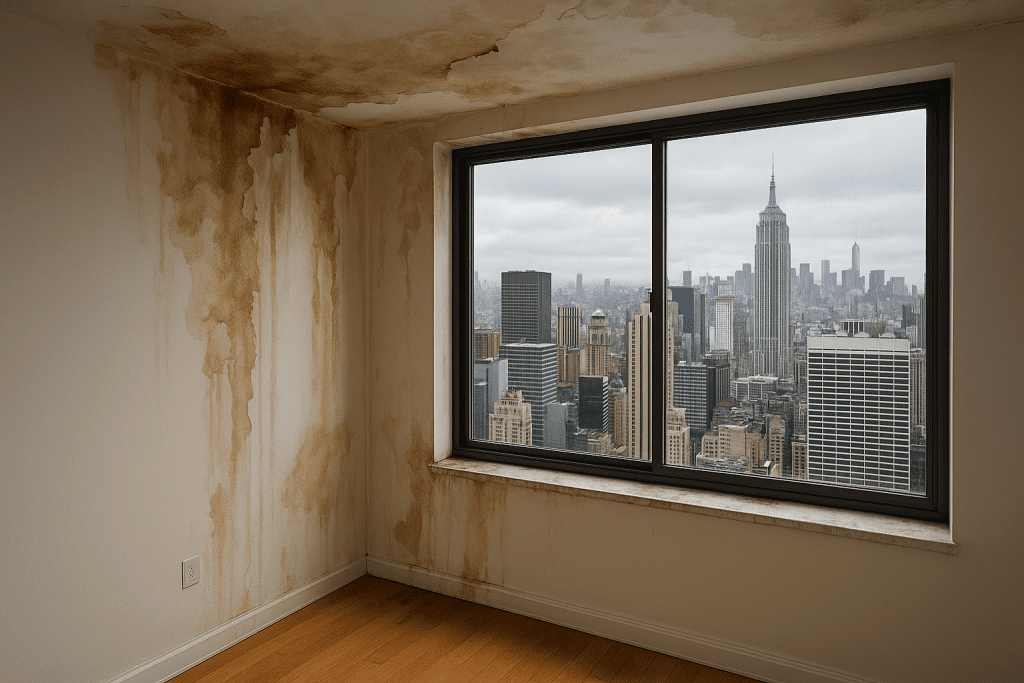
Living in a high-rise apartment in New York City comes with incredible views and convenience, but it also comes with unique risks—especially when water damage strikes. From burst pipes to leaks from neighboring units, water-related issues can disrupt your home, your routine, and your peace of mind. Knowing what happens next can help NYC homeowners and tenants respond effectively. High-Rise Apartment Water Leak Emergency Water leaks in high-rise apartments can escalate quickly, causing structural damage and mold growth. A water leak in a high-rise can be especially severe due to the height, shared walls, and complex building systems, making prompt action essential. Acting fast is critical to minimize damage and protect your home. The first moments after discovering water damage are crucial: Prioritize safety by avoiding contact with wet electrical outlets or appliances. Document the damage with photos and videos for insurance purposes. Contact building management immediately if the damage is significant. In high-rise buildings, management often coordinates emergency responses, such as shutting off water to prevent further damage. Reach out to professional restoration and reconstruction experts like NYTDR to assess and repair your apartment. Responding quickly and following these steps ensures your apartment is protected, helps prevent long-term damage, and streamlines insurance claims. The Role of Professional Restoration and Reconstruction Once the immediate situation is under control, the focus shifts to restoration and reconstruction. Professional teams like NYTDR specialize in repairing and rebuilding affected areas, including walls, ceilings, flooring, cabinetry, kitchens and bathrooms. In high-rise units, where damage can extend to shared walls and structural elements, expert restoration ensures that your apartment is returned to its pre-damage condition safely and efficiently. Mold and Long-Term Considerations Even after visible water is gone, moisture can linger in hidden areas, increasing the risk of mold. Mold can compromise air quality and lead to health issues such as allergies or respiratory irritation. Professional restoration teams address affected materials and rebuild areas properly, helping prevent mold and other long-term problems. Insurance and Next Steps Handling insurance claims is a critical step after water damage, and NYTDR helps NYC residents navigate the process while focusing on restoration and reconstruction: NYTDR assists in documenting all damage with photos and detailed reports to support your claim. Our team works directly with insurers to ensure reconstruction and restoration needs are clearly communicated. We help identify all areas of your apartment that require repair, including walls, ceilings, flooring, and cabinetry. By partnering with NYTDR, you can streamline the claims process while ensuring your apartment is restored safely and thoroughly. Preventing Future Water Damage After your apartment is restored, consider preventive measures such as routine plumbing inspections, proper sealing around windows and bathrooms, and monitoring for leaks in shared walls. For high-rise residents, building-wide maintenance and neighbor awareness also play a key role in preventing future water issues. Conclusion Water damage in a high-rise apartment can be overwhelming, but knowing what happens next makes a difference. Focusing on professional restoration and reconstruction, addressing mold risks, and carefully navigating insurance ensures your home is returned to its pre-loss condition. With the right approach, NYC residents can protect their homes, health, and peace of mind. Experienced a Manhattan High Rise Water Leak? Contact NYTDR today!