When to Contact Your Local Water Damage Restoration Company
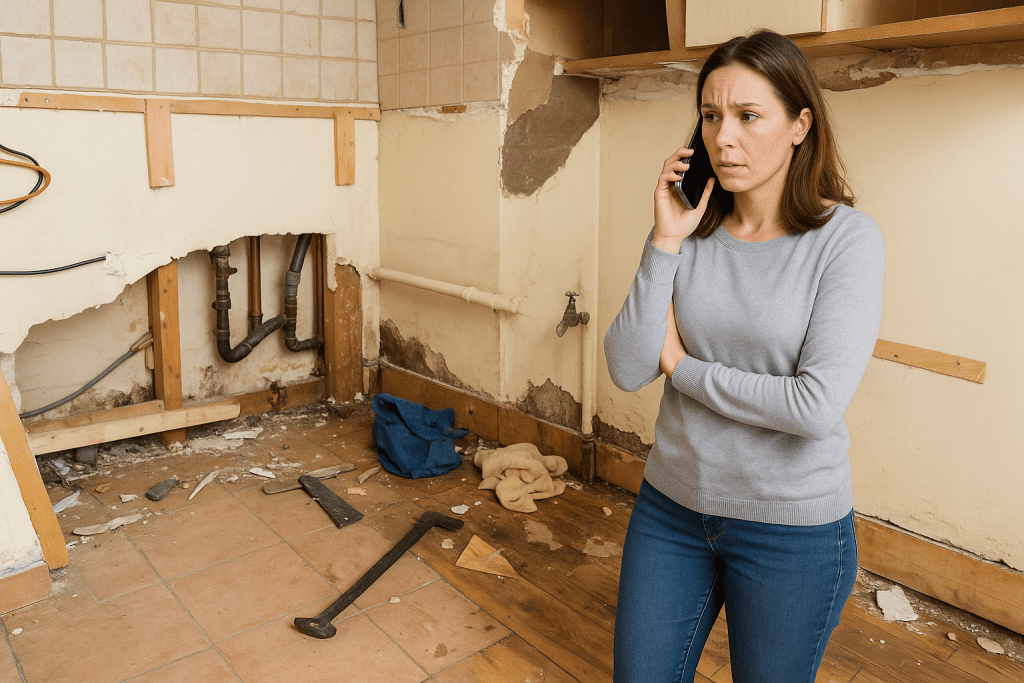
Water damage in your home can escalate quickly, causing structural issues, mold growth, and costly repairs. In a city like New York, where homes are densely packed and space is limited, acting promptly is critical. Knowing the signs of serious water damage and contacting a professional NYC restoration company early can save your home, your wallet, and your peace of mind. When to Call NYTDR Knowing when to contact your local water damage restoration company can prevent small problems from turning into costly, long-term damage. Not every water incident is obvious at first glance — sometimes the most serious issues are hidden behind walls, under floors, or inside ceilings. Here are the key warning signs to watch for: Visible Damage to Structures Keep an eye out for physical changes in your home’s structure. Warped or sagging ceilings, cracked or bubbling walls, or floors that feel soft, uneven, or damaged are all signs that water has affected the integrity of your home. Even small cracks or bulges can indicate a larger problem behind the surface that requires professional repair. Persistent Odors Musty or unusual odors are often the first sign of hidden water damage or early mold growth. If you notice a smell that doesn’t go away, even after cleaning or airing out the area, it may indicate that moisture has penetrated materials like drywall, insulation, or flooring — areas that are difficult to address without expert restoration. Electrical Concerns Water exposure to outlets, wiring, or electrical panels is a serious safety hazard. Flickering lights, tripped breakers, or outlets that feel warm to the touch are warning signs that your home’s electrical system may be compromised. Professional restoration ensures that any damage is properly repaired and safe for your family. Insurance Considerations If water damage affects your home, it’s important to document it properly for insurance purposes. Visible damage, mold growth, or structural issues can all impact your coverage. A professional restoration company can provide detailed reports and photos, ensuring your insurance claim accurately reflects the extent of the damage. Other Subtle Signs Sometimes water damage is not immediately visible. Additional signs to watch for include: Stains or discoloration on walls, ceilings, or floors Swollen doors, window frames, or baseboards Loose or bubbling paint or wallpaper Floors or carpets that feel damp, spongy, or uneven If you notice any of these indicators, it’s a strong sign that your home needs expert restoration. Acting quickly not only protects your property but also helps ensure that your insurance claim is handled accurately and efficiently. Why Timing Matters in Water Damage Restoration Even minor water incidents can lead to hidden damage in walls, floors, and ceilings. Professional water damage restoration companies focus on repairing and rebuilding affected areas, preventing long-term issues such as: Structural weakening of floors, walls, or ceilings Mold and mildew growth if left untreated Damage to personal property Insurance complications if restoration is delayed Delaying professional restoration can turn a manageable problem into a major reconstruction project and may complicate insurance claims. Early intervention is always the safer choice. Situations That Always Require a Professional Certain water damage scenarios demand immediate action from certified restoration specialists: Burst Pipes or Appliance Failures: Structural damage from appliance or plumbing failures Sewage Backups: Contaminated water can damage materials that require professional rebuilding Storm Flooding or External Water Intrusion: Flooding that penetrates foundations, basements, or walls Large-Area Damage: Extensive structural damage affecting multiple rooms or levels Insurance Documentation Needs: Major incidents often require professional reports to ensure full insurance coverage Professional restoration is the only safe way to repair your home fully, prevent further damage, and protect your insurance rights. How a Local Water Damage Restoration Company Protects Your Home Restoration services go beyond surface repairs. Here’s how they safeguard your property while supporting insurance claims: Structural Repairs and Rebuilding: From drywall replacement to flooring, ceilings, and cabinetry, professionals restore your home to pre-damage condition Insurance Collaboration: Our team works directly with your insurance company, documenting damage and repairs professionally to help homeowners navigate claims smoothly Claim Accuracy and Peace of Mind: Proper documentation ensures insurance covers the full extent of damage, reducing disputes or denied claims Subtle Signs That Water Damage May Be Contained While NYTDR is ready to restore your home in all major water damage scenarios, some minor situations may not require an immediate call. These are typically cases where the impact is very localized and hasn’t affected structural elements, hidden spaces, or areas that could compromise your insurance coverage. Examples include: Small, contained incidents that are quickly identified and monitored Brief exposure of surfaces that show no signs of warping, staining, or lingering moisture Situations that don’t present any risk to electrical systems, structural integrity, or mold growth Minor issues where simple measures like stopping the source of a leak or patching small holes prevent further escalation Even in these instances, professional assessment remains the safest approach. NYTDR encourages homeowners to remain attentive and contact us immediately if any of these situations start to escalate, show signs of hidden damage, or affect areas critical to your home’s structure or safety. This ensures your property is fully protected and any potential insurance claim is documented correctly from the start. Protect your property and stop small issues from escalating by reading our guide on How to Stop Water Damage From Getting Worse. Final Thoughts Water damage is unpredictable, but your response doesn’t have to be. Recognizing the signs, understanding the risks, and contacting a professional early can protect your home, your investment, and your insurance coverage. If your NYC home experiences water damage, NYTDR is ready to help. Our expert team specializes in full-scale restoration — working directly with insurance providers to repair and rebuild affected areas efficiently and professionally. With NYTDR, you get professional expertise, insurance support, and peace of mind when the unexpected happens.
What’s New in NYC Home Design: 2026 Renovation Trends

Has your home recently suffered damage and is now ready for renovation? New York City homes are evolving faster than ever. From historic brownstones to modern high-rises, 2026 brings a wave of renovation trends focused on smarter living, sustainable design, and multi-functional spaces. NYC homeowners are rethinking how they use every square foot, blending timeless charm with modern comfort. At NYTDR, we help make these transformations a reality, guiding homeowners through renovations that improve style, efficiency, and long-term value. 1. Smarter Homes for Seamless Living Technology is no longer just a luxury — it’s now an integral part of NYC home design. Homeowners are integrating smart systems into their renovations, combining convenience, energy efficiency, and safety. Thermostats that learn daily routines to reduce energy bills Smart lighting that adjusts automatically based on natural light Leak detection sensors, automated water shut-offs, and connected security systems Apartments and brownstones are often compact, so automation maximizes comfort without cluttering the space. Smart upgrades also increase the value of your home while helping cut utility costs. 2. Sustainable & Eco-Friendly Materials Sustainability is at the forefront of home renovations in 2026. NYC homeowners are choosing eco-conscious materials that are both stylish and environmentally responsible. Reclaimed wood and bamboo flooring for a natural, durable finish Low-VOC paints and finishes for healthier indoor air Upgraded insulation and energy-efficient windows to reduce drafts and heating costs For older NYC buildings, incorporating these materials can dramatically improve energy efficiency, lower bills, and protect your home from winter wear and tear. From water-damaged basements to smoke-affected living rooms, NYTDR integrates air purification and moisture-control systems, ensuring your home feels fresh, safe, and comfortable after restoration. 3. Multi-Functional Spaces for Modern Living With remote work and compact city living becoming standard, NYC renovations increasingly focus on flexible, multi-purpose spaces. Sliding partitions or foldable walls that create adaptable room layouts Home offices that transform into guest rooms or study areas Hidden storage and convertible furniture to make the most of limited square footage This trend reflects a practical reality: New Yorkers need homes that can pivot with lifestyle changes, making each room work harder without feeling cramped. 4. Warm, Textured, and Personal Interiors Minimalism is evolving into warmth and texture in 2026. Homeowners are moving toward layered, tactile designs that make spaces feel inviting, unique, and luxurious. Earth tones like soft taupe, terracotta, and olive green Textured walls using plaster, microcement, or fluted panels Statement lighting and decorative features that double as art Even small touches, such as textured backsplashes or accent walls, can transform the look and feel of a room, making it both trendy and timeless. After restoring a home, NYTDR integrates personalized touches that make your space stylish, cozy, and fully reflective of your personality. 5. Wellness and Comfort at Home NYC homeowners are prioritizing health and wellness in their renovations. After years of city stress, spaces are designed to feel restorative, calm, and functional. Air purification systems integrated into HVAC for cleaner indoor air Soundproofing materials to buffer street noise or busy neighbors Spa-inspired bathrooms with steam showers, heated floors, and ambient lighting Designing with wellness in mind not only improves daily life but also adds a strong resale appeal in NYC’s competitive housing market. 6. Kitchen & Bathroom Upgrades that Add Value Kitchens and bathrooms remain the most impactful spaces for renovations in 2026. NYC homeowners are focusing on modern, durable finishes and smart layouts. Hidden or built-in appliances for clean, modern aesthetics Stone countertops and slab backsplashes replacing traditional tile Luxury bathroom fixtures, including digital showers, deep soaking tubs, and smart lighting Even small upgrades in these spaces can dramatically improve both functionality and overall home value. Our team also incorporates preventive measures, such as moisture-resistant materials, improved ventilation, and leak-proof plumbing, to reduce the risk of future water damage or mold growth. 7. Future-Proof and Resilient Renovations NYC homes are not just being upgraded for style — they are being built to last. Homeowners are investing in resilient materials and systems to withstand future wear, weather, and lifestyle changes. Reinforced materials for flood or fire protection Energy-efficient electrical, plumbing, and heating systems Infrastructure for future technologies, like EV chargers or additional smart systems This approach ensures your home stays modern and efficient for years to come, protecting both your investment and your daily comfort. NYTDR focuses on using durable, damage-preventing materials and construction methods, protecting your home from fire, water, and mold while keeping it stylish and comfortable. NYC Homes in 2026 and Beyond 2026 is all about blending style, comfort, and functionality. From smart automation and sustainable materials to multi-purpose layouts and wellness-focused design, NYC renovations are smarter and more intentional than ever. If you’re ready to modernize your home or restore a space after damage, NYTDR specializes in complete home renovations across NYC, helping homeowners combine expert craftsmanship with cutting-edge design. Discover how NYTDR manages complete NYC home renovations, turning outdated spaces into smart, stylish, and sustainable homes.
What Is a Nor’easter and Why It Hits NYC Homes So Hard
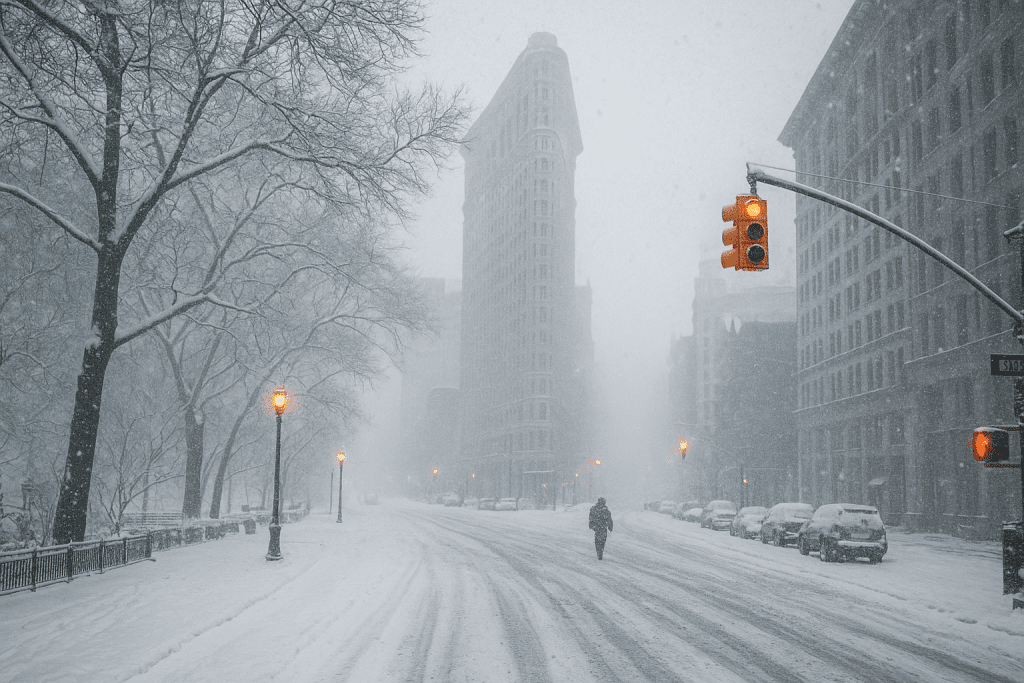
If you’ve ever woken up to howling winds, snow piling against your front door, or icy sidewalks in New York City, you’ve likely experienced a nor’easter. These powerful winter storms are notorious along the East Coast and can cause serious property damage for NYC homeowners—from flooded basements and roof leaks to wind-damaged siding and hidden water infiltration. Understanding how nor’easters form, why they hit NYC so hard, and what steps homeowners can take to prepare is essential for minimizing risk and protecting your home. What exactly is a Nor’easter? A Nor’easter develops when cold air from the north collides with warm, moist air over the Atlantic Ocean. The resulting storm produces heavy snow or rain, strong winds, and rapid changes in atmospheric pressure. Unlike typical snowstorms, nor’easters can linger for hours or even days, dumping large amounts of precipitation while whipping up gusts strong enough to damage homes and streets. Has Your Home Suffered Storm or Flood Damage in NYC? At NYTDR, we help New York City homeowners fully restore their homes after storm, flood, or other damage. Our team manages every step of the process, from assessing structural issues to fully repairing interiors, making your home safe and livable again. We are dedicated to guiding homeowners through recovery quickly and efficiently, minimizing stress, and ensuring families can get back to normal life as soon as possible. How Nor’easters Affect NYC Homes Nor’easters bring multiple hazards that affect homes differently depending on location, building type, and maintenance. Flooding is one of the most visible threats. Coastal neighborhoods such as Lower Manhattan, Brooklyn, and Staten Island are particularly susceptible to storm surge, which can push water into streets and basements. Even homes farther inland can experience basement flooding when drainage systems are overwhelmed during heavy rain or rapid snowmelt. Roof damage is another common problem. Heavy snow accumulation puts pressure on rooftops, especially in older buildings. Ice dams can form when melted snow refreezes at roof edges, forcing water under shingles and causing leaks in ceilings and walls. Proper attic insulation and ventilation can reduce the risk, but older roofs still require careful monitoring. Strong winds can topple trees onto homes, break windows, and damage siding. Outdoor furniture, planters, and trash bins may become dangerous projectiles, adding to property damage. Homes in older or low-rise buildings are particularly at risk because these structures may not withstand prolonged wind exposure as well as newer constructions. Flooded Streets By a Nor’easter Photo taken ByEyewitness News WABC logo Tuesday, October 14, 2025 Practical Steps NYC Homeowners Can Take Before the Storm Inspect and Maintain Your Roof • Check for missing or damaged shingles. • Ensure gutters and downspouts are clear of debris. • Consider professional inspections for older or flat roofs. Protect Pipes from Freezing • Insulate exposed pipes. • Let a slow drip of water run during extremely cold nights. • Seal gaps around windows, doors, and foundation areas to reduce drafts. Secure Outdoor Spaces • Bring in lightweight furniture, trash cans, and garden equipment. • Trim trees and remove dead branches that could fall during high winds. Prepare an Emergency Kit • Flashlights, batteries, and candles • Bottled water and non-perishable food • Blankets, warm clothing, and first aid supplies • A battery-powered or hand-crank radio Plan for Communication and Safety • Keep cell phones charged and have backup batteries. • Know evacuation routes if you live in flood-prone areas. • Check on neighbors, especially seniors or those with limited mobility. After the Storm: Insurance and Restoration Considerations Even with precautions, nor’easters can still cause significant damage. Acting quickly after a storm is critical. File Insurance Claims Promptly: Most homeowners policies require timely reporting. Delays can reduce coverage or lead to claim denial. Document Damage: Take photos or video of affected areas for maximum insurance reimbursement. Work with Experts Like NYTDR: We specialize in ensuring homeowners receive the full insurance payout and managing complete restorations. Our team maximizes coverage, manages repairs, and ensures homes are fully renovated after damage. Tips to Maximize Insurance Claims: Keep detailed records of repairs and contractor estimates. Avoid temporary fixes that could be misinterpreted by adjusters. Work with experienced restoration professionals to advocate for your full claim. Did You Know? Nor’easters can sometimes deposit more snow in NYC than blizzards in upstate New York due to the city’s proximity to the coast and moisture-rich air. The city’s drainage system was not designed for prolonged heavy rain or rapid snowmelt, which is why street and basement flooding is common during these storms. Ice dams are another frequent cause of hidden damage, often affecting ceilings and walls long after the storm has passed. Some of the most notable storms in U.S. history were nor’easters, including the Blizzard of 1888, the Ash Wednesday Storm of 1962, the Blizzard of 1978, and the 1993 “Storm of the Century. Conclusion Nor’easters are more than just winter weather—they pose a real threat to NYC homes. From coastal flooding to roof damage and hidden water infiltration, these storms can leave lasting impacts if homeowners are unprepared. By inspecting your home, protecting vulnerable areas, preparing emergency kits, and knowing how to navigate insurance claims, you can minimize damage and recover faster. Partnering with experts like NYTDR ensures your home is restored properly and your insurance payout is maximized, giving you peace of mind after the storm passes. And if a storm does strike, your local damage restoration company is here to assist every step of the way — from emergency response through full restoration — so you’re never left to handle the recovery process alone.
Replacement Cost vs. Actual Cash Value: Getting the Most from Your Policy
Homeowners insurance is one of the most important protections you can have for your property, but understanding the nuances of coverage can be confusing. Two of the most critical terms in your policy—Replacement Cost (RCV) and Actual Cash Value (ACV)—directly affect how much money you’ll receive if disaster strikes. Choosing the wrong type of coverage can leave you with a significant financial gap when repairing or replacing damaged property. Understanding the differences between these two approaches, their pros and cons, and how they interact with your overall policy can help you make smarter decisions and maximize the value of your insurance. In a city like New York, where older buildings, fluctuating property values, and unpredictable weather can amplify risks, this knowledge becomes even more essential for protecting your investment and avoiding unexpected out-of-pocket costs. NYTDR’s Commitment to NYC Homeowners At NYTDR, we help New York City homeowners protect their homes and navigate insurance claims after damage from storms, water, fire, or mold. Whether your policy is ACV or RCV, our team ensures that every claim is thoroughly documented and supported, so you receive the maximum payout possible. By working with us, homeowners can reduce unexpected out-of-pocket costs and make the process of restoring their home after damage as smooth and stress-free as possible. What Is Replacement Cost (RCV)? Replacement Cost refers to the amount it would take to replace or repair your damaged property with new materials of similar kind and quality, without deducting for depreciation. Unlike other valuation methods, RCV ensures that you receive enough coverage to restore your home or belongings to their original condition—or better—regardless of their age or wear and tear. For example, if a 10-year-old roof is damaged in a storm, your insurer would cover the cost to install a brand-new roof of comparable quality, rather than paying only a depreciated value based on the roof’s age. This type of coverage is particularly valuable for NYC homeowners with older properties, valuable personal belongings, or items that have appreciated in replacement cost over time. It ensures that you are not left with a financial gap that could make it difficult to fully restore your home after damage. Pros: Provides full reimbursement to replace damaged items with new ones, minimizing out-of-pocket costs. Offers peace of mind, knowing that you can restore your home or belongings without compromise. Protects against inflation and rising replacement costs, which can be significant in high-demand markets. Cons: Typically comes with higher premiums compared to Actual Cash Value policies. May encourage higher claims costs if policyholders opt to replace items with more expensive versions than originally owned. What is Actual Cash Value (ACV)? Actual Cash Value, or ACV, is a method of calculating insurance payouts that factors in depreciation. Unlike Replacement Cost Value (RCV), which covers the full cost to replace an item regardless of age, ACV reflects the item’s current value based on its age, wear and tear, and overall condition at the time of the loss. For example, if your 8-year-old dishwasher is damaged in a leak, the insurer will subtract depreciation from the replacement cost to determine your payout. This means the compensation may be significantly lower than the cost of buying a brand-new dishwasher, especially for older appliances that have naturally lost value over time. Pros: Generally results in lower insurance premiums compared to RCV policies, making it a more affordable option for homeowners. Suitable for individuals who are financially able to cover the gap between the ACV payout and the actual cost to replace the damaged property. Cons: May not provide enough funds to fully replace damaged or destroyed items with new ones. Can lead to higher out-of-pocket expenses in the event of a claim, particularly for older or heavily used property. Requires careful budgeting to ensure you can cover any shortfall if major items are damaged. ACV is often chosen by homeowners who want a more cost-effective policy and are comfortable assuming some financial risk, but it’s important to understand that the payout will never fully reflect the cost of replacing items with new equivalents. Comparing RCV and ACV: A Practical Example Scenario: Two neighbors, Caroline and David, experience a pipe burst that floods their kitchens. Both have similar hardwood floors and cabinets originally costing $10,000. Caroline has an ACV policy, while David has an RCV policy. Their floors and cabinets are around 12 years old. Homeowner Original Cost Depreciation Policy Type Insurance Payout Caroline $10,000 $6,000 ACV $4,000 David $10,000 $0 RCV $10,000 Explanation: Caroline(ACV): Her insurer subtracts $6,000 in depreciation due to the age and wear of her kitchen. She receives $4,000, which may not be enough to fully replace her cabinets and floors, so she must cover the remaining $6,000 out of pocket. David (RCV): His policy covers the full replacement cost of $10,000, allowing him to fully restore his kitchen without additional expenses beyond his deductible. Key Takeaway: This example highlights how ACV policies pay the depreciated value of damaged property, potentially leaving homeowners with significant out-of-pocket costs. RCV policies provide full replacement coverage, offering stronger financial protection in the event of any home damage. At NYTDR, we work closely with NYC homeowners to navigate insurance claims and ensure they receive the maximum payout possible, while also coordinating full renovations so their homes are completely restored. Which Insurance Option Is Right for You? Deciding between Replacement Cost Value (RCV) and Actual Cash Value (ACV) depends on your needs, budget, and risk tolerance. Replacement Cost Value You want full coverage to replace damaged or destroyed items without paying extra out of pocket. You’re comfortable with higher insurance premiums in exchange for stronger financial protection. Actual Cash Value You want to save money on your insurance premiums. You can cover the gap between the depreciated payout and the cost to replace damaged items. RCV policies provide peace of mind and full replacement coverage, while ACV policies are more budget-friendly but may leave you with additional expenses after a claim. Consider your finances, the age
What Causes Roof Leaks in NYC after Snow Melt?
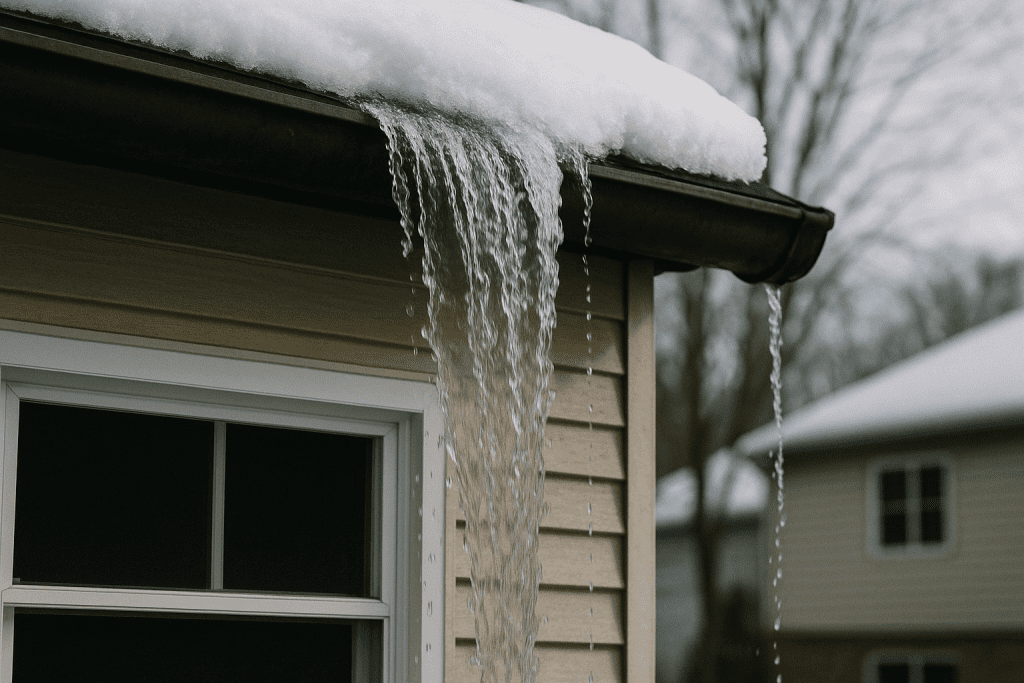
New York City winters bring heavy snowfalls, freeze-thaw cycles, and often dramatic shifts in temperature. When snow melts and refreezes, it can cause ice dams, ponding, or seepage under roofing materials — all of which lead to leaks. For NYC homeowners, the problem is often worse in older buildings (especially brownstones, rowhouses, and pre-war constructions) with flat or low-slope roofs, aging flashing, and insulation that’s not up to modern standards. If snow melt does cause a roof leak, acting quickly is crucial. Water infiltration can spread through ceilings, insulation, and walls, leading to costly interior damage or mold growth. NYTDR offers full water damage restoration services, handling everything after the emergency mitigation and structural drying to complete renovation. Our team also works directly with your insurance company, ensuring that claims are properly documented and homeowners receive the coverage they’re entitled to. In this article, you’ll learn why roof leaks happen from snow melt, what risks are unique to NYC, and the preventative steps you can take this fall and early winter before leaks start. Why Snow Melt Causes Leaks Roof leaks from snow melt begin when warm air from inside your living spaces escapes into the attic or roof deck, heating the roof surface and causing the snow above it to melt. As the melted water runs down to the colder roof edges or eaves, it refreezes and forms ice dams that block proper drainage. This trapped water can back up under shingles or roofing membranes, seeping into flashing, soffits, and even through penetrations like vents and skylights. Homes with flat or low-slope roofs—common throughout New York City—are particularly vulnerable because standing water, or “ponding,” tends to linger instead of draining quickly. Over time, damaged flashing, aged roofing materials, and cracked or worn seals around vents and chimneys further weaken the roof’s defenses, making leaks from snow melt more likely. NYC-specific factors Many NYC homes are pre-war, brownstones, or rowhouses where insulation is minimal, attic spaces are cramped or non-existent, and roof slopes are low or flat. Building codes, roof maintenance access, co-op/condo board restrictions, and landmark status can complicate interventions. Winter cycles in NYC: freezing nights, warmer days → frequent melt/refreeze cycles. Inspect Your Roof Before Winter How to Prevent Roof Leaks After Snow Melt in NYC The best defense against post-snow-melt leaks is proactive maintenance and professional inspection. 1. Insulate and Seal Your Roof Properly Reduce heat escaping from the building by upgrading insulation and sealing attic openings. This helps maintain a consistent roof temperature and prevents ice dams from forming. 2. Maintain Adequate Ventilation Balanced roof ventilation (intake and exhaust vents) allows warm air to circulate evenly, preventing hot spots that cause uneven melting. 3. Clean Gutters and Drains Regularly Before winter, clear all debris, leaves, and sediment from gutters, scuppers, and drains. A clear drainage path allows meltwater to flow freely, reducing pooling and freeze-back. 4. Inspect Flashing and Membranes Check for cracks, lifted seams, or deteriorating flashing around chimneys and vents. Re-seal or replace damaged sections before the next freeze. 5. Install Ice-and-Water Shield or De-Icing Systems For roofs prone to ice dams, consider adding an ice-and-water barrier under the top layer of roofing or installing heated cables along eaves and gutters. Warning Signs of a Roof Leak After Snow Melt Homeowners should watch for these early indicators of a problem: Water stains or brown patches on ceilings and walls. Bubbling or peeling paint near the roofline. Damp insulation or musty odors in the attic. Dripping sounds or visible moisture during warm afternoons after snow. Icicles or excessive ice buildup along roof edges or gutters. These symptoms often appear within days of the first major thaw, so early action can prevent long-term damage. Learn more about How to Check for Water Damage in your Apartment and protect your home this winter with NYTDR’s expert restoration and inspection services. What to Do If Leak Has Already Started Even with best prevention, leaks may still occur. Here’s immediate action you can take: Locate the leak’s source: attic inspection for water stains, drips, mold. Trace back water’s path (not always directly above drip). Apply a temporary patch / tarp until repairs are possible. Use roofing cement or waterproof tarp securely fastened. Call an experienced NYC roofing / restoration contractor like NYTDR, especially for flat roofs, membrane systems, or where flashing needs replacement. Be mindful of building / co-op approvals. Does Homeowners Insurance Cover Roof Leaks from Snow Melt in NYC? When melting snow causes a roof leak, many NYC homeowners wonder whether their insurance will pay for the damage. In most cases, policies cover sudden and accidental leaks, such as those caused by ice dams, roof collapse, or storm-related damage. However, if the issue stems from lack of maintenance, clogged drains, or aging materials, coverage may be denied. Because the cause determines eligibility, it’s essential to document all damage, take photos, and contact your insurer before starting repairs. Insurance companies aim to protect homeowners’ best interests by ensuring properties are safely restored and safeguarded against further damage but accurate documentation and expert assessment make all the difference. Working with a licensed restoration contractor like NYTDR helps confirm the true source of the leak, ensures emergency mitigation is completed promptly, and streamlines communication with your insurer for the best possible outcome. Cost vs Benefit (NYC Considerations) Upgrade costs can be substantial – Improving roof insulation, ventilation, or flashing requires investment, particularly in older NYC buildings. These upgrades directly reduce the risk of snow melt causing leaks, ice dams, or water intrusion. Risks of inaction – Ignoring roof vulnerabilities increases the likelihood of interior water damage, mold growth, and costly insurance claims when winter snow melts and seeps into your home. Proactive investment pays off – Addressing roofing weaknesses before snow accumulates and melts often saves significantly more than emergency leak repair, water remediation, or structural restoration after damage has occurred. When Roof Leaks Cause Interior Damage Once water enters your home, it can spread rapidly through insulation, ceilings,
What Is Still Safe to Use in Your Home After Water Damage?

Water damage can happen suddenly—a burst pipe, heavy rainstorm, or appliance leak can leave your home soaked in just minutes. Once the initial flood has been addressed and cleanup begins, the big question is: what items are still safe to keep, and what must be discarded? Making the right choices is critical, not only for your health and safety but also for the long-term recovery of your home. Some materials can be salvaged with professional cleaning, while others may harbor mold, bacteria, or structural weakness even after drying out. Safety First: Before You Start Sorting Before you begin handling any water-damaged items, it’s critical to ensure your home is safe to enter. First, always turn off electricity in affected areas to prevent the risk of electrocution, especially in apartments or high-rises where water can seep into outlets, wiring, or shared walls. Wearing protective gear, such as gloves, masks, and even waterproof boots, is essential because floodwater can contain harmful contaminants including sewage, chemicals, and mold spores. Working with professionals like NYTDR can make the recovery process much smoother. We provide expert total damage restoration and complete renovation services, helping NYC homeowners restore their homes efficiently and confidently. What You Can Keep Hard, non-porous surfacesItems made of glass, metal, and certain types of sealed hardwood can usually be salvaged after thorough cleaning. These materials don’t absorb water, so disinfecting them is generally enough to restore them for safe use. Solid wood furnitureWhile water can damage finishes and cause swelling, the wood itself may be salvageable if dried quickly. In Manhattan apartments, lifting furniture off wet flooring immediately is key to preventing stains and long-term damage. Documents and photosIf you cannot dry important papers and photographs within 48 hours, freezing them can help halt further deterioration. This is especially important in NYC homes where humidity in older buildings can make drying difficult. What to Discard Drywall and insulationThese porous materials absorb water easily and provide a breeding ground for mold. In New York buildings with shared walls, water-damaged drywall must be removed quickly to prevent spreading mold growth. Carpets and rugsSaturated carpets and rugs are difficult to fully dry and can trap contaminants. In dense Manhattan housing, they can also worsen indoor air quality, making removal the safest choice. Electronics and appliancesNever turn on electronics that have been exposed to water until a professional inspects them. Electrical hazards are a major concern in apartments where water damage often reaches wiring and outlets. Important Safety Measures Turn off electricityIf it’s safe, shut off power at the breaker to prevent electrocution. This is especially critical in high-rise buildings where water can seep between floors and affect multiple electrical systems. Assess water typeCategory 3 water (known as “black water”) includes sewage and storm runoff, which are highly contaminated. This type of damage is a significant risk in cities, during heavy storms when sewer systems overflow. Call for professional helpWhen in doubt, it’s always safer to have a professional restoration company assess what can be salvaged. Services like NYTDR help homeowners and tenants navigate full water damage restoration, mold prevention, and maximizing insurance claims with expertise. Clean thoroughlyAfter drying the area, wash surfaces with detergent and follow up with a disinfectant. In NYC apartments where space is limited, this step is vital to prevent lingering mold spores and odors from spreading. Why Water Damage Restoration in Manhattan Requires Expert Care Living in Manhattan presents unique challenges when dealing with water damage: Older buildings: Many pre-war buildings have outdated plumbing and porous materials that soak up water quickly. High-rise living: Water damage often spreads between floors, affecting neighbors and common areas. Limited access: Cleanup crews may face logistical challenges like restricted elevator use or narrow stairwells. Humidity and mold: NYC’s humid summers accelerate mold growth, making timely restoration essential. Because of these factors, working with a professional team for water damage repair in NYC is often the safest and most effective path forward. Working With Insurance After Water Damage Your insurance policy may cover replacement costs for unsalvageable items, but only if you document the damage carefully. Before throwing anything away, take photographs and make a detailed inventory of what was damaged. Save receipts for cleaning, replacements, and professional services. At NYTDR, we work directly with your insurance company to ensure your claim includes the full scope of your losses. Final Thoughts Dealing with water damage can be stressful and uncertain, especially when every decision impacts the safety and comfort of your home. Partnering with the right professionals ensures the damage is not just repaired but fully resolved. At New York Total Damage Restoration, we specialize in total damage restoration and complete renovation, guiding homeowners through every step of the process. For reliable water damage restoration in the 5 boroughs, reach out to NYTDR today and restore your home with confidence and peace of mind.
DIY Mold Removal vs. Hiring a Professional
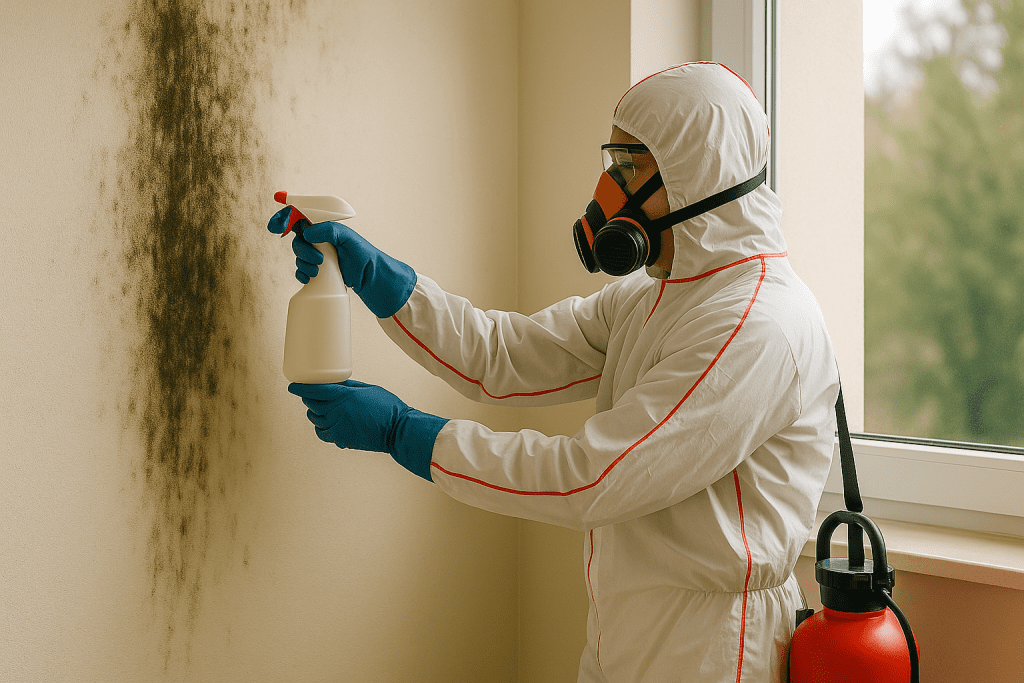
Mold in your home or business isn’t just unsightly—it’s a serious health and safety hazard. It can trigger allergies, worsen asthma, damage building materials, and spread quickly if not treated properly. When mold shows up, many people wonder: should I try to clean it myself, or call a professional? When mold spreads beyond the surface, only professional remediation can fully restore your property and protect your health. NYTDR provides large-scale mold remediation services in New York City, delivering safe, thorough, and lasting solutions. Our expert team ensures your home or building is properly treated and restored, giving you peace of mind that the problem has been resolved at its source. The Risks of DIY Mold Removal It’s common for homeowners to think a little scrubbing with bleach or vinegar will solve the problem. Unfortunately, that approach often makes things worse: Hidden mold remains behind walls, ceilings, and floors. Moisture sources aren’t addressed, so the mold keeps returning. Disturbing mold spores without proper containment spreads them to other areas of your home. Health risks increase when you’re directly exposed without protective equipment. DIY methods may appear to work on the surface, but they rarely eliminate the root cause. Learn more on how to prevent mold and protect your property with our expert tips. Check out our full guide on Mold Prevention Tips for a Healthier Home to stay one step ahead. The Importance of Professional Mold Remediation Mold is more than an inconvenience—it’s a hidden danger that can compromise your health, damage your property, and decrease your home’s value. When mold appears, it’s tempting to try quick fixes, but only professional remediation can truly eliminate the problem and prevent it from returning. Protecting Your Health Mold releases spores that can trigger allergies, asthma, and respiratory issues. For children, seniors, and anyone with weakened immune systems, exposure can be especially dangerous. Professional remediation ensures mold is safely removed without increasing your exposure. Addressing the Root Cause Surface cleaning may wipe away visible mold, but it doesn’t solve the underlying issue. Mold thrives when moisture is present—behind walls, under flooring, or in HVAC systems. Professionals don’t just clean; they investigate and fix the source, whether it’s a leak, poor ventilation, or water damage. Preventing Spread and Recurrence Disturbing mold without the right equipment can spread spores throughout your property. Professional teams like NYTDR use advanced containment methods and HEPA filtration to stop cross-contamination. We also apply antimicrobial treatments so mold doesn’t return. Protecting Property Value Left untreated, mold damages drywall, insulation, wood, and even structural components. Over time, repairs become more expensive, and your property’s resale value can drop. Fast professional remediation restores your home or business to a safe, healthy condition—and safeguards your investment. Expert Mold Remediation in NYC At NYTDR, we specialize in complete mold remediation in NYC, serving homeowners, apartment buildings, and commercial properties across Manhattan, Brooklyn, Queens, the Bronx, and Staten Island. Our team understands the unique challenges of New York City buildings, from pre-war brownstones to modern high-rises. We use advanced containment systems, industry-grade equipment, and proven restoration methods to ensure every trace of mold is safely removed. Beyond remediation, we provide full property restoration in New York City, rebuilding and restoring affected areas so your home or business doesn’t just return to normal—it looks and feels even better than before.
Insurance Tips Every NYC Renter Should Know Before a Disaster
New York City renters face unique risks. Fires in neighboring units, water leaks from upstairs neighbors, and smoke damage from hallway incidents are all common in high-density buildings. Renters insurance can be a lifeline, but too often tenants only discover its limitations after disaster strikes. At NYTDR, we’ve guided NYC renters through the insurance process while repairing fire, water, and mold damage. Based on what we see most often, here are the key insurance insights every NYC renter should understand in advance. 1. Landlord Coverage Doesn’t Extend to Your Belongings A landlord’s policy repairs the building, not your personal property. After a kitchen fire or burst pipe, the walls and ceilings may be restored—but your sofa, clothing, or laptop are only covered if you carry renters insurance. 2. Water Damage Depends on the Source Water damage is one of the most frequent claims in NYC apartments, and many tenants ask: does renters insurance cover water damage? The answer depends on the source. A broken pipe or appliance leak inside your apartment is typically covered. Water that seeps down from an upstairs neighbor’s overflow is often covered as well. Flooding from heavy rain or storm surge usually requires a separate flood policy. Basement and ground-level apartments are especially vulnerable, yet many renters don’t realize their policies exclude flood damage. 3. Smoke Damage Can Be Just as Destructive as Flames Even if a fire never reaches your unit, smoke can ruin clothing, furniture, and electronics. This type of damage is generally covered under renters insurance, but claims are much smoother if you have photos or an inventory of affected items. 4. Additional Living Expenses Have Limits If your apartment becomes uninhabitable, most policies cover temporary housing under “Additional Living Expenses” (ALE). However, in New York City, hotel rates and short-term rentals can exhaust this allowance quickly. Reviewing and, if needed, increasing this limit ensures you’re not forced to pay out of pocket while displaced. 5. Liability Coverage Protects You Beyond Your Apartment Accidents in one unit often affect others. A small leak from your sink can damage the ceiling below, or a candle left unattended can spread fire to neighboring units. Liability coverage addresses these situations, but limits should be high enough to reflect the cost of repairs in NYC buildings. 6. Valuable Items Often Require Extra Protection Renters insurance covers belongings, but high-value items—like jewelry, artwork, or certain electronics—are capped at relatively low amounts. Scheduling these items under a separate rider or endorsement ensures full reimbursement if they’re lost, stolen, or damaged. 7. Documentation Is Critical to Smooth Claims After a disaster, insurers require proof of what you owned and its condition. Creating a simple home inventory—whether through receipts, photos, or a quick video walkthrough—can make the claims process faster and more accurate. 8. Use Claims Strategically Insurance is there for protection, but filing frequent claims for minor issues can raise premiums or affect future eligibility. In some cases, it may be wiser to handle smaller losses personally and reserve claims for significant events. Final Thoughts Insurance for NYC renters is more complex than it first appears. Understanding what’s covered—and where the gaps are—can prevent costly surprises after a fire, flood, or other disaster. At NYTDR, we restore homes after major damage and help renters navigate the insurance process with clarity. By reviewing your policy thoroughly and taking small steps like documenting belongings and checking coverage limits, you’ll be far better prepared when the unexpected happens.
10 Warning Signs of Mold Toxicity
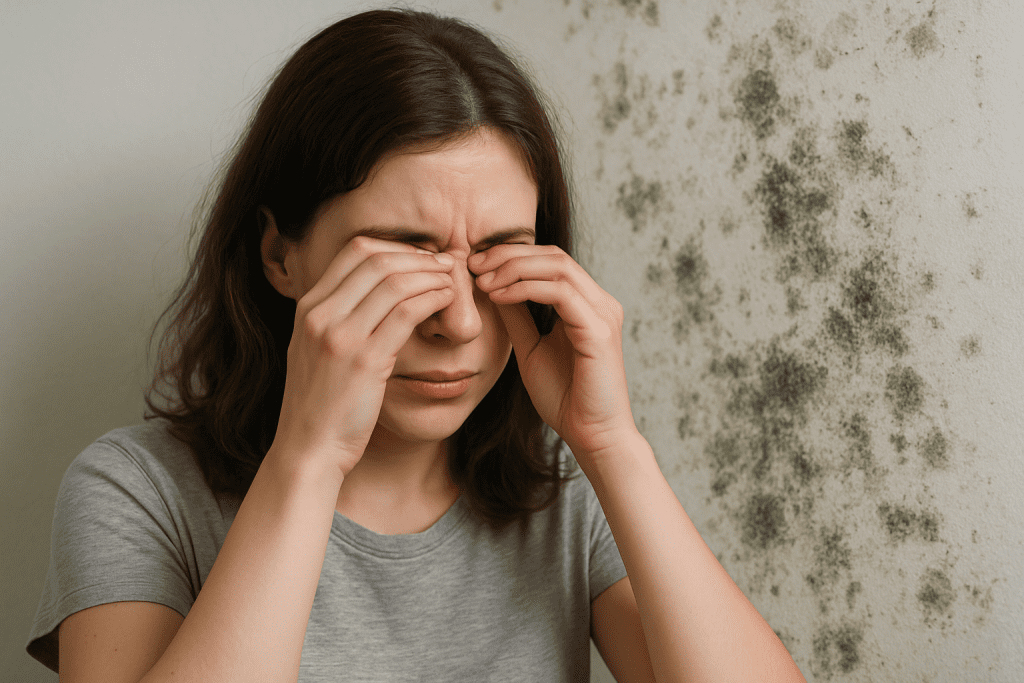
Mold in your home isn’t just an eyesore or a maintenance problem—it can be a serious health risk. When mold spreads indoors, it releases microscopic spores and mycotoxins that may cause a wide range of symptoms, often mistaken for allergies or other illnesses. At NYTDR, we have seen the damage mold can cause not only to property, but also to health. Knowing the warning signs can help you act fast and protect both your home and your well-being. 1. Persistent Respiratory Issues Coughing, wheezing, shortness of breath, or worsening asthma can all point to mold exposure. Mold spores irritate the lungs and airways, especially in children and people with pre-existing conditions. Chronic Sinus Problems Stuffy nose, sinus pressure, and repeated sinus infections are often linked to mold, particularly in damp environments. Some people first experience mold allergies before symptoms progress into more serious health issues. Learn more about the early signs of mold allergy here. 3. Frequent Headaches Toxins released by mold can trigger inflammation and recurring headaches, sometimes mistaken for migraines. 4. Fatigue That Won’t Go Away Constant tiredness, even after rest, may be a sign your immune system is working overtime to fight mold exposure. 5. Brain Fog and Memory Issues Difficulty concentrating, forgetfulness, and slowed thinking are common complaints linked to mold toxicity. 6. Skin Irritation and Rashes Mold exposure can cause itchy, red, or dry skin, especially in people with sensitivities. 7. Eye Irritation Watery, itchy, or red eyes may be caused by mold spores in the air. 8. Mood Swings or Anxiety Some studies suggest mold toxins can affect the nervous system, leading to changes in mood, anxiety, or depression-like symptoms. 9. Digestive Problems Nausea, diarrhea, or stomach pain can sometimes be traced back to mold exposure, especially if food or water sources are contaminated. 10. Heightened Allergic Reactions If you suddenly feel more sensitive to dust, pollen, or pets, hidden mold could be aggravating your immune system. What to Do If You Suspect Mold Toxicity If you or your family members are experiencing several of these symptoms—especially if they improve when you’re away from home—mold may be the culprit. The next step is mold removal and mold remediation by experienced professionals. At NYTDR, we provide full-service solutions, including: Professional mold removal that eliminates visible and hidden mold sources. A trusted remediation mold company approach that addresses root causes, not just surface damage. Safe and effective mold abatement methods to restore indoor air quality. Licensed mold removal specialists working directly with your insurance company to streamline claims and handle every step with precision We don’t just remove visible mold—we locate hidden moisture, prevent future growth, and restore your property to a safe, healthy condition.
Does NYC homeowners insurance cover accidental damage
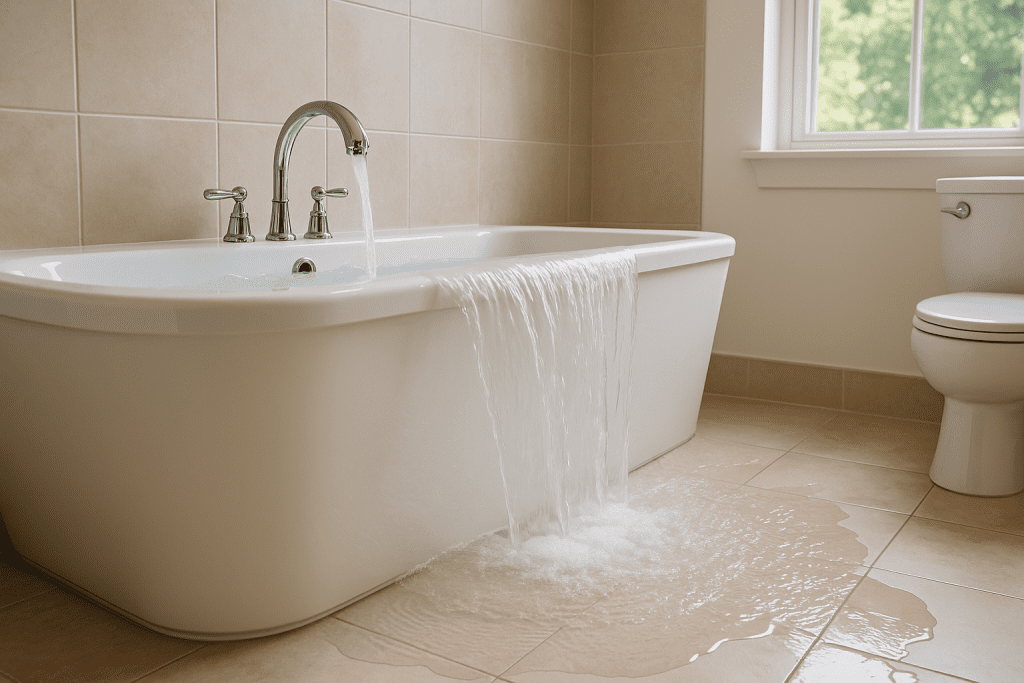
Homeownership in New York City comes with perks—but also responsibilities and risks. One question many NYC homeowners ask is: does homeowners insurance cover accidental damage? Accidents happen—maybe a ball crashes a window, a water pipe bursts, or a kitchen mishap starts a small fire. Understanding homeowners insurance and what your policy covers can save you stress, costly repairs, and unnecessary delays. What Is Accidental Home Damage Coverage? Accidental home damage coverage is an optional feature in many homeowners insurance policies that protects against sudden, unintentional events that cause damage to your property. In NYC, this can include: Dropped items breaking floors, countertops, or appliances Damage caused by pets or children Accidental spills or leaks causing permanent stains or water damage Standard homeowners insurance often covers major incidents like fire, theft, or storm damage, but may not automatically cover everyday accidents. Adding accidental damage coverage ensures your home is protected against both small and unexpected mishaps. When a Small Accident Escalates Many homeowners worry: if a small accident—like being careless in the kitchen—leads to a larger incident, will insurance cover it? In most cases, yes. Homeowners insurance generally covers the full damage resulting from an accidental event, even if it starts small and escalates. For example, a minor kitchen fire that spreads to cabinets, walls, or appliances is typically covered as long as it was unintentional and not deliberate or due to gross negligence. Secondary damage—like water damage from firefighting efforts or mold growth afterward—is also usually covered, depending on the policy. At NYTDR, we help NYC homeowners navigate these situations by documenting the full scope of damage and advocating for coverage so that both primary and secondary repairs are included. Our goal is to ensure that accidents, no matter how small at first, are fully addressed and properly restored. Why Accidental Damage Coverage Matters for NYC Homeowners Accidents can happen at any time, and repair costs in Manhattan, Queens or anywhere in NYC can be significant. By adding accidental damage coverage, you can: Protect high-value flooring, cabinetry, and appliances Avoid unexpected out-of-pocket repair expenses Gain peace of mind knowing minor mishaps won’t escalate into financial strain We’ve seen how small incidents, like water leaks, or minor incidents, can quickly escalate into major issues requiring fire damage repair or water damage restoration. Having coverage and expert guidance ensures homeowners respond quickly and effectively. NYTDR’s Aim At NYTDR, our aim is to make the insurance process straightforward and stress-free for NYC homeowners. We carefully review each policy, identify coverage gaps, and advocate for our clients to ensure they receive the protection they’re entitled to. Whether it’s accidental damage or larger incidents, we guide homeowners through the claims process with expertise and care, helping minimize expenses and maximize their coverage. Our focus is on delivering the best possible outcome for homeowners across New York City to get the coverage they deserve. What Does Homeowners Insurance Not Cover Even with accidental damage coverage, there are limits. Common exclusions include: Wear and tear or maintenance issues: Aging plumbing, old wiring, or structural wear isn’t typically covered Intentional damage: Damage caused deliberately by a homeowner or tenant Flood or earthquake damage: Separate NYC policies are required Pest damage: Termites, rodents, and other infestations Understanding these exclusions helps homeowners make informed decisions about additional coverage or preventive measures. Bottom Line NYC homeowners should carefully review their insurance policies to see whether accidental damage coverage is included or can be added. While standard homeowners insurance protects against major incidents, adding accidental damage coverage ensures protection against everyday mishaps that could escalate into larger problems. If you’re dealing with any major damage to your NYC home, NYTDR is here to guide you. Our expertise in insurance claims and full-service restoration ensures repairs are handled quickly and correctly, helping you get your home back to its original condition.