
If you’ve ever woken up to howling winds, snow piling against your front door, or icy sidewalks in New York City, you’ve likely experienced a nor’easter. These powerful winter storms are notorious along the East Coast and can cause serious property damage for NYC homeowners—from flooded basements and roof leaks to wind-damaged siding and hidden water infiltration. Understanding how nor’easters form, why they hit NYC so hard, and what steps homeowners can take to prepare is essential for minimizing risk and protecting your home.
What exactly is a Nor’easter?
A Nor’easter develops when cold air from the north collides with warm, moist air over the Atlantic Ocean. The resulting storm produces heavy snow or rain, strong winds, and rapid changes in atmospheric pressure.
Unlike typical snowstorms, nor’easters can linger for hours or even days, dumping large amounts of precipitation while whipping up gusts strong enough to damage homes and streets.
Has Your Home Suffered Storm or Flood Damage in NYC?
At NYTDR, we help New York City homeowners fully restore their homes after storm, flood, or other damage. Our team manages every step of the process, from assessing structural issues to fully repairing interiors, making your home safe and livable again. We are dedicated to guiding homeowners through recovery quickly and efficiently, minimizing stress, and ensuring families can get back to normal life as soon as possible.
How Nor’easters Affect NYC Homes
Nor’easters bring multiple hazards that affect homes differently depending on location, building type, and maintenance.
Flooding is one of the most visible threats. Coastal neighborhoods such as Lower Manhattan, Brooklyn, and Staten Island are particularly susceptible to storm surge, which can push water into streets and basements. Even homes farther inland can experience basement flooding when drainage systems are overwhelmed during heavy rain or rapid snowmelt.
Roof damage is another common problem. Heavy snow accumulation puts pressure on rooftops, especially in older buildings. Ice dams can form when melted snow refreezes at roof edges, forcing water under shingles and causing leaks in ceilings and walls. Proper attic insulation and ventilation can reduce the risk, but older roofs still require careful monitoring.
Strong winds can topple trees onto homes, break windows, and damage siding. Outdoor furniture, planters, and trash bins may become dangerous projectiles, adding to property damage. Homes in older or low-rise buildings are particularly at risk because these structures may not withstand prolonged wind exposure as well as newer constructions.
Flooded Streets By a Nor’easter
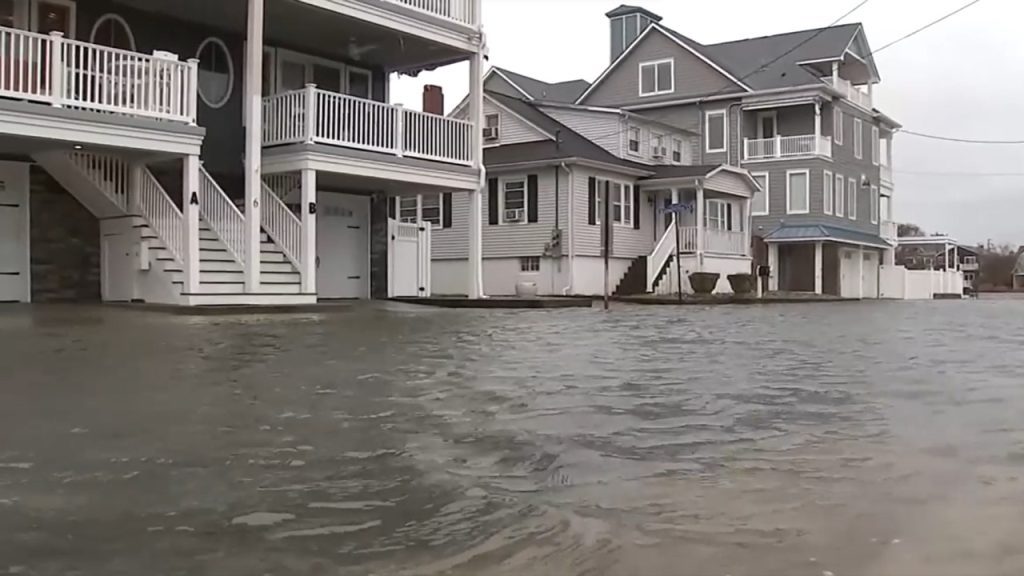
Photo taken ByEyewitness News WABC logo
Tuesday, October 14, 2025
Practical Steps NYC Homeowners Can Take Before the Storm
- Inspect and Maintain Your Roof
• Check for missing or damaged shingles.
• Ensure gutters and downspouts are clear of debris.
• Consider professional inspections for older or flat roofs. - Protect Pipes from Freezing
• Insulate exposed pipes.
• Let a slow drip of water run during extremely cold nights.
• Seal gaps around windows, doors, and foundation areas to reduce drafts. - Secure Outdoor Spaces
• Bring in lightweight furniture, trash cans, and garden equipment.
• Trim trees and remove dead branches that could fall during high winds. - Prepare an Emergency Kit
• Flashlights, batteries, and candles
• Bottled water and non-perishable food
• Blankets, warm clothing, and first aid supplies
• A battery-powered or hand-crank radio - Plan for Communication and Safety
• Keep cell phones charged and have backup batteries.
• Know evacuation routes if you live in flood-prone areas.
• Check on neighbors, especially seniors or those with limited mobility.
After the Storm: Insurance and Restoration Considerations
Even with precautions, nor’easters can still cause significant damage. Acting quickly after a storm is critical.
- File Insurance Claims Promptly: Most homeowners policies require timely reporting. Delays can reduce coverage or lead to claim denial.
- Document Damage: Take photos or video of affected areas for maximum insurance reimbursement.
- Work with Experts Like NYTDR: We specialize in ensuring homeowners receive the full insurance payout and managing complete restorations. Our team maximizes coverage, manages repairs, and ensures homes are fully renovated after damage.
Tips to Maximize Insurance Claims:
- Keep detailed records of repairs and contractor estimates.
- Avoid temporary fixes that could be misinterpreted by adjusters.
- Work with experienced restoration professionals to advocate for your full claim.
Did You Know?
Nor’easters can sometimes deposit more snow in NYC than blizzards in upstate New York due to the city’s proximity to the coast and moisture-rich air. The city’s drainage system was not designed for prolonged heavy rain or rapid snowmelt, which is why street and basement flooding is common during these storms. Ice dams are another frequent cause of hidden damage, often affecting ceilings and walls long after the storm has passed.
Some of the most notable storms in U.S. history were nor’easters, including the Blizzard of 1888, the Ash Wednesday Storm of 1962, the Blizzard of 1978, and the 1993 “Storm of the Century.
Conclusion
Nor’easters are more than just winter weather—they pose a real threat to NYC homes. From coastal flooding to roof damage and hidden water infiltration, these storms can leave lasting impacts if homeowners are unprepared.
By inspecting your home, protecting vulnerable areas, preparing emergency kits, and knowing how to navigate insurance claims, you can minimize damage and recover faster.
Partnering with experts like NYTDR ensures your home is restored properly and your insurance payout is maximized, giving you peace of mind after the storm passes. And if a storm does strike, your local damage restoration company is here to assist every step of the way — from emergency response through full restoration — so you’re never left to handle the recovery process alone.