Revealing Unseen Threats: Insights from Restoration Experts

In the aftermath of a disaster, whether it be a fire, flood, or storm, homeowners often find themselves facing a myriad of challenges. Amidst the chaos of assessing visible damage and navigating insurance claims, there lies a lurking threat: hidden damage. As contractors specializing in restoration, we’ve seen firsthand the importance of spotting these hidden dangers before they escalate into costly and potentially dangerous problems. In this article, we’ll delve into the potential hidden damages that homeowners might overlook after an incident and explain why professional inspection is crucial. Identifying Hidden Water Damage Water damage is notorious for its ability to infiltrate unseen spaces within a home. While visible signs such as soaked carpets or water stains on walls are obvious indicators, the true extent of water damage often lies beneath the surface. Water can seep into wall cavities, beneath flooring, and even penetrate structural elements like wooden beams or support columns. Over time, this hidden moisture can lead to mold growth, rot, and compromise the structural integrity of the home. Professional restoration contractors utilize specialized equipment such as moisture meters and thermal imaging cameras to detect hidden water damage and ensure thorough drying and remediation. Uncovering Lingering Risks from Fire Damage In the aftermath of a fire, homeowners may focus solely on the visible destruction caused by flames. However, even after the fire has been extinguished, hidden dangers may persist. Structural components weakened by heat exposure may appear intact to the untrained eye but could pose a significant risk of collapse. Additionally, smoke and soot residue can infiltrate HVAC systems, ductwork, and insulation, spreading foul odors and potentially harmful particulates throughout the home. Professional fire restoration involves comprehensive inspection and cleaning to address these hidden threats and restore the safety and livability of the property. Addressing Hidden Vulnerabilities Post-Storm Damage Following a severe storm, homeowners may breathe a sigh of relief upon surveying their property for visible damage. However, beneath the surface, hidden vulnerabilities may lurk. Roofing shingles may appear intact from ground level but could be compromised by wind or hail damage, leading to leaks and water intrusion over time. Windows and doors may also sustain hidden damage, compromising energy efficiency and security. Professional inspection by experienced contractors can uncover these hidden vulnerabilities, allowing homeowners to address them before they escalate into larger issues. The Importance of Professional Inspection In the aftermath of a disaster, the temptation to tackle restoration efforts independently may be strong. However, professional inspection by certified restoration contractors offers invaluable benefits. These professionals possess the expertise and specialized equipment necessary to identify hidden damage that may elude the untrained eye. By conducting thorough inspections, they can ensure that all potential hazards are addressed, minimizing the risk of future problems and ensuring the safety and integrity of the home. Furthermore, professional restoration contractors work closely with insurance companies to document the full extent of damage, facilitating the claims process and maximizing coverage for homeowners. From water extraction and structural drying to smoke and soot remediation, these experts employ industry-leading techniques to restore properties to their pre-loss condition efficiently and effectively. In conclusion, spotting hidden damage is essential in the aftermath of a disaster, and professional inspection by certified restoration contractors is crucial. By uncovering hidden threats and addressing them promptly, homeowners can safeguard their property and restore peace of mind in the wake of adversity. At NYTDR (New York Total Damage Restoration), we are committed to providing expert restoration services and helping homeowners navigate the complexities of post-disaster recovery. Contact us today to learn more about our comprehensive restoration solutions.
Navigating Apartment Restoration in Manhattan

In the heart of Manhattan, where the skyline meets the dreams of homeowners, New York Total Damage Restoration (NYTDR) stands as a beacon of support for those facing the challenges of home damage. In this in-depth exploration, we’ll discuss the crucial role that local building codes play in the insurance claim process and how NYTDR’s expertise ensures compliance and efficiency in the restoration journey. Understanding Local Building Codes in Manhattan: The Backbone of Construction The architectural landscape of Manhattan is governed by a complex web of local building codes. These codes, established to ensure the safety and structural integrity of buildings, outline specific requirements for construction, renovation, and restoration projects. From the materials used to the methods employed, every detail is meticulously scrutinized to meet the stringent standards set by city regulations. The Intersection of Building Codes and Insurance Claims: A Symbiotic Relationship Building codes and insurance claims are intricately connected, forming a symbiotic relationship that impacts the entire restoration process. Adherence to local building codes is not merely a regulatory formality; it directly influences the success of insurance claims. Insurance providers often require proof of compliance with these codes to validate claims, making it imperative for homeowners to work with restoration professionals who understand and prioritize these standards. NYTDR’s Commitment to Code Compliance: Going Beyond the Basics At NYTDR, our commitment to code compliance goes beyond meeting the basic requirements. We understand that surpassing these standards is not only a legal obligation but a moral one. By staying ahead of updates and revisions to local building codes, our team ensures that every restoration project aligns with the latest regulations. This proactive approach not only expedites the approval process but also guarantees that your home is restored to the highest possible standard. Efficient Restoration: A Symphony of Compliance and Expertise Compliance with building codes is not a hindrance to restoration but rather a guiding force. It ensures that every step of the restoration process is carefully executed, from initial assessment to the final touches. Our team at NYTDR seamlessly integrates knowledge of building codes with restoration expertise, creating a symphony of compliance and efficiency. This harmonious approach not only expedites the restoration process but also guarantees a result that is not just aesthetically pleasing but structurally sound. In the heart of Manhattan’s challenges, trust New York Total Damage Restoration to guide you through the complexities of code compliance. Building codes aren’t roadblocks; they are the foundation upon which we construct a better, safer, and more resilient home for you. With NYTDR, your home is not just restored to its former glory but elevated to a higher standard of quality, reflecting our unwavering commitment to compliance, efficiency, and excellence.
Common Home Damage Scenarios
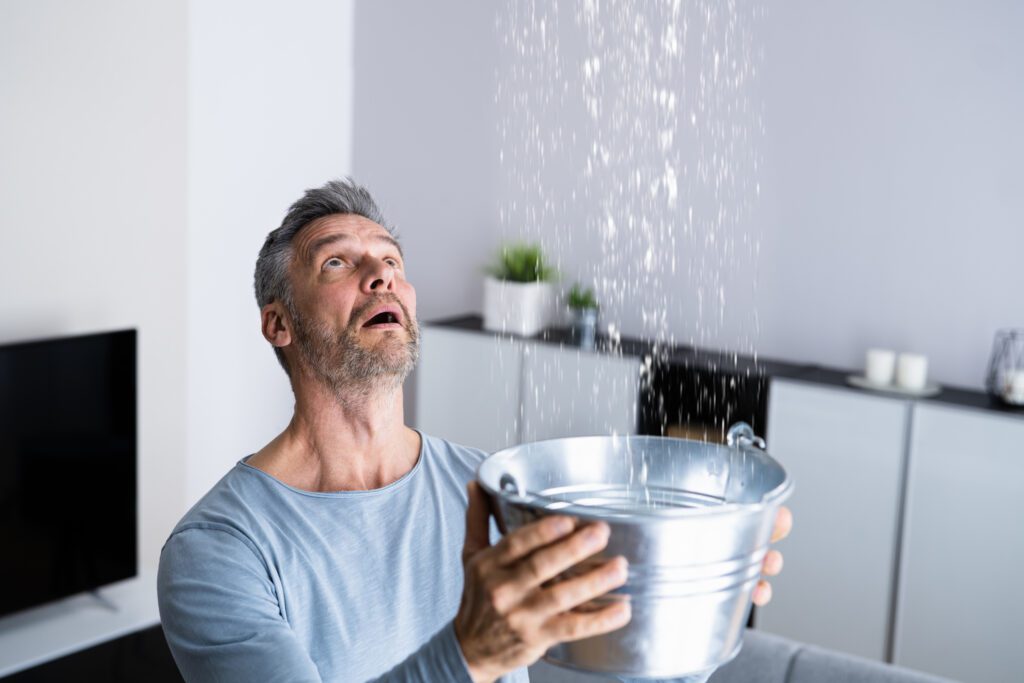
Home damage can strike unexpectedly, leaving homeowners grappling with the aftermath. At New York Total Damage Restoration (NYTDR), we believe that being informed is the first step to preparedness. In this blog post, we’ll shed light on common home damage scenarios, exploring the nuanced restoration processes and insurance claim considerations associated with each. 1. Water Woes: Water leaks and flooding are among the most prevalent home damage issues. Whether it’s a burst pipe, a faulty appliance, or severe weather-related flooding, the impact can be extensive. We’ll delve into the immediate steps homeowners should take, the importance of swift water extraction, and how comprehensive drying techniques are crucial to prevent long-term structural damage. 2. Ravages of Fire: Fire damage can be devastating, leaving homes in disarray. From assessing the extent of the damage to addressing smoke residue and structural concerns, NYTDR will guide homeowners through the complexities of fire damage restoration. We’ll also discuss the emotional toll of such incidents and the importance of a compassionate and professional restoration approach. 3. Nature’s Fury – Natural Disasters: New York City is not immune to the forces of nature. Whether it’s a hurricane, earthquake, or severe storms, natural disasters can wreak havoc on homes. Explore how NYTDR is equipped to handle the aftermath of such events, emphasizing the urgency of a rapid response and the comprehensive restoration measures needed to bring homes back to their pre-disaster state. 4. Mold Menace: Often a consequence of water damage, mold poses its own set of challenges. We’ll delve into the health risks associated with mold, the importance of thorough mold remediation, and how NYTDR employs advanced techniques to eradicate mold and prevent its recurrence. 5. Storm Surge and Wind Damage: Severe weather events can lead to storm surges and wind damage, particularly in coastal areas. Explore how NYTDR assesses structural damage, addresses water ingress issues, and undertakes necessary repairs to restore homes battered by the elements. 6. Insurance Claims Navigation: Each type of home damage scenario requires a tailored approach to insurance claims. Our blog will provide insights into the documentation needed for different scenarios, communication tips with insurance providers, and how NYTDR collaborates with homeowners to ensure a smooth and transparent claims process. At NYTDR, as experienced water damage company in NYC, we understand that no two home damage scenarios are alike. By providing homeowners with knowledge about the intricacies of restoration following water leaks, fire damage, natural disasters, and more, we aim to empower them to make informed decisions in times of crisis. Stay tuned for our upcoming posts as we continue to unravel the complexities of home restoration, offering a beacon of guidance for homeowners in their time of need.
7 Steps to Tackle Leaks in Your NYC Apartment

Living in the heart of the Big Apple is exhilarating, but when leaks make an unexpected appearance in your bathroom or kitchen, it can feel like a soggy curveball. Fear not! New York Total Damage Restoration (NYTDR) is here with a roadmap to help you navigate the watery wilderness. Let’s dive into 7 steps to conquer leaks and reclaim the sanctity of your NYC apartment. Locate and Tame the Leak: The first order of business is to play detective. Identify the source of the leak – it could be a sneaky pipe, a leaking HVAC system, a rebellious faucet, or an elusive culprit. Once found, take immediate action to contain the leak. Turn off the water supply if necessary to prevent further trouble. Document the Drama: Before the restoration heroes arrive, document the damage. Snap some photos or a quick video. This visual record will not only help us tailor our restoration plan but can also serve as valuable evidence when dealing with insurance later on. Power Down the Electricity: Safety first! Water and electricity don’t play well together. As a precautionary measure, turn off the electricity in the affected area to steer clear of any potential hazards. It’s a small step that goes a long way in keeping you, your home, and our team safe. Clear the Stage: Now that the leak is contained, clear the stage for our restoration maestros. Move belongings and furniture away from the affected area. This not only safeguards your valuables but also gives our team the space they need to work their restoration magic. NYTDR Takes the Spotlight: Time to let the pros do their thing! NYTDR’s seasoned experts will swoop in, assess the damage, coordinate with your insurance, and craft a personalized restoration plan. From water extraction to structural repairs and nipping mold in the bud – we’ve got the playbook. Stay in the Know: Waiting for your haven to be restored can be a nail-biter. Fear not! NYTDR believes in keeping you in the loop. Expect regular updates on the progress – we’re all about transparency and ensuring you have the peace of mind you deserve. Remember, leaks might be the uninvited guests in your NYC apartment, but with NYTDR on speed dial, they won’t overstay their welcome. From detection to restoration, consider us your one-stop shop for turning leaks into tales of triumph. Ready to conquer that drip? NYTDR is just a call away, because in the city that never sleeps, neither do leaks!
Apartment Restoration Process
Apartments in New York City are not just living spaces; they are a reflection of your lifestyle and personality. Whether your apartment has suffered from damage or is simply in need of a makeover, the restoration process is an exciting opportunity to rejuvenate your space. At NYTDR (New York Total Damage Restoration), we’re your go-to team for the design, planning, and construction of your apartment restoration project. Let’s take a closer look at the steps involved in the apartment restoration process. Assessment and Consultation: The restoration process begins with a comprehensive assessment of your apartment. Whether your space has experienced damage due to water, fire, or structural issues, our team of experts will conduct a thorough evaluation. We will discuss your vision and requirements, including your aesthetic preferences, functional needs, and budget constraints. Design and Planning: At NYTDR, we understand the importance of design and planning in the restoration process. Our skilled designers will work closely with you to create a customized plan that aligns with your vision. We’ll take your ideas and turn them into detailed blueprints that include layouts, material choices, color schemes, and more. This phase is essential to ensure that the final result is precisely what you desire. Restoration and Construction: Once the design and planning are complete, our skilled construction team takes over. Our experienced workers will handle every aspect of the restoration, from demolition to reconstruction. We’ll use the latest construction techniques and materials to ensure a high-quality and long-lasting result. Our goal is to bring your vision to life, whether that involves repairing structural damage, enhancing functionality, or simply updating the look of your apartment. Damage Restoration: If your apartment has suffered from damage, such as water damage, fire damage, or mold growth, we have specialized teams to address these issues. We will handle damage restoration efficiently and effectively, ensuring that your apartment is not only aesthetically pleasing but also safe and healthy. Quality Control: Quality control is a top priority at NYTDR. We conduct rigorous inspections throughout the restoration process to ensure that everything is proceeding according to plan. We pay attention to the smallest details to guarantee that the final result meets our high standards and your expectations. Completion and Handover: Once the apartment restoration is complete, we’ll conduct a final walkthrough with you to ensure your satisfaction. We’ll address any remaining concerns and make sure that every detail is as you envisioned. Then, we’ll hand over your fully restored apartment to you, ready for you to enjoy and create new memories. Why Choose NYTDR: NYTDR is your all-in-one solution for apartment restoration in New York City. With our team of experienced designers, skilled workers, and specialized damage restoration teams, we can handle any project, whether it’s a full-scale renovation or damage repair. We take pride in our commitment to quality, craftsmanship, and customer satisfaction. Contact NYTDR Today: Ready to embark on your apartment restoration journey? Contact NYTDR today to get started. We look forward to working with you to transform your apartment into a space that reflects your style, needs, and aspirations. Your dream apartment is just a consultation away!
NYC Renovation Essentials: Asbestos and Lead Removal
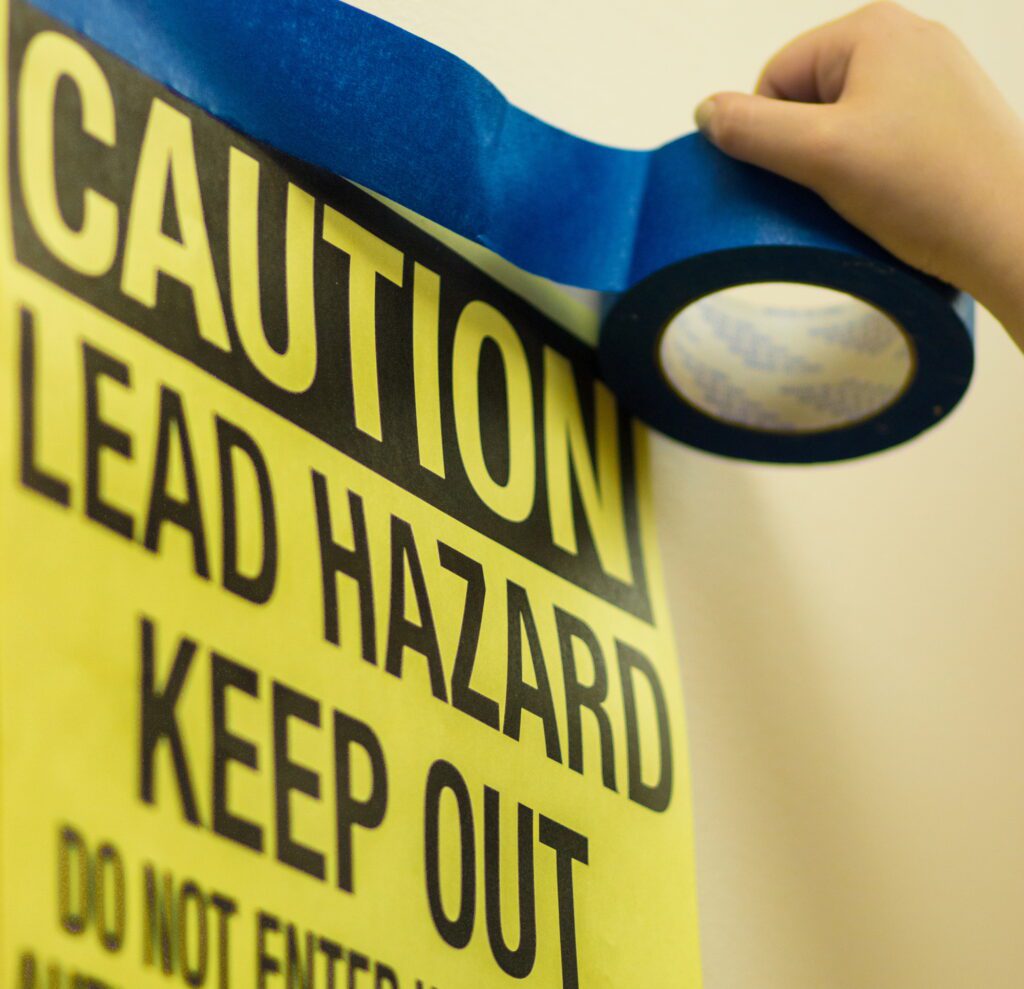
Renovating a property in the vibrant city of New York is an exciting prospect. However, it’s essential to be aware of potential hazards, particularly asbestos and lead, which can lurk in older buildings. At NYTDR (New York Total Damage Restoration), we offer comprehensive services to address these concerns during your renovation, serving as your trusted partner for asbestos and lead removal, insurance representation, and even as your contractor and designer. Understanding the Risks: Asbestos and Lead Asbestos: Asbestos is a naturally occurring mineral that was widely used in construction materials for its fire resistance and durability. However, it poses severe health risks when its fibers become airborne and are inhaled. These risks include lung cancer, mesothelioma, and other respiratory conditions. Asbestos was commonly used in buildings constructed before the 1980s, making it a concern during renovations. Lead: Lead-based paint was commonly used in homes and buildings until 1978, when its health hazards became widely recognized. Lead exposure, especially for children, can lead to developmental issues, learning disabilities, and other health problems. Renovating properties with lead-based paint can release toxic lead dust and chips into the environment, making lead safety measures essential. When to Address Asbestos and Lead During NYC Renovations: Renovation or Demolition: If your renovation project involves disturbing or removing building materials, a thorough inspection and assessment for asbestos and lead are imperative. Property Age: Buildings constructed before specific regulatory changes (the 1980s for asbestos and 1978 for lead-based paint) are more likely to contain these hazardous materials. NYTDR’s Comprehensive Approach: NYTDR is your trusted partner when it comes to addressing asbestos and lead concerns during renovations. Here’s how we can assist you: Asbestos and Lead Inspection: Our certified professionals will conduct meticulous inspections of your property, identifying any asbestos-containing materials and lead-based paint. We assess their condition and develop a comprehensive plan for safe removal. Removal and Abatement: Our skilled technicians follow strict industry guidelines for the safe removal and abatement of asbestos and lead materials. We ensure the health and safety of occupants and workers throughout the process. Insurance Representation: Dealing with insurance claims for asbestos and lead-related issues can be complex. NYTDR acts as your insurance representative, guiding you through the claims process and maximizing your coverage. Design and Renovation: As a full-service restoration company, we offer design and renovation services. Our expert designers and contractors will work with you to transform your space while ensuring it meets all safety and regulatory requirements. Comprehensive Peace of Mind: With NYTDR, you’re not just hiring services; you’re gaining a partner dedicated to your safety, property value, and overall satisfaction. We provide comprehensive solutions, ensuring peace of mind throughout your renovation project. Contact NYTDR Today: NYTDR is your all-in-one solution for asbestos and lead inspection, removal, insurance representation, and renovation in NYC. Don’t compromise on safety during your renovation journey; contact us today to ensure a secure and successful transformation of your property. Let’s collaborate to create the space you’ve envisioned, free from asbestos and lead concerns and full of possibilities.
Top 10 Home Insurance Companies in NYC: Protecting Your Home and Peace of Mind
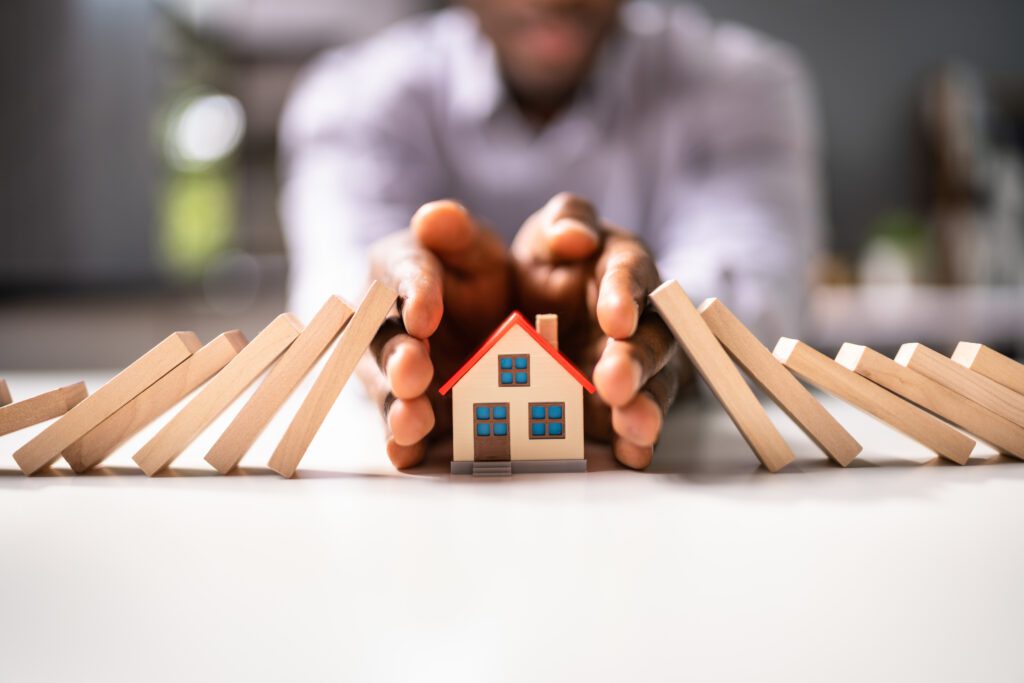
Owning a home in the bustling city of New York comes with its unique set of joys and challenges. While the skyline views and vibrant neighborhoods are unmatched, it’s essential to secure your investment and cherished belongings with a reliable home insurance policy. To help you navigate through the options available, we’ve compiled a list of the top 10 home insurance companies in NYC. 1. Chubb Chubb is renowned for its high-end and comprehensive coverage options. They cater to the needs of affluent homeowners who seek tailored policies with extensive protection. Chubb’s personalized approach and exceptional customer service make them a top choice for those requiring specialized coverage for high-value properties and valuable possessions. 2. USAA USAA has consistently received high marks for customer satisfaction and reliability. While it primarily serves military personnel and their families, if you qualify for membership, you can enjoy competitive rates and a variety of coverage options. USAA’s commitment to service and support sets them apart in the insurance industry. 3. Geico Famous for their witty commercials, Geico is also a major player in the home insurance market. While they are best known for their auto insurance, Geico offers affordable and accessible home insurance policies with customizable coverage options to protect your NYC residence. 4. Nationwide Nationwide’s reputation for dependable and flexible policies extends to their home insurance offerings. Their comprehensive coverage options, competitive rates, and excellent customer service make them a strong contender for NYC homeowners seeking reliable protection. 5. Allstate With a vast network of local agents, Allstate provides personalized service for homeowners in New York City. Their extensive range of coverage options and customizable policies allow you to tailor insurance to meet your specific needs. 6. State Farm State Farm is a household name across the United States, known for its strong financial stability and vast network of agents. They offer a variety of home insurance options, making it easy for NYC residents to find a policy that suits their requirements. 7. Amica Amica consistently ranks highly in customer satisfaction surveys. Their focus on exceptional customer service and straightforward policies makes them a popular choice for homeowners looking for a hassle-free insurance experience. 8. Travelers Travelers Insurance provides a diverse range of coverage options, making it suitable for homeowners seeking both standard and specialized coverage. Their strong financial stability and track record of prompt claim processing contribute to their popularity in the insurance market. 9. Liberty Mutual Liberty Mutual offers a variety of home insurance policies that cater to different budgets and coverage needs. Their competitive rates and various discount opportunities make them an attractive option for NYC homeowners. 10. Lemonade Lemonade is an innovative insurance provider that operates entirely online. Known for its quick and easy application process and transparent policies, Lemonade offers affordable home insurance options for tech-savvy homeowners in NYC. Before making a decision, it’s crucial to research each insurance company thoroughly, comparing coverage options, rates, and customer reviews. Remember, the best home insurance policy for you might differ based on your specific needs and budget. By investing in a reliable home insurance policy, you can gain peace of mind knowing that your beloved NYC home is protected against unexpected events.
Understanding the Insurance Claim Process: A Comprehensive Guide with NYTDR
Insurance coverage provides vital financial protection when unexpected events such as fire, water damage, or natural disasters occur. However, navigating the insurance claim process can be complex and overwhelming for policyholders. At New York Total Damage Restoration (NYTDR), we specialize in assisting homeowners with the insurance claim process and restoring their damaged homes to their previous or even better condition. In this comprehensive guide, we will walk you through the various steps involved in filing an insurance claim and working with NYTDR as your trusted contractor and advocate. Step 1: Reporting the Incident and Engaging NYTDR Promptly reporting the incident to your insurance company is crucial, and it’s equally important to contact NYTDR to begin the process of assistance. We will guide you through the initial stages of the claim process, help you gather essential information, and ensure accurate documentation of the damage. Step 2: Understanding Your Policy Understanding the details of your insurance policy is key to a smooth claims process. We will help you navigate policy language, coverage limits, deductibles, and exclusions, ensuring you understand the terms and conditions that affect your claim. Step 3: Collaborating with Your Insurance Adjuster While NYTDR is not an adjuster, we will collaborate with your insurance adjuster to assess the damage and determine the claim amount. Our team will be present during the inspection, providing insights into the extent of the damage and advocating for a fair assessment. Step 4: Documenting the Damage with NYTDR’s Expertise Comprehensive documentation is crucial for a successful claim. With our expertise, we will guide you in documenting the damage through photographs, videos, and written descriptions. Our meticulous approach ensures that no detail is overlooked, strengthening your claim. Step 5: Mitigating Further Damage and Preparing for Restoration Taking immediate steps to prevent further damage is essential. We will offer practical advice on mitigating damage and provide recommendations for temporary repairs or mitigation services. By acting swiftly, we safeguard your property and prepare for the restoration process. Step 6: Working with NYTDR – Your Trusted Restoration Contractors At NYTDR, we take pride in being your trusted restoration contractors throughout the claim process. Our team of skilled professionals is dedicated to restoring your home to its previous or improved condition. We will guide you through every aspect of the restoration journey, ensuring that your home is restored to its full glory. Step 7: Effective Communication and Advocacy Open and effective communication with both your insurance company and NYTDR is vital throughout the claims process. We will act as your advocate, facilitating communication and serving as a liaison between you and your insurance provider. Our goal is to ensure that your needs are effectively communicated and addressed. Step 8: Reviewing the Settlement Offer with NYTDR’s Guidance When your insurance company presents a settlement offer, we will guide you in evaluating it carefully. Our experienced team will provide insights and help you understand the offer, ensuring that you receive a fair and adequate settlement for your losses. We can also provide professional advice, if needed, to assist you in negotiating a better settlement. Step 9: Rebuilding and Restoration with NYTDR’s Expertise Once your claim is settled, the process of rebuilding and restoring your property begins. NYTDR’s team of experts will work diligently to restore your home to its previous or even better condition. We will oversee the reconstruction phase, coordinating with our skilled contractors to ensure a seamless restoration process. Your satisfaction and peace of mind are our top priorities. Conclusion: Navigating the insurance claim process can be overwhelming, but with NYTDR as your partner, you can have confidence and peace of mind. At NYTDR, we are committed to being your trusted partner and advocate throughout the insurance claim and restoration process. With our expertise as restoration contractors, we will guide you through each step, from reporting the incident to coordinating the restoration and ensuring a seamless experience. Our skilled team will work tirelessly to restore your home to its previous or improved condition, utilizing reputable contractors, providing accurate estimates, and overseeing the entire restoration process. We understand the complexities of insurance claims and will streamline interactions with your insurance provider, handling documentation and communication on your behalf. With NYTDR by your side, you can have peace of mind knowing that your home is in capable hands. We are dedicated to delivering outstanding results that exceed your expectations, providing regular updates and ensuring transparency throughout the restoration journey. Choose NYTDR for a seamless, stress-free, and successful insurance claim and restoration experience. Let us restore your damaged home to its full glory, allowing you to move forward with confidence and renewed comfort in your living space.
Lead Paint Poisoning Prevention In New York City
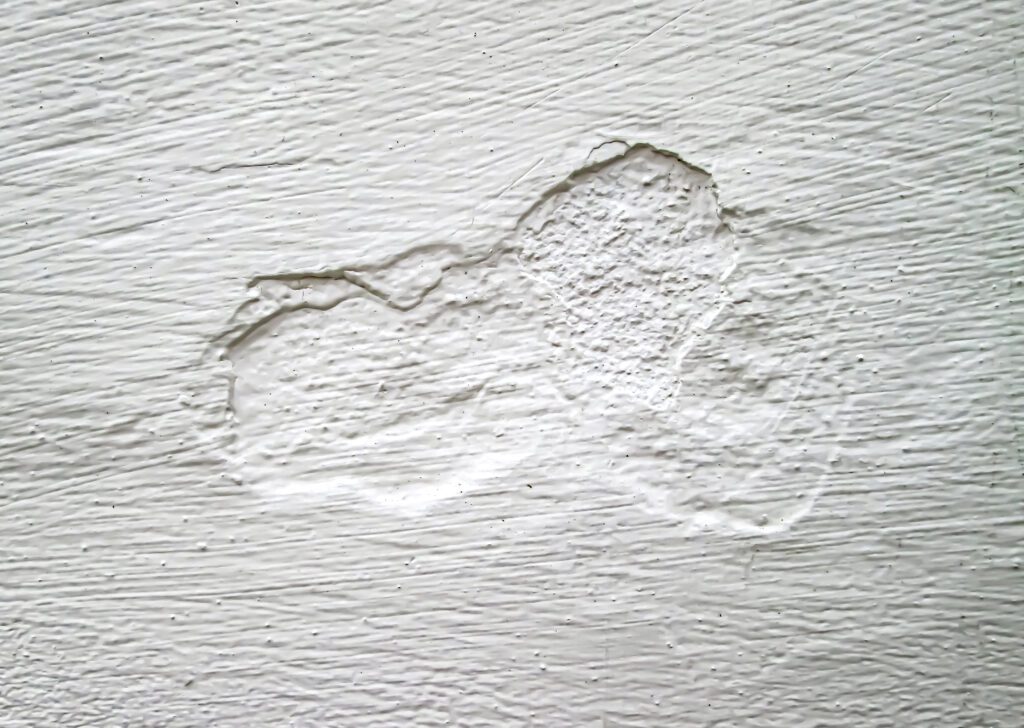
If you’re living in or planning to move to New York City, you may be concerned about lead poisoning. Lead can come from various sources, including paint, soil, spices, and medicines. It can also cause health issues, particularly for children and expectant mothers. This guide focuses on lead poisoning from paint and how to prevent it effectively. What Is Lead, And Why Is It Dangerous? Lead is a natural metal mined from underground sources worldwide, but it is toxic if we’re exposed to it over time. It’s a neurotoxin that slowly accumulates in the body, poisoning the brain, bones, kidneys, and liver. When manufacturers add lead to paint, it improves the pigment to withstand sunlight, protects metal surfaces from corrosion, and makes the paint dry faster. Lead is also present in varnishes, primers, stains, and other paint-related applications. Unfortunately, lead is toxic regardless of the amount, especially for children under six. According to the CDC, about 29 million homes have lead-based paint risks, such as peeling paint and contaminated dust; almost 9% of these homes have young children vulnerable to lead poisoning. Although New York City banned lead-based paint for residential buildings in 1960, hundreds of thousands of violations have been reported since 2018, with 48% of cases in the Bronx. This shows why lead in NYC is a serious concern for homeowners today. 5 Signs Of Lead Paint In Your Home Only an Environmental Protection Agency (EPA) certified inspector can measure the amount of lead in your home using specialized tools. However, if you suspect your home has lead-based paint, look out for the following signs before you schedule an inspection. Your Home Was Built Before 1978 The EPA estimates that about half of all U.S. homes built before 1978 have lead-based paint, as do two out of three houses built between 1940 and 1960 and nine out of 10 built before 1940. Ask your landlord or previous owner for your building’s construction years; they must legally disclose this information for your safety. Note: Don’t rule out lead in NYC if your home is a post-1978 construction. Even though lead paint was banned, some builders still used it until the early 1990s. You See Damaged Paint In The Property Lead-based paints may be present inside and outside your home, but they cause no harm if intact. Damaged lead paint, however, is a severe threat to your health. Loose lead paint chips and contaminated dust are easy to touch, inhale, or ingest. Suppose your painted surfaces are peeling, chipping, chalking, cracking, or accumulating dampness. In that case, they may add to lead levels in your home. In addition, high-risk surfaces like doors and windows, railings, stairs, and porches experience lots of traffic, increasing lead exposure. Your Surfaces Are Painted Over Adding a fresh coat of paint is often cheaper and quicker than stripping off the old paint. Unfortunately, this only hides layers of lead paint that pose a health risk. Find a spot that’s peeling or chipping away and check for sublayers. If your home is pre-1978 and you find multiple paint layers on the walls or other surfaces, it’s safe to assume lead-based paint is underneath. Your Home Test Kit Shows Positive For Lead The EPA recommends three lead test kits with under 5% false negative rate: the D-Lead, 3M Lead Check, and the State of Massachusetts Test Kit. Other brands are available, but they tend to yield inaccurate results. Use a home test kit to check for lead on the outermost paint layers. Check the same area twice or thrice to decrease your chances of getting a false negative or positive result. If you get a positive reading from different regions of your house, get a professional inspection to verify the results. Note: You can also send paint chip samples for further testing at an EPA-accredited lab. A reading of over 0.5% means the paint is lead-based. Take care not to disturb too much of the old paint when taking samples, and be prepared to wait up to several weeks for results. You Have Symptoms Of Lead Poisoning Lead poisoning is hard to trace until the body accumulates a certain amount of toxicity. Still, there are some telltale symptoms to watch out for. In newborns: If a pregnant mother experiences lead poisoning, the baby may be born prematurely or have a low birth weight and difficulty reaching developmental milestones. In children: Lead poisoning symptoms include weight loss, stomach pains, vomiting and constipation, irritability, fatigue, and learning difficulties. In adults: Persistent headaches, high blood pressure, stomach and muscle pains, mood disorders, weakness, and memory difficulties are some symptoms of lead poisoning in adults. If you or your loved ones experience these symptoms while living in a pre-1978 home in NYC, and all the other signs check out (peeled paint, layers of paint, and a positive lead reading), see your healthcare provider for lead poisoning tests. How To Prevent Lead Paint Poisoning In NYC You don’t have to wait for severe lead poisoning symptoms if you live in an old home in NYC. If you discover signs of lead-based paint on your property, we highly recommend renovation to eliminate the toxicity and restore your home. However, you can take the following steps to minimize lead exposure as you prepare to renovate. Step 1: Keep Your Home Dust-Free Lead becomes dangerous when airborne as it spreads quickly throughout your home. Don’t let dust accumulate on surfaces like your floors, tables, countertops, or floors. Also, don’t shake off your carpets and rugs or dry sweep your floors. Use a wet mop to trap dust particles or a vacuum cleaner with a HEPA filter; empty the dust canister or vacuum bag after each use. Step 2: Keep Your Hands Clean You may come into contact with lead paint dust particles during your everyday home routines, e.g., holding onto staircase railings, opening windows, or shutting doors. To avoid ingesting lead, wash your hands before every meal and bedtime; teach your kids to do
NYC Requirements for Asbestos Test
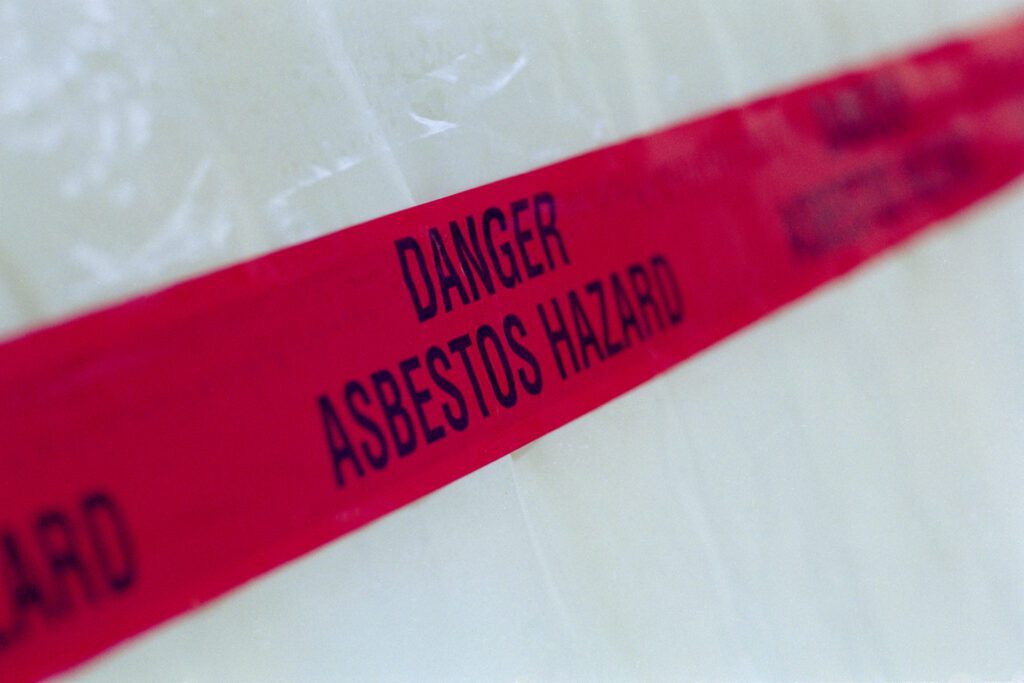
Asbestos consists of highly durable and heat-resistant fibers. Asbestos is often safe until disturbed, where prolonged exposure can trigger severe diseases, such as asbestosis or lung scarring, mesothelioma, and lung cancer. Due to its high fire resistance and lightweight nature, asbestos was popular in construction materials until the mid-1980s. Therefore, most older NYC buildings have asbestos in floor tiles, roofs, and insulation systems. You can also find it in exterior windowsills, caulking, and sometimes the plaster. If you suspect the presence of asbestos in your home, however small, read on to learn more about asbestos testing and what the test involves as we discuss what to do if you find it in your apartment. Requirements of NYC for Asbestos Testing In New York City, you’ll need asbestos testing before performing construction works such as tearing down a wall, and here’s why. Asbestos materials can be non-friable or friable. Friable asbestos, such as insulation, can easily crumble due to its brittle nature. Such materials readily release tiny asbestos particles in the air when crushed. Non-friable asbestos materials are tougher and thicker, so the asbestos rarely becomes airborne. Whichever the case, demolition works like removing ceilings, walls, or floors, removing roofing membranes, drilling, and cutting often release much dust, increasing the risk of asbestos inhalation. Based on the NYC Buildings Bulletin 2009-031, the only buildings not requiring asbestos tests are those constructed after 1st April 1987. If built before this date, an asbestos survey is necessary, even for minor renovations, remodeling, and repairs. An asbestos inspection or survey helps to determine the condition, friability, quantity, and location of all types of asbestos materials. An accredited and certified asbestos inspector licensed by the state and NYC will collect samples of the materials you intend to disturb during the demolition, remodeling, or renovation project. When Do You Need an Asbestos Test or Survey? Suppose you live in an older home or building where you suspect asbestos in some areas. In that case, we advise you to schedule an asbestos test or inspection, especially if the loose material disintegrates when touched. For instance, some homes have old insulation in the attic that looks like the pipes have a cloth wrapping. You should also perform a survey if: You plan to remodel or demolish part of your home You or your loved ones can easily find or come into contact with disintegrating or old insulation You suspect and would like to confirm whether your home has asbestos According to the New York City Local Law 76/85, a survey is mandatory before construction work, even if the property owner told you there’s no asbestos. Before starting any renovation, maintenance, or repair project, contact your local NYC building department to determine the necessary steps. Each jurisdiction has different procedures, and you’ll require a work permit from the NYC Department of Buildings (DOB). A certified Asbestos Investigator will handle the entire process, from inspection to sample collection. Sample Collection The guidelines outlined by the Asbestos Hazard Emergency Response Act and the Environmental Protection Agency require the investigator to collect at least one sample for every miscellaneous material such as: Siding and roofing materials Vapor barriers Transite or cementitious board Insulation boards Shingles Coatings Flashing Non-wood or non-metallic roof decking Felts Galbestos [https://unsplash.com/photos/0OZt4hzVUAY] The surveyor will also collect samples from: Ceiling tiles Chalkboards Cove base Vermiculite insulation Debris and dust Floor leveler compound Floor tile Vibration isolators Sealants, seals, and gaskets, including condensate control Transite or cementitious pipe or boards Caulks Drywall Electrical wire insulation Grout Terrazzo Linoleum or sheet flooring Textured paint Joint compound Finish plasters Thermal system insulation Fitting and piping insulations Acoustical plaster Mortar or cement used for boilers They should also collect three or more samples for materials like spray-on fireproofing. The number of samples depends on the surface area you intend to disturb and the materials used. The samples will go to a certified lab for thorough analysis, and the experts will receive the findings after completion. The investigator will fill out and sign an Asbestos Control Program (ACP-5) form if tests find no friable asbestos-containing materials. This form explains the absence of friable and non-friable asbestos or whether the friable asbestos is below 25 linear feet or 10 square feet. The investigator will then file the ACP5 form electronically with the New York City Department of Environmental Protection (DEP) and DOB for you to get a permit for the demolition or remodeling. Steps to Take if You Find Asbestos in Your Apartment Although asbestos is toxic or harmful, you don’t have to panic if the tests show its presence in your home. If you live in a rented apartment, your property manager or landlord will inform you of any asbestos found in the samples. If asbestos removal or abatement of the disturbed or damaged materials is necessary, the property manager will coordinate with you to schedule an appropriate date. For minor abatements, typically less than 25 linear feet or 10 square feet, you can remain in your apartment but ensure you keep away from the work area. You’ll have to temporarily vacate for larger areas exceeding 25 linear feet or 10 square feet until the work completes. You can liaise with your property manager and New York City Housing Authority’s (NYCHA) relocation staff to find temporary accommodations and cover the extra costs like moving and packing services. What to Do as An NYC Homeowner If the samples from your home have friable asbestos, you must file an ACP-7 form with the NYC DEP to declare you have a friable asbestos project. Anyone can submit this form, not just the surveyor, and you don’t have to file it with the DOB once you submit it to the DEP, unlike the ACP-5. After filing, you can begin an asbestos abatement project to eliminate affected materials before the planned renovation or construction works. Only a licensed contractor should remove and dispose of the asbestos since they have the appropriate tools, such as an asbestos air monitor.