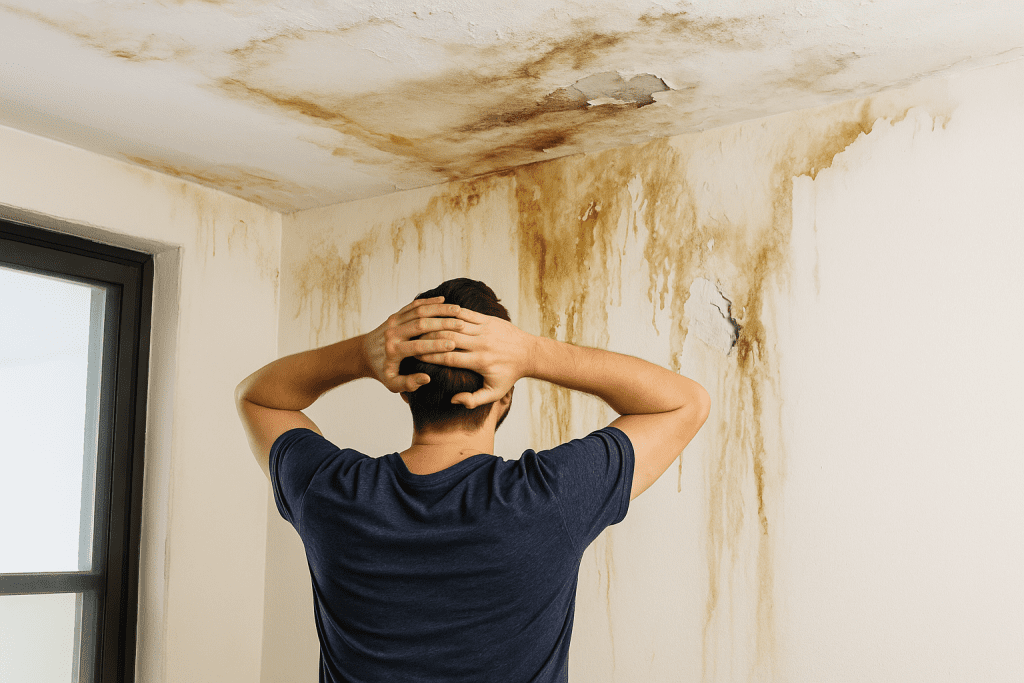
Water damage in New York City can quickly turn from a small leak into a major repair. Whether the water comes from a burst pipe, an overflowing toilet, a leaking appliance, an AC line, a roof leak, or an upstairs neighbor, fast action is critical.
In NYC apartments, condos, co-ops, townhomes, and commercial properties, water can travel behind walls, under wood floors, inside ceilings, and through cabinetry before the damage is fully visible. What looks like a small stain may be a sign of trapped moisture, hidden mold risk, or structural damage.
Need Water Damage Help Now?
If you are dealing with active water damage, do not wait. The sooner the affected area is inspected and dried, the better chance you have of reducing repair costs and preventing mold.
Common Causes of Water Damage in NYC
Water damage can happen in many ways, especially in older NYC buildings and multi-unit properties. Some of the most common causes include:
- Burst or leaking pipes
- Overflowing toilets, tubs, and sinks
- Dishwasher, washing machine, or refrigerator leaks
- AC and HVAC condensation leaks
- Steam radiator leaks
- Roof leaks
- Sewer or drain backups
- Water from an upstairs apartment
- Fire department water damage after a fire
In apartment buildings, one leak can affect multiple units. Water may start in one apartment but damage the ceiling, walls, flooring, cabinets, or electrical systems in another unit below.
Why Fast Water Damage Restoration Matters
Water damage should be handled quickly because moisture can spread into areas you cannot see. Drying the surface is not always enough.
If moisture remains trapped, it may lead to:
- Mold growth
- Warped wood flooring
- Damaged drywall or plaster
- Stained ceilings and walls
- Swollen cabinets and millwork
- Electrical hazards
- Musty odors
- Long-term property damage
A professional water damage restoration company can inspect the affected area, identify hidden moisture, dry the space properly, and determine which materials need to be repaired or replaced.
What Should You Do Immediately After Water Damage?
If you discover water damage, take these steps as soon as possible:
- Stop the water source if it is safe to do so.
- Notify your building superintendent, property manager, or landlord.
- Take photos and videos of the damage.
- Avoid using electrical outlets or fixtures near the affected area.
- Remove personal items from wet areas when possible.
- Call a water damage restoration professional for inspection and drying.
The first 24 to 48 hours are important. Fast cleanup and proper drying can help reduce the risk of mold and prevent additional damage.
NYTDR Water Damage Restoration Process
Every water damage project is different, but NYTDR follows a clear restoration process to help return the property to a safe and clean condition.
1. Inspection and Moisture Detection
The first step is identifying the affected areas. Water can travel behind walls, under flooring, and into hidden cavities. Moisture detection helps determine how far the water has spread and what materials may be impacted.
2. Water Removal and Drying
Once the affected areas are identified, drying equipment may be used to remove moisture from the space. This can include air movers, dehumidifiers, and proper ventilation.
3. Removal of Damaged Materials
Some materials can be dried and saved. Others may need to be removed, especially if they are saturated, contaminated, swollen, or damaged beyond repair. This can include drywall, baseboards, flooring, insulation, cabinets, or ceiling materials.
4. Mold Prevention
Proper drying is one of the most important parts of mold prevention. If moisture is left behind, mold may begin to grow behind walls, under floors, or inside cabinets.
5. Repairs and Reconstruction
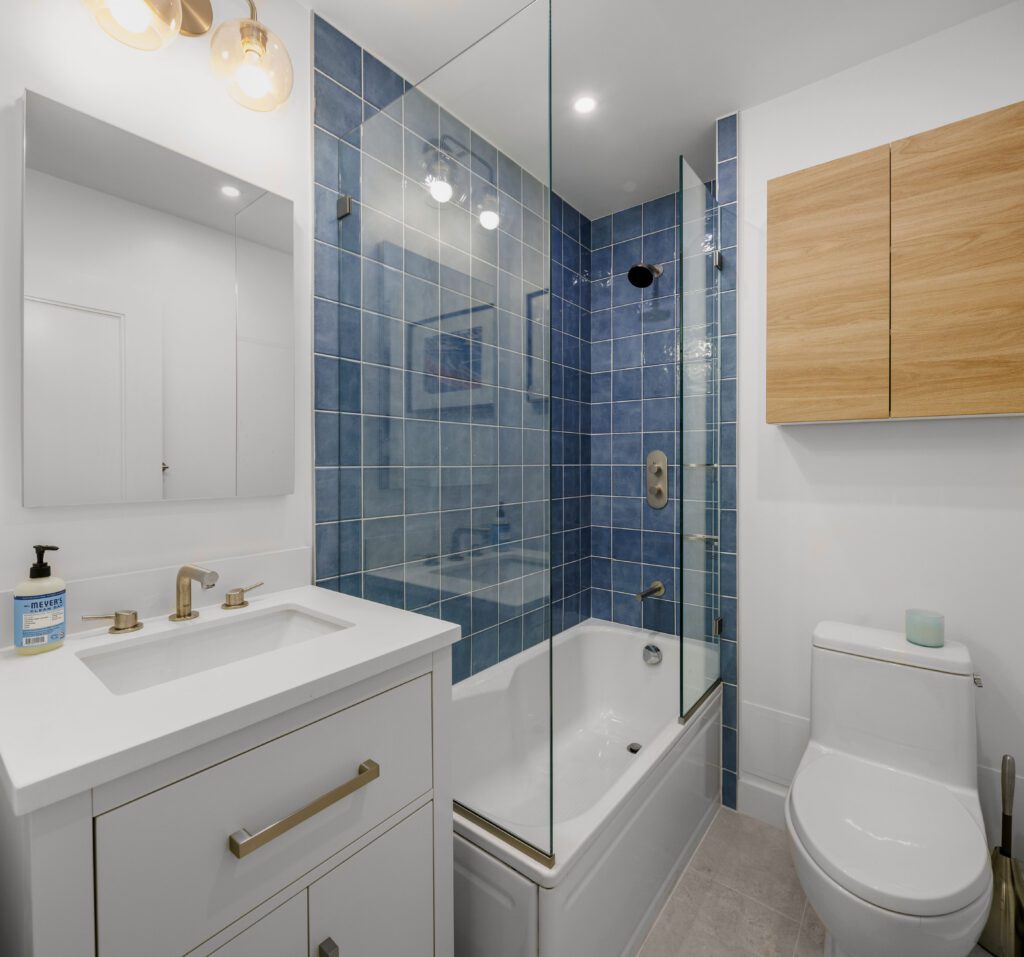
After the area is dry and safe, repairs can begin. NYTDR can help with drywall, plaster, painting, flooring, tile, cabinetry, trim, and full reconstruction after water damage.
Water Damage in NYC Apartments, Condos, and Co-ops
Water damage restoration in NYC often requires more than just cleanup. Many buildings have rules and requirements before repair work can begin.
Depending on the building, you may need:
- Certificate of insurance
- Licensed and insured contractors
- Building management approval
- Protection of hallways and common areas
- Work schedules that follow building rules
- Plumbing or electrical coordination
- Documentation for insurance
NYTDR understands the process of working in New York City buildings and can help coordinate the restoration and repair work properly.
Do You Need Mold Remediation After Water Damage?
Not every water damage situation requires mold remediation, but any area that stays wet for too long can become a mold concern. Signs that mold may be an issue include musty smells, visible discoloration, ongoing dampness, or water damage that was not dried quickly.
If mold is suspected, the affected area should be inspected before walls, flooring, or cabinets are closed back up.
Why Choose NYTDR for Water Damage Restoration in NYC?
NYTDR helps homeowners, tenants, property managers, and business owners recover from water damage throughout New York City.
Our team can assist with:
- Water damage cleanup
- Moisture inspection
- Drying and dehumidification
- Damaged material removal
- Mold prevention
- Drywall and plaster repairs
- Flooring repairs
- Cabinet and millwork restoration
- Tile and bathroom repairs
- Full reconstruction after water damage
We understand NYC properties, building requirements, insurance documentation, and the importance of completing restoration work correctly from start to finish.
Schedule a Water Damage Inspection in NYC
Water damage should not be ignored. Even if the area looks dry on the surface, moisture may still be trapped behind walls, under floors, or inside cabinets.
If your apartment, home, office, or commercial property has been affected by a leak, flood, burst pipe, or water from a neighboring unit, NYTDR can help.
Contact NYTDR today for professional water damage restoration in NYC.