
Heavy rain and flash flooding can overwhelm New York City streets, drains, roofs, and building systems in a matter of minutes. For apartment owners, the water may disappear quickly while the damage it leaves behind continues to affect walls, ceilings, flooring, cabinetry, and electrical systems.
If your NYC apartment has flooded, your first priority is safety and stopping additional water from entering the property. After the water has been removed and the affected areas have been professionally dried and cleared, the next stage is repairing and rebuilding the apartment.
This guide explains what to do after flood damage, what to document, and when reconstruction can begin.
Important: NYTDR provides repair and reconstruction services after flood damage. We do not perform emergency water extraction or drying. Those steps must be completed before reconstruction begins.

What should I do if my NYC apartment floods?
First, leave any unsafe area and stop the source of the water if this can be done safely. Notify building management, photograph the damage, contact your insurer, and hire qualified professionals for water removal and drying. Repairs should begin only after the apartment is dry, any necessary remediation is complete, and the required building approvals or permits are in place.
Flooded-apartment checklist
- Protect yourself and leave the apartment if it is unsafe.
- Notify building management and address the source of the water.
- Photograph and video all damage.
- Report the loss to the appropriate insurer.
- Complete water extraction, drying, and any required remediation.
- Obtain building approval and determine whether permits are needed.
- Hire a licensed NYC contractor to repair and reconstruct the apartment.

1. Put safety first
Do not enter an area containing standing water if there may be contact with electrical outlets, appliances, wiring, or the building’s electrical system. If the apartment is unsafe—or if you live in a basement or below-grade unit and water is rising—leave the space and follow instructions from emergency services and building management.
Avoid turning electricity back on, moving damaged electrical equipment, or attempting repairs yourself. A qualified professional should determine when the area is safe to enter.
For an active emergency, call 911. New Yorkers can also monitor current alerts and official guidance through NYC Emergency Management.
2. Identify and stop the source of the water
Before any repair work begins, the source of the flooding must be identified and resolved. Apartment flood damage may result from:
- Heavy rain entering through a roof, terrace, window, or exterior wall
- An overwhelmed drain or sewer backup
- A burst or leaking pipe
- An overflowing fixture or appliance
- Water entering from an apartment above
- A failure in a building-wide plumbing or drainage system
The source matters because it affects who must address the underlying problem, which professionals are needed, and how an insurance claim may be evaluated.
Notify your superintendent, property manager, landlord, co-op board, or condo management as soon as possible. Even when the visible damage is limited to your apartment, the source may involve a common building element or another unit.
3. Document everything before damaged materials are removed
Photograph and record the condition of the apartment as soon as it is safe. Good documentation can help your insurance carrier, adjuster, building management, and future contractor understand the extent of the loss.
Capture:
- Wide photographs and videos of every affected room
- Close-ups of damaged walls, ceilings, floors, cabinets, doors, and built-ins
- The apparent source and path of the water, when visible
- Damaged furniture, appliances, and personal belongings
- Water lines or staining that show how high the water reached
- Dates and times of the flooding and related communications
- Invoices, inspection reports, drying records, and remediation clearance documents
Do not discard damaged items until your insurer or adjuster tells you that they have sufficient documentation, unless an item creates an immediate health or safety hazard.
4. Contact the appropriate insurance carriers
Report the loss promptly and ask for a claim number and written instructions. Depending on the circumstances, the claim may involve your homeowners or renters policy, the building’s insurance, a neighbor’s insurance, a flood policy, or more than one carrier.
Ask your insurer:
- Is this type of water damage covered by my policy?
- Do I have separate flood, sewer-backup, or water-backup coverage?
- What documentation is required?
- May emergency work begin before the adjuster visits?
- Do you require estimates from licensed contractors?
- What are my deductible and coverage limits?
- Is temporary housing or loss-of-use coverage available?
Coverage depends on the cause of the water and the exact language of the policy. According to the New York State Department of Financial Services, standard homeowners and renters policies generally do not cover flooding from outside the property, although separate flood insurance or certain endorsements may apply. A burst pipe, rain intrusion, sewer backup, and street flooding may therefore be treated differently. Let your insurer determine coverage based on the facts and your policy.
5. Complete water removal, drying, and any required remediation
Reconstruction should not begin simply because the visible water is gone. Moisture can remain behind drywall, beneath flooring, inside insulation, and around cabinetry. Closing wet materials inside a newly repaired wall or floor can lead to additional damage later.
Before NYTDR begins reconstruction, an emergency mitigation company or other qualified professional should complete all required water extraction and structural drying. If mold or contaminated water is present, the appropriate remediation must also be completed.
Ask for written records showing what work was performed. When applicable, obtain moisture readings, a drying report, remediation documentation, or clearance confirming that the affected areas are ready for rebuilding.
6. Determine what can be repaired and what must be replaced
Once the apartment is dry and safe, a reconstruction contractor can inspect the remaining damage and develop a repair scope. Floodwater does not affect every material in the same way.
The evaluation may include:
- Drywall and insulation
- Plaster walls and ceilings
- Wood, engineered, laminate, or tile flooring
- Subflooring and underlayment
- Baseboards, moldings, doors, and trim
- Kitchen cabinets and bathroom vanities
- Countertops and backsplashes
- Electrical outlets, lighting, and wiring
- Plumbing fixtures and connections
- Paint and other finishes
Some materials may be repairable; others may have swollen, separated, stained, weakened, or become unsuitable for reuse. The correct scope should be based on the actual condition of the apartment—not only on what is visible from the surface.
7. Confirm building requirements and NYC permits
Repairing a New York City apartment often involves more than selecting finishes and hiring a contractor. Co-op and condo buildings may require an alteration agreement, contractor insurance, licenses, work schedules, protection plans, deposits, and approval of the proposed scope.
Permits may also be required depending on the work involved. Painting or replacing limited finishes may not require the same filings as electrical work, plumbing changes, wall reconstruction, or structural repairs. The project should be reviewed individually so that the necessary building approvals and NYC Department of Buildings filings can be identified before work starts.
An experienced NYC reconstruction contractor can help coordinate the repair scope with the building’s requirements and the professionals involved in the project.
8. Begin flood-damage reconstruction
After the source has been corrected, the apartment has been dried and cleared, the damage has been documented, and required approvals are in place, reconstruction can begin.
Depending on the loss, the work may include:
- Rebuilding damaged walls and ceilings
- Replacing flooring, subflooring, and trim
- Restoring kitchens and bathrooms
- Replacing damaged cabinetry and built-ins
- Coordinating licensed plumbing and electrical work
- Priming, painting, and restoring interior finishes
- Managing building requirements and permit-related work
The timeline will depend on the size of the affected area, the extent of hidden damage, required approvals, material lead times, and whether the repair scope changes after damaged finishes are opened.
Who repairs a NYC apartment after flood damage?
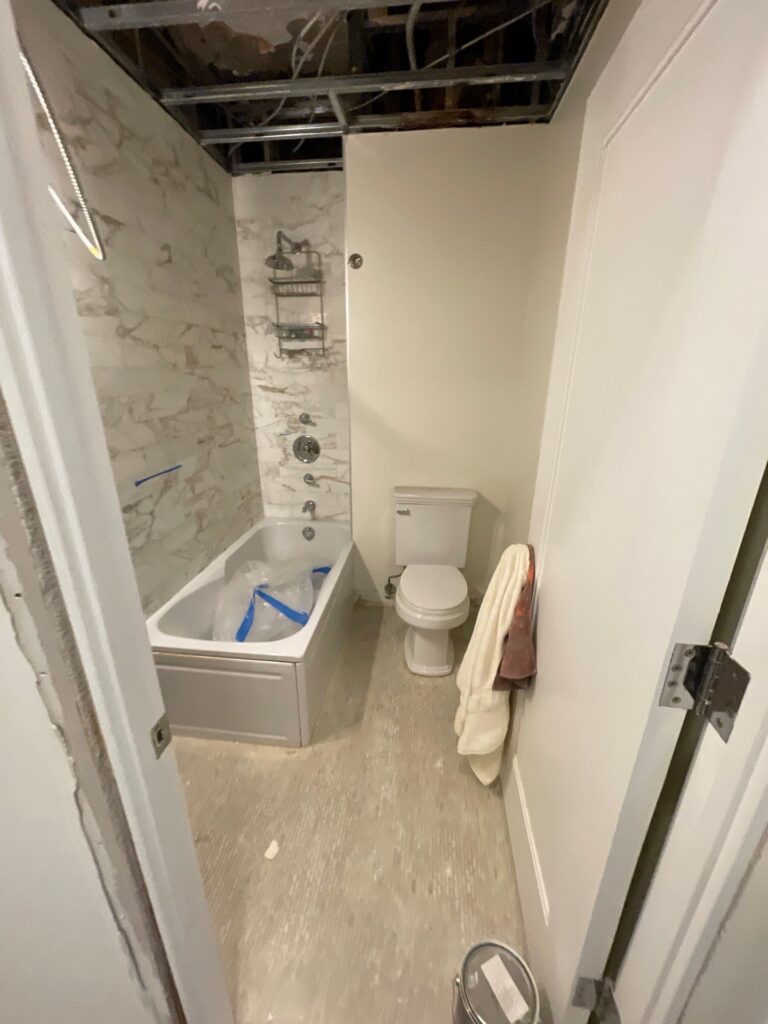
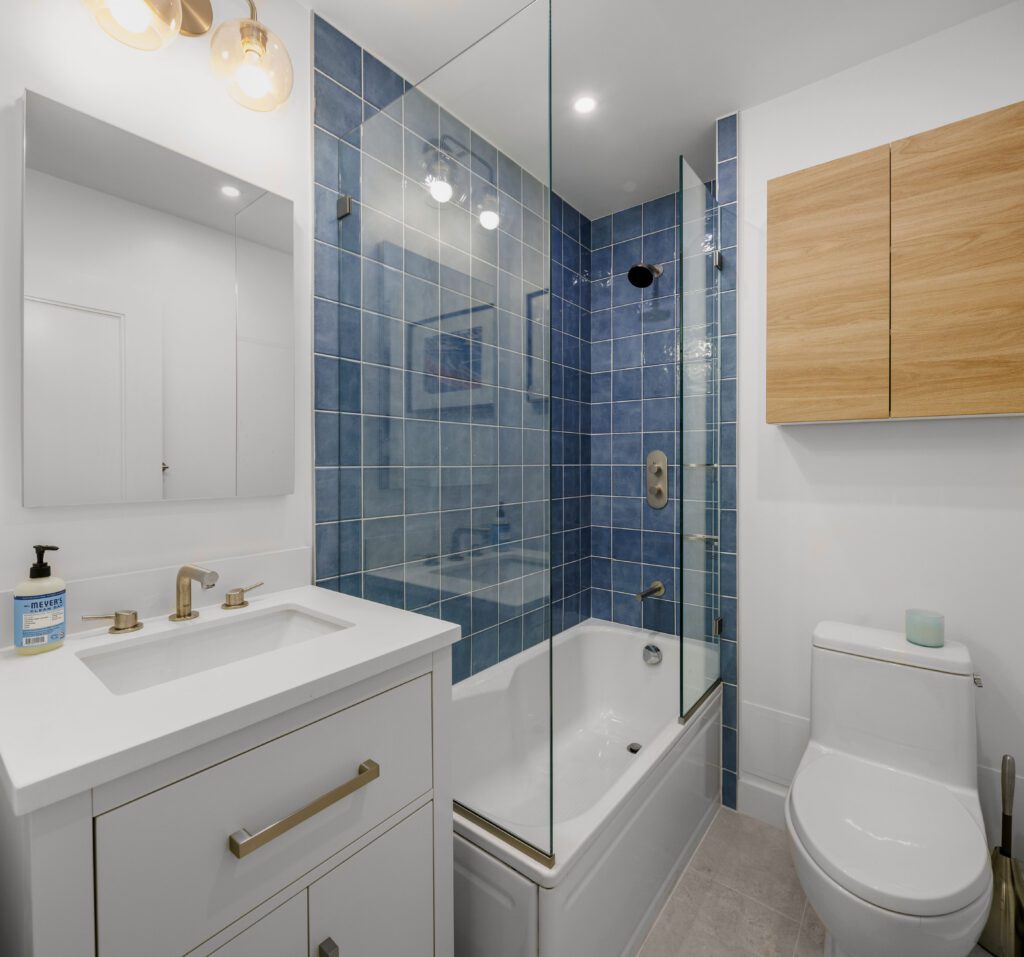
Emergency mitigation and reconstruction are two different stages of flood recovery. The first team removes the water, dries the property, and completes any necessary remediation. The reconstruction contractor then restores the damaged interior and returns the apartment to a finished, livable condition.
NYTDR specializes in the second stage. We repair and reconstruct New York City apartments after flood and water damage, including damaged walls, ceilings, flooring, kitchens, bathrooms, and interior finishes. Our team understands the coordination often required among apartment owners, insurance professionals, building management, co-op or condo boards, and licensed trades.
Frequently asked questions about NYC apartment flood damage
When can repairs begin after an apartment floods?
Repairs can begin after the water source has been corrected, standing water has been removed, affected areas have been professionally dried, and any required remediation or clearance is complete. Building approval and permits may also be needed before construction starts.
Who should I call first after my apartment floods?
If there is an immediate danger, call 911. Otherwise, notify your superintendent or building management, contact an emergency water-mitigation company, and report the loss to your insurer. A reconstruction contractor becomes involved after extraction, drying, and remediation are complete.
Does NYTDR remove floodwater or dry apartments?
No. NYTDR does not provide emergency water extraction, structural drying, or mold remediation. NYTDR repairs and rebuilds the apartment after those services have been completed.
What apartment damage can NYTDR repair after a flood?
Depending on the condition of the property and the approved scope, flood-damage reconstruction may include walls, ceilings, flooring, subflooring, trim, cabinetry, kitchens, bathrooms, paint, and interior finishes. Licensed plumbing and electrical work can be coordinated when required.
Does homeowners insurance cover apartment flood damage?
Coverage depends on the source of the water and the policy. Standard homeowners and renters policies generally do not cover flooding from outside the property, while separate flood insurance or specific endorsements may apply. Damage from a burst pipe, sewer backup, roof leak, or street flooding may be treated differently. The insurer should confirm coverage for the specific loss.
Do I need a permit to repair flood damage in a NYC apartment?
It depends on the repair scope. Limited finish work may not require the same filings as plumbing, electrical, structural, or layout changes. Co-op and condo buildings may also require an alteration agreement and management approval even when a DOB permit is not required.
How long does flood-damage reconstruction take?
The timeline depends on the affected area, hidden damage, building approvals, permits, material lead times, and the extent of kitchen, bathroom, flooring, electrical, or plumbing work. A reliable schedule can be prepared after the apartment is dry and the full repair scope is known.
Need to rebuild your NYC apartment after a flood?
If emergency water removal, drying, and any required remediation have already been completed, NYTDR can evaluate the remaining damage and prepare a plan for repairs and reconstruction.
Contact NYTDR to schedule an apartment reconstruction consultation.