9 Quick Tips for Emergency Water Damage for the NYC Homeowner

Water damage can strike when you least expect it—and in a fast-paced city like New York, that can feel especially overwhelming. Whether you’re living in a high-rise condo, a co-op, or a brownstone in Manhattan, dealing with emergency water damage in NYC comes with unique challenges. At NYTDR, we specialize in helping New York homeowners recover from water, mold, fire, and smoke damage. Our team works directly with your insurance provider and manages your restoration from start to finish. If you’re facing a water emergency in your home, follow these 9 quick tips to minimize damage and start your restoration process the right way. 1. Protect Your Furniture Place wood blocks or aluminum foil under furniture legs to prevent permanent staining or warping on wet carpets and floors. NYC apartments often have hardwood flooring or custom installations—take precautions early. 2. Remove Items That Can Bleed Color Don’t leave magazines, books, or colored rugs on wet surfaces. Ink and dyes can transfer and permanently stain your flooring or carpet. 3. Turn Off Electronics and Avoid Appliances If your electronics have been exposed to water, do not power them on. Turn off affected devices and unplug them safely. This includes TVs, ceiling fans, and kitchen appliances. Sanitize Contaminated Surfaces Use a disinfectant on all surfaces that come into contact with water, especially if it’s suspected to be gray or black water. Mold can begin to grow within 24–48 hours. 5. Improve Airflow Immediately Open all windows and doors to encourage natural ventilation. In small city spaces, this can make a big difference in reducing humidity quickly. 6. Use Drying Equipment Use wet vacuums, fans, dehumidifiers, and moisture absorbers to dry your home as quickly as possible. The faster you act, the lower your risk of mold damage. 7. Document the Damage Take clear photos and write a detailed list of all visible damage. This is crucial when submitting your homeowners insurance claim for water damage in NYC. 8. Review Your Insurance Policy Check to see if your insurance covers the type of water damage you’ve experienced. Coverage can vary depending on whether the damage was caused by a burst pipe, weather event, or plumbing issue. 9. Hire NYC Restoration Professionals Not all contractors understand the complexity of renovation and restoration in Manhattan. At NYTDR, we manage the entire process—from emergency response to full renovation, ensuring your home is safe, beautiful, and compliant with NYC regulations. Need Emergency Water Damage Help in NYC? Call NYTDR Today. No matter the size of your water emergency, NYTDR is here to help. We offer free consultations to assess your home and guide you through the next steps. From Midtown to the Upper West Side and beyond, we’ve restored homes across the five boroughs. Let us take care of the damage—so you can get back to life in the city that never sleeps.
Can You Stay in Your Home During Mold Remediation?
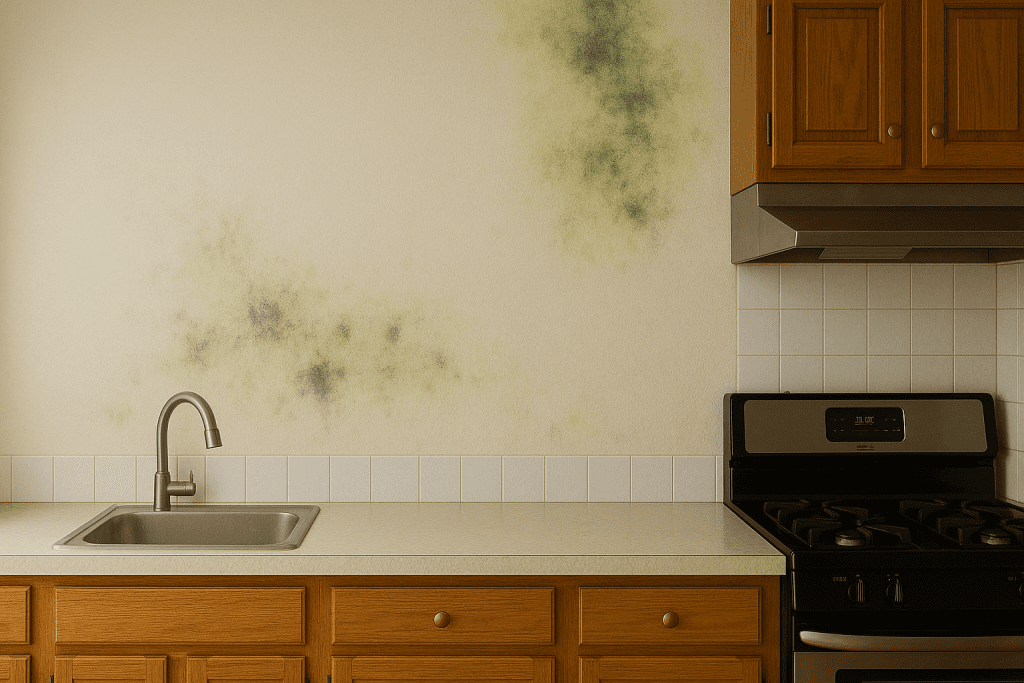
Mold in the home is more than just an eyesore—it can pose serious health risks and damage your property. If you’re facing a mold problem, one of the first questions you might have is: “Can I stay in my home during mold remediation?” At NYTDR, a trusted mold remediation company, we specialize in professional mold remediation and home restoration services throughout New York City. This article explains the risks, safety considerations, and best practices to protect your family during the cleanup process. What Is Mold Remediation? Mold remediation is the professional process of identifying, containing, and removing it from a home.At NYTDR, our NYC mold specialists begin with a thorough inspection and assessment to determine the type and extent of the growth. Affected areas are then carefully sealed to prevent spores from spreading, and mold-infested materials are removed while surfaces are thoroughly cleaned using professional-grade equipment and techniques. Any damaged areas are finally repaired and restored, ensuring the home is safe, clean, and protected against future mold growth. Because mold spores can spread quickly, this process requires careful handling and specialized professional equipment to ensure complete and effective remediation. Factors That Determine Whether You Can Stay Whether it’s safe to stay in your home during mold remediation depends on several key factors: Severity of the Infestation Small, contained areas (like a bathroom corner) may allow you to stay with precautions. Large or widespread mold growth often requires temporary relocation. Type of Mold Black mold (Stachybotrys chartarum) is particularly dangerous and usually warrants leaving the home. Less toxic molds may allow for limited exposure if proper containment is used. Remediation Chemicals Used Professional mold removal often involves cleaning agents that can irritate the skin, eyes, and lungs. Ventilation and protective measures are critical if you remain in the home. Vulnerable Residents Children, elderly individuals, and anyone with respiratory issues or compromised immunity should not stay in the home during remediation. Safety Precautions If You Stay If your situation allows you to stay, here are some precautions to reduce risk: Keep doors to affected areas closed and use plastic sheeting to contain mold spores. Avoid entering the work zone unless necessary. Use HEPA filters and air purifiers in living areas. Wear protective masks and gloves if you must enter the affected area. Follow the remediation specialist’s instructions carefully. When You Should Leave You should temporarily leave your home if mold contamination is severe or widespread, or if black mold is present, as these pose serious health risks. It’s also wise to vacate if strong chemical cleaners are being used during remediation, which can irritate the eyes, skin, and lungs. Additionally, anyone with allergies, asthma, or other respiratory vulnerabilities should not stay in the home until the cleanup is complete and the area is safe. NYTDR professionals can often advise whether temporary relocation is needed and sometimes offer guidance for safe housing options. Final Thoughts While it may be possible to stay in your home during minor mold remediation, your safety and health should always come first. Mold spores and cleaning chemicals can cause respiratory problems and other health issues, especially for vulnerable individuals. Consulting a certified mold remediation specialist is the best way to determine whether you can safely stay in your home during the process.
The 5 Types of Basement Damage That Could Block Legal Approval
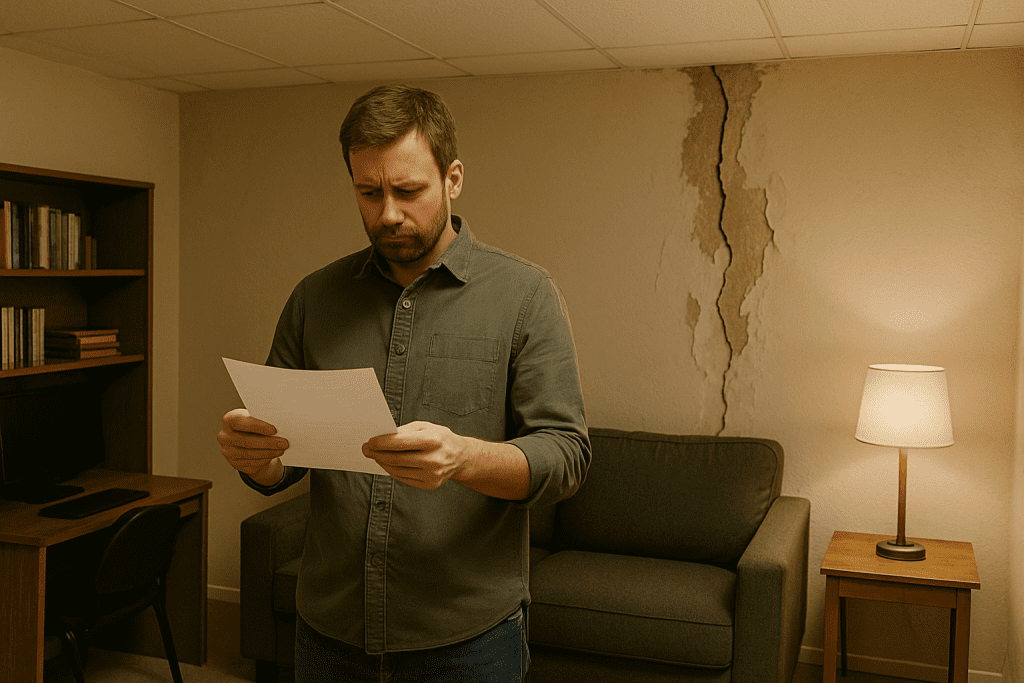
If you’re planning to legalize your basement apartment in New York City, it’s crucial to understand the most common types of basement damage that can block legal approval. These issues not only affect your safety and comfort but can also delay or stop city permits, preventing your renovation project from moving forward. At NYTDR, we specialize in all kinds of home restoration and repair services across NYC, helping homeowners fix damage and bring their basements up to code for safe, legal occupancy. Below are the five essential types of basement damage in NYC that often cause legal headaches and how addressing them is essential to a successful basement conversion. 1. Structural Foundation Damage Cracks in foundation walls, bowing walls, or uneven floors aren’t just cosmetic issues. They’re signs of structural instability. In NYC, any major structural flaw can stop a project in its tracks. Without proper repair, you may be denied renovation permits—or even face fines. 2. Basement Water Damage & Flooding Water intrusion is one of the most common issues in New York basements. Whether from heavy rains, rising groundwater, or plumbing leaks, moisture can lead to serious long-term damage. Inspectors won’t approve renovations if there’s evidence of current or previous flooding. At NYTDR, we specialize in restoring homes that have experienced water damage, ensuring basements are properly dried and repaired to meet city standards. 3. Mold and Mildew Growth Musty odors or black spots on walls can signal mold—a major red flag for home inspectors and city officials. Mold isn’t just a nuisance; it’s a health hazard and a legal liability, especially in rental properties. NYTDR focuses on expert mold remediation to safely remove mold and prevent future growth, making basements healthier and compliant with regulations. 4. Outdated or Illegal Electrical & Plumbing Work Many homeowners attempt DIY basement upgrades, especially in older buildings. Unfortunately, unpermitted electrical or plumbing work is a surefire way to fail inspection. Exposed wires or incorrectly installed pipes put your safety—and legal status—at risk. 5. Missing Egress Windows (Fire Safety Violations) NYC fire codes require proper egress (emergency exits) for any basement used as a bedroom or living space. If your windows are too small or blocked, your space could be declared illegal, making it unsellable or unlivable. Final Thoughts Legalizing a basement apartment in NYC requires more than just a vision—it demands a safe, code-compliant space free from issues that could halt approvals. Structural damage, water intrusion, and mold are all serious concerns that can prevent your basement from becoming a legal, livable area. In addition, insurance companies often require proof that your basement unit meets legal and safety standards before providing full coverage—so code compliance protects more than just your property; it safeguards your financial well-being too. NYTDR provides comprehensive home restoration services, including fire and smoke damage repair, water damage restoration, and expert mold remediation. Our team is dedicated to helping homeowners bring their properties up to code safely, efficiently, and with lasting results. If you’re ready to transform your basement into a legal, livable space, contact NYTDR today to schedule a free consultation and get started the right way.
Flooded Basement in a NYC Co-Op? Here’s Who Pays and What to Fix First
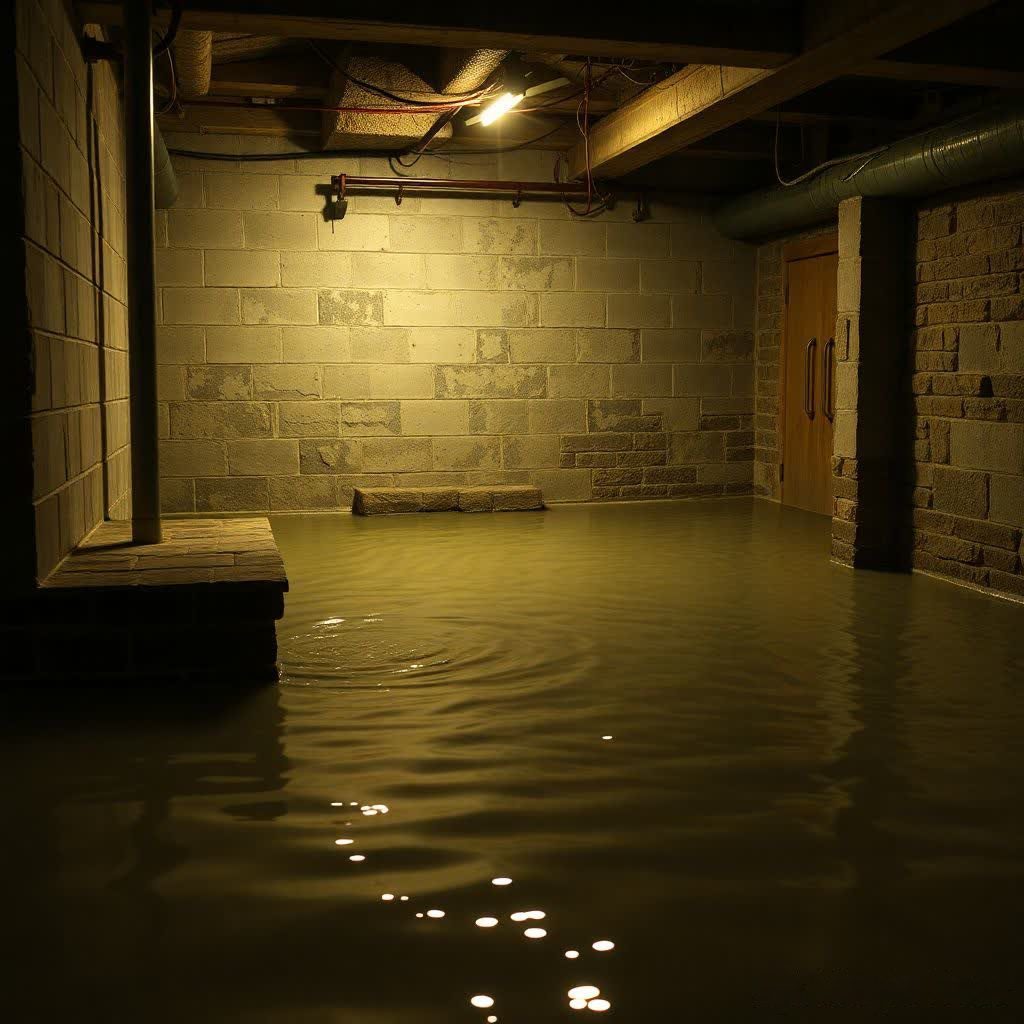
A flooded basement in your NYC co-op is more than an inconvenience—it’s a crisis that can cost thousands in repairs, spark legal confusion, and pose serious health risks like mold growth. Whether the flood came from a burst pipe, heavy rains, or a faulty sump pump, the big questions arise fast: Who pays for the damage? And what should be repaired immediately to prevent further loss? In this guide, we’ll walk you through the first steps after a basement flood, how to navigate co-op board responsibilities vs. personal liability, and what restoration priorities matter most. Who Pays for Flooded Basement Damage in a NYC Co-op? This is one of the most common (and confusing) questions homeowners face after water damage. 1. Co-Op Board vs. Shareholder Responsibility In most NYC co-ops, the building is owned by a corporation. You, as the shareholder, own shares and a proprietary lease giving you the right to live in a specific unit. If the basement is part of the building’s common area (e.g., laundry room, storage), the co-op board or managing agent is usually responsible for repair and restoration. If the basement flood affects a private storage unit or a ground-floor unit’s extension, responsibility might fall on the shareholder. 2. Insurance Coverage The co-op’s master insurance policy typically covers structural repairs and damage to common areas. Your personal homeowners (HO-6) policy may cover: Personal belongings stored in the basement Loss-of-use (if your home is uninhabitable) Improvements or fixtures you’ve installed Tip: File a claim immediately with both your insurer and notify your co-op board. Let NYTDR help you coordinate both claims for a stress-free process. What to Fix First After a Basement Flood Acting fast is critical. Mold can start growing within 24–48 hours. 1. Stop the Source If the flood is from a plumbing failure or appliance malfunction, shut off the water source immediately. If it’s storm-related, ensure sump pumps are working. 2. Document Everything Take clear, time stamped photos of: Standing water Damaged furniture, boxes, or equipment Wall discoloration, cracked paint, or ceiling leaks 3. Water Extraction & Drying NYTDR offers emergency water damage restoration across NYC, including: Industrial-grade water extraction Rapid drying with dehumidifiers and air movers Moisture detection tools to find hidden water 4. Mold Prevention and Remediation Basements are mold-prone. Mold grows fast in humid, dark environments. Our team will: Use antimicrobial treatments Remove water-logged drywall and insulation Conduct mold remediation if needed 5. Structural Repairs & Insurance Coordination After the area is dry and sanitized, we restore: Flooring, baseboards, drywall, paint Damaged electrical and plumbing components Work directly with your insurance for approvals and payments Don’t Wait—Here’s Why NYC building codes and HPD violations can be triggered by visible mold or electrical hazards. Mold and mildew can affect neighboring units and trigger disputes with other shareholders. Delayed repairs may void parts of your insurance policy or co-op coverage. Why Choose NYTDR for Your Co-Op Basement Flood Restoration? We handle everything: cleanup, repair, mold removal, and full insurance coordination. Experience with NYC co-ops: We understand how to work with managing agents and co-op boards to keep your restoration on track. Licensed, certified, and insured in NYC home restoration services. Get Help Now If your co-op basement has flooded, don’t wait. Let NYTDR guide you through the insurance, repairs, and peace of mind you need.Call us today or request a free consultation—we’re available for you.
How Professional Reconstruction Services Can Protect Your Home’s Value

When disaster strikes—be it fire, flood, or structural damage—the aftermath can feel overwhelming. Beyond the immediate emotional toll and inconvenience, there’s a looming concern that often goes overlooked: how this damage could impact your home’s long-term value. That’s where professional reconstruction services come in. At NYTDR, we believe that expert reconstruction does more than restore—it preserves and even enhances your property’s worth. Why Your Home’s Value Depends on Quality Reconstruction Your home isn’t just a place to live—it’s likely your biggest financial investment. After a damaging event, every decision made during the reconstruction process can either protect or compromise that investment. Here’s how professional reconstruction services safeguard your home’s value: 1. Certified Expertise Ensures Structural Integrity Rebuilding after a fire, storm, or collapse isn’t just about replacing what was lost. Professionals assess hidden structural damage, ensure repairs meet current codes and safety standards, and restore your home to an even better condition. Cutting corners with DIY fixes or unqualified contractors can leave your home vulnerable to future issues—ones that could seriously affect resale value. 2. Modernization Opportunities Professional restoration isn’t just about replication—it’s an opportunity to modernize. At NYTDR, we don’t just repair damage—we manage the entire restoration and renovation process from start to finish. Our team of licensed professionals handles everything: from demolition and design to permitting, construction, and final finishes. This means you get a seamless, stress-free experience without juggling multiple contractors. Whether it’s upgrading materials, redesigning a kitchen, or improving energy efficiency, reconstruction gives you a chance to add value. Buyers love homes with updated systems, new finishes, and a fresh aesthetic—especially when it comes with documentation that the work was done professionally. 3. Insurance Navigation and Cost Optimization At NYTDR, we handle the entire insurance process for you—from documentation to direct communication with your provider—so you don’t have to stress over paperwork or fine print. Our expertise ensures you receive the maximum claim payout, minimizing out-of-pocket costs and ensuring your home is fully restored, not just patched up. Proper claim handling can be the key difference between a quick fix and a complete, high-value rebuild. 4. Comprehensive Damage Remediation: Water, Fire, Smoke & Mold Damage isn’t always visible—and if not handled professionally, it can quietly destroy your home’s value. At NYTDR, we specialize in addressing the root causes of damage, ensuring that your home is fully restored to its original condition and beyond. We go beyond surface repairs, using advanced techniques to fully remove moisture, toxins, and contaminants, ensuring your home is safe, clean, and structurally sound. These services are essential not just for health and safety, but for preserving property value and avoiding costly future repairs. Our Key Remediation Services: Water Damage Restoration – Quickly removes water, dries your home, and prevents long-term structural and mold issues. Fire & Smoke Damage Restoration – Cleans up soot, smoke, and fire damage while fully restoring affected areas. Mold Remediation – Safely eliminates mold at the source to protect your home’s air quality and prevent future outbreaks. By professionally managing these critical repairs, NYTDR helps protect your home’s integrity, safety, and long-term value. 5. Documentation for Future Resale When it’s time to sell, buyers want proof that a home has been properly cared for—especially if it has a history of damage. Professional reconstruction companies provide detailed documentation, including permits, materials used, before-and-after photos, and warranties. This peace of mind can mean higher offers and faster sales. Trust NYTDR to Help You Rebuild—and Retain Value At NYTDR, we understand the real value of your home is more than just dollars—it’s your security, your lifestyle, and your legacy. That’s why we offer comprehensive reconstruction solutions, from demolition and design to full rebuilds and insurance claims support. Whether you’ve suffered water damage, fire destruction, or just need structural restoration, NYTDR ensures your home is rebuilt with craftsmanship, compliance, and care. Schedule your free consultation today and take the first step toward restoring your home with confidence.
NYC Weather Home Damage? What To Do Now
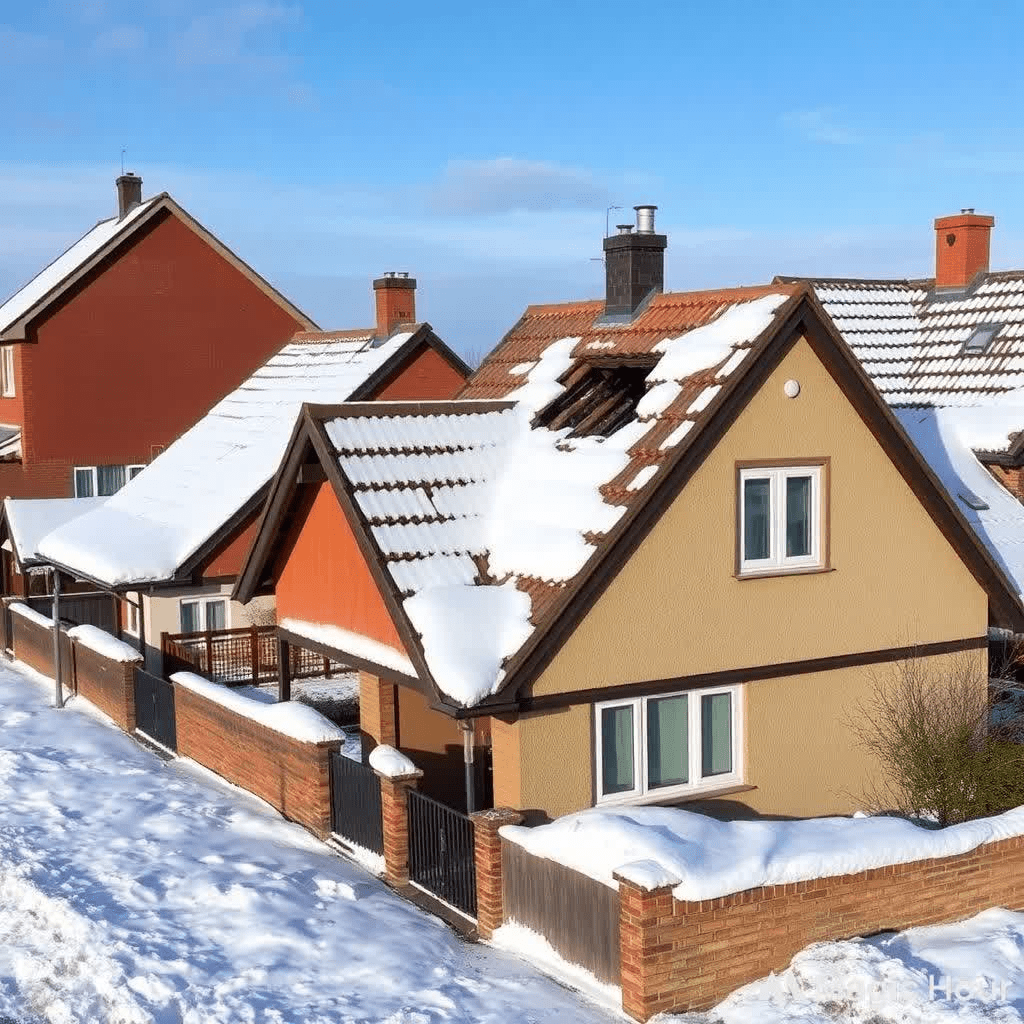
Storms, flooding, wind, or frozen pipes — when extreme weather hits New York, the damage can feel overwhelming. Your home is compromised, your routine disrupted, and suddenly, you’re stuck wondering where to even begin. That’s where NYTDR steps in. We’re not just a contractor. We’re a full-service disaster recovery and NYC home renovation team that handles everything — from securing your property and assessing the damage, to managing your insurance claim and restoring your home better than before. Stay Safe First Before anything else, prioritize safety. If your home has structural damage, flooding, or exposed wiring, do not enter. Call emergency services if necessary. Once the property is safe, document everything — take photographs or videos of all visible damage. This will be essential for your insurance claim. House Insurance Claim Don’t Delay — Report the Damage Time is critical. Our team will guide you through the process, help you document the damage properly, and handle communication with your insurance provider. Prompt reporting is essential, and our team ensures that all details are accurately documented to secure the maximum compensation you’re entitled to. Why NYTDR Should Be Your First Call Weather damage kicks off a long and often frustrating process — dealing with insurance adjusters, finding the right professionals, and trying to protect your family’s future. We take all of that off your plate. Here’s how: ✅ Advocating for Your Full Insurance Claim We work alongside you directly with your insurance company to: Accurately document and assess all damage — even the hidden kind Talk with adjusters Negotiate to ensure you receive the maximum payout Most homeowners don’t realize they may be settling for less than they deserve. Our team ensures you’re not one of them. ✅ Get a Licensed Professional Assessment Before any repairs begin, it’s crucial to understand the full scope of the damage. Weather-related issues like hidden mold, weakened structures, or compromised electrical systems aren’t always obvious. NYTDR offers free consultations and detailed assessments that support both safety and insurance documentation. ✅ Avoid Quick Fixes & Unlicensed Work After major storms, it’s common for unlicensed “contractors” to offer fast, cheap repairs. But this can lead to poor-quality work, liability risks, and denied insurance claims. NYTDR is fully licensed and insured, and we don’t cut corners. We restore and renovate your home to its full value — not just patch the damage. ✅ All-In-House NYC Contractor Team No need to search for specialists. Our in-house team includes plumbers, electricians, remediation experts, and licensed contractors — all ready to get to work as soon as your claim is approved. ✅ Complete Project Oversight From the first emergency call to the final coat of paint, we handle everything. You won’t have to coordinate vendors or chase timelines. We keep the process seamless, transparent, and on track. ✅ Emergency Services Available Need immediate help? We provide emergency response to assess damage, secure your home, and help minimize ongoing risk — both physically and financially. We Handle a Wide Range of NYC Property Damage: Flooded basements & water damage Fire and smoke damage (including electrical issues) Roof leaks & wind damage Frozen or burst pipes Mold remediation Full interior rebuilds and renovations Whether it’s a minor leak or a major disaster, every detail matters when protecting your property and maximizing your insurance claim. At NYTDR, we bring experience, integrity, and a full-service team to help you recover quickly — and confidently. We’ll handle the chaos, so you can focus on what matters most: your safety, your family, and your peace of mind. Contact NYTDR For Weather Damage Insurance Claim
Is Your Home Ready for Spring Showers? NYTDR’s Essential Prep Guide
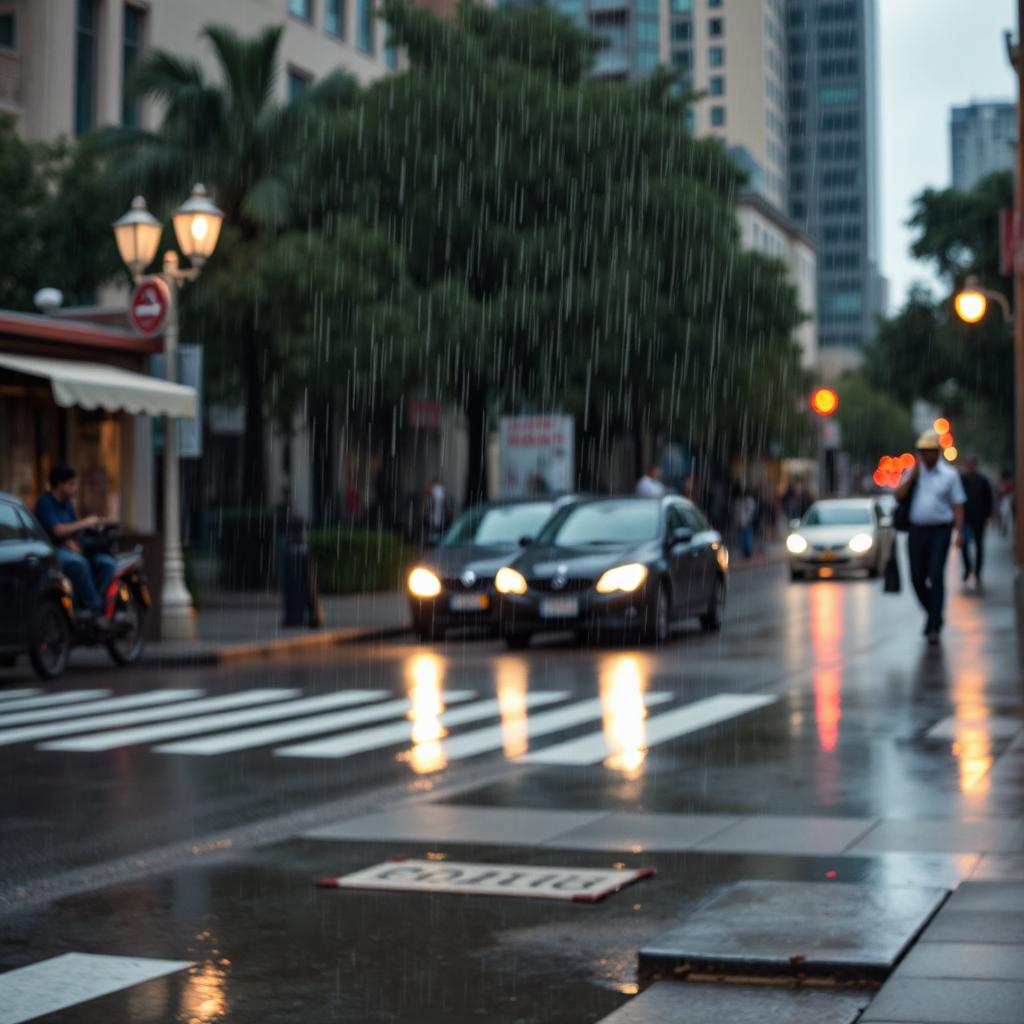
As winter melts into spring, those first heavy rains can be both refreshing and risky—especially if your home isn’t fully prepared. In a city like New York, where aging buildings and unpredictable weather collide, spring showers can do more damage than you think. At NYTDR, we’ve seen it all—and helped homeowners recover from it all. This Spring Showers Prep Guide will walk you through what you need to know before the rain comes knocking. 1. Why NYC Homes Are More Vulnerable New York homes—especially the older brownstones, pre-war apartments, and townhouses—are particularly susceptible to water damage. Why? Because the city’s infrastructure wasn’t designed for modern climate shifts or extreme weather. Many buildings still have aging roofing, outdated drainage systems, and foundations that weren’t built with flood resistance in mind. Combine that with tight spaces between homes, minimal green areas to absorb runoff, and the occasional nor’easter or flash flood, and it’s easy to see why NYC homes need some extra attention in the spring. Whether you’re in Brooklyn, Queens, Manhattan, or the Bronx—if your home hasn’t been recently renovated or inspected, it can likely be at risk. 2. Smart Spring Prep: NYTDR’s Top Tips Before the skies open up, take action with these proven steps from our expert team: Clear out gutters and downspouts so rainwater flows away from your roof and foundation—not into your walls. Inspect your roof for missing shingles, damaged flashing, or sagging spots that can lead to leaks. Seal windows and doors by replacing old caulk and weather stripping to stop water from seeping in. Test your sump pump by pouring water into the pit—make sure it kicks on and drains properly. Check your foundation and basement for any cracks, musty smells, or signs of moisture. Make sure landscaping slopes away from the home, not toward it, to prevent water pooling near your foundation. Inspect window wells to be sure they’re clear and draining effectively. These simple steps can save you thousands in repairs and the stress that comes with unexpected damage. 3. When Preparation Isn’t Enough, NYTDR Is Your Next Call Even with the best prep, sometimes heavy rains still get the upper hand. If you notice any of the signs below, your home may already be suffering from water damage—and it’s time to call in the experts. Here are some red flags NYTDR is trained to spot and repair: Water stains on walls or ceilings Bubbling paint or warped floors Musty or moldy smells in basements or closed rooms Cracks forming in foundation walls or flooring Dampness in crawl spaces or behind walls Mold growth, especially around baseboards or window frames Peeling wallpaper or discoloration around door frames At NYTDR, we don’t just patch things up—we restore your home completely. From emergency water removal and mold remediation to full-scale renovation, we handle every step with precision and care. Our team understands the unique challenges of NYC homes and brings years of experience repairing, rebuilding, and reimagining living spaces after disaster strikes. Don’t wait for the rain to show you the weak spots. Prepare your home now, and if damage does happen, know that we are ready to help you rebuild—stronger, smarter, and safer than before. Need expert help now? Get in touch with NYTDR and let us bring your home back to life after spring storm damage.
Fire vs. Water Damage: Which Can Cause More Long-Term Destruction?
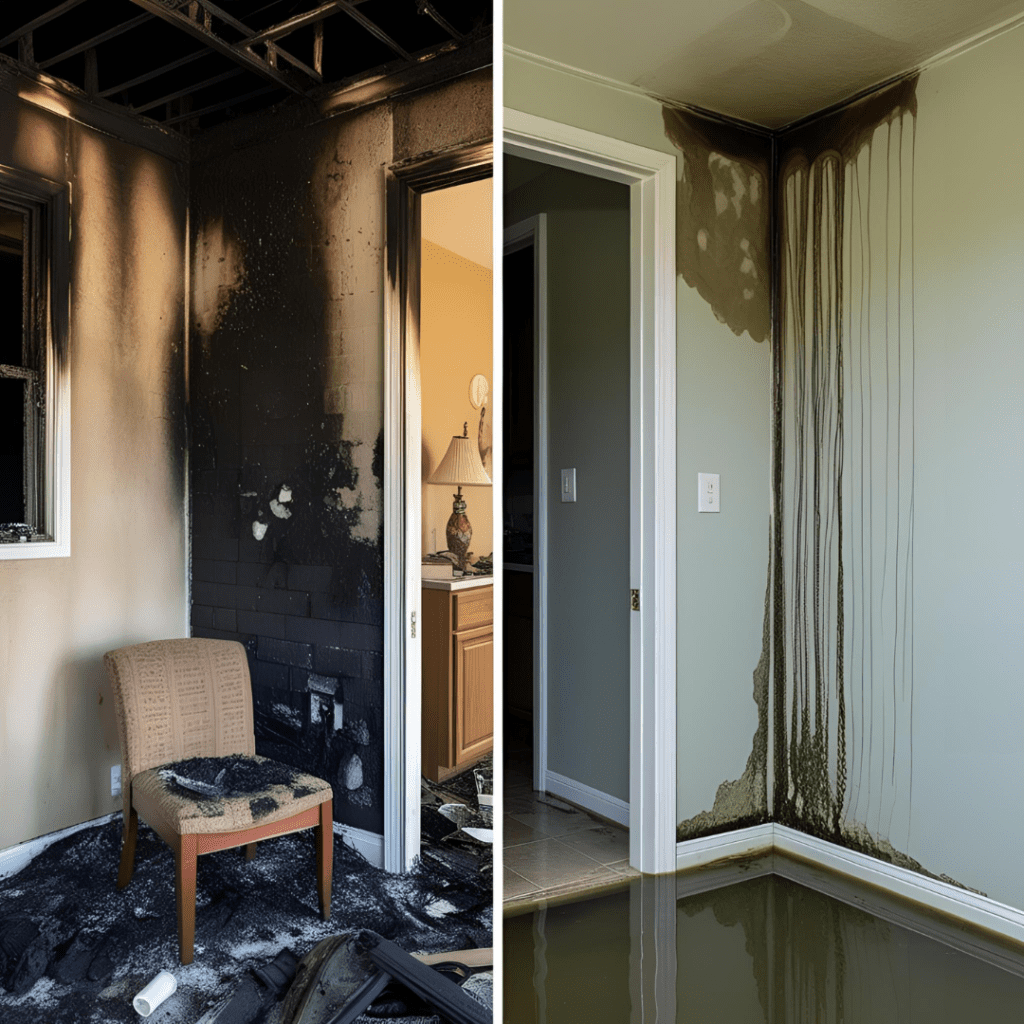
When it comes to property damage, both fire and water can wreak havoc. However, while these two forces of nature can appear similar in their immediate destructive power, their long-term effects differ significantly. Understanding the contrast between fire and water damage is essential for homeowners, property managers, and businesses alike to make informed decisions about restoration and repair. At NYTDR we specialize in restoring properties affected by both fire and water. Here, we dive into the key differences between the two types of damage and examine which can result in more long-term destruction. Immediate Damage: Fire vs. Water When a fire occurs, it can quickly destroy a building’s structure, appliances, and furniture. Flames consume materials at an alarming rate, and the smoke that accompanies them leaves a pervasive, toxic residue. The immediate damage from fire typically includes: Structural damage: Fire weakens the structural integrity of wood, metal, and even concrete. Smoke damage: Smoke can penetrate walls, insulation, and ventilation systems, leaving lingering odors and health risks. Charred materials: Items like fabrics, furniture, and wood become unusable, requiring extensive replacement. On the other hand, water damage can be just as immediate but comes with its own challenges. Whether from a burst pipe, flooding, or leaks, water has a unique way of affecting a property: Waterlogged materials: Wood and drywall can swell, weaken, or warp when exposed to moisture for extended periods. Mold growth: Water is a key ingredient for mold, and without prompt action, mold can spread rapidly, compromising air quality and structural integrity. Electronics and electrical systems: Water can damage wiring, outlets, and other electrical systems, which can lead to long-term safety hazards. Both types of damage can be catastrophic in the short term, but it’s the long-term effects that require careful attention. Long-Term Destruction: How Water and Fire Differ Fire Damage After the flames have been extinguished, the visible damage from fire may seem contained, but the true extent of destruction can be far-reaching. While fire doesn’t continue to spread once extinguished, the aftermath often includes: Structural weakening: Fire may permanently weaken the integrity of load-bearing walls, beams, and foundation. In many cases, parts of the structure may need to be rebuilt entirely. Toxic air and health risks: Smoke particles and ash can settle in hidden areas of the home or business. Over time, these particles can deteriorate indoor air quality, leading to respiratory issues, especially for sensitive individuals. Costly repairs: Restoring a fire-damaged property is usually more expensive than water damage. Rebuilding and replacing structural elements, combined with the need for cleaning and restoring valuables, increases costs significantly. Water Damage Water damage may seem easier to fix initially, but its long-term consequences can be even more pervasive than fire. Prolonged exposure to moisture can lead to: Mold and mildew: Mold growth thrives in damp environments, and if water damage is left unchecked, mold can quickly infiltrate hidden spaces like behind walls or under floors. This growth can cause serious health issues and compromise structural materials. Wood rot and corrosion: Wood can rot if it remains wet for an extended period, and metal elements may corrode, weakening the structure of the building. Both rot and corrosion can require extensive and expensive repairs.Degraded insulation and drywall: Moisture can saturate insulation, causing it to lose its effectiveness. Additionally, drywall may soften, sag, or crumble, leading to the need for replacement. Electrical hazards: While fire might immediately damage electrical systems, water damage poses a longer-term risk. Moisture in electrical systems can lead to short circuits, electrical fires, or permanent failure of wiring. While water may not be as immediately destructive as fire, its ability to continue causing damage over time makes it particularly insidious. Which Causes More Long-Term Damage? While both fire and water damage have the potential to cause significant long-term destruction, water damage often leads to more persistent, hidden issues. The slow and ongoing nature of water damage means that, without proper and timely restoration, mold growth and structural degradation can continue long after the initial water event. On the other hand, fire damage may appear to be more immediately catastrophic but is often easier to manage in terms of remediation and rebuilding. Once the smoke clears and the fire is out, it’s often a matter of cleaning, rebuilding, and replacing damaged materials. The Importance of Prompt Restoration Whether your property has suffered from fire or water damage, prompt restoration is key to limiting long-term destruction. Delaying repairs can result in mold growth, weakened structural elements, and lingering odors, leading to higher costs and prolonged disruptions. At NYTDR we specialize in both fire and water damage restoration. Our team works quickly to assess the situation, identify the source of the damage, and begin the necessary steps for thorough repair and restoration. Conclusion Both fire and water damage are serious threats to the integrity of a property. While the immediate effects of fire may seem more destructive, water damage often leads to hidden, long-term problems that can persist for months or even years if not addressed promptly. Understanding the unique risks of each type of damage allows property owners to act quickly and effectively to prevent further harm. If your property has been affected by fire or water, NYTDR is here to help. Our expert team is ready to restore your property to its original condition with minimal disruption. Contact us today for fast and professional restoration services!
How to Stop Water Damage from Getting Worse

Water damage can escalate quickly, leading to costly repairs, structural damage, and health hazards like mold growth. Acting promptly is essential to minimize damage and prevent it from spreading. This comprehensive guide outlines the steps you can take to stop water damage from worsening and how to address it effectively. Understanding the Risks of Water Damage Before diving into the solutions, it’s crucial to understand why water damage is dangerous: Taking immediate steps can help you mitigate these risks. Step-by-Step Guide to Stop Water Damage 1. Identify and Stop the Source of Water 2. Remove Standing Water Immediately 3. Dry Out the Affected Area 4. Protect and Isolate the Area 5. Inspect for Safety Hazards 6. Begin Immediate Repairs 7. Prevent Mold Growth 8. Document the Damage 9. Call in Professionals if Needed How to Prevent Future Water Damage Stopping current damage is only half the battle. Take these preventive measures to avoid recurring water damage: Act Quickly to Minimize Damage Water damage can rapidly escalate if not addressed immediately. By taking swift action, implementing preventive measures, and seeking professional help when necessary, you can protect your home and restore it to better conditions. For expert assistance, contact professionals like NYTDR. Their experienced team can help you restore your home and guide you through preventive measures for long-term peace of mind.
Water Damage Pricing Explained

Water damage pricing can be an unexpected expense that strains finances and disrupts daily life. At NYTDR, we prioritize transparency in our pricing approach, helping homeowners understand each step of the restoration process and anticipate associated costs. Here’s a closer look at our straightforward approach. Comprehensive Assessment and Evaluation Water Damage Pricing starts with a thorough on-site evaluation. Our team inspects the affected areas, determines the type of water damage (clean, gray, or black), and assesses its severity. This inspection allows us to estimate costs accurately from the beginning. With this approach, homeowners gain a clear understanding of the damage and restoration needs. Customized Extraction and Drying Plan Water extraction and drying require precision, and NYTDR tailors each plan to address the specific damage. Whether it’s a localized leak or extensive flooding, we create a strategy to completely remove moisture and prevent mold growth. We explain the resources needed, such as equipment or time requirements, ensuring clients are aware of how each factor contributes to the total cost. Mold Inspection and Remediation When water damage goes unchecked, mold can quickly become a concern. If water exposure has been prolonged, we recommend a mold inspection as part of the process. By addressing potential mold early, we help clients avoid future issues and added expenses. These costs are integrated transparently, allowing clients to make informed decisions about their restoration. Structural Repairs and Material Restoration In many cases, water damage requires more than drying; materials like drywall, flooring, and cabinetry may need repair or replacement. NYTDR assesses and identifies these necessary repairs early on, providing an itemized list of material and labor costs. Insurance Coordination Navigating insurance claims can be challenging after a water damage event. For clients with coverage, NYTDR provides detailed documentation, including photos, damage assessments, and cost estimates. By assisting with the claims process, we streamline the steps needed for faster payouts, reducing out-of-pocket costs and providing peace of mind. Clear Communication and Adjustments During restoration, unforeseen issues sometimes arise. If new problems are discovered, we promptly inform clients and offer updated estimates. Our team maintains open communication throughout, ensuring homeowners remain informed and comfortable with any necessary adjustments to the scope of work or costs. Reach Out for Reliable Service At NYTDR, we believe in transparency, clear communication, and dedicated support. Our goal is to restore your space efficiently while keeping you informed and confident in the process. If you need to understand water damage pricing more Contact us today for a comprehensive, transparent quote and to learn more about our trusted restoration services. We’re here to simplify your restoration journey and protect your investment.