What’s New in Home Insurance in 2020 and Why You Need It

People who live in New York City have a number of particular factors to consider when buying homeowners insurance. Besides the usual damages potentially caused by weather, you can experience water damage from flooding resulting from a hidden leak, fire or smoke damage from a neighboring apartment or house disaster, or problems because of asbestos or mold in your apartment building. One question that you need to consider specifically is: does homeowners insurance cover mold? We look at what homeowners insurance covers in 2020 and why you need it along with an innovation in the industry here. What Does Homeowners Insurance in New York City Cover in 2020? Dwelling coverage is what most people think of first when they consider homeowners insurance. This category covers damage that pertains to your home or apartment’s structure. Such coverage safeguards your residence from damage to your home and anything that is attached to it like a chimney or garage. It is important when you are looking at this dwelling coverage category to not select the current market value or purchase price of your home. What you need is the policy to provide for reconstruction costs, the price to rebuild your domicile to its pre-damaged condition. Personal Property and Loss of Use Coverage Personal Property and loss of use deal with the disaster damages to your things and lifestyle. The personal property category will cover your possessions outside and inside of your dwelling. A burst pipe ruining your couch would be covered by this. Meanwhile, loss of use would reimburse you for expenses if your dwelling became uninhabitable from covered damage. This would include costs for a place to live temporarily and daily costs of living like laundry and food. Coverage for Other Structures There is also an “other structures” category in your policy. Your dwelling might have a shed, fence, or driveway. If a covered danger damages these structures, your homeowners insurance policy should pay to help fix them. Liability and Medical Protection Coverage A last category that homeowners insurance policies will cover is liability and medical protection. If someone becomes injured while on your property (or a person covered by your policy damages another person’s property) the insurance company will cover this. Similarly, if someone has medical costs from an accident on your property, the medical protection part of the policy pays for their treatment expenses. Do Standard Home Insurance Policies Cover Mold and Water Damage? The general coverage is helpful, but people should be aware of its limitations. It might not address the specifics of water and mold or fire damage to New York City houses and apartment buildings. Neighboring leaks or fires can create damage, and older buildings may contain asbestos or lead. Mold is an especially important consideration as it can be hard to detect. It is also a highly costly problem to treat as the root cause can be hard to determine. The majority of insurance firms will not insure against mold in a standard policy. What you can do is to add an endorsement for limited microbes or fungi coverage to your homeowners policy. A limited fungi or microbes endorsement will give you more coverage, but it is still limited. The average mold endorsement provides as much as $2,500 in financial coverage. Up to this amount, it would protect you against the expense of taking out the fungi and tearing out to replace the impacted sections of your home. It would also help to defray the costs of checking the air quality once the mold has been removed. If you have to stay somewhere else while your house is treated, it helps with these expenses as well. It is important to know that this coverage only applies if the fungus or mold has come from a peril that is covered in your policy. These so-called covered perils can be different based on the policy. With an all perils policy, you are covered for everything that is not directly excluded in your policy. If you have a named peril policy instead, you will only receive coverage for conditions that the policy documents specifically state. The majority of homeowners insurance policies will insure your dwelling structure as open peril while your belongings are handled under a named peril basis. Another thing that you should be careful about is the exception for coverage that comes from your mold happening due to continuous or constant water leakage. If your house or apartment has suffered from a leaking sink over months or years leading to mold forming, your policy will not cover you. Water damage and mold that resulted in your drywall from a burst pipe would be covered by this endorsement for mold. When Might Mold Coverage Be Excluded from Your Homeowners Insurance? There are three cases specifically where mold removal might not be covered by your homeowners insurance. Your policy could directly exclude this coverage while you do not elect to get an endorsement. If the mold resulted from a flood, it will not be covered either. Maintenance issues that create mold are a third excluded case. What can you do about these exclusions? You should seriously contemplate buying extra coverage for such catastrophes as floods (as well as hail and earthquakes). These are not covered by standard policies. Adding an endorsement for mold and fungus in New York City residences is also a good idea. Also consider that if you opt for a higher deductible for your coverage, this will likely reduce your annual premium. The tradeoff is that you will have to come up with more out of pocket money should you have to file New York insurance claims. A New Innovation in Homeowners Insurance One new innovation in homeowners insurance in New York City is the rise of a new concept called Lemonade Insurance Company. In only a few years, this company based in New York has upended traditional insurance company policies and procedures. They enjoy an A-Exception from Financial Stability Ratings provided by financial analysis
Mold vs. Mildew
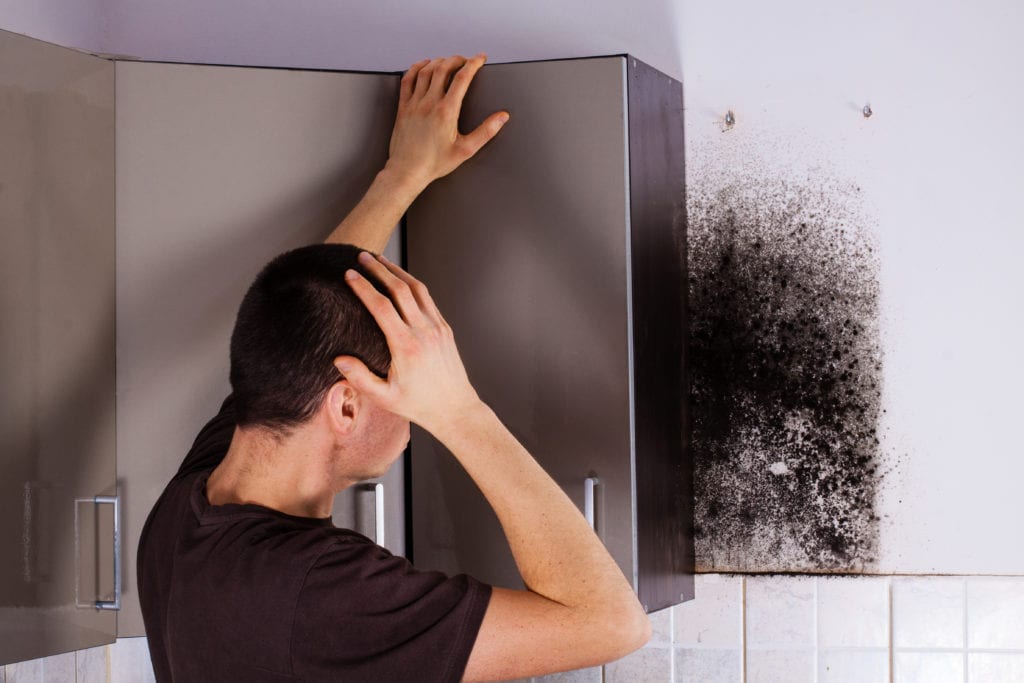
First and foremost, if you have a mold concern in your home, we highly recommend contacting a licensed professional to identify the fungus. Although mold and mildew can look the same to an untrained eye, there are differences. The risk of having mold in your home could be harmful to you and your family’s health. This blog will inform you of the simple characteristics of mold and mildew, to know for sure if what you see in your home must be tested by a licensed professional. Mildew Mildew is typically white, gray or yellow and grows on the surface of moist, warm areas. Mildew also tends to be green or black, and usually grows underneath the surface of anything that has gotten wet. Mildew starts in a shady and moist area. For example, in your home, you could find it, in the bathroom or shower, behind the dishwasher. It is a surface fungus, so it grows on top of surfaces and has a gray or white color, but can later change to yellow, brown or even black. Mildew is not toxic and it can be easily removed by cleaning the infected area. Mold Mold also grows in damp areas, but it is often the result of a more significant infestation that spreads from the surface and begins to grow inside and behind the material, like walls. Mold is usually fuzzy, although it can sometimes be slimy, and could grow in many colors including; black, white, brown, green, blue, yellow, and gray. Mold is usually responsible for many health problems, especially in children. Mold cannot be easily removed like mildew, because it will naturally grow back. This is way, mold should be removed by a licensed trained professional. What’s worse: Mold or Mildew? Mildew is not as troublesome as mold. Mold can create allergies, irritated eyes, asthma, headaches, and in some cases, lung issues could be the result of toxic mold that is breeding within your home. Is mold common in NYC? We have found countless mold problems in pre-war buildings in the Manhattan area, not to say it doesn’t exist in a newer building because it very well can. Remember the cause of mold is moister, that can come from a source. There are many misconceptions about mold; there are those that take it too lightly and others too seriously. Because of these misconceptions, it’s important to get the facts and let licensed professionals test the concerned area to know for sure, then make the proper action. Tips on mold preventions Fixing all leaks Drying damp areas Removing humidity from the air. (For example, using a dehumidifier, cracking a window while taking a shower in bathrooms with no exhaust ventilation; or opening a window in the kitchen while cooking.) If you have any questions or concerns of mold in your home we encourage you to call and schedule a free, no-obligation consultation to look at your problem area.
Water Mitigation
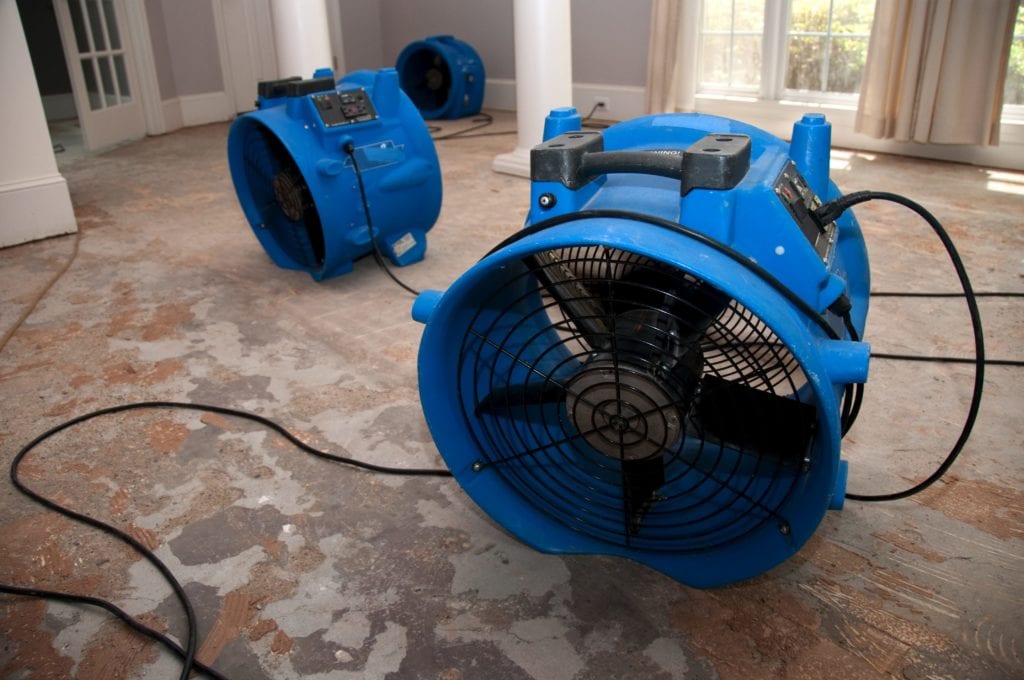
If you have just been victim of a flood or had a pipe burst in your home or office, you may have been told that Water Mitigation is the first thing you need to do. According to the Environmental Protection Agency, 13.7% of all water used in the home today can be attributed to plumbing leaks, so while water disasters tend to come by surprise, they are actually far from uncommon. Still being that leaks and floods are not planned, you may not be wondering what Water Mitigation is and why it’s so important. What is Water Mitigation? Water Mitigation is the process of alleviating or minimizing the level of damage or impact caused by water buildup resulting from a leak, flood, storm or burst pipe. It is easy now to understand why this is the first step to take. The more successful the water mitigation is the less water damage restoration will be needed. Water causes damage when it is left to sit. The risk of damage increases exponentially with the length of time the water sits in the damaged area. In addition to seeping into carpet or wood causing flooring damage, warping wood furniture and ruining objects lying around, water can seep into the foundation, travers up walls and create long term health hazards from mold and microbial growth which often shows up much after the damage and cleanup. Getting rid of the water as fast as possible can literally mean the difference between full irreversible damage and a smaller unpleasant experience. Often people will try to save by removing the water themselves only to discover later that water had seeped into places they missed or not dried out properly and a whole new slew of mold, mildew and additional related water damage issues require full gut removal and restoration. Therefore, calling a professional water damage restoration company is imperative. What happens when the professional arrives? As mentioned above, the first priority will be to remove any objects, furniture, appliances or machinery that can be saved. At the same time, the process of water removal using specialized machinery and water sensing equipment will begin. Once the water mitigation is complete, the restoration experts will be able to asses the damage and restoration requirements as well as assist with submitting insurance claims, providing information to the insurance adjustor, scheduling additional drying, applying mold prevention techniques, and completing restoration. Some companies offer just the emergency water removal, some will provide the whole restoration process, and some will actually provide a complete service from water mitigation and removal through restoration and remodel including insurance claims assistance. At NYTDR, we take great pride at being a full-service NYC Water Damage Restoration Company. Our expertise goes beyond the actual emergency cleanup and restoration. We work with the client to submit insurance claim, getting clients much larger coverage than they would on their own. We understand all the intricacies of both restoration and renovation including the invisible damage and required work and can therefore work alongside the insurance adjustor and get full coverage from home insurance companies often turning the water disaster into a blessing in disguise!
No Lead in NYC Water Fountains – LeadFreeNYC
Over 3500 water fountains in New York’s parks will be tested for lead contamination in the next couple of weeks. Contrary to popular belief that this must be a result of discovering lead contamination in the water, not one of NYC parks water fountain was ever found to contain any level of lead. The lead testing initiative is part of the city’s LeadFreeNYC program, outlined by Mayor Bill de Blasio earlier this year to further lower and eventually eliminate any amount of lead exposure New Yorkers get. Dangers of LEAD in NYC What makes Lead Dangerous and Why should you test your children for elevated blood lead levels? A number of factors increase the likelihood of lead exposure and risks. Building built before 1970 when lead in paint was standard practices. Children under the age of 6 living in the apartment The effects of lead poisoning are . This form of poisoning leads to major problems that include reduced IQ, brain damage, slurred speech, behavioral disorders, fine motor skills development issues, and lifetime negative health effects. It causes victims to need speech and occupational therapy treatments on an ongoing basis. And Lead Poisoning is preventable! How does lead get INTO the Water? Drinking water can become contaminated when pipes, faucets and other plumbing fixtures containing lead corrode, according to the U.S. Environmental Protection Agency. #LEADFREENYC In January 2019, NYC Mayor de Blasio announced LeadFreeNYC, a Comprehensive Plan to End Childhood Lead Exposure. Under the new plan, within 24 months every new apartment, every source of lead and every child would be screened for lead exposure and dealt with accordingly. The Lead Free NYC plan is not an entirely new one. Since 2004 the City’s Childhood Lead Poisoning Prevention Act has required landlords to identify and remediate lead-based paint hazards in the apartments of young children, using trained workers and safe work practices. The new LeadFreeNYC plan aims to: Enforce existing laws and regulations Develop new prevention and mitigation programs across NYC agencies and the City Council. Pass new legislation aimed at eliminating lead exposure in New York City When LEAD Becomes A Serious Health Hazard Despite the fact that there is no safe lead level It is continuous exposure the danger is far greater. Dr. Landrigan has warned that smoking greatly multiplies the chances of getting lung cancer after a person has become exposed to asbestos and living in a peeling lead based paint apartment over time increases the risk. The Importance of Calling A Professional While it may be tempting to try and test for lead and remove it on your own.. don’t! The American Lung Association strongly recommends that you retain a professional like a certified lead inspection NYC worker to gather potentially harmful lead and asbestos samples for testing NYC. This will allow you to reduce the likelihood of dangerous lead and asbestos exposure for your family. NYTDR offers lead removal NYC. Should any swab tests of your apartment building in NYC reveal that building surfaces or paint used contain lead you will be require t lead removal NYC. You can take stronger precautions still. If you fear that your apartment has lead, you can wear filter masks when you clean. If you elect to do this, remember that surgical masks do not impede tiny particles. You would have to get a N95 mask that is approved and recommended by the National Institute for Occupational Safety and Health.y at your local hardware store or Home Depot. These are the safety masks that carpenters swear by in their daily work.
How Do You Know If Mold Is Making You Sick?

How Do You Know If Mold Is Making You Sick? Getting sick is awful, and if you’re like most people, you do everything in your power to heal yourself when you’re ill. Eliminating the cause of your illness is the best cure, but unfortunately, it’s not always obvious what’s making you feel under the weather. Fungal infestations cause serious health problems and make existing ailments worse — Mold remediation could prove critical to your efforts to get better. Here’s why. Mold Basics Mold is a type of fungus that grows in colonies, or groups comprising thousands or millions of individual organisms. Like mushrooms and other fungi, mold reproduces by releasing spores. These tiny particles are light enough to float on a gentle breeze, and when they land in favorable conditions, the mold growth cycle starts all over again. Common Mold Health Risk Issues Most health problems related to mold growths have to do with inhalation. In addition to filling your house, apartment or office with a foul, sour smell, spores can enter your respiratory tract. Once there, they can cause various mold exposure symptoms, such as Breathing difficulties Asthma and other lasting illnesses Increased problems with existing respiratory ailments Irritated, inflamed eye, nose, lung or throat tissue Persistent allergies Skin irritation Coughs and colds that don’t seem to clear up An increased likelihood of opportunistic infections, especially if your immune system is already compromised. Children and the elderly often prove more susceptible to these hazards. This makes mold removal imperative for families. How Do I Know If Mold in My Apartment Is Making Me Sick? Mold isn’t always easy to spot. Since all it needs to thrive is a surface and a small amount of moisture, it can crop up on walls, furniture, clothing and everything else that you own. It’s commonly encountered in crawl spaces, basements, bathrooms, and other damp areas. Further confusing the issue, visible mold colonies may take on a variety of visual characteristics. Some growths look like black or white spots, while others produce rusty appearances and discoloration. Lots of mold infestations follow closely on the heels of floods and other water damage events that might make it even harder to tell what’s going on. The only sure way to tell is to perform a thorough mold inspection that relies on advanced technology to sample moisture, air quality, and other factors. What Can I Do About Mold in Manhattan? If you care about your well-being, then living in mold-filled conditions isn’t an option. Mold remediation is vital to getting healthy again, so be proactive. Talk to an expert about dealing with mold in your home or workplace soon.
Mold Remediation vs. Removal
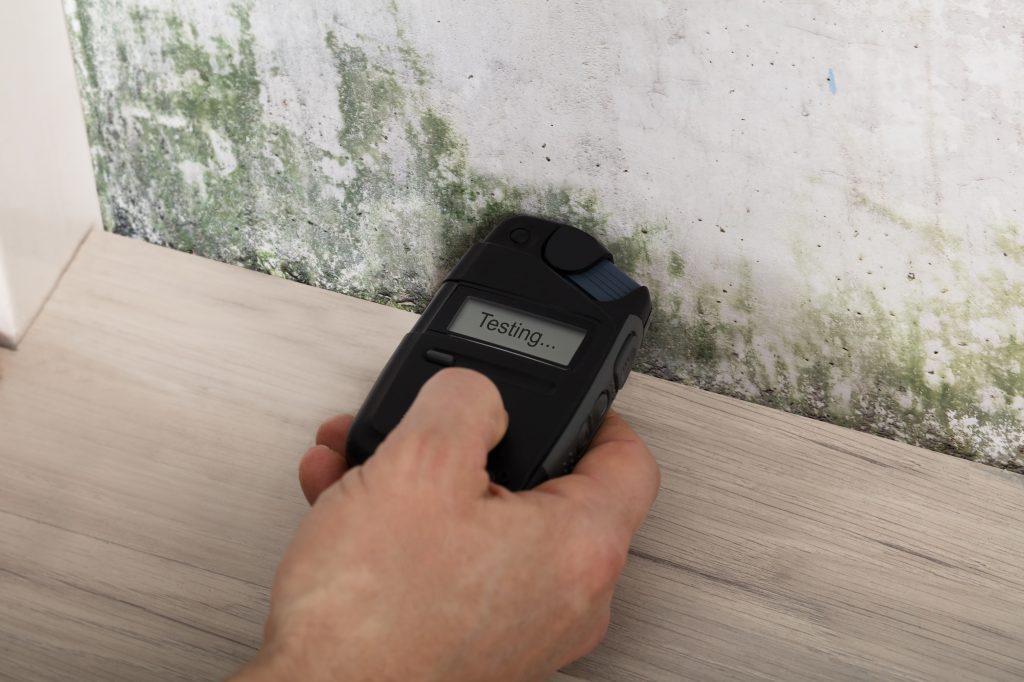
When it comes to mold removal and mold remediation, the distinctions aren’t always so clear. Although most people know that mold isn’t healthy to have around, few understand what dealing with it entails. Here are some quick facts on how to clean up mold the right way. Mold Treatment Options: What Is Mold Remediation? Mold is a general name for many different species of fungi that exist all over the world. In nature, these organisms play critical roles in the food chain by breaking down plant materials. When they enter human habitations, however, major problems can arise. From preventing respiratory ailments to simply making homes and offices more pleasant, mold abatement is critical to preserving our healthy way of life. Mold remediation involves decreasing the presence of mold to normal, acceptable levels. In addition to steps like sanitation-based home mold removal, effective remediation efforts include eliminating the conditions that allowed it to flourish in the first place. How to Remove Mold Knowing how to remove existing mold is an important part of any mold abatement strategy, but it depends on having an understanding of the fundamental mold lifecycle. When people see visible patches of mold on walls, furniture and other surfaces, they’re actually looking at thousands or millions of organisms grouped into what’s known as a colony. At a certain stage in their lifecycles, these organisms will reproduce by emitting microscopic spores that get carried to new places on air currents. If they land somewhere favorable, they’ll grow again and begin the process anew. The best mold cleanup efforts take care of the unseen. This may include everything from replacing upholstery that has suffered mold damage to full-scale house mold removal operations where specialists hunt down and remove fungi inside closets, crawlspaces, wallpaper layers and other nooks and crannies. The mold removal cost of such a service can vary widely based on the severity of the problem and how long it’s been left unattended. Complete Mold Treatment Options Merely knowing how to clean up mold isn’t enough. Good mold repair specialists also stop it from coming back with comprehensive mold treatment solutions. Fortunately, even though there are thousands of different mold varieties, they all share one common trait: They need water to survive. Eliminating moisture and getting rid of spores are vital components of lasting house mold removal. Professionals who know how to remove mold may accomplish this using tools like ventilation systems that dry out interiors following flood events. Advanced mold restoration services often include laundering that ensures clothing isn’t harboring stragglers. Although mold restoration can seem complicated, it’s worth noting that it has the potential to reduce the mold removal cost associated with significant infestations. For instance, performing a top-to-bottom home mold removal is much more affordable when it only has to be done once instead of repetitively. Since it doesn’t take long for mold damage to ruin households and offices completely, seeking competent remediation assistance is definitely worthwhile.
NYTDR Intro Blog Post
Welcome to the NYTDR (New York Total Damage Restoration) blog page. We are a New York City home damage restoration firm dedicated to our community to restore homes back to your place of relaxation. We are experts in damage restoration and we want to educate our users on the dos and don’ts of home restoration and how to maximize your home insurance in the New York City metro area. Home restoration in general can be a challenge – New York City might feel worse than other places. No need to fret, NYTDR is here to educate you just in case you may need it. We will post topics such as; what to ask your insurance provider, the difference between restoration and remediation, tips on how to avoid black mold, the risks of asbestos in your home, etc. If you have any requests on topics, we encourage you to email us at info@nytdr.com. NYTDR (New York Total Damage Restoration) is here to remove as many headaches as possible. If you find yourself in need of our services please don’t hesitate to call us today 212-206-1300 or email us at info@nytdr.com. We can handle the entire process for you from clean up, to testing, to remediation, to restoring your home back to health. We will also work with your insurance company directly so you do not have to. If your home is in need of restoration call us today!