
Mold vs. Mildew
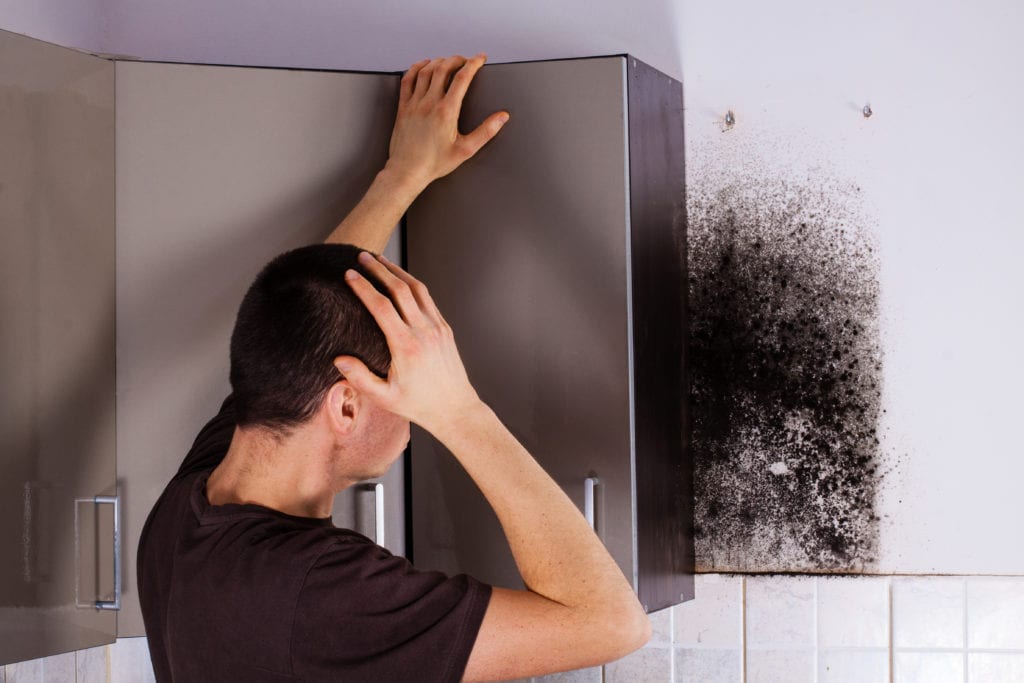
First and foremost, if you have a mold concern in your home, we highly recommend contacting a licensed professional to identify the fungus. Although mold and mildew can look the same to an untrained eye, there are differences. The risk of having mold in your home could be harmful to you and your family’s health. This blog will inform you of the simple characteristics of mold and mildew, to know for sure if what you see in your home must be tested by a licensed professional. Mildew Mildew is typically white, gray or yellow and grows on the surface of moist, warm areas. Mildew also tends to be green or black, and usually grows underneath the surface of anything that has gotten wet. Mildew starts in a shady and moist area. For example, in your home, you could find it, in the bathroom or shower, behind the dishwasher. It is a surface fungus, so it grows on top of surfaces and has a gray or white color, but can later change to yellow, brown or even black. Mildew is not toxic and it can be easily removed by cleaning the infected area. Mold Mold also grows in damp areas, but it is often the result of a more significant infestation that spreads from the surface and begins to grow inside and behind the material, like walls. Mold is usually fuzzy, although it can sometimes be slimy, and could grow in many colors including; black, white, brown, green, blue, yellow, and gray. Mold is usually responsible for many health problems, especially in children. Mold cannot be easily removed like mildew, because it will naturally grow back. This is way, mold should be removed by a licensed trained professional. What’s worse: Mold or Mildew? Mildew is not as troublesome as mold. Mold can create allergies, irritated eyes, asthma, headaches, and in some cases, lung issues could be the result of toxic mold that is breeding within your home. Is mold common in NYC? We have found countless mold problems in pre-war buildings in the Manhattan area, not to say it doesn’t exist in a newer building because it very well can. Remember the cause of mold is moister, that can come from a source. There are many misconceptions about mold; there are those that take it too lightly and others too seriously. Because of these misconceptions, it’s important to get the facts and let licensed professionals test the concerned area to know for sure, then make the proper action. Tips on mold preventions Fixing all leaks Drying damp areas Removing humidity from the air. (For example, using a dehumidifier, cracking a window while taking a shower in bathrooms with no exhaust ventilation; or opening a window in the kitchen while cooking.) If you have any questions or concerns of mold in your home we encourage you to call and schedule a free, no-obligation consultation to look at your problem area.
Water Mitigation
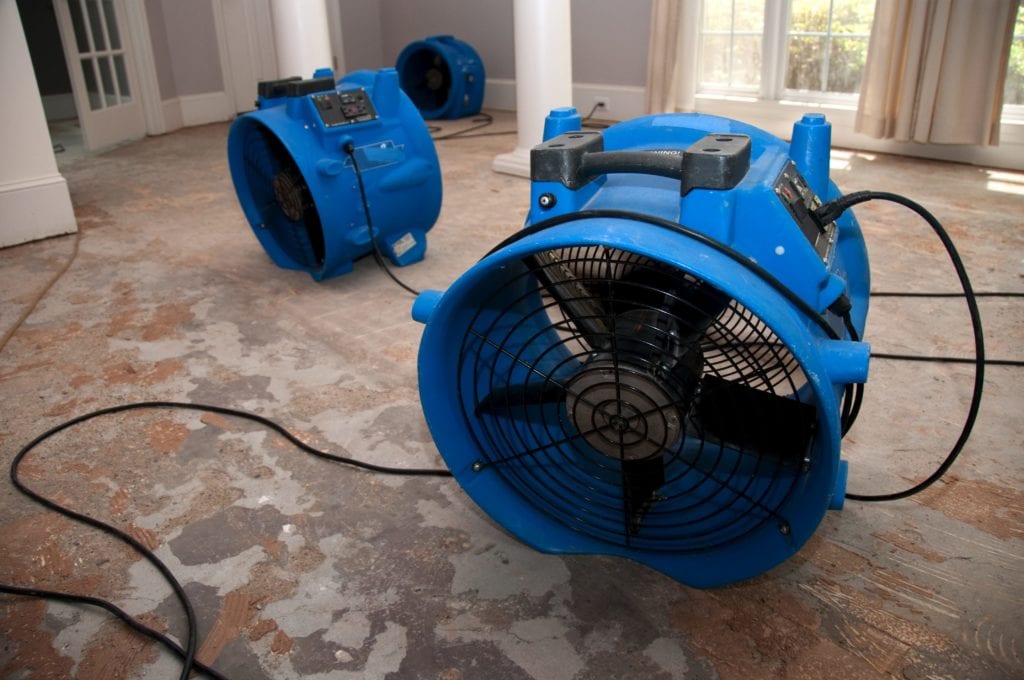
If you have just been victim of a flood or had a pipe burst in your home or office, you may have been told that Water Mitigation is the first thing you need to do. According to the Environmental Protection Agency, 13.7% of all water used in the home today can be attributed to plumbing leaks, so while water disasters tend to come by surprise, they are actually far from uncommon. Still being that leaks and floods are not planned, you may not be wondering what Water Mitigation is and why it’s so important. What is Water Mitigation? Water Mitigation is the process of alleviating or minimizing the level of damage or impact caused by water buildup resulting from a leak, flood, storm or burst pipe. It is easy now to understand why this is the first step to take. The more successful the water mitigation is the less water damage restoration will be needed. Water causes damage when it is left to sit. The risk of damage increases exponentially with the length of time the water sits in the damaged area. In addition to seeping into carpet or wood causing flooring damage, warping wood furniture and ruining objects lying around, water can seep into the foundation, travers up walls and create long term health hazards from mold and microbial growth which often shows up much after the damage and cleanup. Getting rid of the water as fast as possible can literally mean the difference between full irreversible damage and a smaller unpleasant experience. Often people will try to save by removing the water themselves only to discover later that water had seeped into places they missed or not dried out properly and a whole new slew of mold, mildew and additional related water damage issues require full gut removal and restoration. Therefore, calling a professional water damage restoration company is imperative. What happens when the professional arrives? As mentioned above, the first priority will be to remove any objects, furniture, appliances or machinery that can be saved. At the same time, the process of water removal using specialized machinery and water sensing equipment will begin. Once the water mitigation is complete, the restoration experts will be able to asses the damage and restoration requirements as well as assist with submitting insurance claims, providing information to the insurance adjustor, scheduling additional drying, applying mold prevention techniques, and completing restoration. Some companies offer just the emergency water removal, some will provide the whole restoration process, and some will actually provide a complete service from water mitigation and removal through restoration and remodel including insurance claims assistance. At NYTDR, we take great pride at being a full-service NYC Water Damage Restoration Company. Our expertise goes beyond the actual emergency cleanup and restoration. We work with the client to submit insurance claim, getting clients much larger coverage than they would on their own. We understand all the intricacies of both restoration and renovation including the invisible damage and required work and can therefore work alongside the insurance adjustor and get full coverage from home insurance companies often turning the water disaster into a blessing in disguise!
How to prevent mold growth after water damage?

Preventing Mold Growth After Water Damage While preventing floods and certain water damages can be hard due to the uncertainty in calamities, mold can be kept at bay. Mold is a particular type of fungi that grows in damp surfaces especially if the surface provides cellulose base to support its growth. The fungi start to grow within 24 to 48 hours as long as moisture is present. If you fail to dry the moisture, you might begin to notice mold growth on walls, the floor, insulation, ceiling, carpet, and wood. To secure the aesthetic integrity of your home and also your loved one’s health you may want to act quickly and prevent the growth of mold after flood. How to prevent mold after water damage After water damage, it is essential that you act rapidly to discourage mold growth. Before calling in the insurer and any professional cleaners, you may want to browse through your home and save any sensitive documents or gadgets. Once you have separated the most critical items from the rest, you could go ahead and call professional water damage restoration services. Professionals are better equipped and experienced to restore your home to sanity and also take the right measures into preventing mold growth. Here are the steps to take. Call the insurance company If you have been paying for flood insurance, let your insurer know of the happenings in your house. Take photos of the damage before moving any damaged property. This should help in filing for valid claims from the insurer. You will then separate the damaged and untouched items before deciding what to discard and what to restore. Your insurer may bring in professionals to take care of the restoration process depending on the policy terms. Drain all the water From a flood, you expect your home to be immersed in a sea, and simple tools won’t do the job. You could rent a specialized water vacuum or suction pump to remove the water from the house. You are better protected with some protective gear on, if the water is from a flood, a broken sewer, and other toxic sources. Contaminated water carrying chemicals and pathogens is harmful to your health. If you notice that the water is unclean, it would be logical to proceed with a professional cleaner by your side. Remove the damp rugs and carpets Wet rugs and carpets are a potential medium for mold growth. The rugs could take a longer time to dry off and could use some separate washing and draining to restore their conditions. It would be helpful to have the carpets steam cleaned to remove any contaminants soaked in the rugs and dry them in the sunlight to prevent mold infestations. If you decide to let the carpets stay in the house soaked in water, this may encourage mold growth that spreads underneath to the floor and other areas in the house. Remove the wet furniture Furniture can also serve as an excellent medium for mold infestation. Once all the water has been pumped out, also drag out all the furniture for some cleaning and drying. You could ask for manpower to help with the carrying of heavy and wet furniture. Let the furnishings dry completely before bringing them back into the house. Dry the wet areas in the house By now, almost every wet item is out in the sun drying, but your house still suffers from some wet spots. The draining step only draws the water out but doesn’t dry the surfaces. Even concrete soaks in moisture which later encourages mold growth. You could use dry towels and mops to soak in the water that the pump or vacuum couldn’t clear. Professional cleaners have industrial-sized fans that propel off all the excess moisture and creates an environment for the surfaces to dry quickly. The results should achieve drying walls and floors. Maintain the surfaces dry High humidity creates an excellent environment for mold growth. Your house’s humidity should be maintained at low levels to discourage mold growth. A dehumidifier can help maintain these conditions. If the weather is temperate and sunny, you could open all the windows and entrances to allow in adequate air that should support the right humidity levels. All these stipulations ensure that your home remains dry after draining the water. Disinfect all surfaces Be sure not to bring the wet conditions into the house when disinfecting the areas. You could use mold growth preventing cleaning solutions, bleach and detergent to make a solution that will clear any bacteria or possible mold growth. It could take a few days or weeks to get back things back to normal and ensure that mold won’t grow. Monitor Even in the event of all the preventive measures that you might have undertaken, mold can still grow. Here’s where the monitoring process comes in. Mold is evident through odor; a musty odor like that of dirty socks. Some types of mold are visible while some stay hidden behind walls, beneath sinks and may take sometime before a homeowner notices mold growth. There could be black or green streaks that appear along walls and ceilings that could indicate mold growth. The homeowner should be on the constant lookout for mold growth signs. Some manifest through unexplained health complications such as coughing, a runny nose, itchy skin, and watery eyes. If you start noticing these clear signs of mold growth, you may want to call in a professional mold remediation expert to help with the inspection and address the issue. After an inspection, if mold presence is positive, the expert should embark on mold removal thoroughly to prevent re-infestation. Can you dry the water damage yourself? Depending on the amount of water in your house, drying the house can prove to be a daunting task if the flood caused huge damages. Huge masses of water may cause detrimental damages that require the help of professionals to restore the home to order. If the water damage isn’t
Flooded basement – will my insurance cover?
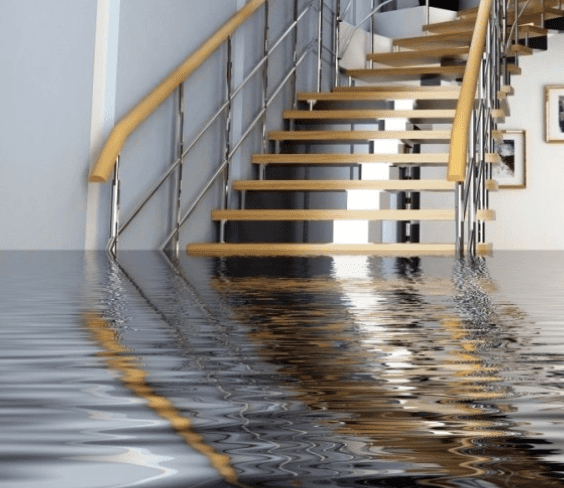
Flooded basements – what to do if a basement floods? Few things in a homeowner’s life are so stressful as a flooded basement. Unfortunately for your insurance, this is also among the most unclear situations you can face regarding insurance coverage and claims. Some causes of flooding the home owner’s insurance policy will cover, while others it will not. In those cases, you would need to have actual flood insurance to be covered. Emergency First Actions Following Basement Flooding There are a series of practical steps you should take if you find your basement unexpectedly flooded. The first thing to do every time is to turn off all power surrounding the area. This includes both gas and electricity. A golden rule is to not ever submerge yourself in any flooded area when the power is still turned on. If you can not turn off the electricity with certainty, then you should call an electrician first. When the water is not caused by rain, you should take immediate steps to rectify the situation. If a storm is causing the flooding, it is always best to wait until the storm is over before you start the work. No matter the cause of the water, you always need to wear gloves and boots as protective gear. Be careful moving and walking around flooded places as they often can cause slipping hazards. These are some steps you should follow in general when you are dealing with a flooded area: 1. Ascertain where the water is coming from – In cases where a burst pipe is to blame, turn off all water sources to the basement. 2. Many basements come equipped with a floor drain – ensure that it has not been clogged in the flood. Maintaining an open and fully working floor drain will help to remove the water quickly. 3. Begin manually removing the basement water – there are several types of pumps that are handy for forcing the water out of a basement. Pool pumps, sump pumps, and even wet/dry vacuums are all potential solutions for the job. You find sump pumps down in the lowest section of the basement. These function by draining the water out of the house. Sump pumps generally prevent water from entering through the ground level and coming into a home. An unexpected sump pump failure could lead to floods in more than just the basement. Once the majority of the water is out, you can utilize sponges and cloths to soak up the rest of the water. 4. Remove all damaged things from the basement over to a ventilated area for drying – Sunny spots are naturally best if you have them. Never attempt to dry wet items in the basement which is already a damp space. In well-ventilated areas, items generally require about 48 hours to dry completely. If they stay wet longer than this, they will begin to suffer from mildew and mold accumulation. You should carefully inspect them thoroughly after the 48 drying period to determine if they need to be thrown out. Wet cardboard boxes are especially good candidates for bacteria and mold. You might salvage what was in the boxes before throwing the boxes themselves away. Calling In A Professional Is Always A Sensible and Safe Idea Because of all the things that can go wrong in such a cleanup job, it is never a bad idea to bring in a professional. You should never touch anything electrical that is wet, even after electricity has been both turned off and disconnected. Stereos, televisions, and lamps are all extremely dangerous things to touch in floods. Electrical equipment should be left to dry where it is standing or resting. Electricians are the best professionals to call in cases where thee are potentially damaged electronics and electrical appliances. Does Insurance Cover Flooded Basements? Once you have addressed the damage, the nagging, critical question arises: Who is going to pay for all the mess, cleanup, and damage? The question about insurance responsibility depends entirely on what caused the flooding in the first place. Here are some causes that would be covered by typical homeowner’s insurance policies: Broken Appliance Flooding – when the A/C, washing machine, or refrigerator malfunctioned and caused a room to flood, standard homeowner’s insurance policies will cover the water damage. The caveat surrounds proper maintenance. If the appliances are not properly maintained, then they may argue is your fault. Leaking Water Heater Flooding – Leaky water heaters would be covered by a homeowner’s insurance policy. Once again, the insurance company may try to disqualify the claim based on any poorly maintained water heaters. Bursting Freezing Pipe Leaks – Insurance policies cover bursting pipes that freeze. This includes appliances, sprinklers, and A/C/ units. The only requirement is that you must be occupying the house when it floods. Overflowing Pools, Tubs, Sinks Floods – If something overflowed, your insurance policy will also cover this damage. They call this “sudden and accidental” so all destroyed items will be replaced. Other incidents will not be covered by standard Homeowner’s Insurance Policies. These include situations like: Floods from heavy rains and storm surge – nature caused flooding is never covered under a standard Home Owner’s Insurance Policy. Only flood insurance will help in these natural causes. A good sump pump is the best remedy for these cases. Sewage Backing Up Floods – When your external sewer backs up into the basement, you can not count on your Homeowner’s Insurance Policy. Such a sewage backup will be among the most expensive disasters your home can suffer from. Sewage backups can cost even hundreds of thousands of dollars in repairs. Underground Water Seepage – This is usually not covered. Saturated ground can force water into the basement. The importance of using a professional in terms of ensuring water removal is done right can not be overstated. Steps To Ensure No Mold Occurs and Complete Restoration Results There are a number of steps you should follow to make sure
Tips to Prevent Water & Fire Damage and other Home Disasters this Holiday

The winter holidays are supposed to be joyful and packed with friends, family, and delightful festivities. Yet the unfortunate side effects of so much decorating, cooking, and celebrating often lead to possibly serious dangers in your house or apartment. The way to avoid a tragic conclusion to your festive season is to be aware of and prepared for the various risks that the holidays and winter season inevitably increase. In this article we look at the best ways to avoid fire, water, and other domicile disasters over the holidays. The Dangers Involved in Living in New York City Are Real You should not ignore the fact that more than 28,000 individuals living in the average square mile of New York City means there are real dangers to your health you need to consider. For all the thrill and opportunities that living in the city provides, it also dishes up an unhealthy serving of congestion, pollution, and the ill side effects of so many tall buildings and skyscrapers. The largest city in the United States is justly famous for a wide range of things. Clean, healthy air to breathe is not among them. You do not have to look far to see smoke plumes curling from neighboring rooftops or to smell the fumes from too many cars and trucks exhausting in one city. Observers have pointed out for years that this high level of air pollution means significant health risks for inhabitants. It leads to a variety of ills over time such as lung cancer, heart disease, and asthma. NYC has estimated that as many as 2,700 yearly premature deaths can be blamed on fine particles in the air. To put this into perspective, this is eight times higher than all of the annual murders in New York for year 2013. Besides your everyday varieties of pollution, congestion, skyscraper fires, and crime dangers, you also have a lingering chance of having your children suffer from lead poisoning effects. Whether you live in an affluent or a more humble section of the city, thousands of children per year are still diagnosed with the heartrending and long-lasting terrible side effects from ingesting or breathing in lead-based paint particles and dust. These include often permanent brain damage, problems with fine motor skills, speech difficulties, and more. The best remedy for this particular threat is to have your apartment or house tested for lead based paint. It becomes dangerous if it is peeling and you have children of six years of age and younger living there. Typical Home Disasters that Are Far Too Prevalent During the Holiday Season Besides the normal year-round dangers of life in the city, there are also a range of home disasters that are most prevalent in the usually joyous holiday season. Two of the most common of these are fire and water damage, but there are others including ensuing mold, carbon monoxide poisoning, and even increased chances of becoming a victim of burglary. The National Fire Protection Association warns that structure fires caused an incredible $10.3 billion worth of property damage in year 2015 alone. The risks of such a fire breaking out around the holidays and winter season are significantly higher than other times in the year. Fires start from many causes that are not always so obvious. An average of 8,200 different home fires are reported because of candles (every year on average from 2012 to 2016). The three most likely days to suffer from a candle fire turn out to be Christmas, New Year’s Eve, and New Year’s day too. Cooking fires are another common cause of preventable tragedies. The second and third most frequently reported cooking fire days in a year are Christmas day and Christmas Eve. The specific cause of such senseless and often dangerous or even lethal fires is unattended cooking. Another fire hazard to be particularly aware of around the holidays and winter months when they are most common are dryer fires. You should never leave your dryer running while you are away from the house or at night while sleeping. Water disasters, damage, and resulting mold are a second significant risk around the holidays and winter months. Frozen pipes are the prime culprit. They lead to burst pipes that can create enormous damage and completely ruin your holidays. Apart from potentially having no water at this time when cooking, washing, and other needs are so necessary, there are other potentially terrible results including the formation of sometimes hidden (but usually) toxic mold. Frozen pipes can be prevented in many cases. They most commonly result from thermostats that you set too low, poor insulation of your piping, and sudden or rapid temperature drops. Two other dangers to be on the lookout for this winter and around the festive season include carbon monoxide poisoning and burglaries. With heat and furnaces running constantly this time of year, there is always an increased danger of lethal amounts of carbon monoxide building up inside your home or apartment. You can buy carbon monoxide monitors to place in your bedrooms to prevent this senseless tragedy that leads to death in far too many cases. Where burglaries are concerned, the holidays unfortunately bring an increased number of incidents of break-ins and robberies. This is particularly the case in large cities with significant crime issues. Now is the time to ensure that you lock doors and windows securely and set your alarm systems whenever you go out. Tips to Prevent Becoming A Senseless Victim This Holiday Season Fire and water-related disasters are dangers that you can mostly prevent if you take some basic precautions. With fires, there are many prevention tips that make great sense. Start with a basic one of only plugging in a single high watt appliance at once. This prevents dangerous overloading. You should never allow extension cords to become pinched in tight areas such as between furniture so that wires do not suffer damage and become shock and fire hazards. Flammable objects should not be
What to do after Water Damage in NYC Apartment
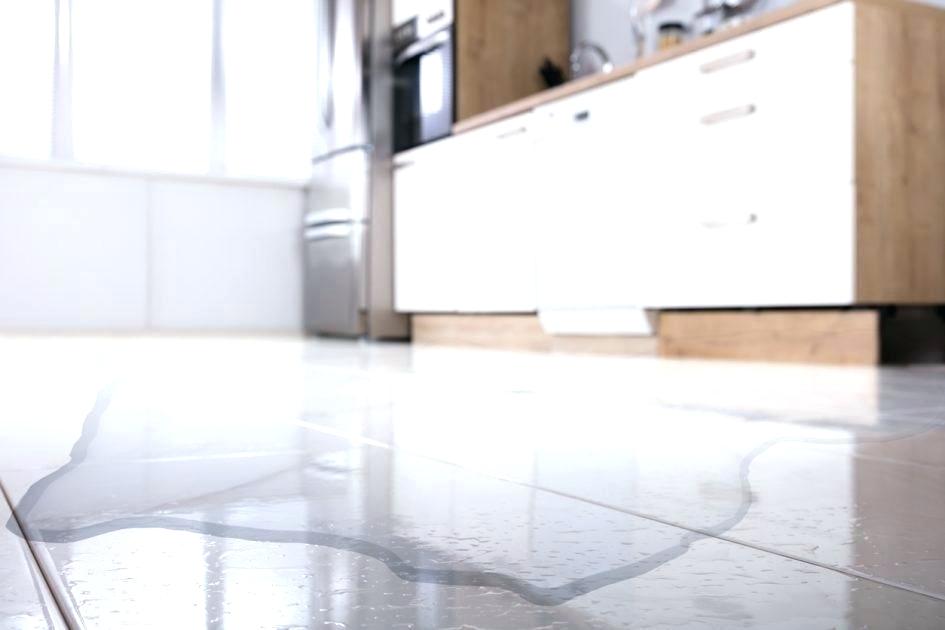
Water Damage is not something you can really prepare for or always avoid. A sudden flood or discovery of a water damage from an underfloor leaking pipe can be a cause for significant damage and stress so knowing what to do when disaster strikes to minimize the short- and long-term damage is important. Renters Insurance Living in NYC may very well mean living in a rental and almost definitely means living in a building shared with others. In addition to your own disasters, water damage can affect you if your neighbor doesn’t fix their leaky toilet, leaves the bath to overflow or has flooding that seeps through their flooring to your ceiling. Whether your landlord demands it as a prerequisite to moving in or not, renter’s insurance is something anyone who rents an apartment or house should have. There are different coverages, ranging from covering just structural damage to walls, floor and pipes, to personal content cover and even alternate rental arrangements while restoration is done. Depending on your lease and what your landlord covers you will want to ensure between the two you are fully covered in case of water and fire damage. Landlords Insurance – Water damage home insurance As a landlord you have both legal, moral and financial responsibilities to ensure the property meets certain standards. Dealing with natural disasters, hidden leaks and water damage from neighbor’s floods and burst pipes is likely to come up in addition to regular property maintenance and upkeep. Landlord insurance policies should make sure that your property is insured adequately against any liability you may come across and offers options that are suitable to your unique budget requirements and property needs Make sure to read the fine lines of your home owner insurance coverage so you understand what is or isn’t covered. When inquiring about different insurance policies make sure to ask question like does homeowners insurance cover water damage? Is water damage caused by negligence, like leaving a bath running covered? Is mold resulting from dampness or water damage included? Be smart and find out apartment water damage laws and landlord responsibilities so you know you are covered in case of flooding or other water fiascos. When Disaster Strikes The first thing to do is stop the flow. If a pipe has burst or drain is blocked turn off your water mains, attempt to seal or at least contain the water. Get valuables and as much as you can out of the water. The faster you get things away from the water the more likely you are to save them or at least minimize the damage. In case of a flood move things as high as possible or out of the apartment if you can. Call an Emergency Water Restoration Company (or contact your insurance company to see if they have one) to carry out water extraction and drying. If renting, contact your landlord or management to see if they have any agreements or companies they use. Once the water has been extracted as much as possible, you need to ensure the next stage of water damage restoration is carried out. You may be aware of the damage that you see was done but unfortunately with water there is a lot more potential damage than meets the eye. If the ceiling, walls, floor, cabinets etc. are not completely dry, dampness can lead to mold. Contaminated water can also be potentially harmful, and you will need an expert using specialized equipment to really inspect and evaluate what needs to be done in terms of remediation and restoration. Your insurance company may have their own adjustor or allow you to bring an evaluation from your own adjust regarding the restoration work and damage costs. Unfortunately, this is where a lot of people lose out. You need to be sure the adjustor and the water restoration contractor are of agreement to the true nature, damage and costs involved. Insurance companies will always look to save – which in the long term may cost you. Sometimes an external adjustor or advice from professional contractors can help you get significantly more from the insurance company so choose your restoration company with care. Whether you are a tenant, landlord or home owner, taking the necessary steps to be covered in case of flooding, water damage or other water related problems and knowing what to do when they occur will help to lower stress levels, minimize damage and maximize the coverage of restoration and renovation from your water damage insurance provider.