
7 Steps to Tackle Leaks in Your NYC Apartment

Living in the heart of the Big Apple is exhilarating, but when leaks make an unexpected appearance in your bathroom or kitchen, it can feel like a soggy curveball. Fear not! New York Total Damage Restoration (NYTDR) is here with a roadmap to help you navigate the watery wilderness. Let’s dive into 7 steps to conquer leaks and reclaim the sanctity of your NYC apartment. Locate and Tame the Leak: The first order of business is to play detective. Identify the source of the leak – it could be a sneaky pipe, a leaking HVAC system, a rebellious faucet, or an elusive culprit. Once found, take immediate action to contain the leak. Turn off the water supply if necessary to prevent further trouble. Document the Drama: Before the restoration heroes arrive, document the damage. Snap some photos or a quick video. This visual record will not only help us tailor our restoration plan but can also serve as valuable evidence when dealing with insurance later on. Power Down the Electricity: Safety first! Water and electricity don’t play well together. As a precautionary measure, turn off the electricity in the affected area to steer clear of any potential hazards. It’s a small step that goes a long way in keeping you, your home, and our team safe. Clear the Stage: Now that the leak is contained, clear the stage for our restoration maestros. Move belongings and furniture away from the affected area. This not only safeguards your valuables but also gives our team the space they need to work their restoration magic. NYTDR Takes the Spotlight: Time to let the pros do their thing! NYTDR’s seasoned experts will swoop in, assess the damage, coordinate with your insurance, and craft a personalized restoration plan. From water extraction to structural repairs and nipping mold in the bud – we’ve got the playbook. Stay in the Know: Waiting for your haven to be restored can be a nail-biter. Fear not! NYTDR believes in keeping you in the loop. Expect regular updates on the progress – we’re all about transparency and ensuring you have the peace of mind you deserve. Remember, leaks might be the uninvited guests in your NYC apartment, but with NYTDR on speed dial, they won’t overstay their welcome. From detection to restoration, consider us your one-stop shop for turning leaks into tales of triumph. Ready to conquer that drip? NYTDR is just a call away, because in the city that never sleeps, neither do leaks!
How to Repair and Prevent Bathroom Water Damage

There’s no doubt that water is the key to life, but this theory doesn’t apply to the inside of your home. The damage can quickly disrupt your life, making your home a health hazard. Water damage is unique as it builds up and worsens over time, eventually distorting frames and floors, cracking tiles and sealant, and softening ceilings and walls as mold thrives. Excess water seeps into tiny cracks and pores, so even small amounts can cause irreversible structural damage with time. Such damages are widespread in bathrooms where water and moisture are perpetually present. We often overlook the process until significant damage, like cracks and bulges, catches our attention. If you face water damage in your bathroom, this article demystifies how to repair and prevent recurring damage. Recognizing Water Damage in Your Bathroom The absence of obvious evidence of water damage doesn’t mean it’s not present. Some warning signs can hint at underlying issues since the damage lurks under floors and behind walls. If you notice one or more of these signs, there’s a high chance your bathroom has water damage: § Soft or Spongy Floor One of the earliest signs of water damage in your bathroom is a soft spongy feel when you step on the floor. Most subfloors consist of a plywood subfloor which is highly water-absorbent. The plywood absorbs water, which causes the wood to soften and swell. This damage is most common on the floor near toilets and bathtubs. § Moldy or Musty Smell A moldy or musty smell in your bathroom can indicate water damage. Inspect your bathroom to identify the source if you notice such a smell. § Stubborn Mold or Fungi If mold keeps re-growing after cleaning it, you may have some underlying water damage. § Damaged Paint, Drywall, or Tile Issues Water can move a long distance through the subfloor or walls, so the leak may be further than where the visible damage appears. Look for blisters and damaged or peeling paint on your walls. Moisture seeping behind your walls can also cause the drywall to bubble or warp and tiles to loosen. How To Repair A Water-Damaged Bathroom If you notice any signs of water damage, it’s best to address the issue quickly. Procrastinating could cause irreversible damage and make your home a health hazard for your loved ones. 1. Thorough Mold Inspection The first step when dealing with water damage in your bathroom is conducting a comprehensive mold inspection. You can identify mold in your subfloor or drywall by stains on surfaces and walls and a musty smell. If you think the signs of water damage on your floor or walls are due to a more extensive mold infestation, the best move is to work with qualified water damage experts like NYTDR. These experts have the proper knowledge, skills, experience, gear, and tools to conduct thorough inspections safely. They will handle the damaged items and repair the damage, leaving your bathroom in a better state than before. 2. Room Preparation Once the experts remove the mold, you can prepare materials for the repairs and renovation. You can start by shutting off the main water valve to avoid causing further damage during the repair process. If you have furniture like a vanity and portable items, it’s best to remove them from the water-damaged bathroom. Working with industry experts with experience in bathroom restoration is a great way to save on restoration costs for damaged items like your bathroom vanity. 3. Fixing the Drywall If the water damage has affected your bathroom’s structural integrity, ensure you contact certified contractors to help with the renovation. You can DIY the repair using a keyhole saw and hammer for minor damages. You can cut the affected areas in a rectangular or circular shape to simplify the patching process. You’ll need some clips to hold up the new pieces as you secure them with joint compound and tape. Once the patches dry, you can sand and paint them to match the surrounding drywall. 4. Repairing the Floor Once the drywall repairs are complete, the next step is clearing the debris to prepare the bathroom floor. Rather than removing the damaged tiles, vinyl, or flooring and exposing protruding screws, nails, and baseboards, let experienced professionals handle this next step. The team will handle the removal and replacement of any type of flooring. 5. Installing the Fixtures With your floor and walls all done, it’s time to install new fixtures like toilets, cabinetry, sinks, shower heads, and any other items you need. If you fancy new lighting or smart devices, this is your chance to build your dream bathroom. How to Prevent Water Damage in Your Bathroom Although it can be challenging to keep your bathroom dry, you can prevent further or future water damage by: § Repairing or Replacing Missing, Cracked, or Broken Tiles Water can quickly seep through damaged tiles on your walls and floors, causing water damage. Your bathroom restoration should include replacing such tiles to avoid undoing the repair work. § Regularly Inspecting the Floor for Excess Water. It’s essential to keep checking the bathroom floor to ensure all the water drains away after using the shower or bathtub. Placing a bathmat on the floor can help absorb the excess water. § Regularly Checking for Signs of Leakage It’s best to schedule regular inspections to check for signs of leaks like moldy walls or ceilings, discoloration, and paint bubbling. You can feel the walls for soft spots and walk barefoot across your floor. Remember to check areas under sinks and vanities where water could pool. § Inspecting the Grout and Sealant Sealants and grout ensure that bathroom fittings like tiles, bathtubs, and shower cubicles remain in place. Regular exposure to heat and moisture can cause wearing and cracking, which allows water to seep through. You can clean the area and remove the damaged grout if you notice extensive damage. Allow the area to dry well before installing a new layer to prevent
How to Check for Water Damage in Your Apartment

Are you wondering if there is water damage in your apartment? Water damage is a common problem that can cause major long-term issues. Knowing the signs and how to check and prevent it will help keep your home healthy and potentially save you money. Let’s explore the top causes of water damage, how to identify signs of water damage, and the steps to check water damage in your apartment- including hidden areas. Let’s get started! Common Causes of Water Damage in a Home Water damage in a home can be due to many different factors. For example, leaky pipes, leaky AC Unit, and overflowing sinks are the most common causes of water damage. Natural disasters and heavy rains can cause floods that lead to water damage. Problems such as faulty gutters or downspouts can also allow rainwater to enter your home. Such issues cause significant water damage over time. Finally, poor home maintenance can also cause severe water damage. For instance, failing to clean out gutters regularly or not checking for signs of leaking pipes can also lead to costly repairs due to water damage. It’s best to keep all these causes in mind when trying to prevent any potential long-term issues related to water damage in your home. Signs of Water Damage on Walls Water damage on walls can be hard to spot if you don’t know what you are looking for. One way to tell is by looking for discoloration or staining on the paint and wallpaper. Such signs may indicate that there has been a leak somewhere in your home. Bubbling or peeling paint strongly suggests leakage in the pipes beneath the walls. The leaking water seeps through the paint and wall, causing the bulge. You should also check for signs of mold growth, as this indicates that moisture in your walls could lead to further damage over time. If you notice any bulging or soft spots on the walls, it could also indicate water buildup behind them. For instance, you can press drywall in areas you suspect to see if it softened. If the area caves in, you likely have water damage inside the wall, even if the outside looks normal. Finally, keep an eye out for any cracking or warping due to moisture seeping from outside sources such as rainwater or flooding. These signs are severe and require immediate attention to prevent further damage. Ensure you seek professional assistance immediately from experienced remodeling contractors such as NYTDR. Such experts understand how important it is to identify potential water damage issues early. They’ll address them quickly and effectively with minimal disruption and cost. A team will visit your home for a comprehensive inspection. It includes checking for signs inside walls, floors, ceilings, and outside gutters and downspouts. They’ll check all areas where structural integrity can easily get compromised by hidden leaks over time. Compromised integrity can lead to costly repairs down the line. With expertise in local regulations, you can count on the experts to ensure your home remains safe and compliant with all applicable laws. Signs of Water Damage on Floors and Ceilings When it comes to water damage on floors and ceilings, the most common telltale sign is discoloration or staining. The discoloration could be due to a leaky pipe or a flooding issue that has gone unnoticed for some time. Another indication of water damage is the warping or buckling of the flooring. If you notice warping, it may be a sign of too much moisture in your home for an extended period that causes the wood to swell up. You also want to look for any visible mold growth, which could indicate a moisture problem. Finally, if you see any cracks in your ceiling or walls near the water pipes, this could indicate that something needs attention before further severe damage occurs. Other signs of water damage in your apartment include: § Damp Odor Some symptoms of water damage are not visual. One of the most noticeable non-visual signs is your home’s strong mildew or damp smell. Smelling mold in a room often indicates water damage within the walls. Although most older homes naturally have a slightly damp smell, it should be a subtle odor. If you notice a strong odor in any room, it’s best to have a professional conduct a thorough investigation. § Unusual Sounds Strange as it may sound, it’s possible to hear water leaks in your apartment. One of the simplest ways to check for signs of a leak is by listening. For instance, you can switch off all electronics in your home on a rainy day and stand in the room where you suspect a leak for a few minutes. When listening to the rain, it should sound like the water is sliding off the roof. Dripping water has a different sound than sliding water. Checking Water Damage in Your Home or Apartment If you live in an apartment, it’s crucial to stay aware of potential water damage. You can take several steps to check for signs of water damage and take action before the issue worsens. First, inspect any exposed pipes or fixtures for signs of leaking or dripping. If there is evidence of a leak, contact your landlord immediately so they can arrange repairs from qualified professionals. Also, inspect ceilings and walls near plumbing fixtures. Check for discoloration or staining, which could indicate a hidden leak that may not yet be visible. Finally, if you have carpets in your unit, ensure you periodically check underneath them for signs of dampness. It could indicate moisture seeping up from the floor below. Taking these simple steps will help ensure that you identify any potential problems with water damage in your apartment early on and to address them appropriately. If you’re a homeowner, you likely have a homeowners insurance policy. The home insurance policy should cover the costs of repairing the affected areas and replacing the damaged items in your home. Most renters also have a
Leaking Appliances and Why it is important to fix

Most homeowners think of water damage as flooding during a storm or a burst water pipe in your home. But did you know that household appliances also carry the risk of water damage? Appliances damage can come from your washing machine, dishwasher, ice maker, refrigerator, water heater, or air conditioner. How do you spot leaking appliances, and what should you do about them? This guide will help you navigate water damage and restoration from leaking appliances. How To Identify Leaking Appliances Suppose your appliances are brand new and installed correctly. In that case, all connections to water, such as feed and drain pipes, should be watertight. But if you have faulty installation or old appliances, here are a few things to check for water damage: Worn hoses Faulty pipe connections Water pooling on the floor around the appliance Dripping noises Damp or mold smell As soon as you spot these signs of leaking appliances, take the steps below to minimize appliance damage and save your home. Step 1: Turn Off the Appliances If the leaking appliance is your refrigerator, HVAC, or water heater, unplug or switch it off completely. The last thing you want is for the leaking water to reach the electrical supply. Step 2: Turn Off the Water Supply If the leaking appliance is your dishwasher or washing machine, turn off the water main to cut off the supply. This is the best way to move the device without flooding your house. Step 3: Remove the Moisture Drain the supply pipes into a bucket or sink, and clean the leaked water from the walls, floor, and appliances. Next, check the surrounding areas for water damage, such as warped floor panels, peeling paint, mold, and mildew. Step 4: Call the Experts Contact a qualified appliance servicing company to inspect your leaking appliances. You may discover that you only need to replace a few parts to stop the leaking. Check your warranty and homeowners insurance for options if you need to replace your damaged appliances completely. You may also need a professional restoration company to inspect the water damage in your walls, floors, and pipes. Only a professional damage restoration company like NYTDR will fix the damage and guarantee no more leaks for decades to come. What About Water Damaged Appliances from Flooding? Appliances springing a leak is one thing; flood damage is another. No homeowner wants to come home to the loss and devastation of a storm or hurricane. The first thing to know is that even if your home looks intact after flooding, there’s still significant risk lurking beyond your sight. For example, gas and electrical lines can shift, mold takes hold inside your appliances, structural damage to your property, and more. So how do you handle appliance damage after a flood? 1. Don’t Turn Your Appliances On Instinct tells us to turn on our appliances to see if they’re still running. But after a flood, this is extremely risky. Don’t switch the lights, flick a match or lighter, plug in your appliances, or turn on the HVAC. Instead, call your utility companies to turn off the power, water, and gas. You want to minimize the chances of fire and electrocution. Note: Your HVAC needs extra precaution because it can quickly spread mold into your home. Even if it remains intact after a flood, don’t turn it on until it’s professionally inspected and cleaned. 2. Get A Professional Appliances Damage Inspection Instinct also tells us that if the appliances dry out, they’re still functional. But unless a professional water damage expert inspects them, you can never know the true extent of the damage. Whether your appliances survive a flood depends on: Which components get submerged or exposed to water How long they were in contact with water Whether the water gets contaminated with sewage or mold Without this information, you can short-circuit your appliances or electrocute yourself. 3. Check for Mold in Your Fridge and Freezer Regarding your refrigerator and chest freezer, the insulation may get exposed to water damage during a flood. Unfortunately, insulation dries out slowly and becomes susceptible to mold. Again, only a professional appliances damage expert can determine if your fridge and freezer are safe to use. 4. How To Prevent Appliances Damage Water damage from leaking appliances is easily preventable with a few precautions: HVAC Water Damage: Add a float switch to keep your HVAC drain pan from overflowing. Insulate your ductwork properly. Check the refrigerant every few months. Clean your air filter every few months. Washing Machine Water Damage: Install a flood sensor to automatically shut off the water supply and alert you if there’s water under the washing machine. Install a drip tray under the machine to catch and drain excess water. Install a single lever or automatic shutoff valve to turn off the equipment if it leaks. Dishwasher Water Damage: Check the kick plate for dampness or dripping water while the dishwasher is on. Check the water pipes, drain hoses, valves, and seals for wear and tear when the dishwasher is off. Check the gasket around the dishwasher door for damage, dirt, or dryness. Unclog the dishwasher drain and clean the drain basket. Refrigerator Water Damage: Install a water alarm behind the fridge to sense leaks and drips. Adjust the legs or add shims to ensure your fridge sits level on the floor. Clean the drain tubes to remove dirt or clogs. Tighten any loose pipes leading to your ice maker. Replace plastic ice maker pipes with a stainless steel braided pipe. Note: As a general precaution, do a self-check home inspection twice a year and a professional home inspection every three to five years. Make a habit of inspecting your home to help you quickly identify and prevent damage. Call NYTDR When You Need Professional Water Damage Restoration The above tips can go a long way to prevent water damage from leaking appliances, but they’re not 100% foolproof. You may go away on vacation or travel for work,
How to Prepare Your Home for a Hurricane or Storm?

Flooding due to heavy rain, storms, and hurricanes has been more frequent and severe in the last few years. More communities in New York suffer devastating results due to global warming, high urban populations, and old drainage systems. Hurricanes often cause severe damage. While they are out of our control, it helps to prepare for such occurrences to protect your loved ones and valuable assets such as your home. Waiting until a hurricane warning or watch gets announced could give you limited time to implement some precautions. It’s easier to prevent water damage and overcome any emergency with prior preparation. So, what does preparing your home for a hurricane or storm involve? Read on for some insightful tips to help you brave the next hurricane season. Preparing Your Home for a Hurricane or Storm Hurricanes become increasingly dangerous due to the high wind speeds and intense rainfall. It’s essential to keep these two aspects in mind when preparing your home. There are various ways to ensure your home withstands the next storm or hurricane, such as: 1. Leak-Proofing Your Roof Minor leaks may not be concerning in typical weather. However, they can become catastrophic in a storm or hurricane due to the massive amounts of rainwater. Roofs often have no defense against high-velocity rain and harsh winds. Most homeowners notice some leaks or missing decking and shingles after a hurricane. The leaks can also lead to your roof sagging in some areas, which can cause the roof to collapse. Before hurricane season starts, it’s essential to have professionals conduct a roof inspection. You can use roof sealant to patch up any gaps that could leak. If your roof has shingles, have the experts inspect to ensure they are in good condition and replace any broken or missing pieces. Using hurricane straps or truss tie-downs, you can reinforce your roof against strong winds. 2. Cleaning Your Gutters The condition of your gutters is also vital in a storm or hurricane. Clogged drains may cause worse water damage than having no gutters during heavy rainfall. Gutters need to remain clean and well-maintained to function effectively. With the anticipated high amounts of water, your gutters will help direct the excess water away from your foundation. There’s always a risk of an accident when climbing on your roof. Hiring trained professionals to inspect, clean, and repair gutters is best before the next hurricane. 3. Protecting Your Doors and Windows Windows and doors have a higher risk of damage due to high-velocity winds. The wind often carries objects such as branches and patio furniture that could potentially fit through. The best way to minimize the risk of hurricane damage to windows and doors is to install storm shutters before the storm season. If you’re working with a limited budget, you can nail plywood sheets over the openings to help fortify the weak points. The plywood thickness should be about ⅝-inch (172.72 cm). If the material surrounding your doors and windows is vinyl or wood, ensure you measure the plywood to have a one-inch allowance on all sides. This allows you to drill holes into the plywood without damaging the frames. You can use a drill to drive screws into the plywood at intervals of 16 inches (40.64 cm). If you have a stucco or brick home, it’s best to position the plywood to fit the frame rather than nailing it on top. Avoid using screws and use barrel bolts instead. 4. Preparing for Power Blackouts Hurricanes cause blackouts by corroding electrical wires, flooding buildings, or knocking down power lines. You can prepare for a power outage by buying a portable generator to power your home. However, generators require precautions because they run on fuel like propane. For instance, placing it near your house can cause toxic levels of carbon dioxide inside your home. 5. Stocking Up on Supplies Hurricanes can damage infrastructure, making it challenging to reach food and drinks outside your home. § Ensure an Adequate Fresh Water Supply Floods can contaminate or cut off regular tap water. The water may be available but unsafe to use due to drainage issues. It’s best to pre-stock bottled water ahead of the hurricane season. Hurricane preparation guidelines recommend ensuring a three-day water supply for every person in your home. This is equivalent to one gallon a day for every person. The FDA proposes stocking a two-week supply for more flexibility if you have the space and resources. § Buy Non-perishable Foods Non-perishable foods are the best for hurricane or storm preparation because they don’t need refrigeration. Ensure you have various canned, tinned foods, eggs, noodles, and dry cereals. It’s also essential to consider how to cook your meals without electricity or gas. Ensure you plan for whole meals that don’t require cooking. You can also buy a portable or camping stove to cook the canned meals. They can function without electricity, but watch out for carbon dioxide poisoning when cooking indoors. 6. Having an Emergency Kit The effects of a storm or hurricane linger long after it clears. Every case is different, so estimating how long repairs will take isn’t easy. Water and electricity outages can take days, if not weeks, to address. An emergency kit helps to prepare your family for extended periods without running water and electricity. An emergency kit should have: A fire extinguisher A lighter or matches in a waterproof bag A charged cell phone and extra battery Non-perishable foods and water A radio Some cash in case banks and ATMs are offline Mosquito repellent Prescription medications Pet medication and food First aid items, like antibiotic ointments, bandages, and pain killers Flashlights and spare batteries Essential documents in a waterproof bag Extra gasoline if your generator uses gas Full gas tank in your car in case of blackouts at local gas stations Pliers or wrench to turn off utilities, like your gas line 7. Reviewing Your Insurance Policy New York is prone to flooding, so flood insurance is smart. It’s essential to go through
How to Fix Water Damaged Wood

Water damage is always a tragedy, but more so for your precious wooden floors. Even with good finishes, wooden floors can still soak up water, bend, discolor, or harbor mold. What can you do if you have floor damage from excess water? Let’s look at how to identify water damage and how to fix it. Signs of Water Damage Water damage can happen suddenly, like during a flood or slowly from leaking pipes. Some warning signs of floor damage include: Stained or discolored wood Cupping (planks curving upward on the edges) Crowning (planks curving upward around the middle) Twisting (planks bending in different directions) Lifted nails Lifted floorboards Black streaks or patches of mold As soon as you notice these signs, you may have a steady water source damaging your wooden floors. How to Fix Water Damaged Wood in 8 Steps 1. Find the Water Source What is the main cause of your floor damage? In the case of a basement flood after a storm, the damage is sudden and extensive. But if it’s due to indoor sources, discover where the excess water is coming from. Sinks, AC units, and drains are common spots for water to accumulate. However, a faulty appliance like a fridge or freezer could be shedding extra water onto your wooden floor. A burst pipe could also leak water behind your walls and accumulate in the baseboards. Check your plumbing if there are signs of water damage but no obvious source. 2. Dry the Floors Turn off the faucets, leaking appliances, or central water supply. Remove the floor carpets in case of a basement flood. Open the windows to encourage air and heat circulation. Use a towel or a wet-and-dry vacuum cleaner to soak up excess water from your wood floors. Remember that wood is a porous material, so the longer water remains on the surface, the more the water damage. Add a box fan, dehumidifier, or a heater to increase the drying speed. 3. Assess the Damage Inspect the floor damage as soon the wood is dry. You’ll clearly see the extent of the cupping, crowning, or warping on the wooden planks. A dry surface also helps you to know whether the water damage is superficial or not. Floor damage depends on: The type of water: Clean water affects wood differently than greywater, saltwater, and blackwater. External visibility: Clearly visible floor damage typically means greater damage. But in some cases, the wood surface may still look relatively intact, but the rot has already taken hold underneath it. Duration: The faster you can get rid of the excess water, the better your wood floors will be. 4. Call Insurance Once you have a good assessment of the basement flood damage or hardwood floor damage, it’s time to talk to your home insurance provider. Check if your insurance policy covers the repairs or replacements. If so, hire a water damage company for an accurate assessment and recoup the cost. If not, decide whether to DIY or call in a floor restoration expert. 5. Decide On the Best Way Forward Depending on the extent of the floor damage, you must choose between repair or replacement. Consider the type of wood, the type of finishing, and the amount of water damage. You can repair that section alone if the damage isolates to one spot, like around the kitchen sink. But if there is extensive water damage because of flooding, you may need to replace your floors completely. This is where a flooring restoration expert comes in: what looks disastrous to you may be manageable to an expert. Instead of replacement, you could sand the floor to remove the visible water damage, replace individual planks, or refinish the floor to match the original look. Note: Only an expert can handle the water damage restoration on any structural support like beams or frames. Any DIY attempt could damage your home’s integrity, leading to much greater losses. 1) Choose the Best Floor Damage Expert A floor damage expert gives you peace of mind through: A thorough water damage inspection An accurate quote or estimate for the restoration Experience working with insurance companies. A professional flooring expert will put your needs and budget at each step first. Smaller repairs should only take a few hours with no inconvenience to your schedule. A complete basement flood repair may take longer, but always negotiate the best time and cost to fix your property. 2) Prevent Further Water Damage Here are some tips to keep water damage at bay: Get into the habit of removing surface water from your wood floors as soon as you see it. Use a wet-and-dry vacuum cleaner or an absorbent cloth to soak up all spills from your wood floor. When you scrub your wood floors, use as little water as possible. Don’t pour water onto the floor: instead, sweep up the dust and dirt first, and then use a damp microfiber mop to pick up any remaining debris. Open the windows and doors, or use fans to dry the floor slowly to keep your wood floor from cracking. In case of stains, use oxalic acid to remove them and restore your wood surfaces gently, 3) Keep an Eye Out For Water Damage Water damage can sneak up on you, so it’s always best to be aware of the signs. Any changes in the shape or texture of your wood floors, or discoloration and stains, all signal water damage. Spot these symptoms early enough to save your floors in time. Those said, if you live in a hurricane or flood-prone area, clear the water from your wood floors as soon as it’s safe to do so. Fix Water Damage with NYTDR Don’t let your water damage go unattended. New York Total Damage Restoration (NYTDR) is here to help. We specialize in water damage restoration, from insurance management to expert design and contract work. Our team of fully licensed restoration experts takes the stress out of your floor restoration–let us take
What can we do to Prepare for the Next Flood?

Floods are one of the most common natural disasters besides wildfire and drought. In most cases, flooding follows a hurricane, swollen rivers, excess rains, or thawing snow. Floods can be harmful to your health, home, or business premises. If you live in a flood-prone area, it will help to put some measures to safeguard your loved ones and property. Read on to learn about our suggestions on flood preparation. The History of Floods in New York New York City has had many very catastrophic floods. To mention a few, in august 2021, flash floods killed more than forty people, many of them being in the basement. The floods resulted from remnants of Hurricane Ida that had struck the city earlier, leaving hundreds of people homeless. The hurricane let loose torrential rains, which scooped up vehicles, grounded flights, and submerged New York City’s subway lines. The residents of Pennsylvania, New York, New Jersey, and Connecticut experienced the destruction of roofs, power outages, and flooded basements. The roads were full of river-like torrents with just a few minutes of downpours. In June 2006, a frontal boundary came across central New York and Florida. It developed a powerful low-level jet that moved tropical moisture resulting in a 3-day rain. The heavy rains resulted in floods causing numerous mudslides. Two Interstate 88 bridges were also swept away near Sidney, NY. The storm killed four people in New York, damaging thousands of properties. In January 1996, a rapid meltdown of snowpack and about 2-4 inches of rain caused a significant flood. There was considerable evacuation and severe damage to infrastructure, which exceeded $100 million. The floods also claimed at least four lives in New York. Tips to prepare for Floods Prepare in Advance Ensure that you are Red Cross Read, that is to say; Have an emergency preparedness kit ready Create your household evacuation plan Stay up-to-date on your community’s risk and response plan Ensure that your family members know how to contact you should you go separate ways during an emergency How to Prepare Before a Flood Protecting Your Home First, know if you are in a flood risk area. If yes, consider getting flood insurance. Ensure that the insurance cover you buy provides coverage for floods. If you live in a floodplain, elevate your home to reduce the level of damage when floods occur. Get an expert to help you: Elevate your water heater, electrical panel, and furnace to levels that floods are less likely to reach Check valves in plumbing to prevent the floodwater from flowing back into your home drains. When floods threaten, you may use large corks to seal tubs or plug showers as your last recourse If your city building codes permit, construct barriers like flood walls to prevent floodwater from flowing into your home Close up the basement walls with waterproofing compounds to avoid water leaks through cracks When you expect to flood, use sandbags to create a barricade. Two people may take an hour put 100 bags of sand, building a one-foot high wall Ensure that there are enough sand, time, and energetic people to help When floods are likely to occur, some communities give out free sandbags. Be on the watch out for such opportunities Protecting Your Pets Have an emergency kit for your pets ready. Ensure you protect any outhouse, corral, or pasture just as you protect your house. When you construct fence lines, install them to allow your pets to move to higher ground with ease in case of flooding. Right before flooding, you can; Make full plastic bottles with clean drinking water Fill up the bathtubs and sinks with water. You may use the water later for washing the floor or flushing. Fill up the gas tank of your car, just in case you will need to evacuate your home. Switch off propane tanks to minimize the risk of fire. If time still allows; You may move your valuable items and furniture to a higher ground If the authorities ask, turn off utilities to prevent damage to your home appliances. During a Flood Keep your ears to the radio or TV for weather updates or emergency protocols. If there is a possibility of flash floods, move immediately to higher ground. Do not wait for instructions. Stick to any emergency instructions given by the authorities. If you must evacuate your home, do the following: If asked to evacuate, do so as soon as you can. Besides, evacuation is safer before the floods hit as it may become hard for ordinary cars to drive through. Switch off all electric circuits from the main switch, gas at the meter, and water at the main valve. Ensure you follow the recommended evacuation routes. You may find obstructions on shortcuts. If you come across a flooded area when evacuating, turn around and go the other way. Do not drive through flooded regions as your car may be swept away. If your car stalls, get out immediately and move to safer, higher ground. If possible, do not move through flowing water. Use a stick to confirm whether the ground is firm if you must. Stay out of apartments surrounded by floods. After the Flood Listen out or search for the latest official statements from government authorities. Do not go back home unless it is safe, and advised so by the authorities Even if you get the go-ahead to return home, inspect your home before entering. Check for visible cracks or broken parts. Avoid driving your car through areas that are still flooded Use a stick to move light items as you check for dangerous insects and wild animals Check your home’s electric circuits, water sources, and gas for damages before turning them back on. Do not step on standing water with bare feet as it may have an electric charge from downed power lines. Do thorough cleaning and disinfect everything that comes into contact with the floodwater. Wear protective clothing, for example, rubber gloves when cleaning, and exercise
The Importance of Damage Restoration Services

According to the Insurance Information Institute, the most common causes of property damage are water damage and freezing, followed by fire, lightning, wind, and hail. One thing is certain: no matter the reason, property damage is every homeowner’s nightmare. Even with good insurance, you still have to get past the physical, emotional, and financial losses and restore your home. Your best bet is finding a local restoration contractor who knows exactly what you need to get you back in shape. Here are nine reasons why you should get a professional damage restoration service. 1. Avoid Long Term Water and Fire Damage Effects Think of your property like a sponge: it can take weeks to completely dry out if your pipes burst or a storm sweeps through. Porous materials swell with moisture; wood splits, board sag, and mold kick in. Even when surfaces look and feel dry, the dampness may still linger. Fire damage has even more harmful effects. The airborne soot can remain in the air and cause respiratory problems. Fires often trigger water damage from the fire fighting efforts. A professional restoration contractor can only diagnose the hidden effects of damage. 2. Property Damage Inspection Is Highly Specialized An ordinary construction crew simply doesn’t have the technical expertise to inspect your property after fire and water damage. A restoration contractor looks at the finest details, from your floorboards to your insulation and utility installations. Virtually every part of your property feels the effect of water and fire damage in one way or another. If you overlook anything, it could lead to unprecedented costs to your health and savings. 3. Rescue Your Precious Possessions A restoration contractor recovers as much of your items as possible then checks them for damage like contamination, rust, burns, breakage, and tearing. This is very helpful for important things that you can’t let go of easily, like priceless family heirlooms, electronics, and documents. 4. Stress-Free Insurance Handling Many homeowners discover the complications of insurance claims when it’s far too late. Most property insurance companies offer policies with conditions like time limits, preventable damage, and maximum settlement amounts. Your claim can fail to pass simply because you missed a requirement when filing your paperwork. Let a restoration contractor handle your insurance claim on your behalf. The contractor can help you get the best possible settlement to cover your restoration project with the complete inspection and restoration estimate. 5. The Right Tools for the Job When a restoration contractor arrives on your property, you’ll immediately see the difference just from their equipment. Structural damage is notoriously difficult to assess after a fire or flood. Restoration inspection needs specialist gear to detect leaks, check air quality and monitor electrical wiring. The right restoration contractor has the tools to see well past the visible damage to your property. 6. Know What to Keep and What to Lose Part of your property restoration involves disposing of damaged items to make room for the new. But unless you want a complete restoration after water damage, there are always opportunities to rescue and repair some of your possessions to save on costs. A restoration contractor knows the difference between what to keep and discard. For example, you may scrap water-damaged furniture when it can get a new look after getting disinfected, deep cleaned, and restored. Or you may hang onto books, toys, or clothing for sentimental reasons, but you end up discarding them because of contamination and mold. 7. Unmatched Cost Savings Damage restoration is expensive, with the national average at $2400 for water damage. Depending on the extent of the damage, a repair can cost even double this amount. It’s easy to get overwhelmed once you see what a flood or fire has done to your precious home, plus the unexpected financial burden that comes with it. Bring in a restoration contractor to give you an objective perspective. You’ll be surprised that you can restore your home at much less than you expected. Your restoration contractor has your best interests at heart. Believe it or not, your restoration budget can even get you a beautiful, high-end design beyond your imagination. 8. Peace of Mind A restoration contractor knows precisely how to handle your property, so you can rest easy and let them do all the work. You should focus on getting back to normal after the water or fire damage, not pulling up carpets, and disinfecting your property. Understand that the longer you take to restore your property, the more extensive the unseen damage and the more expensive it will be. Get a restoration contractor as soon as possible, and you’ll be back in a safe, upgraded home with minimal stress. 9. Complete design control Would you like your restored home to be just like before the water or fire damage, or do you want a clean start with a brand new look? A restoration contractor is an expert at working with what you’ve got. All it takes is accurate measurements and reference images to design your restored home. If you’d like a new upgraded space, your contractor can revise and redesign your property to a modern luxury home. Once you’re set on the design, the restoration contractor gets right to work on your water-damaged home. 3 Steps to Complete Property Restoration with NYTDR No matter the size of your property, or the extent of damage, NYTDR is the team you need on your project. We specialize in water damage restoration, and our process is as easy as 1-2-3. Insurance management: NYTDR works with your property insurance provider for the best settlement terms at no cost to you. Planning and design: Our team of designers can make your space look as good as new. Construction management: Our construction specialists handle your home restoration from start to end. With NYTDR, all you need to do is find a temporary place to stay and we’ll handle everything else and update you at every step. You’ll come home to a clean, safe, beautiful
Help Get Insurance to Pay for Water Damage
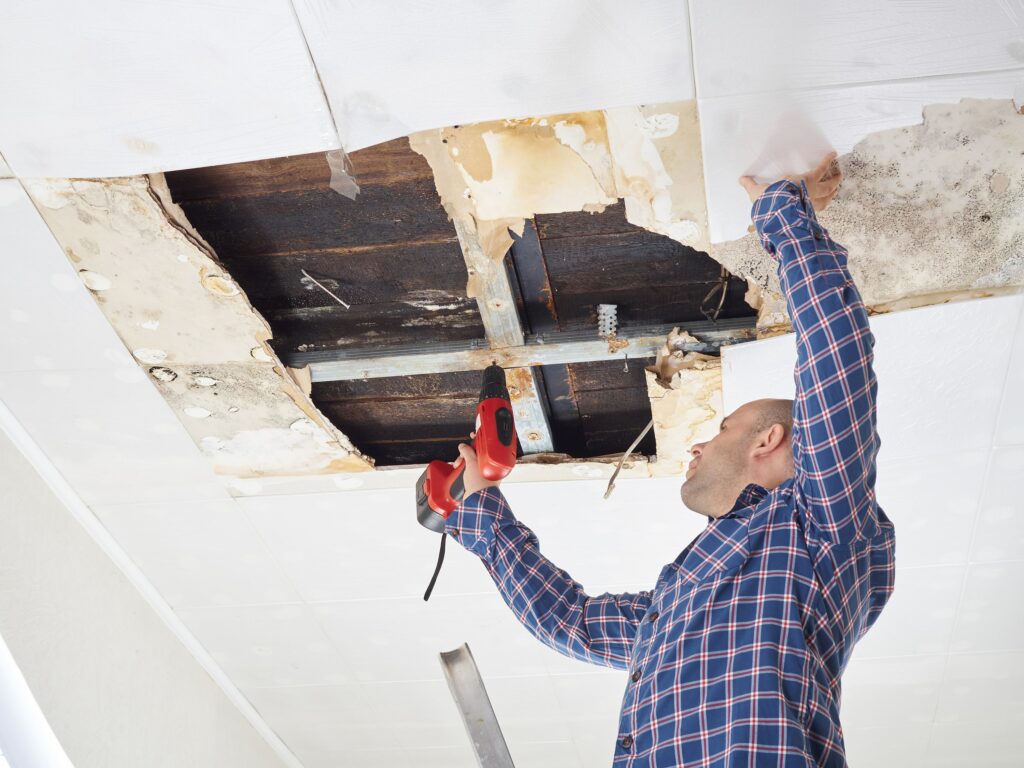
Water damage can be one of the most costly types of damage to repair and replace. Rain, floods, and leaks are unavoidable. When an insurance company receives a water damage claim, they will decide whether or not to pay for the claims based on several factors. If the worst happens, you will have to file for an insurance claim to restore the damage caused by water. Doing regular home maintenance and ensuring that your water system runs smoothly will increase your chances of a payout. The steps of getting the entire insurance claim for water damage in New York City’s apartments include: Step 1 Determine the cause of your water damage and check your homeowner’s insurance policy to see if the insurance company covers the water damage. Insurance Covered Damages You can expect your home insurance to cover sudden or accidental water damage, but not damage caused by neglect or lack of home maintenance. Water damages covered by home insurance include those caused by natural disasters like earthquakes, storms, and hurricanes. You can also claim your homeowner’s policy if there are sudden damages like cracked pipes, a burst in the main water supply, or broken water appliances. Remember, your insurance company might only cover the damage caused by the breaks and not the actual appliances or pipes. Uncovered Damages Individual policies vary on the types of water damages not covered in them. However, the general damages in this category include gradual damage, floods, mold, and damage caused by neglect. In most cases, homeowners need to purchase separate flood insurance because of the extensive damage caused by floods. You can prevent gradual damage and damages caused by neglect. Both damages occur over a long time, giving you time to stop their effect. For example, you can inspect your plumbing system regularly and ensure that it is well-maintained. Sometimes, your water damage might not be a gradual or neglect problem but a mold problem. There are several mold warning signs that you can look out for, including: • You can watch out for mold odor. Most molds produce a persistent musty smell that is not easy to miss • There can also be visible signs of mold growth in your home. Molds come in all colors, so any change you see on your walls or damp places is a warning sign. Ensure you fix all your water leaks to avoid breeding grounds for molds • If you observe water stains or discoloration on your walls, floor, or ceilings, the chances are there is a mold in your home. You should also look out for bubbling, cracking, or peeling paint and wallpapers • Molds may also grow in the aftermath of a flood • Report the claim if the policy covers the damage Step 2 Hire a restoration service to clean up the water and moisture professionally. Determine if you need to leave your home. If the damage is severe, leave your home and allow the restoration to continue. Water damages present the risk of electrocution and unhealthy living conditions inside your home. Step 3 Take photos of the damage and things that you need to replace. Your home restoration team might take these pictures, but it is necessary to have your images. Step 4 Meet with your insurance adjuster, who will evaluate the water damage. The adjuster’s work is to determine the cause of the damage and repair cost. Step 5 Find a contractor to repair the damage once your insurance company processes your claim. In some cases, the company may have its preferred contractors. What can New York Total Damage Restoration (NYTDR) do for you? NYTDR is a restoration company that works directly with your insurance company to repair water damage on your property. It does not matter if the damage is in your kitchen, bathroom, or the whole house. The company will help you get the insurance claim and plan and design your restoration. Licensed repair restoration experts, designers, and construction specialists will remediate and restore your property from start to finish. All you need to do is initiate a free consultation!
Should carpet be replaced after water damage?

Flooding, leaks and underfloor burst pipes are some of the ways your carpet may get wet. Water damage is a serious issue that many New York residents deal with. It may be due to old infrastructure and pipes, a result of living in apartment buildings and suffering from a neighbors damage, storms and other weather related issues or simply bad luck but when disaster strikes most people are unprepared. While it’s clear that water extraction must take place if your space is flooded, and all dampness needs to be dried out, what can and can’t be salvaged and the potential unseen dangers are murky. Replacing carpets can be a costly expense and clients often ask whether it is really important to strip the carpet if there is a leak or dampness. Understanding what lies under the carpet, the health and safety hazards involved in mold growth from water damage and the potential increase of damage to your property are factors you will want to weigh in when deciding whether or not to replace water damaged carpet. Is Water Damage Visible? While you may think this is a funny question to ask, the truth is that the majority of the real damage that water and moisture cause is not easily seen. Of course, damaged books, toys, mattresses and even furniture are clearly visible following flooding but the damage that water seeping into flooring, carpets and walls does is usually more harmful to your health and safety. Water travels via the easiest route – often this means it can travel far and build up and cause damage far from the original source. A leak in a bath upstairs can result in water damage in the floor, ceiling but also potentially in a different part of the house depending on the easiest route the water finds, so ensuring you actually find both the source and all the damage caused is important. What are Water Damage Health and Safety Hazards to be concerned about? Beyond the damage to your home which is usually fixable albeit at a price, water damage and mold can affect one’s health permanently. For those already suffering from asthma and other breathing issues, mold and dampness can exaggerate the existing condition, increase wheezing, attacks and general overall health. For others who may never have suffered from asthma, COPD or other respiratory illnesses, prolonged exposure to mold and breathing it in can cause them to develop temporary or permanent issues. Other related health issues including rashes and skin conditions can also be caused by mold. If water is actually left sitting, mosquitoes and other flies and bugs are likely to be attracted and be an additional nuisance and possible health hazard. Carpet Water Damage Water damage carpet cleaning Mold in carpet from water damage It doesn’t take more than a little moisture, warmth and dark space to breed mold quickly, carpet is an ideal home for mold to grow. Homeowners who experience even a small amount of water seeping into their homes either from flooding or a broken pipe should be concerned about mold especially when that moisture gets trapped under an insulted material such as carpet. How to treat water damaged carpet The faster you start cleaning up after water damage, the more likely you are to stop mold from growing under your carpet. Calling in mold remediation experts or water damage specialists is usually recommended to ensure the dampness is fully dried out and any damage that has taken place is dealt with before it spreads. If you are attempting to treat the water damaged carpet yourself Extract all water possible. Get hold of water extraction machine to remove as much of the water as possible. Ventilate the room. Open all windows to distribute fresh air and speed drying. Use floor flans to increase circulations and dehumidifiers to remove moisture from the air and carpet. Treat the smell. Carpet smells after water damage, use vinegar or baking soda to remove the odor and freshen up the carpet. How to get rid of carpet odor from water damage Once you have dried out the carpet, use a combination of one cup vinegar to two cups warm water and gently spray the areas that smell. Be sure not to over spray and create new moisture! Sprinkling baking soda once the carpet is dry and then vacuuming or using a carpet spray freshener can also help to eliminate the moist carpet smell coming from the carpet fibers. While all carpet smells following water damage and dampness, lingering water damage smells could indicate the continued growth of mold or mildew, which thrives in damp conditions. If you the carpet odor continues after you have dried and treated the carpet, don’t wait for mold to appear or for your family to start wheezing, call in a mold remediation specialist immediately. Water Damage Restoration Insurance You may be surprised to discover what is or is not covered by your home insurance following water damage. Certain types of water damage are covered, and ensuring you get the maximum coverage from your water damage restoration insurance is usually dependent on having someone professional asses the complete damage and help with submitting the claim. Because damage may be hidden or not visible, an expert will be able to detail the visible and hidden damages which need to be repaired, restored or replaced.