
Water damage in NYC homes rarely stays contained or obvious. What may begin as a small ceiling stain, a faint damp smell, or a slow leak under a sink can quietly spread beyond the surface. Over time, moisture moves through drywall, flooring, insulation, and framing, turning what looks minor into a layered issue affecting structure, materials, and indoor air quality.
The “before and after” of water damage goes far beyond appearance. The visible signs are often only a fraction of the problem. Beneath paint and plaster, water can weaken materials, create hidden pockets of moisture, and lead to conditions that continue to worsen long after the initial leak has stopped.
Because NYC buildings are often multi-layered and tightly constructed, damage can travel in unexpected ways between units, floors, and wall cavities. What looks like a simple repair on the surface may actually involve multiple stages of inspection, drying, removal, and rebuilding.
This example walks through what a property typically looks like before restoration begins, what is commonly uncovered during the assessment process, and what the finished result represents in practical terms once the space is fully restored and safe to reoccupy.
BEFORE: What Homeowners Usually See First
At the beginning, water damage often appears minor, isolated, and easy to overlook. It rarely presents itself as an immediate emergency, which is why it is commonly underestimated in the early stages.
Common early signs include:
- Yellow or brown staining forming on ceilings or upper walls
- Slight bubbling, blistering, or peeling paint
- Damp patches that appear after rainfall or regular plumbing use
- A faint, persistent musty smell in enclosed or less-ventilated rooms
- Floorboards that feel slightly raised, soft, or uneven in specific areas
At this stage, the space is usually still in use. Daily routines continue as normal, and many homeowners assume the issue is cosmetic, seasonal, or temporary condensation rather than structural water intrusion.
What water damage looks like at the surface:

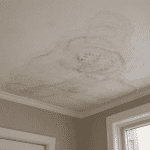
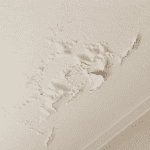
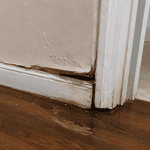
What Water Damage Can Lead To
What is not visible is what makes this stage particularly risky. Water rarely stays where it first enters. Instead, it can travel horizontally and vertically through building materials before any visible sign appears. By the time staining or surface changes become noticeable, moisture may already be present within insulation, subfloors, ceiling voids, or internal wall cavities, where it continues to spread unnoticed.

What Is Often Discovered During An Inspection For Water Damage in NYC
Once a professional assessment begins, the situation often becomes more complex than expected.
Typical findings include:
- Moisture spread beyond the original visible area
- Saturated drywall or plaster that has lost structural integrity
- Insulation that has absorbed water and cannot dry effectively
- Early-stage mould growth behind surfaces
- Flooring systems holding trapped moisture underneath finishes
In NYC buildings, especially older brownstones and apartment conversions, water can also travel between units or through shared structural elements, which makes the source and spread harder to isolate.
At this stage, the key decision is not just repair — it is determining how far the damage has progressed and what materials can realistically be saved.
Unexpected Discoveries During Restoration
Annie Cheng – “NYTDR helped us with water damage – remediation and restoration – in our apartment….This was a relatively big job, and they were good when the unexpected happened, like discovery of mold. They lined up remediation right away and did a good job keeping to the schedule as closely as possible….”
TRANSITION: What Needs To Happen Before Rebuilding
Before any rebuilding work begins, affected materials are typically removed where necessary to expose hidden moisture.
This step is important because water damage cannot be properly resolved if it remains trapped behind finished surfaces.
Depending on the extent of spread, this may involve:
- Removing sections of drywall or plaster
- Lifting flooring to access the subfloor
- Drying structural elements with controlled equipment
- Treating affected areas to prevent further deterioration
This stage is what separates surface repair from full restoration. It ensures the problem is not being covered over but actually resolved.
Water Damage Restoration With NYTDR
At NYTDR, we manage the full restoration and reconstruction process for water-damaged properties throughout NYC, including project coordination and insurance-related documentation connected to the restoration work.
For a more detailed breakdown of the process, visit our process page
AFTER: What The Property Is Like Once Restored
After restoration, the most immediate change is visual. The space is returned to a clean, finished condition that closely resembles its original appearance. Walls are repainted, flooring is reinstated, and previously affected areas are no longer visible.
The more important changes are structural and environmental. Restoration is not only about replacing damaged finishes, but about addressing the underlying conditions that caused the issue in the first place.
- Affected materials are removed and replaced rather than simply repaired or covered
- Hidden moisture is fully extracted through drying and remediation processes
- Surfaces are rebuilt only once underlying structures are confirmed to be dry and stable
- The space no longer retains trapped humidity, damp conditions, or lingering odours
- The risk of continued deterioration, such as mould development or material breakdown, is eliminated
In many cases, the property may feel familiar, as though it has simply been returned to its previous condition. In reality, the internal environment is fundamentally different. The building has been brought back to a stable, controlled baseline where the damage has been properly resolved, leaving the space safe, dry, and structurally sound moving forward.
NYTDR’s guide walks you through everything you need to know about the restoration process, including what to expect at each stage and the key questions to ask your contractor before, during, and after the work.

Fully Restored Brooklyn Kitchen
What Homeowners Should Do If They Notice Water Damage
If signs of water damage appear, the first step is not to focus on drying or covering the area, but to understand where the moisture is coming from. The visible stain or damp patch is often only the surface indicator, not the source.
- Avoid using paint, sealants, or cosmetic repairs before the area has been assessed, as this can trap moisture and make underlying issues harder to detect later.
- Try to limit activity in the affected area, especially if flooring or walls feel soft, warped, or unstable. Continued use can sometimes spread moisture further into surrounding materials.
- If possible, take photos early and document when the issue first appeared. This helps establish whether the damage is ongoing or isolated, which is useful for both assessment and insurance purposes.
Most importantly, arrange a proper inspection before assuming the extent of the problem. In many NYC properties, water travels in ways that are not immediately visible, so early assessment is what prevents minor damage from becoming structural.
Project Timeline Summary
Before

Water Damaged Brooklyn Home
During
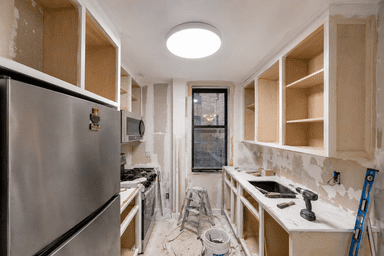
Construction & Insurance Process
After
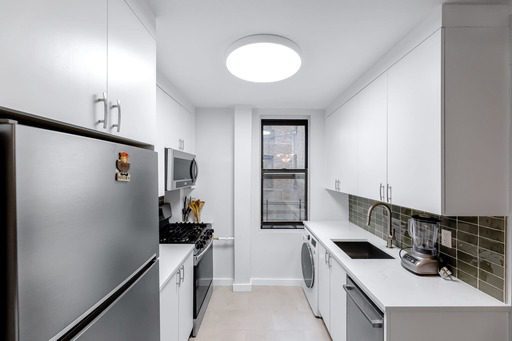
Complete Renovation
UES Water Damage Restoration Project By NYTDR
Common Questions We Hear On NYC Restoration Jobs
Will insurance always cover water damage restoration in NYC?
Not always. Coverage depends on the cause of the damage, the policy type, and whether it’s considered sudden/accidental or long-term neglect. Each case is assessed individually, and documentation is usually required to support a claim.
Can water damage affect neighbouring apartments?
Yes. In NYC buildings, water often spreads through shared ceilings, floors, or walls. This can lead to multiple units being impacted from a single source, especially in older or densely constructed buildings.
Is it safe to stay in the property during restoration work?
It depends on the extent of the damage and the areas affected. In some cases, homeowners can remain in the property, but if there is widespread moisture, demolition, or safety concerns, temporary relocation may be recommended.
What happens if water damage isn’t dealt with immediately?
Delaying action can allow moisture to spread further into structural materials, increase the risk of mould development, and make restoration more extensive and disruptive later on. Early assessment usually limits overall impact.